Building a Personal Library in 2026: 3 Strategies

Building a personal library in 2026 involves strategic curation, digital integration, and personalized organization, ensuring your collection reflects your evolving interests and supports a rich reading life.
Are you ready to transform your love for literature into a tangible, evolving sanctuary? In 2026, building a personal library goes beyond simply accumulating books; it’s about crafting a curated space that reflects your intellectual journey and provides endless inspiration. This guide will explore three essential strategies to help you cultivate a truly meaningful collection.
Defining Your Library’s Purpose and Vision
Before you even think about acquiring your next book, it’s crucial to establish a clear purpose for your personal library. What do you want your collection to achieve? Is it a source of knowledge, a haven for escape, or a reflection of your personal growth? Understanding this foundational vision will guide every decision you make, from genre focus to organizational methods.
In an age of digital overload, a physical library offers a unique tactile and sensory experience. It’s a statement about your intellectual curiosity and a testament to the power of the written word. Defining your purpose helps you avoid impulsive purchases and ensures each book adds genuine value to your space and mind.
Identifying Core Interests and Genres
Your library should be a mirror of your evolving self. Start by listing your primary interests, hobbies, and professional fields. Do you gravitate towards history, science fiction, philosophy, or practical guides? Focusing on these core areas initially prevents your collection from becoming a random assortment of titles.
- Non-fiction: Prioritize subjects that genuinely inform and challenge your perspectives.
- Fiction: Explore genres and authors that resonate deeply with your emotional and imaginative landscape.
- Reference: Consider essential dictionaries, atlases, or professional texts relevant to your work or passions.
Don’t be afraid to let your interests evolve. A dynamic library isn’t static; it grows and changes with you. Regularly reassess your core interests and be open to discovering new genres that spark your curiosity.
Setting Realistic Goals for Growth
Rome wasn’t built in a day, and neither will your ideal library be. Set achievable goals for how you’ll expand your collection. This might involve a monthly budget for new books, a target number of books per year, or a focus on completing specific series or authors. Realistic goals prevent overwhelm and make the process enjoyable.
Consider the physical space available. A small apartment might necessitate a more selective approach, perhaps focusing on digital books or a rotating collection. Conversely, a dedicated study might allow for more expansive growth. Balance your aspirations with practical considerations to create a sustainable plan for your library’s development.
Ultimately, defining your library’s purpose and vision lays the groundwork for a collection that is both personally enriching and thoughtfully curated. It moves beyond mere acquisition to intentional building, ensuring every book serves a meaningful role in your intellectual journey.
Strategy 1: Curated Acquisition and Mindful Selection
The first and arguably most critical strategy for building a a personal library in 2026 is to adopt a mindset of curated acquisition. This means moving away from indiscriminate buying and towards thoughtful selection. Every book you bring into your home should serve a purpose, whether it’s for learning, enjoyment, inspiration, or reference.
Mindful selection ensures that your library remains a valuable resource rather than becoming a cluttered storage space. It encourages you to engage more deeply with each book and appreciate its presence in your collection.
Researching Before Buying: Leveraging 2026 Tools
In 2026, the tools available for researching books are more sophisticated than ever. Before making a purchase, leverage these resources to ensure a book aligns with your interests and quality standards. Online communities, AI-powered recommendation engines, and detailed review platforms can provide invaluable insights.
- Goodreads and StoryGraph: Explore community reviews, ratings, and personalized recommendations based on your reading history.
- AI Book Discovery Platforms: Utilize advanced algorithms that suggest titles based on nuanced preferences and thematic connections.
- Author Interviews and Podcasts: Gain deeper understanding of an author’s intent and the book’s context before committing.
Don’t underestimate the power of a well-researched decision. This approach not only saves you money but also ensures that each addition truly enriches your library.
Embracing Diverse Formats: Physical, Digital, and Audio
A modern personal library isn’t limited to physical books. In 2026, a truly curated collection embraces a diverse range of formats to suit different reading habits and lifestyles. Digital e-books and audiobooks offer unparalleled convenience and accessibility, complementing the tactile pleasure of print.
Consider creating a hybrid library that balances the tangible with the digital. E-readers are perfect for travel and for exploring new authors without committing shelf space. Audiobooks allow you to “read” while commuting, exercising, or performing household chores, expanding your reading time significantly.
The Art of Intentional Discarding (De-accessioning)
Curating isn’t just about what you bring in; it’s also about what you let go. The concept of “de-accessioning”—a term borrowed from professional libraries—is vital for maintaining a vibrant and relevant personal collection. Regularly review your books and consider which ones no longer serve your purpose.
Ask yourself: Have I read this book? Do I plan to reread it? Does it still resonate with my current interests? If the answer to these questions is no, it might be time to donate, sell, or lend the book. This practice keeps your library fresh, prevents clutter, and makes space for new, more relevant acquisitions.
By focusing on curated acquisition and mindful selection, you ensure that every book in your personal library is a deliberate choice, contributing to a collection that is both meaningful and manageable in 2026.
Strategy 2: Strategic Organization and Accessibility
Once you’ve carefully selected your books, the next crucial step in building a personal library is to organize them strategically. Effective organization goes beyond aesthetics; it’s about making your collection accessible, enjoyable, and easy to navigate. A well-organized library enhances your reading experience and encourages deeper engagement with your books.
Think of your library as a personal database. The easier it is to find what you’re looking for, the more likely you are to utilize its full potential. This strategy combines traditional methods with modern technological solutions.
Beyond Alphabetical: Thematic and Emotional Grouping
While alphabetical order by author or title is a classic approach, it might not always be the most intuitive for a personal library. Consider organizing your books thematically, by genre, or even by emotional impact. This allows for a more fluid browsing experience that mirrors how you might think about your books.
- Thematic Grouping: Group books by subject matter (e.g., “Ancient History,” “Science Fiction,” “Personal Development”).
- Genre-Based: Separate fiction from non-fiction, then subdivide by specific genres like “Fantasy,” “Thriller,” or “Biography.”
- Color-Coding: For a visually appealing and sometimes surprisingly intuitive system, especially for larger collections.
Experiment with different systems to find what works best for your brain and your reading habits. The goal is to create an organizational structure that feels natural and inviting.
Leveraging Digital Cataloging Tools
In 2026, managing a personal library without digital tools is like navigating without a map. Digital cataloging apps and software can revolutionize how you track, organize, and interact with your collection. These tools allow you to log every book, its location, reading status, and even your personal notes.
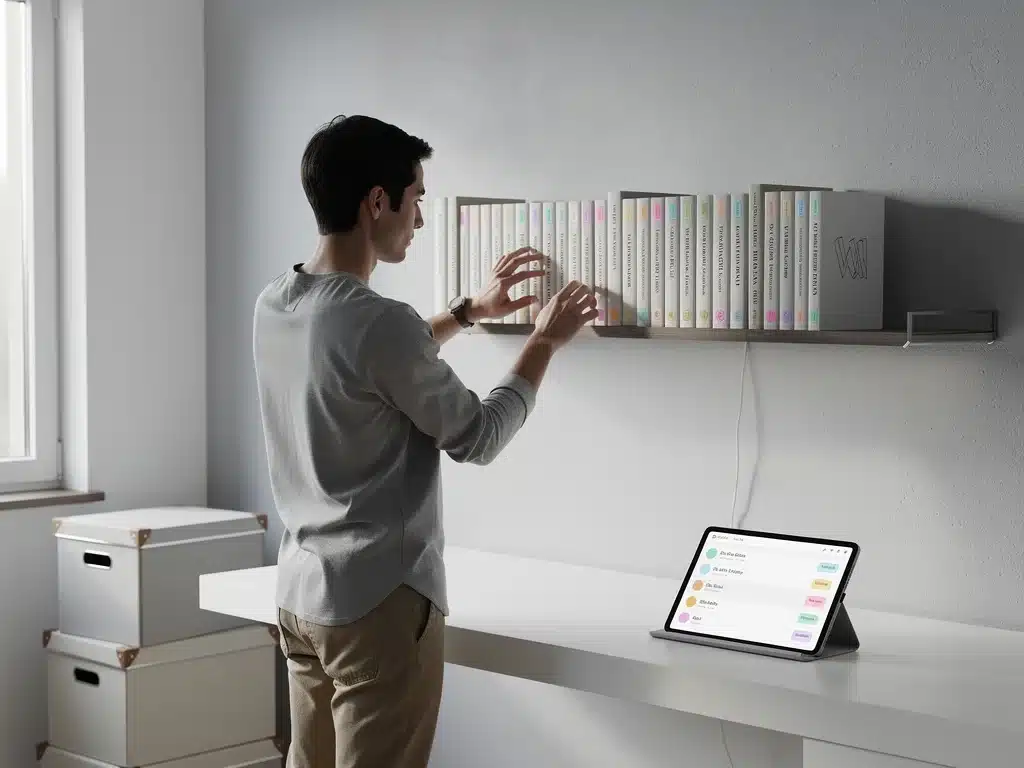
Many apps offer features such as barcode scanning for quick entry, wish lists, reading statistics, and integration with online databases. This not only helps you avoid duplicate purchases but also provides a comprehensive overview of your literary landscape.
Optimizing Physical Space and Display
The physical arrangement of your books significantly impacts the overall feel and functionality of your library. Consider both practicality and aesthetics when optimizing your space. Good shelving, proper lighting, and comfortable seating can transform a simple collection into a true sanctuary.
Invest in sturdy, adjustable shelving that can accommodate books of various sizes. Think vertically to maximize space, especially in smaller rooms. Ensure adequate lighting to prevent eye strain and to highlight your collection. A comfortable chair or reading nook invites you to spend more time immersed in your books.
By implementing strategic organization and ensuring accessibility, your personal library becomes more than just a collection of books; it becomes a dynamic, inviting space that actively supports and enhances your reading life.
Strategy 3: Cultivating a Dynamic and Engaging Library Experience
The third strategy for building a personal library in 2026 focuses on making your collection a dynamic and engaging part of your daily life. A library isn’t just a static display; it’s a living entity that should inspire, educate, and provide comfort. Cultivating a rich library experience involves active engagement, continuous learning, and sharing your literary journey with others.
This approach transforms your library from a mere repository into a hub of intellectual activity and personal connection, ensuring it remains a vibrant and cherished space.
Active Engagement: Rereading and Annotation
Don’t let your books gather dust after a single read. Active engagement includes rereading beloved titles, discovering new layers of meaning, and annotating books that resonate deeply. Rereading can offer fresh perspectives and insights that you might have missed previously, enriching your understanding.
Annotation, whether through marginalia, sticky notes, or digital highlights for e-books, turns reading into an interactive process. It allows you to dialogue with the text, record your thoughts, and track your intellectual evolution over time. These personal markings make the books truly yours and enhance their long-term value.
Integrating Digital Tools for Enhanced Reading
Beyond cataloging, digital tools in 2026 can significantly enhance your reading experience. E-readers offer adjustable fonts, built-in dictionaries, and the ability to highlight and take notes seamlessly. Audiobooks allow you to “read” while commuting, exercising, or performing household chores, expanding your reading time significantly.
Consider using reading apps that track your progress, set reading goals, and connect you with reading communities. These tools can motivate you to read more consistently and discover new authors or genres that align with your interests. The synergy between physical and digital formats creates a truly comprehensive literary experience.
Sharing Your Library and Fostering Community
A personal library can also be a point of connection and community. Sharing your books with friends, family, or local book clubs not only spreads the joy of reading but also opens up opportunities for discussion and intellectual exchange. Lending a book can spark conversations and deepen relationships.
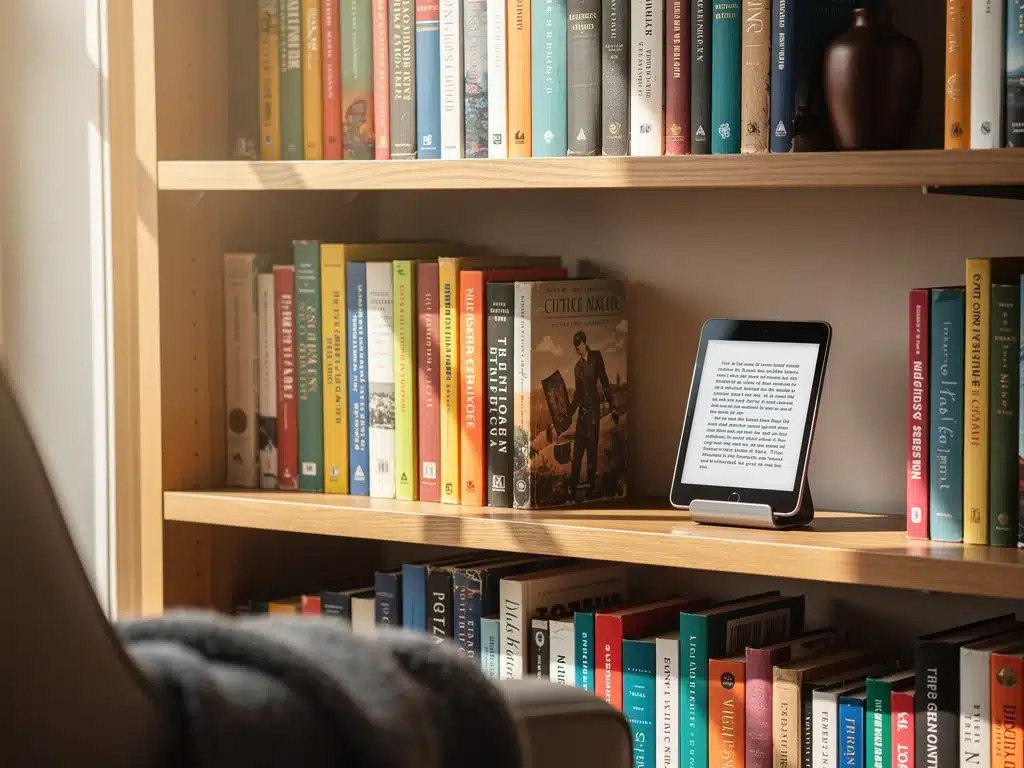
Participate in online book communities or start your own. Discussing books with others can introduce you to new perspectives, challenge your interpretations, and broaden your literary horizons. Your library, therefore, becomes not just a personal retreat but also a bridge to wider intellectual networks.
By actively engaging with your books, integrating digital enhancements, and fostering a sense of community around your collection, you ensure that your personal library in 2026 is a dynamic, inspiring, and endlessly rewarding part of your life.
Future-Proofing Your Library: Adaptability and Preservation
As we look towards 2026 and beyond, future-proofing your personal library involves embracing adaptability and prioritizing preservation. The world of publishing and reading is constantly evolving, with new formats, technologies, and literary trends emerging regularly. A resilient library is one that can adapt to these changes while safeguarding its core value.
This means not only being open to new ways of acquiring and consuming books but also taking proactive steps to ensure the longevity of your cherished physical copies. Balancing innovation with tradition is key to a truly enduring collection.
Embracing Evolving Formats and Technologies
The landscape of reading is increasingly digital. While physical books hold a special place, a future-proof library acknowledges and integrates e-books, audiobooks, and potentially even interactive or augmented reality formats. Investing in versatile e-readers or tablets allows you to access a vast digital catalog, often at a lower cost and with greater convenience.
Stay informed about new reading technologies and platforms. Cloud-based storage for your digital collection ensures accessibility across devices and provides a backup against data loss. Embracing these evolving formats doesn’t diminish the value of physical books; rather, it expands the horizons of your reading experience.
Physical Preservation: Caring for Your Collection
For your physical books, preservation is paramount. Proper care ensures their longevity and maintains their aesthetic and sentimental value. Simple steps can make a significant difference in protecting your collection from damage and degradation over time.
- Environmental Control: Store books away from direct sunlight, extreme temperatures, and high humidity, which can cause paper to yellow, warp, or grow mold.
- Proper Handling: Avoid dog-earing pages or bending covers excessively. Use bookmarks and handle books with clean hands.
- Dusting and Cleaning: Regularly dust your shelves and books to prevent dust accumulation, which can attract pests and degrade paper.
Consider archival-quality bookends or covers for particularly valuable or fragile items. A little attention to physical preservation can ensure your books remain in excellent condition for decades to come, allowing future generations to enjoy them.
Regular Review and Refreshment Cycles
A future-proof library is never static. It undergoes regular review and refreshment cycles to ensure its continued relevance and vitality. This means periodically assessing your collection, not just for decluttering, but also to identify gaps, update outdated information, or integrate new interests.
Schedule a yearly or bi-annual “library audit.” During this review, you might discover books you’ve forgotten, identify areas where your collection is lacking, or decide to explore new authors and genres. This proactive approach keeps your library aligned with your evolving self and ensures it remains a dynamic source of inspiration and knowledge.
By integrating adaptability and preservation into your library-building strategy, you create a collection that is not only robust for 2026 but also prepared to thrive for many years into the future, a true testament to your enduring love for literature.
The Role of Community and Sharing in 2026 Libraries
In 2026, the concept of a personal library extends beyond individual ownership to encompass a broader sense of community and sharing. While the primary focus remains on curating your own collection, the modern approach recognizes the value of literary exchange, collective knowledge, and fostering connections through books. This collaborative spirit enriches your reading journey and expands the reach of your personal literary endeavors.
Engaging with a wider community transforms your library from a solitary pursuit into a shared passion, opening doors to new perspectives and discoveries.
Participating in Book Clubs and Reading Groups
Joining a book club, whether local or online, is an excellent way to engage with literature beyond your personal selections. These groups provide a structured environment for discussing books, sharing interpretations, and encountering titles you might not have picked up otherwise. In 2026, virtual book clubs are particularly prevalent, allowing you to connect with readers worldwide.
The discussions in book clubs can deepen your understanding of a text, introduce you to diverse viewpoints, and challenge your own assumptions. It’s a dynamic way to keep your reading habits fresh and to continuously learn from others who share your passion for books.
Leveraging Online Platforms and Social Reading
Online platforms dedicated to books and reading have evolved significantly by 2026. Websites and apps that allow you to track your reading, review books, and connect with other readers create a vibrant social reading experience. These platforms can be powerful tools for discovery, recommendation, and engaging in literary conversations.
- Reader Communities: Join forums and groups focused on specific genres, authors, or literary movements to exchange ideas.
- Author Q&As: Participate in live online sessions with authors, gaining direct insights into their work and creative process.
- Personalized Feeds: Follow fellow readers whose tastes align with yours for curated recommendations and discussions.
These digital spaces complement your physical library, providing a virtual extension where you can explore, discuss, and connect with the global reading community.
The Ethics of Lending and Borrowing
Sharing physical books with friends and family is a time-honored tradition that strengthens bonds and promotes literacy. However, in 2026, there’s also a heightened awareness of the ethics involved in lending and borrowing. Ensure you lend books to trustworthy individuals who will return them in good condition, and always respect borrowed items.
Consider establishing a personal lending library system, perhaps using a simple log or a digital app, to keep track of your loaned books. This ensures that your cherished titles eventually make their way back home. Similarly, explore local community libraries or book-sharing initiatives, which offer a sustainable way to access a wider range of books without permanent acquisition.
By actively participating in book communities and embracing ethical sharing practices, your personal library in 2026 becomes a more interconnected and enriching entity, reflecting a collective love for literature.
Personalizing Your Library Space: Ambiance and Comfort
Beyond the books themselves, the physical space where your library resides plays a crucial role in enhancing your reading experience. Personalizing your library space in 2026 involves creating an ambiance that invites relaxation, stimulates thought, and provides ultimate comfort. This thoughtful design ensures that your library is not just a storage area but a true sanctuary for intellectual and emotional retreat.
A well-designed reading environment can significantly impact your focus, mood, and overall enjoyment of your literary adventures.
Creating a Dedicated Reading Nook
Even if you don’t have an entire room dedicated to your library, creating a specific reading nook can make a world of difference. This dedicated space should be comfortable, free from distractions, and inviting. A cozy armchair, a soft blanket, and a small table for your drink are essential elements.
Consider the placement of your reading nook. Is it near a window for natural light? Is it away from high-traffic areas of your home? The goal is to establish a personal retreat where you can fully immerse yourself in a book without interruption. This small dedicated area can become the heart of your reading practice.
Lighting: The Unsung Hero of Reading Spaces
Proper lighting is paramount for any reading space. Harsh, insufficient, or poorly placed lighting can lead to eye strain and diminish your enjoyment. In 2026, smart lighting solutions offer customizable options that can adapt to different times of day and reading needs.
- Task Lighting: A good reading lamp with adjustable brightness and color temperature (warm for relaxation, cool for focus) is essential.
- Ambient Lighting: Soft, indirect lighting can create a cozy atmosphere without causing glare.
- Natural Light: Maximize natural light during the day, but ensure you have blinds or curtains to prevent direct sunlight from damaging books or causing glare on screens.
Experiment with different lighting setups to find what works best for your eyes and enhances the mood of your library space.
Adding Personal Touches and Comfort Elements
Your library should reflect your personality and provide a sense of comfort. Incorporate personal touches such as artwork, photographs, plants, or cherished mementos. These elements make the space uniquely yours and add to its inviting atmosphere.
Consider sensory elements that enhance relaxation: a pleasant scent from an essential oil diffuser, a comfortable throw blanket, or even a small, calming water feature. The goal is to create an environment where you feel completely at ease, allowing you to fully lose yourself in the pages of a book. By personalizing your library space, you transform it into a beloved haven that nurtures your love for reading.
| Key Strategy | Brief Description |
|---|---|
| Curated Acquisition | Mindfully select books using modern research tools and embrace diverse formats (physical, digital, audio). |
| Strategic Organization | Organize your collection thematically, leverage digital cataloging tools, and optimize physical display space. |
| Dynamic Engagement | Actively engage with books through rereading/annotation, integrate digital tools, and foster community sharing. |
| Future-Proofing | Embrace evolving formats, prioritize physical preservation, and implement regular review cycles for relevance. |
Frequently Asked Questions About Building a Personal Library in 2026
The most important first step is defining your library’s purpose and vision. Understanding why you want a library—whether for knowledge, escape, or personal growth—will guide all subsequent decisions on book selection and organization, ensuring a meaningful and curated collection.
Digital tools in 2026 can greatly enhance a personal library by offering advanced research, cataloging, and reading features. They help track books, provide personalized recommendations, enable easy annotation, and expand access to a vast array of e-books and audiobooks, complementing physical collections effectively.
Absolutely. While digital formats offer convenience, physical books provide a unique tactile experience, aesthetic pleasure, and a tangible connection to literature. They serve as decorative elements, conversation starters, and a personal statement, making them a valuable part of a curated library in 2026.
It’s advisable to review and declutter your personal library annually or bi-annually. This practice, known as de-accessioning, ensures your collection remains relevant to your evolving interests, prevents clutter, and makes space for new, more meaningful acquisitions. Regular reviews keep your library vibrant and useful.
Organizing books thematically allows for a more intuitive and fluid browsing experience, mirroring how you might think about your interests. It can spark new connections between subjects and make it easier to locate books based on a specific topic or genre, enhancing the overall accessibility and enjoyment of your collection.
Conclusion
Building a personal library in 2026 is a journey of intentionality, passion, and continuous discovery. By adopting a clear vision, embracing curated acquisition, implementing strategic organization, and fostering dynamic engagement, you can create a literary haven that truly reflects your intellectual and emotional landscape. The modern library integrates both physical and digital realms, becoming a versatile and ever-evolving resource. Ultimately, your personal collection is more than just books on shelves; it’s a testament to your lifelong love of learning, a source of endless inspiration, and a cherished space that grows and adapts with you. Invest in these strategies, and watch your library transform into a vibrant cornerstone of your daily life.