The 2026 Art of Time Management: Regain 2 Hours Daily
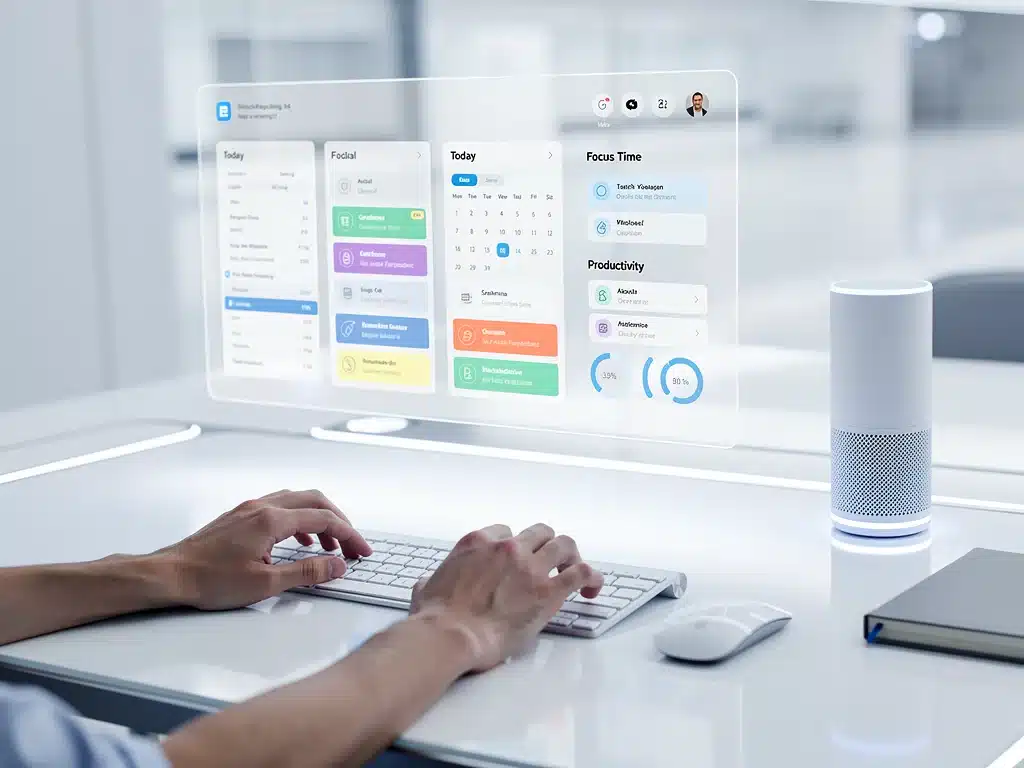
Mastering the 2026 art of time management is crucial for regaining two hours daily, achievable through four innovative methods that optimize focus, delegate tasks, leverage technology, and prioritize effectively for enhanced productivity.
Welcome to 2026, where the pace of life seems to accelerate daily, making efficient time management not just a skill, but a necessity. If you’re looking to master the 2026 art of time management and reclaim two precious hours daily, you’ve come to the right place. This article will delve into four innovative methods designed to revolutionize how you approach your day, transforming frantic schedules into productive, balanced routines.
The Deep Work Revival: Cultivating Uninterrupted Focus
In an era dominated by constant digital distractions, the concept of deep work has never been more critical. Deep work, as defined by Cal Newport, refers to professional activities performed in a state of distraction-free concentration that push your cognitive capabilities to their limit. These efforts create new value, improve your skill, and are hard to replicate. In 2026, with even more sophisticated notifications and pervasive connectivity, deliberately carving out time for deep work is paramount to achieving significant progress and regaining control over your schedule.
The challenge lies not just in recognizing the value of deep work but in implementing strategies to achieve it consistently. It requires a conscious effort to disconnect from the digital noise and immerse oneself fully in a single, important task. This isn’t merely about shutting down social media; it’s about structuring your environment and mindset to support intense concentration.
Structuring your deep work sessions
- Identify your prime time: Determine when you are most alert and focused, then allocate these hours for your most demanding tasks.
- Create a distraction-free zone: This might involve a dedicated workspace, noise-canceling headphones, or even utilizing a “do not disturb” mode on all devices.
- Set clear objectives: Before each session, define what you aim to achieve. Specific goals enhance focus and provide a sense of accomplishment.
- Practice single-tasking: Resist the urge to switch between tasks. Dedicate your full attention to one project until a significant milestone is reached.
Moreover, the 2026 landscape offers advanced tools to aid in this endeavor. AI-powered focus apps can now dynamically block distracting websites and notifications based on your current task, learning your work patterns to optimize your environment. Wearable tech can monitor your cognitive load and suggest optimal times for deep work or necessary breaks, further refining your approach to uninterrupted focus.
By intentionally adopting deep work principles, you’re not just completing tasks; you’re elevating the quality of your output and dramatically reducing the time spent on less impactful activities. This disciplined approach is a cornerstone of regaining valuable hours in your day, allowing for more strategic thinking and less reactive task management. The ability to concentrate profoundly on a single task, shielded from the constant barrage of modern communication, is a superpower in 2026, directly contributing to reclaiming your time and enhancing overall effectiveness.
Strategic Delegation and Automation: Empowering Your Workflow
In 2026, the concept of working smarter, not harder, has evolved significantly, largely thanks to advancements in automation and the strategic art of delegation. Regaining two hours daily often hinges on offloading tasks that don’t absolutely require your unique skills or direct oversight. This isn’t about avoiding work, but about optimizing your personal and professional bandwidth for maximum impact.
Delegation, at its core, is the process of assigning responsibility and authority to another person to carry out specific activities. However, in an increasingly digital and interconnected world, delegation extends beyond human colleagues to include sophisticated AI and automated systems. Recognizing what to delegate and to whom (or what) is a critical skill for modern time management.
Leveraging AI for routine tasks
- AI-driven scheduling: Smart calendars can now not only find optimal meeting times but also anticipate conflicts and propose solutions, minimizing back-and-forth communication.
- Automated data entry and analysis: AI can process large datasets, extract key insights, and even generate preliminary reports, allowing you to focus on strategic interpretation rather than manual labor.
- Content generation and curation: For communication-heavy roles, AI can draft initial content, summarize lengthy documents, or curate relevant information, acting as a powerful assistant.
Beyond AI, effective human delegation remains a cornerstone. This involves identifying tasks that can be competently handled by team members, virtual assistants, or specialized freelancers. The key is to provide clear instructions, set expectations, and trust in the capabilities of others. This not only frees up your time but also empowers your team and fosters skill development within your organization.
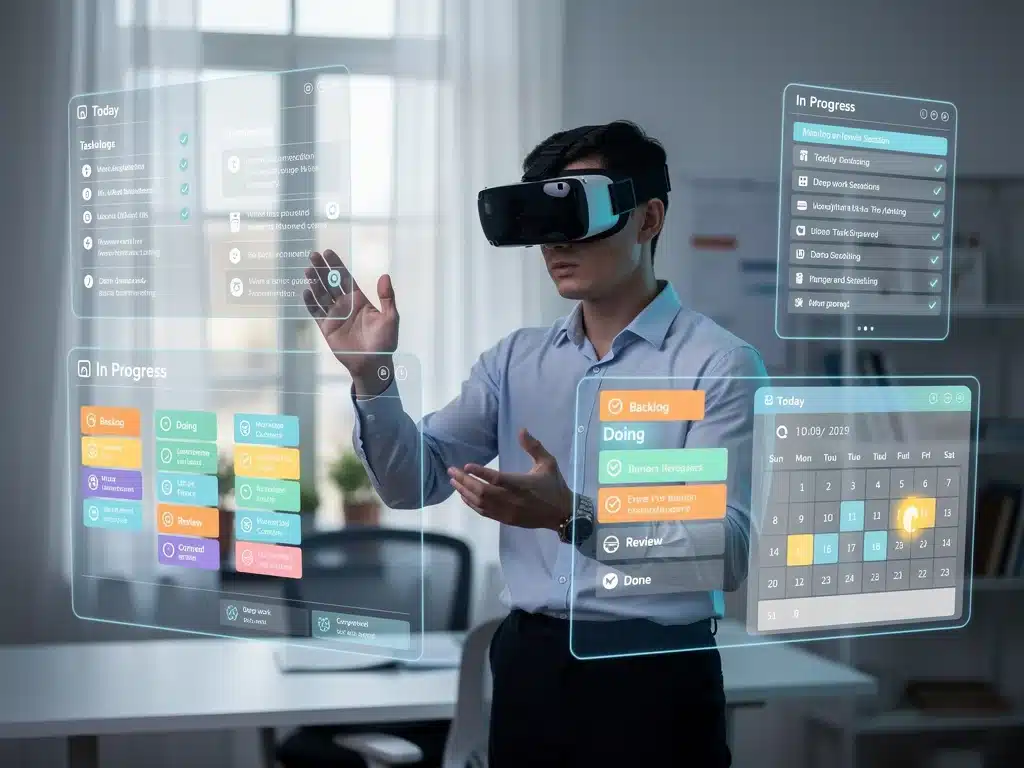
The real power of strategic delegation and automation lies in its compounding effect. Each task successfully delegated or automated creates a ripple, freeing up minutes that accumulate into hours. This allows you to redirect your energy towards high-value activities that demand your unique expertise and strategic input, rather than getting bogged down in operational minutiae. By consciously evaluating your workload and asking, “Can this be automated or delegated?” you unlock significant potential for regaining valuable time and focusing on what truly matters.
The Digital Detox Protocol: Reclaiming Mental Bandwidth
The pervasive nature of digital technology, while offering unparalleled convenience and connectivity, also poses a significant threat to our mental bandwidth and time management. In 2026, the constant barrage of notifications, endless streams of information, and the pressure to be perpetually online can lead to cognitive overload and a fragmented sense of time. Implementing a digital detox protocol is no longer a luxury but a crucial strategy for regaining clarity, focus, and ultimately, reclaiming hours in your day.
A digital detox isn’t about abandoning technology entirely; it’s about intentionally creating boundaries and periods of disconnection to reset your mental state. It allows your brain to process information more effectively, reduces stress, and enhances your ability to engage in deeper, more meaningful activities.
Defining your disconnection strategy
- Scheduled unplugged blocks: Designate specific times each day or week where you completely disconnect from all non-essential devices. This could be during meals, before bed, or for a few hours on weekends.
- Notification management: Aggressively prune unnecessary notifications. Only allow alerts for critical communications, and consider batching email checks to specific times.
- Single-purpose device usage: When engaging in a task that requires digital tools, try to use devices for that single purpose. Avoid opening social media or other distracting apps simultaneously.
- Physical environment changes: Charge your phone outside your bedroom, keep your workstation free of personal devices during work hours, or even explore designated “tech-free zones” in your home.
The benefits of a consistent digital detox extend far beyond simply saving time. It fosters improved sleep quality, reduces anxiety, enhances creativity, and strengthens interpersonal relationships. By consciously stepping away from the digital world, you create space for introspection, physical activity, and genuine human connection – activities that are often squeezed out by constant screen time.
Moreover, the practice of digital detox strengthens your ability to resist future digital temptations. It trains your brain to seek satisfaction from offline activities, gradually reducing the addictive pull of endless scrolling and notifications. In 2026, where digital integration is deeper than ever, mastering this self-discipline is a powerful tool for personal autonomy and regaining control over your most valuable resource: your time. By proactively managing your digital consumption, you can prevent it from managing you, thereby unlocking significant blocks of time for more fulfilling pursuits.
The Eisenhower Matrix 2.0: Prioritization in a Dynamic World
Effective prioritization is the bedrock of superior time management. While the classic Eisenhower Matrix (Urgent/Important) remains a powerful framework, its application in 2026 requires an updated perspective to navigate the complexities of modern workflows and rapid information flow. The “Eisenhower Matrix 2.0” integrates predictive analytics, agile methodologies, and a deeper understanding of personal energy levels to make prioritization a more dynamic and effective tool for regaining two hours daily.
The core principle still holds: distinguish between what is urgent and what is important. However, the 2.0 version emphasizes forecasting urgency, evaluating long-term impact more rigorously, and aligning tasks with personal and professional values to prevent misallocation of effort.
Adapting the matrix for 2026 challenges
- Predictive Importance (Do First): Utilize AI-driven tools that can analyze project timelines, dependencies, and external factors to predict which “important, not urgent” tasks are likely to become urgent in the near future. This allows for proactive completion, preventing crises.
- Automated Delegation (Delegate): For tasks that are “urgent, not important,” identify if they can be fully automated by AI or delegated to a team member with minimal oversight. This frees up your critical thinking for high-value activities.
- Strategic Scheduling (Schedule): “Important, not urgent” tasks are often the most crucial for long-term growth. Schedule dedicated deep work blocks for these, protecting them from interruption. Consider their alignment with your broader goals and values.
- Mindful Elimination (Eliminate): Routinely question tasks that fall into “not urgent, not important.” With the aid of productivity analytics, identify activities that consume time without contributing to your objectives and eliminate them ruthlessly.
Furthermore, the Eisenhower Matrix 2.0 considers your personal energy cycles. Understanding when you are most productive and when your energy dips allows you to strategically place tasks within the matrix. High-cognitive tasks (important) should align with peak energy, while less demanding tasks (urgent but not important, or simply administrative) can be handled during lower energy periods or delegated.
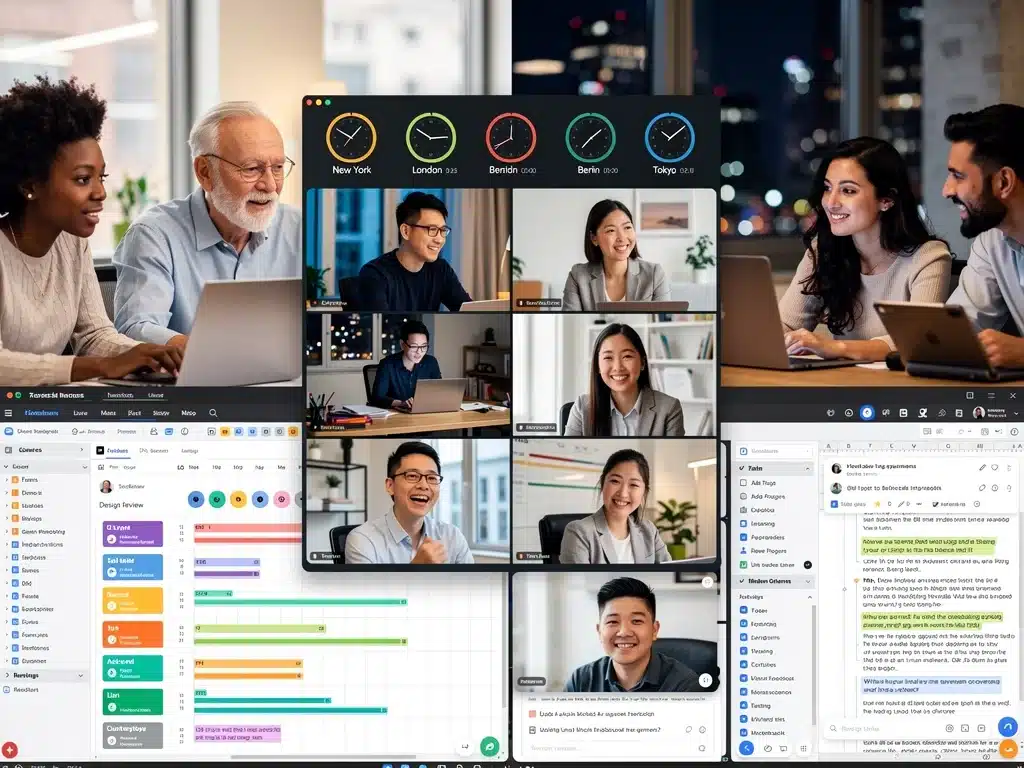
By applying this enhanced framework, you move from merely reacting to tasks to strategically orchestrating your time. This proactive stance significantly reduces wasted effort, minimizes stress, and ensures that your focus remains on activities that genuinely drive progress and fulfill your objectives. The Eisenhower Matrix 2.0 is an indispensable tool for anyone aiming to master the 2026 art of time management and consistently reclaim valuable hours each day, transforming a reactive schedule into a thoughtfully curated roadmap for success.
The Batching and Context Switching Minimization: Boosting Efficiency
In the modern workflow of 2026, context switching is a silent killer of productivity, eroding precious hours without a trace. The act of jumping from one unrelated task to another forces your brain to constantly reorient itself, leading to significant cognitive overhead and reduced efficiency. The method of batching, combined with a conscious effort to minimize context switching, is a powerful strategy to combat this phenomenon and significantly boost your daily output, directly contributing to regaining two hours daily.
Batching involves grouping similar tasks together and completing them in a dedicated block of time. This allows your brain to stay in a single cognitive mode, reducing the mental friction associated with task transitions. Think of it as creating a specialized assembly line for your mind, where efficiency is maximized by focusing on one type of operation at a time.
Implementing effective task batching
- Email and communication batching: Instead of checking emails and messages sporadically throughout the day, designate 2-3 specific times to process all communications. Respond to all queries in one go.
- Administrative task blocks: Group all administrative duties – filing, expense reports, scheduling non-critical appointments – into a single block each day or week.
- Content creation sessions: If your work involves writing, designing, or coding, dedicate specific, uninterrupted blocks for these creative tasks. Avoid interrupting these sessions with administrative or communication tasks.
- Meeting consolidation: Where possible, group internal meetings back-to-back to minimize the disruption caused by setting up and transitioning between separate meeting slots.
Minimizing context switching goes hand-in-hand with batching. It involves creating an environment and habits that discourage frequent task shifts. This could mean closing all irrelevant tabs and applications during a focused work block, using dedicated workspaces for different types of tasks, or even employing visual cues to signal your current focus.
The impact of batching and minimizing context switching is profound. Studies continue to show that the human brain can take up to 20 minutes to fully regain focus after a significant interruption or task switch. By reducing these transitions, you effectively eliminate these “lost” minutes, allowing for sustained periods of productive work. This not only makes you more efficient but also reduces mental fatigue, leading to higher quality output and a greater sense of accomplishment.
In 2026, where multitasking is often erroneously glorified, understanding and implementing batching and context switching minimization is a sophisticated approach to time management. It’s about respecting your brain’s cognitive limits and structuring your work to flow with them, rather than against them. This method empowers you to complete more in less time, freeing up those coveted hours for other pursuits and cementing your mastery of the 2026 art of time management.
Proactive Planning with Future-Proof Tools: Anticipating Tomorrow
In the dynamic landscape of 2026, effective time management is no longer just about managing the present; it’s about intelligently anticipating and planning for the future. Proactive planning, powered by advanced future-proof tools, is a cornerstone method for consistently regaining two hours daily. This approach moves beyond reactive scheduling to a predictive model, allowing you to sidestep potential obstacles and optimize your long-term workflow.
Future-proof tools in 2026 encompass a range of technologies, from AI-driven predictive analytics that forecast project needs and resource availability to integrated smart ecosystems that automate planning based on your goals and habits. The goal is to create a resilient schedule that adapts to change while keeping you on track for your objectives.
Integrating predictive analytics into your planning
- AI-powered project forecasting: Utilize tools that analyze historical data and current trends to predict project completion times, potential delays, and resource requirements, allowing for earlier adjustments.
- Personalized habit formation AI: Leverage AI assistants that learn your work patterns, energy levels, and procrastination triggers to suggest optimal times for tasks and help you build sustainable habits.
- Smart calendar integration: Beyond basic scheduling, 2026 calendars can integrate with your project management tools, communication platforms, and even personal health data to provide holistic insights into your availability and capacity.
- Automated reminder systems: Intelligent systems can not only remind you of deadlines but also proactively prompt you to start tasks based on predicted effort and your personal working style, ensuring you stay ahead.
Proactive planning also involves regularly reviewing your goals and adjusting your trajectory. This isn’t a one-time setup but an ongoing process of refinement. By periodically checking in with your long-term objectives, you ensure that your daily tasks are always aligned with your ultimate vision, preventing wasted effort on misaligned activities.
The beauty of proactive planning with future-proof tools is that it shifts your mindset from constantly putting out fires to strategically building a robust and efficient workflow. It provides a sense of control and reduces the mental load associated with uncertainty. By investing time in intelligent planning, you reap exponential rewards in efficiency and peace of mind, consistently finding those extra hours in your day. This method is about building a time management system that not only works for today but actively prepares you for the challenges and opportunities of tomorrow, solidifying your command over the 2026 art of time management.
Mindful Breaks and Recovery: Sustaining Peak Performance
While the previous methods focus on optimizing work and eliminating distractions, true mastery of time management in 2026 recognizes the critical role of mindful breaks and recovery. Pushing oneself relentlessly without adequate rest is a recipe for burnout and diminished productivity, ultimately costing more time than it saves. Incorporating strategic pauses and recovery practices is not a sign of weakness but a powerful strategy to sustain peak performance and, paradoxically, regain hours by enhancing the quality of your working time.
Mindful breaks are short periods of intentional disengagement from work, designed to refresh your mind and body. Recovery, on the other hand, encompasses longer periods of rest, such as adequate sleep and leisure activities, which are essential for long-term cognitive function and emotional well-being.
Structuring your day for optimal recovery
- The Pomodoro technique (2026 edition): Beyond the traditional 25/5 minute split, use biometric feedback from wearables to customize your work-to-break ratio based on your unique energy fluctuations.
- Micro-breaks with purpose: Instead of mindlessly scrolling during short breaks, engage in activities that genuinely refresh you – a quick stretch, a walk around the block, deep breathing exercises, or a few minutes of meditation.
- Digital sunset: Establish a strict cutoff time for all work-related digital devices in the evening to ensure quality sleep. Blue light filters and ‘sleep mode’ apps can assist in this transition.
- Scheduled leisure and hobbies: Actively plan non-work activities that bring you joy and allow for mental decompression. Treat these as important appointments that contribute to your overall well-being and sustained productivity.
The science behind breaks and recovery is clear: regular pauses prevent decision fatigue, improve concentration, and enhance problem-solving abilities. When you return from a mindful break, you’re not just rested; you’re often more creative and capable of tackling challenges with renewed vigor. This translates into tasks being completed more efficiently and effectively, preventing the need for rework and ultimately saving time.
Furthermore, prioritizing sleep is non-negotiable. Wearable technology in 2026 can provide sophisticated insights into your sleep patterns, helping you optimize your sleep environment and routine for maximum restorative benefits. A well-rested mind is a productive mind, capable of focused work and resilient decision-making. By consciously integrating mindful breaks and prioritizing recovery, you’re not just managing your time; you’re managing your energy, ensuring that when you are working, you are operating at your absolute best. This holistic approach is fundamental to mastering the 2026 art of time management and consistently reclaiming significant hours in your daily life, not by working more, but by working smarter and living healthier.
| Key Method | Brief Description |
|---|---|
| Deep Work Revival | Cultivating distraction-free concentration for high-value tasks, often aided by AI focus tools. |
| Strategic Delegation & Automation | Offloading routine tasks to AI or team members, optimizing personal bandwidth for critical work. |
| Digital Detox Protocol | Intentionally creating boundaries with technology to reduce cognitive overload and enhance focus. |
| Eisenhower Matrix 2.0 | Dynamic prioritization framework integrating predictive analytics and energy levels for task management. |
Frequently Asked Questions About 2026 Time Management
Effective time management in 2026 is defined by a blend of human intentionality and advanced technological leverage. It emphasizes deep work, strategic delegation, digital boundaries, and dynamic prioritization, moving beyond traditional methods to integrate AI and predictive analytics for optimized personal and professional productivity in a fast-paced environment.
AI can significantly contribute by automating routine tasks like scheduling, data entry, and preliminary report generation. It also assists in identifying prime deep work times, predicting task urgency, and personalizing habit formation, thereby freeing up valuable human cognitive resources and reducing time spent on administrative overhead.
A full digital detox is not always necessary for everyone. Milder approaches, such as scheduled unplugged blocks, aggressive notification management, and single-purpose device usage, can be highly effective. The key is intentionality and creating boundaries that reduce cognitive overload without completely disconnecting from essential digital tools.
The Eisenhower Matrix 2.0 is an evolution of the classic Urgent/Important framework. It differs by integrating predictive analytics to forecast task urgency, leveraging AI for automated delegation, and aligning tasks with personal energy levels and long-term values. This creates a more dynamic and proactive prioritization system for complex modern workflows.
Mindful breaks and recovery are crucial because they prevent burnout, enhance cognitive function, and sustain peak performance. Regular pauses improve concentration and problem-solving, while adequate sleep and leisure activities restore mental and physical energy. This holistic approach ensures that working hours are more productive and efficient, ultimately saving time.
Conclusion
Mastering the 2026 art of time management is an ongoing journey of adaptation and strategic implementation. By embracing deep work, leveraging strategic delegation and automation, practicing digital detox, and applying the Eisenhower Matrix 2.0, individuals can effectively regain two hours daily. These methods, when combined with mindful breaks and proactive planning, create a comprehensive framework for not just managing time, but optimizing energy, focus, and overall well-being in an increasingly demanding world. The future of productivity lies in smart, intentional choices that empower us to live more balanced and impactful lives.