2026 Guide to Stress Reduction: 5 Simple Techniques for Daily Relief
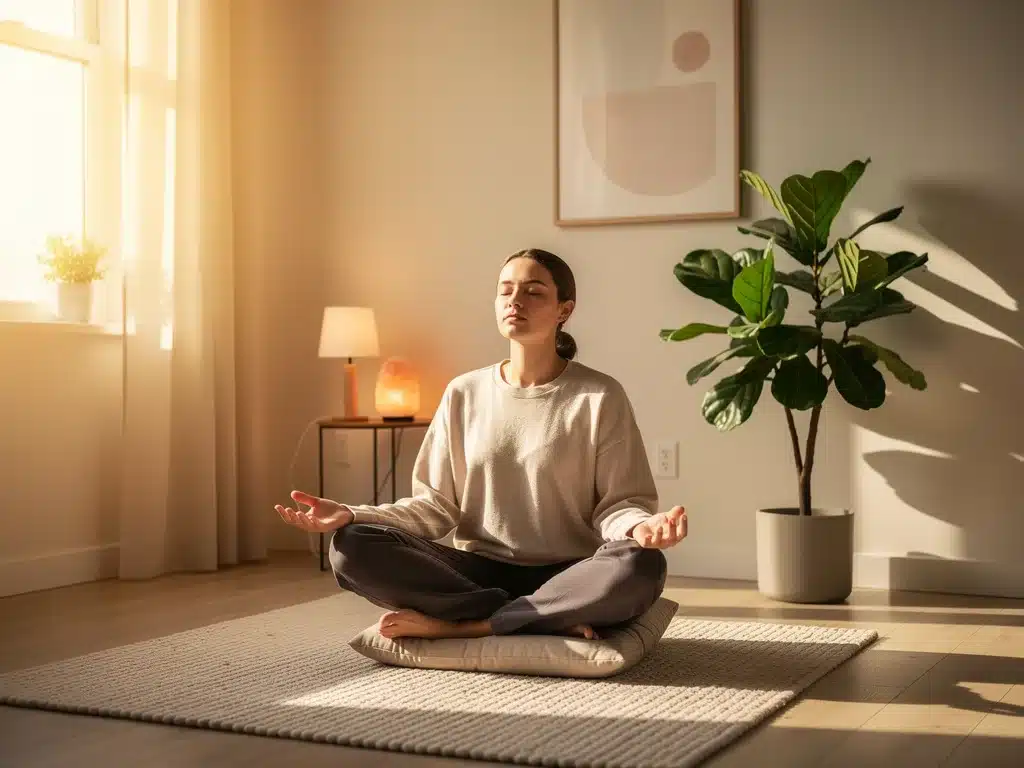
Implementing daily stress reduction techniques such as mindful breathing and purposeful movement can significantly enhance mental well-being and resilience against the pressures of modern life.
In our increasingly fast-paced world, managing stress has become not just a recommendation but a necessity for overall well-being. The 2026 Guide to Stress Reduction: 5 Simple Techniques for Daily Relief offers practical, actionable strategies to navigate the complexities of modern life with greater calm and resilience. This guide delves into accessible methods, ensuring that anyone, regardless of their schedule, can integrate effective stress-relief practices into their daily routine. From ancient wisdom adapted for contemporary living to scientifically-backed approaches, we explore how small, consistent efforts can lead to profound changes in your mental and emotional landscape, fostering a healthier and more balanced existence.
Understanding the modern stress landscape
The year 2026 presents a unique set of challenges that contribute to elevated stress levels across the population. Technological advancements, while bringing convenience, often blur the lines between work and personal life, leading to an ‘always-on’ culture. Economic uncertainties, global events, and the constant influx of information from various digital platforms can create a pervasive sense of anxiety and overwhelm. Understanding these underlying factors is the first step toward effectively mitigating their impact on our daily lives. Stress isn’t just a mental state; it manifests physically, affecting sleep, digestion, and even immune function.
Recognizing the signs of chronic stress is crucial for early intervention. These can include persistent fatigue, irritability, difficulty concentrating, changes in appetite, and increased muscle tension. Ignoring these signals can lead to more severe health issues over time, making proactive stress management an indispensable component of modern health and wellness. Our collective well-being is intrinsically linked to how we individually manage these pressures, highlighting the importance of accessible and effective stress reduction techniques.
The impact of digital overload
Constant connectivity, while beneficial in many ways, has a dark side: digital overload. The incessant notifications, emails, and social media feeds can overwhelm our cognitive processes, leading to decision fatigue and heightened anxiety. This digital noise makes it challenging to find moments of quiet reflection, which are essential for mental restoration.
- Reduced attention span: The need to constantly switch tasks diminishes our ability to focus deeply.
- Sleep disruption: Blue light from screens and late-night scrolling interfere with natural sleep cycles.
- Social comparison: Curated online personas can lead to feelings of inadequacy and self-doubt.
- Information fatigue: The sheer volume of news and data can be mentally exhausting.
Furthermore, the pressure to respond immediately to messages can create a sense of urgency that contributes to chronic stress. Establishing digital boundaries and implementing ‘tech-free’ times are vital strategies to combat this pervasive issue, allowing our minds to decompress and recharge. It’s about finding a balance where technology serves us, rather than dominating our mental space.
The modern stress landscape demands a multi-faceted approach to well-being. It’s not enough to simply cope; we must actively cultivate resilience and implement strategies that protect our mental and physical health from the relentless demands of contemporary living. This foundational understanding sets the stage for exploring practical techniques that can make a tangible difference.
Technique 1: mindful breathing for instant calm
One of the most immediate and accessible methods for stress reduction is mindful breathing. This technique involves consciously focusing on your breath, observing its rhythm, depth, and sensation without judgment. In moments of heightened stress or anxiety, our breathing often becomes shallow and rapid, exacerbating the body’s ‘fight or flight’ response. By deliberately slowing down and deepening our breath, we can activate the parasympathetic nervous system, signaling to our body that it is safe to relax. This simple act can profoundly shift our physiological and psychological state, offering an instant calm.
Mindful breathing isn’t about controlling your breath perfectly, but rather about bringing your attention to it. It’s a practice that can be done anywhere, at any time, making it an incredibly powerful tool for daily relief. Whether you’re stuck in traffic, facing a challenging meeting, or simply feeling overwhelmed, taking a few moments to engage in conscious breathing can provide a much-needed mental reset. The beauty of this technique lies in its simplicity and its profound impact on your nervous system, promoting a sense of peace and clarity.
The 4-7-8 breathing method
Among various mindful breathing exercises, the 4-7-8 method stands out for its effectiveness in promoting relaxation and aiding sleep. Developed by Dr. Andrew Weil, this technique is easy to learn and can be practiced by anyone.
- Inhale for 4 counts: Breathe in quietly through your nose for a count of four.
- Hold for 7 counts: Hold your breath for a count of seven.
- Exhale for 8 counts: Exhale completely through your mouth, making a ‘whoosh’ sound, for a count of eight.
- Repeat: Complete three more breaths for a total of four breaths.
This method helps to slow the heart rate and calm the mind by increasing oxygen to the lungs and promoting a fuller exhalation, which expels more carbon dioxide. Regular practice of the 4-7-8 breathing technique can significantly reduce daily stress and improve overall sleep quality. It’s a powerful tool to quickly shift your body from a state of stress to one of relaxation, demonstrating the incredible power of conscious breath control.
Incorporating mindful breathing into your daily routine, even for just a few minutes, can create a cumulative effect, building your resilience to stress over time. It serves as a reminder that we always have access to a powerful internal mechanism for self-regulation and peace.
Technique 2: incorporating purposeful movement
Beyond structured exercise, purposeful movement involves integrating mindful physical activity into your daily life to alleviate stress. This doesn’t necessarily mean hitting the gym for an hour; it can be as simple as taking a brisk walk during your lunch break, practicing gentle stretching in the morning, or even dancing to your favorite music. The key is intentionality – moving your body with awareness and purpose, rather than just as a means to an end. Physical activity releases endorphins, natural mood elevators, and helps to reduce the levels of stress hormones like cortisol and adrenaline. It also provides a valuable distraction from worries, allowing your mind to focus on the present moment.
In 2026, with many jobs involving prolonged periods of sitting, purposeful movement becomes even more critical. Sedentary lifestyles contribute to both physical and mental health issues, including increased stress and anxiety. By actively seeking opportunities to move, we counteract these negative effects, promoting better circulation, improved energy levels, and a clearer mind. The goal is to find activities you genuinely enjoy, making movement a source of pleasure and stress relief rather than another chore on your to-do list.
Gentle yoga and stretching
Gentle yoga and stretching are excellent forms of purposeful movement that combine physical activity with mindfulness. These practices not only improve flexibility and strength but also encourage deep breathing and body awareness, directly addressing physical tension caused by stress.
- Morning stretches: Start your day with a 10-minute stretching routine to awaken your body and mind.
- Desk yoga: Incorporate simple stretches at your desk to alleviate tension in the neck, shoulders, and back.
- Evening wind-down: Practice gentle yoga poses before bed to relax muscles and prepare for sleep.
- Mindful walks: Turn your walks into a meditative experience by focusing on your breath and surroundings.
These activities don’t require extensive training or equipment, making them accessible to almost everyone. The focus is on listening to your body and moving in a way that feels nourishing and calming. Regular engagement with gentle movement can significantly reduce chronic pain, improve posture, and provide a consistent outlet for emotional release, contributing to a more balanced and less stressed life.
Purposeful movement serves as a powerful antidote to the sedentary and often stressful demands of modern living. By consciously integrating physical activity into our routines, we can enhance both our physical and mental resilience, fostering a greater sense of well-being and control over our stress levels.

Technique 3: the power of digital detox
In an era dominated by screens and constant connectivity, the concept of a digital detox has gained immense traction as a vital stress reduction technique. A digital detox involves intentionally disconnecting from electronic devices and the internet for a period to reduce mental clutter and reclaim focus. The relentless stream of notifications, emails, and social media updates can lead to information overload, anxiety, and a perpetual sense of being ‘on call.’ By stepping away from these digital demands, we allow our minds to rest, process information more effectively, and engage with the physical world around us.
Implementing a digital detox doesn’t necessarily mean abandoning technology entirely; it’s about creating healthy boundaries. This could involve designating specific times of the day or week as ‘tech-free zones,’ or even taking a full day or weekend away from all devices. The benefits extend beyond reduced stress, encompassing improved sleep quality, enhanced creativity, better interpersonal relationships, and a renewed sense of presence. It’s an opportunity to reconnect with oneself and others without the constant interference of the digital realm, fostering a deeper sense of calm and clarity.
Setting healthy digital boundaries
Establishing clear boundaries with technology is fundamental to a successful digital detox and sustainable stress management. This involves conscious decisions about when, where, and how you engage with your devices.
- Scheduled ‘unplug’ times: Designate specific hours each day, such as before bed or during meals, as device-free.
- Notification management: Turn off non-essential notifications to reduce interruptions and the urge to constantly check your phone.
- Tech-free zones: Create areas in your home, like the bedroom, where devices are not allowed.
- Mindful consumption: Be intentional about what content you consume online, prioritizing quality over quantity.
These boundaries help to prevent digital creep into every aspect of your life, protecting your mental space from constant demands. By consciously controlling your digital interactions, you regain agency over your attention and energy, significantly reducing the background hum of digital stress. It’s a proactive step towards a more balanced relationship with technology, promoting mental peace and allowing for genuine rest and rejuvenation.
The digital detox is not just a temporary break but a lifestyle adjustment that encourages a more mindful approach to technology. By integrating these practices, individuals can significantly reduce their daily stress, improve their focus, and foster a greater sense of well-being in an increasingly connected world.
Technique 4: cultivating gratitude and positive affirmation
Shifting one’s perspective towards gratitude and positive affirmation is a powerful, yet often underestimated, stress reduction technique. In the face of daily challenges, it’s easy to get caught up in negative thought patterns, which can amplify stress and anxiety. By consciously practicing gratitude, we train our minds to focus on the good aspects of our lives, no matter how small. This intentional shift can reframe our perception of difficulties, making them feel less overwhelming and fostering a more optimistic outlook. Positive affirmations, on the other hand, involve repeating uplifting statements to oneself, which can help to reprogram negative self-talk and build self-esteem.
The science behind gratitude and affirmations is compelling. Research indicates that regularly practicing gratitude can lead to increased feelings of happiness, reduced symptoms of depression, and improved physical health. Similarly, affirmations can bolster self-efficacy and resilience, enabling individuals to better cope with stressful situations. These practices are not about ignoring problems but rather about building a stronger mental foundation from which to address them. They serve as a daily mental exercise, strengthening our capacity for joy and inner peace, even amidst adversity.
Starting a gratitude journal
A simple yet effective way to cultivate gratitude is by starting a gratitude journal. This involves regularly writing down things you are thankful for, helping to solidify positive thoughts and create a habit of appreciation.
- Daily practice: Dedicate 5-10 minutes each day to write down at least three things you are grateful for.
- Be specific: Instead of generic statements, describe why you are grateful for each item.
- Focus on experiences: Include experiences, relationships, and small moments of joy, not just material possessions.
- Review regularly: Occasionally reread your entries to reinforce positive feelings and perspectives.
Beyond journaling, integrating positive affirmations into your daily routine can further enhance your mental well-being. Start your day with affirmations like ‘I am capable and strong,’ or ‘I approach challenges with confidence.’ These statements, when repeated consistently, can gradually shift your internal dialogue from self-criticism to self-support, reducing stress and promoting a more positive self-image. The combined effect of gratitude and affirmations creates a powerful mental shield against the pressures of modern life, fostering resilience and a deeper sense of contentment.
Cultivating gratitude and practicing positive affirmations are more than just feel-good exercises; they are fundamental tools for mental resilience. By consciously choosing to focus on the positive and reinforce empowering beliefs, individuals can significantly reduce their stress levels and enhance their overall quality of life.

Technique 5: prioritizing restorative sleep
In the constant rush of modern life, sleep is often the first thing to be sacrificed, yet prioritizing restorative sleep is one of the most critical stress reduction techniques. A lack of adequate, quality sleep significantly impairs our ability to cope with stress, affecting mood, cognitive function, and physical health. During sleep, our bodies repair themselves, and our brains process information, consolidate memories, and regulate emotions. When this essential process is disrupted, we become more irritable, less focused, and more susceptible to the negative impacts of stress. Aiming for 7-9 hours of uninterrupted sleep each night is not a luxury, but a fundamental requirement for optimal mental and physical well-being.
The quality of sleep is just as important as the quantity. Restorative sleep means entering deep sleep cycles that allow the body and mind to truly recover. Factors such as irregular sleep schedules, excessive screen time before bed, and poor sleep environments can all detract from sleep quality, leading to persistent fatigue and heightened stress levels. In 2026, with the increasing awareness of sleep’s role in health, more emphasis is being placed on developing healthy sleep habits as a cornerstone of stress management. Investing in good sleep hygiene is an investment in your overall resilience and ability to handle daily pressures.
Creating an optimal sleep environment
Transforming your bedroom into a sanctuary for sleep is a crucial step towards achieving restorative rest. A conducive sleep environment can significantly improve sleep quality and, consequently, your ability to manage stress.
- Darkness: Ensure your room is as dark as possible to promote melatonin production. Use blackout curtains if necessary.
- Cool temperature: Keep your bedroom cool, ideally between 60-67°F (15-19°C), to facilitate sleep.
- Quiet: Minimize noise distractions. Consider earplugs or a white noise machine if your environment is noisy.
- Comfort: Invest in a comfortable mattress and pillows that support good posture.
Beyond the physical environment, establishing a consistent bedtime routine can signal to your body that it’s time to wind down. This routine might include reading a book, taking a warm bath, or practicing gentle stretches. Avoiding caffeine and heavy meals close to bedtime, as well as limiting screen time, are also vital components of good sleep hygiene. By consciously optimizing your sleep environment and habits, you empower your body and mind to fully recover, significantly reducing stress and enhancing your daily functioning.
Prioritizing and protecting your sleep is a non-negotiable aspect of effective stress reduction. By creating an environment and routine that supports restorative rest, you build a strong foundation for mental resilience and overall well-being, allowing you to face daily challenges with renewed energy and a calmer disposition.
Integrating techniques for holistic well-being
While each of the five stress reduction techniques offers significant benefits individually, their true power lies in their integration. Adopting a holistic approach means weaving these practices into the fabric of your daily life, creating a comprehensive strategy for sustained well-being. It’s not about adding more tasks to an already busy schedule, but rather about making mindful choices that prioritize your mental and physical health. Imagine starting your day with a few minutes of mindful breathing, followed by a short purposeful walk, then consciously limiting screen time, practicing gratitude, and finally, ensuring you get restorative sleep. This synergistic approach amplifies the positive effects of each technique, building a robust defense against stress.
The key to successful integration is consistency and flexibility. Life happens, and some days it might be challenging to adhere perfectly to every practice. The goal is progress, not perfection. By being adaptable and understanding that some days will be better than others, you avoid the added stress of self-criticism. The cumulative effect of small, consistent efforts will gradually transform your relationship with stress, moving from a reactive state to a proactive one. This integrated approach fosters not just temporary relief, but a lasting foundation for mental resilience and emotional balance, preparing you for the challenges of 2026 and beyond.
Developing a personalized stress management plan
Building a personalized stress management plan involves identifying which techniques resonate most with you and how they can realistically fit into your lifestyle. There’s no one-size-fits-all solution, and what works for one person might not work for another.
- Self-assessment: Reflect on your current stress triggers and how you typically react to them.
- Experimentation: Try different techniques and observe their impact on your mood and energy levels.
- Schedule integration: Look for natural points in your day where you can seamlessly incorporate a chosen practice.
- Accountability: Share your plan with a trusted friend or family member for support and encouragement.
For instance, if your mornings are hectic, perhaps a quick 4-7-8 breathing exercise in the shower or during your commute is more feasible than a full yoga session. If digital overload is a major stressor, committing to a daily ‘digital sunset’ an hour before bed can be transformative. The objective is to create a sustainable routine that feels empowering rather than burdensome, gradually building habits that support your mental and emotional health. This personalized plan evolves with you, adapting to life’s changes and continuously strengthening your ability to navigate stress with grace and effectiveness.
Integrating these stress reduction techniques is about crafting a lifestyle that actively promotes well-being. By combining mindful breathing, purposeful movement, digital detox, gratitude, and restorative sleep, individuals can cultivate a holistic approach to managing stress, leading to a more balanced, peaceful, and resilient existence in the modern world.
| Key Technique | Brief Description |
|---|---|
| Mindful Breathing | Consciously focusing on breath to activate relaxation response and calm the nervous system. |
| Purposeful Movement | Integrating intentional physical activity like walking or stretching to release endorphins and reduce stress hormones. |
| Digital Detox | Intentionally disconnecting from electronic devices to reduce information overload and reclaim focus. |
| Restorative Sleep | Prioritizing 7-9 hours of quality sleep to repair the body and regulate emotions for better stress coping. |
Frequently asked questions about stress reduction
Mindful breathing can offer immediate stress reduction, often within minutes of starting the practice. By slowing your breath and focusing your attention, you activate your parasympathetic nervous system, which helps calm your body and mind almost instantly. Consistent practice enhances its effectiveness over time.
Purposeful movement involves integrating intentional physical activity into daily life, such as mindful walks or gentle stretching, rather than just structured workouts. It focuses on moving with awareness to release endorphins and reduce stress, often being less intense and more integrated than traditional exercise.
A complete digital detox isn’t always necessary; establishing healthy digital boundaries is often sufficient. This involves setting specific ‘tech-free’ times or zones to reduce information overload and reclaim focus. The goal is a balanced relationship with technology, not total abstinence, to manage stress effectively.
Gratitude journaling helps reduce stress by shifting your focus to positive aspects of your life. Regularly writing down things you’re thankful for trains your mind to recognize and appreciate the good, fostering optimism and resilience. This practice can reframe challenges and diminish feelings of overwhelm.
Restorative sleep includes 7-9 hours of uninterrupted, quality rest in an optimal environment. Key elements are a dark, cool, quiet room and a consistent sleep schedule. Avoiding screens and heavy meals before bed also contributes significantly to achieving the deep sleep cycles necessary for bodily repair and emotional regulation.
Conclusion
Navigating the complexities of 2026 demands a proactive and integrated approach to stress management. The 2026 Guide to Stress Reduction: 5 Simple Techniques for Daily Relief underscores that true well-being is not found in avoiding stress, but in cultivating resilience through consistent, mindful practices. By integrating mindful breathing, purposeful movement, strategic digital detoxes, gratitude, and prioritizing restorative sleep, individuals can forge a robust defense against the pressures of modern life. These techniques, though simple, offer profound benefits, empowering you to reclaim calm, enhance mental clarity, and live a more balanced and fulfilling life. Embracing these practices is an investment in your long-term health and happiness, transforming daily challenges into opportunities for growth and inner peace.