Developing New Hobbies in 2026: 10 Creative Ideas
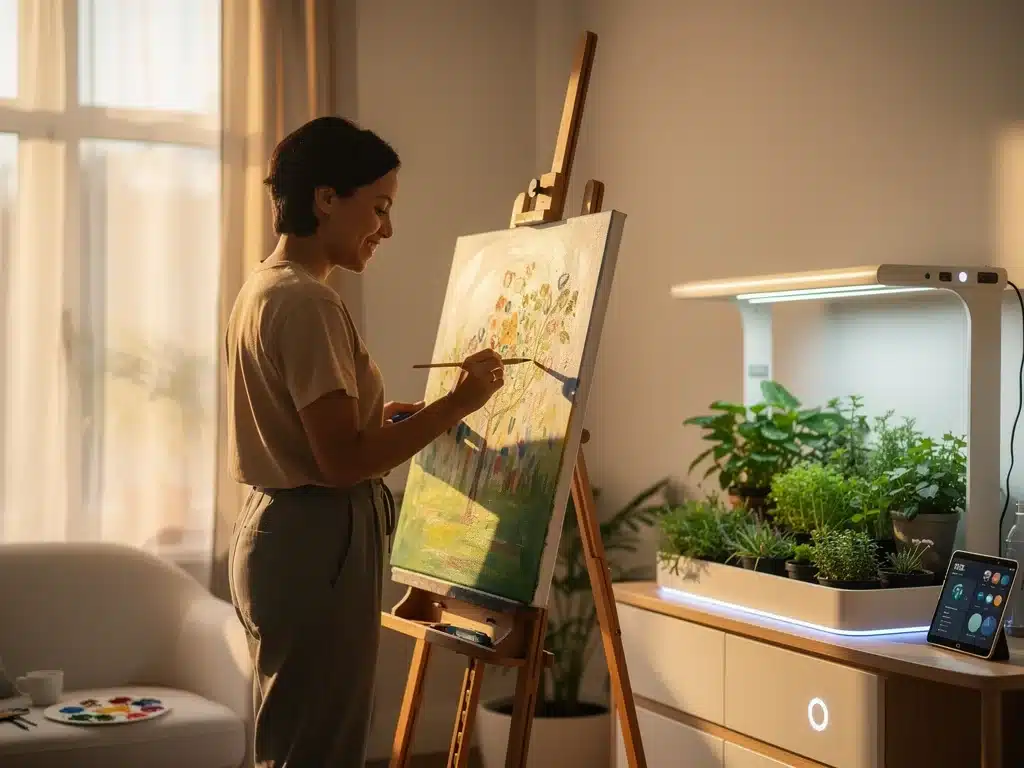
Developing new hobbies in 2026 offers a powerful pathway to personal enrichment, stress reduction, and skill acquisition, significantly enhancing overall well-being and daily satisfaction through engaging activities.
As we step into 2026, the opportunity to embrace new experiences and enrich our lives has never been more appealing. The concept of developing new hobbies transcends mere leisure; it’s a proactive step towards personal growth, mental well-being, and discovering untapped potential. This article will explore 10 creative and fulfilling ideas to help you find your next passion and significantly boost your daily life.
The transformative power of new hobbies
Engaging in new hobbies offers a profound impact on our psychological and emotional states. It provides a much-needed break from the daily grind, allowing our minds to explore different avenues and challenges. This mental shift can lead to increased creativity, improved problem-solving skills, and a greater sense of accomplishment.
Beyond the personal benefits, hobbies can also foster social connections. Many activities are best enjoyed in groups, providing opportunities to meet like-minded individuals and build strong communities. These connections are vital for our overall happiness and can combat feelings of isolation, which have become increasingly prevalent in modern society.
Boosting mental well-being
One of the most significant advantages of adopting new hobbies is their capacity to enhance mental well-being. Activities that require focus and engagement can act as a form of mindfulness, drawing your attention away from stressors and into the present moment. This can reduce anxiety and depression, promoting a calmer, more centered state of mind.
- Stress reduction: Hobbies provide an outlet for stress, allowing you to decompress and recharge.
- Cognitive stimulation: Learning new skills keeps the brain active and can improve memory and cognitive function.
- Emotional regulation: Engaging in enjoyable activities can help regulate emotions and foster a more positive outlook.
Furthermore, the sense of mastery that comes with learning a new skill, no matter how small, can significantly boost self-esteem and confidence. This positive reinforcement can spill over into other areas of your life, making you more resilient and open to new challenges. The process of developing new hobbies is a journey of self-discovery and continuous improvement, offering endless rewards for those willing to embark on it.
Creative writing and storytelling
For those with a penchant for words and imagination, delving into creative writing or storytelling can be an incredibly rewarding hobby. This pursuit allows you to build entire worlds, develop compelling characters, and explore complex themes, all from the comfort of your own home. It’s a powerful way to express yourself and connect with others through narrative.
Whether you choose to write short stories, poetry, a novel, or even screenplays, the act of putting thoughts onto paper can be therapeutic. It hones your ability to articulate ideas clearly and creatively, skills that are valuable in many aspects of life. In 2026, with the rise of digital platforms, sharing your work and receiving feedback has never been easier, opening doors to a global community of writers.
Exploring different genres
Creative writing isn’t limited to a single style. There’s a vast spectrum of genres to explore, each offering unique challenges and opportunities for expression. Experimenting with different forms can help you discover your true literary voice and broaden your creative horizons.
- Fantasy/Sci-Fi: Build intricate worlds and explore imaginative concepts.
- Mystery/Thriller: Craft suspenseful plots and keep readers on the edge of their seats.
- Memoir/Autobiography: Share personal experiences and insights in a compelling narrative.
Beyond traditional writing, consider exploring digital storytelling formats like podcasting or interactive fiction. These mediums combine writing with other creative elements, such as audio production or game design, offering a multifaceted approach to narrative creation. The beauty of creative writing lies in its boundless potential, allowing you to continuously evolve and refine your craft. It is a journey that can provide immense personal satisfaction and potentially lead to unexpected opportunities.
Digital art and graphic design
In an increasingly visual world, digital art and graphic design have emerged as popular and accessible creative outlets. With a wealth of software and online tutorials available, anyone can begin to explore their artistic side without needing traditional art supplies. This hobby allows for immense flexibility and the ability to create stunning visuals for various purposes.
From digital painting and illustration to creating logos and web graphics, the possibilities are vast. Learning these skills can not only be personally fulfilling but also open up avenues for freelance work or contributing to community projects. The digital medium offers unique advantages, such as undo functions and a wide array of brushes and effects, making it an excellent starting point for aspiring artists.
Tools and techniques
Getting started in digital art often involves choosing the right software and understanding basic design principles. Popular programs like Adobe Photoshop, Illustrator, and Procreate (for iPad) offer powerful tools, but free alternatives like GIMP and Krita are also excellent for beginners. Understanding color theory, composition, and typography are fundamental to creating visually appealing designs.
Many online courses and communities provide structured learning paths, making it easier to grasp complex concepts. Experimenting with different styles and techniques is crucial for finding your unique artistic voice. Digital art is a dynamic field that constantly evolves, offering endless opportunities for learning and growth. The ability to create and share digital artwork can be a source of immense pride and connection.
Urban gardening and sustainable living
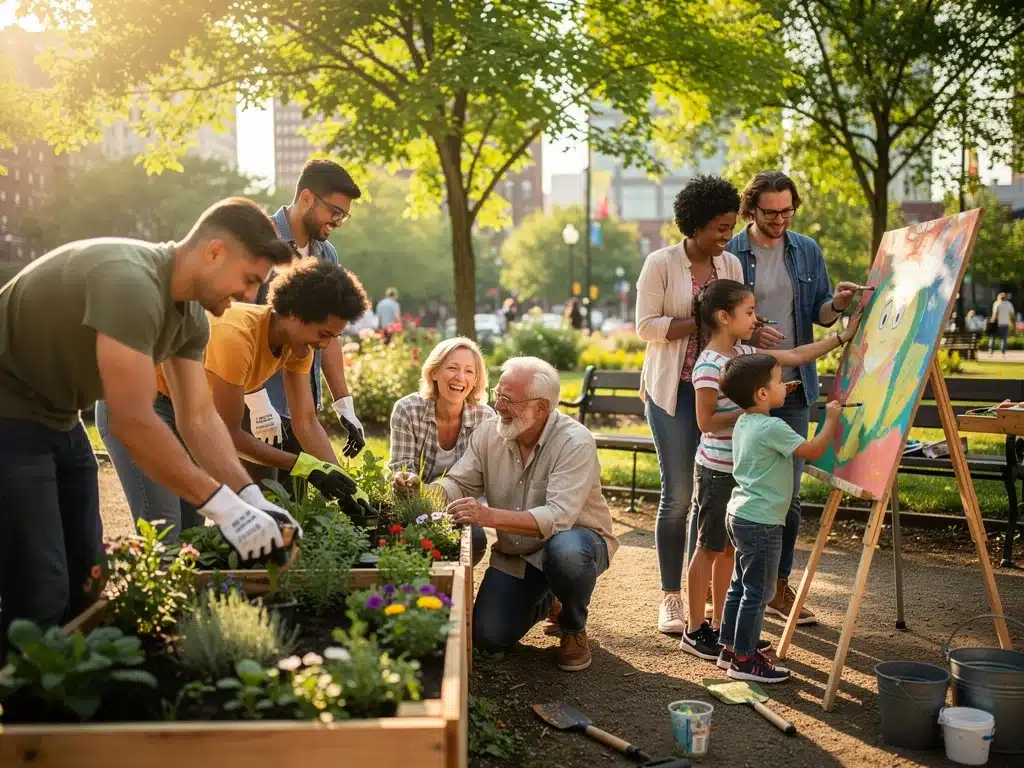
As awareness of environmental issues grows, urban gardening and sustainable living practices are gaining traction as meaningful hobbies. This involves cultivating plants in urban environments, often in small spaces like balconies or rooftops, and adopting eco-friendly habits in daily life. It’s a hands-on way to connect with nature, produce your own food, and contribute to a greener planet.
Urban gardening can range from growing herbs on a windowsill to establishing a community garden plot. It teaches patience, responsibility, and an understanding of ecological cycles. Beyond growing food, sustainable living encompasses practices like composting, reducing waste, and conserving energy, all of which can be integrated into a fulfilling hobby.
Benefits of green living
Engaging in urban gardening and sustainable practices offers numerous benefits, both personal and environmental. The act of nurturing plants can be incredibly therapeutic, reducing stress and improving mental clarity. Producing your own food ensures freshness and can lead to healthier eating habits.
- Food security: Grow fresh produce, reducing reliance on commercial supply chains.
- Environmental impact: Contribute to local biodiversity and reduce your carbon footprint.
- Community building: Participate in local gardening groups and share knowledge and harvests.
Furthermore, sustainable living encourages a mindful approach to consumption and resource management. It fosters a deeper appreciation for the environment and can inspire others to adopt similar practices. This hobby is not only about cultivating plants but also about cultivating a more conscious and harmonious way of living, providing tangible rewards and a sense of purpose.
Learning a new musical instrument
The joy of creating music is a timeless pursuit, and 2026 is an excellent year to embark on the journey of learning a new musical instrument. Whether it’s the guitar, piano, ukulele, or something more unconventional, music offers a unique blend of intellectual challenge and emotional expression. It’s a hobby that can provide endless hours of practice, performance, and personal satisfaction.
Learning an instrument engages multiple parts of the brain, improving coordination, memory, and concentration. It also provides a creative outlet for emotions and can be a powerful tool for stress relief. With abundant online resources, including tutorials, apps, and virtual lessons, starting your musical journey is more accessible than ever before.
Choosing your instrument
Selecting the right instrument is a personal choice, often influenced by musical taste, availability, and individual learning style. Some instruments, like the ukulele, are known for being relatively easy to pick up for beginners, while others, like the violin, require more dedication and patience. Consider what kind of music you enjoy and what kind of sound resonates with you.
- Guitar: Versatile and popular, suitable for various genres.
- Piano/Keyboard: Excellent for understanding music theory and composition.
- Drums: Great for rhythm and energy, a fantastic stress reliever.
Beyond individual practice, joining a local band or music group can add a social dimension to your hobby. Performing with others can be incredibly rewarding, fostering teamwork and creating memorable experiences. Learning a musical instrument is a lifelong journey of discovery, offering continuous opportunities for improvement and self-expression, enriching your daily life with melody and rhythm.
Coding and software development
In an increasingly digital world, coding and software development have moved beyond niche professional fields to become fascinating and highly rewarding hobbies. Learning to code empowers you to build your own applications, websites, or even simple games, transforming abstract ideas into functional realities. It’s a logical and creative pursuit that sharpens problem-solving skills and offers tangible results.
Starting with basic languages like Python or JavaScript, you can gradually tackle more complex projects. The satisfaction of seeing your code come to life, solving a problem, or creating something entirely new is immense. Moreover, coding fosters a mindset of continuous learning and adaptation, as technology is always evolving.
Building practical skills
Coding as a hobby isn’t just about personal enjoyment; it also equips you with highly valuable practical skills. These skills are transferable to many professional fields and can even lead to new career opportunities. The ability to understand and manipulate technology is a superpower in the modern age.
- Problem-solving: Coding teaches you to break down complex problems into manageable steps.
- Logical thinking: Develops systematic and analytical thought processes.
- Creativity: Design and build unique solutions to challenges.
Numerous free and paid online platforms, such as Codecademy, freeCodeCamp, and Coursera, offer structured learning paths for beginners. Engaging with coding communities can provide support, inspiration, and opportunities for collaboration. Whether you aim to build a personal project or simply understand the digital world better, developing coding skills can be a profoundly empowering and intellectually stimulating hobby.
Photography and videography
Capturing moments and telling stories through visuals is an art form that continues to captivate many. Photography and videography offer a dynamic and creative hobby, allowing you to document the world around you, express your unique perspective, and preserve memories. With advancements in camera technology, even smartphones can produce stunning results, making this hobby accessible to everyone.
From landscapes and portraits to street photography and documentary filmmaking, there are countless genres to explore. Learning about composition, lighting, and editing techniques can transform ordinary scenes into extraordinary works of art. This hobby encourages you to observe your surroundings more closely, fostering a deeper appreciation for beauty in everyday life.
Mastering the craft
Developing skills in photography and videography involves more than just pointing and shooting. It requires an understanding of technical aspects and artistic principles. Learning about aperture, shutter speed, ISO, and focal length are fundamental to taking control of your camera. Post-processing software like Adobe Lightroom and Premiere Pro can further enhance your visual creations.
Joining photography clubs or online communities provides opportunities for feedback, learning from experienced practitioners, and participating in photo walks or challenges. Experimenting with different subjects and styles will help you discover your niche and develop a distinctive visual voice. Photography and videography are not just about taking pictures; they are about seeing the world through a new lens, offering a powerful means of self-expression and connection.
Podcasting and audio production
The world of audio content has exploded, making podcasting and audio production an exciting hobby for those who love to share ideas, tell stories, or interview interesting people. Starting a podcast allows you to create your own radio show, on your own terms, reaching a global audience. It’s a creative outlet that combines research, writing, speaking, and technical skills.
Beyond just recording your voice, audio production involves learning about sound editing, mixing, and mastering to create a professional-sounding product. This hobby can be incredibly rewarding as you develop your voice, engage with listeners, and build a community around your chosen topics. It’s a fantastic way to develop communication skills and explore subjects you’re passionate about in depth.
Technical setup and content creation
Getting into podcasting requires a basic understanding of equipment and software. A good quality microphone is essential, and free editing software like Audacity or GarageBand can get you started. Learning about scriptwriting, interview techniques, and sound design will elevate the quality of your content and make it more engaging for listeners.
- Microphone selection: Invest in a decent microphone for clear audio.
- Editing software: Learn basic audio editing for a polished sound.
- Content planning: Outline episodes and research topics thoroughly.
Many online tutorials and communities are dedicated to helping aspiring podcasters. Sharing your passion and expertise through audio can be a deeply satisfying experience, allowing you to connect with an audience on a personal level. Podcasting and audio production offer a unique blend of creativity and technical challenge, making it a truly enriching hobby for 2026.
Board game design and development
For those who enjoy strategic thinking, creativity, and social interaction, designing and developing board games can be an incredibly engaging hobby. This pursuit involves conceptualizing game mechanics, crafting compelling themes, and iteratively testing your creations. It’s a collaborative and imaginative process that culminates in a playable product you can share with friends and family.
Board game design taps into various skills, from creative writing and illustration to logical problem-solving and user experience design. The satisfaction of seeing people enjoy a game you’ve created is immense. It’s a hobby that fosters critical thinking and encourages a playful approach to complex challenges, offering a unique blend of artistry and engineering.
From concept to playtesting
The journey of designing a board game typically begins with a core concept or mechanic. This evolves through prototyping, where you create simple versions of your game using readily available materials. Playtesting is a crucial phase, where you gather feedback from players to refine rules, balance gameplay, and identify areas for improvement.
Many online communities and local game design groups offer resources and support for aspiring designers. Learning about different game genres, player psychology, and effective rulebook writing are all part of the process. Board game design is a rewarding hobby that allows you to combine your passions for storytelling, strategy, and social interaction, creating experiences that bring joy to others.
Restoration and upcycling projects
In an age of conscious consumption, restoration and upcycling projects offer a practical and creative hobby that contributes to sustainability. This involves taking old, discarded, or worn-out items and transforming them into something new, functional, and aesthetically pleasing. It’s a hands-on activity that reduces waste, saves money, and allows for significant creative expression.
From refurbishing antique furniture to repurposing everyday objects into decorative pieces, the possibilities are endless. This hobby teaches valuable skills in carpentry, painting, upholstery, and various crafting techniques. The satisfaction of breathing new life into an old item and giving it a second chance is incredibly fulfilling, aligning with eco-friendly values.
Techniques and materials
Getting started with restoration and upcycling often involves learning basic techniques for cleaning, repairing, and finishing different materials. Understanding how to work with wood, metal, fabric, and paint is essential. Online tutorials, workshops, and local craft stores can provide guidance on tools and materials.
- Furniture restoration: Learn sanding, painting, and staining techniques.
- Textile upcycling: Transform old clothes into new garments or home decor.
- Repurposing objects: Turn discarded items into functional or artistic pieces.
This hobby encourages resourcefulness and an eye for potential in overlooked items. It’s a tangible way to practice sustainability and create unique pieces that reflect your personal style. Restoration and upcycling are not just about making things new again; they are about valuing what we have and finding beauty in the forgotten, offering a deeply satisfying and impactful creative outlet.
| Hobby Idea | Key Benefit |
|---|---|
| Creative Writing | Enhances expression and imagination. |
| Urban Gardening | Connects with nature, promotes sustainability. |
| Learning an Instrument | Boosts cognitive skills and emotional outlet. |
| Coding | Develops problem-solving and logical thinking. |
Frequently asked questions about new hobbies
Developing new hobbies is crucial for enhancing daily life by providing stress relief, fostering personal growth, stimulating creativity, and offering opportunities for social connection. They break routine and introduce fresh perspectives.
Consider your interests, what activities bring you joy, and what skills you wish to acquire. Experiment with different options, read reviews, and don’t be afraid to try something completely new. Self-reflection is key.
Yes, engaging in hobbies can significantly improve mental health by reducing stress, combating anxiety and depression, boosting self-esteem, and providing a sense of purpose and accomplishment. They offer a valuable mental escape.
Absolutely. Many hobbies are low-cost or free, such as walking, reading, creative writing, drawing, or urban gardening with recycled materials. Online resources often provide free tutorials and communities.
Prioritize your time by scheduling dedicated slots for your hobby, even if it’s just 15-30 minutes daily. Start small, be consistent, and integrate the hobby into existing routines. Small steps lead to big progress.
Conclusion
As we navigate the complexities of modern life, the importance of developing new hobbies cannot be overstated. They are not merely pastimes but essential components of a balanced and fulfilling existence. The 10 creative ideas presented here—from the intellectual challenge of coding to the tactile satisfaction of restoration projects—offer diverse pathways to personal enrichment. Embracing a new hobby in 2026 is an investment in your well-being, fostering creativity, reducing stress, and building valuable connections. Take the leap, explore what resonates with you, and discover the profound impact a new passion can have on your daily life.