Cultivating Gratitude Daily: 21-Day Challenge for Happier 2026
The 21-Day Challenge for a Happier 2026 provides a structured approach to integrate gratitude into daily life, fostering positive mental shifts and enhanced overall well-being through consistent practice.
Embarking on a journey of self-improvement often begins with small, consistent steps. The concept of Cultivating Gratitude Daily: A 21-Day Challenge for a Happier 2026 offers a powerful framework to transform your outlook and enhance your overall well-being. This challenge isn’t just about fleeting positive thoughts; it’s about embedding a profound sense of appreciation into the fabric of your everyday existence, paving the way for a more joyful and resilient new year.
Understanding the Power of Daily Gratitude
Gratitude is more than just saying ‘thank you’; it’s a profound appreciation for what is valuable and meaningful in your life. It’s a conscious acknowledgment of the good, both big and small, that often goes unnoticed amidst the hustle and bustle of daily life. Scientific research increasingly highlights the significant benefits of regularly practicing gratitude, extending far beyond transient positive emotions. It can profoundly reshape our neural pathways, influencing our perception of the world and our resilience to challenges.
Incorporating gratitude into your daily routine is not about ignoring life’s difficulties or pretending everything is perfect. Instead, it’s about developing a balanced perspective, recognizing that even in challenging times, there are elements of good to be found and appreciated. This practice allows us to shift our focus from what we lack to what we possess, cultivating a mindset of abundance rather than scarcity. The cumulative effect of these daily acknowledgments can lead to a more optimistic disposition, improved mental health, and stronger interpersonal relationships.
The Science Behind a Grateful Mind
Studies in positive psychology have consistently demonstrated that individuals who regularly practice gratitude report higher levels of happiness and lower levels of depression and stress. This isn’t merely anecdotal; neuroimaging studies show that gratitude can activate brain regions associated with moral cognition, reward, and social bonding. When we feel grateful, our brains release neurotransmitters like dopamine and serotonin, which are crucial for mood regulation and feelings of well-being.
- Dopamine Release: Boosts feelings of pleasure and reward, reinforcing the grateful behavior.
- Serotonin Production: Acts as a natural antidepressant, stabilizing mood and promoting calmness.
- Reduced Cortisol Levels: Lowers stress hormones, leading to better physical health outcomes.
- Enhanced Neuroplasticity: Over time, gratitude can literally rewire the brain, creating new neural pathways that favor positive thinking.
Furthermore, gratitude encourages us to be more present and mindful. By actively seeking out things to be thankful for, we become more attuned to our surroundings and experiences, reducing the tendency to dwell on past regrets or future anxieties. This present-moment awareness is a cornerstone of mindfulness practices, which are also widely recognized for their mental health benefits. The synergy between gratitude and mindfulness creates a powerful foundation for sustained happiness and resilience.
Ultimately, understanding the power of daily gratitude means recognizing its potential as a transformative tool. It’s a practice that requires conscious effort but yields invaluable rewards, creating a virtuous cycle where gratitude begets more positive experiences, fostering a life rich in appreciation and joy. This foundational understanding is crucial as we embark on the 21-day challenge, preparing us for the profound shifts it can bring.
Setting the Stage for Your 21-Day Gratitude Challenge
Beginning any new habit requires preparation and commitment, and a gratitude challenge is no exception. To truly benefit from the Cultivating Gratitude Daily challenge, it’s essential to set yourself up for success from day one. This involves not only understanding the commitment but also creating a supportive environment and mental framework that encourages consistency and genuine engagement. Think of it as preparing the soil before planting seeds; a well-prepared ground yields a more abundant harvest.
The 21-day duration is not arbitrary; it’s often cited as the approximate time it takes to form a new habit. By consistently engaging in gratitude practices for three weeks, you begin to establish new neural pathways, making gratitude a more natural and automatic response. This period allows for sufficient repetition to transition from a conscious effort to an ingrained part of your daily routine. Setting clear intentions and having a plan will significantly increase your chances of completing the challenge and experiencing its full benefits.
Essential Tools and Mindset for Success
While you don’t need elaborate tools, a few simple items can enhance your gratitude practice. The most important ‘tool’ is your mindset: approaching the challenge with an open heart and a willingness to explore new perspectives. Beyond that, having a dedicated space and materials can make the practice more enjoyable and consistent.
- Gratitude Journal: A dedicated notebook or digital document where you can regularly record your grateful thoughts. The act of physically writing can deepen the reflection.
- Quiet Space: Designate a specific time and place each day where you can practice without distractions. This could be a quiet corner of your home, a park bench, or even a few minutes before bed.
- Positive Affirmations: Incorporate affirmations about gratitude into your daily routine to reinforce a positive mindset. Phrases like “I am grateful for all the good in my life” can be powerful.
- Accountability Partner: Share your challenge with a friend or family member. Having someone to check in with can provide motivation and encouragement.
Beyond the physical tools, cultivating a mindset of curiosity and non-judgment is paramount. Some days, finding things to be grateful for might feel effortless; on others, it might feel like a struggle. It’s important to approach these moments with self-compassion, understanding that progress isn’t always linear. The goal is not perfection, but consistent effort and a genuine attempt to shift your focus.
Setting the stage for your 21-day gratitude challenge is about intentionality. It’s about making a conscious decision to invest in your well-being and create habits that support a happier and more fulfilling life. With the right tools and mindset, you’re not just starting a challenge; you’re embarking on a journey of profound personal transformation that will yield benefits far beyond the initial 21 days.
Week 1: Laying the Foundation of Appreciation
The first week of the Cultivating Gratitude Daily challenge is crucial for establishing the rhythm and building a solid foundation. This initial phase focuses on simple, accessible practices designed to introduce you to the habit of daily appreciation without feeling overwhelmed. The goal is to make gratitude a conscious thought, even if just for a few moments each day, and to begin noticing the positive aspects of your immediate environment and experiences. Consistency during this week is more important than the depth of your grateful reflections.
Start by dedicating a specific time each day for your gratitude practice. This could be first thing in the morning, during a lunch break, or right before you go to sleep. Choosing a consistent time helps to integrate the practice into your existing routine, making it less likely to be forgotten. Remember, the objective is to make this a sustainable habit, so choose a time that genuinely works for you and your schedule. The more seamlessly it fits, the easier it will be to maintain.
Daily Practices for Week 1
During this foundational week, focus on simple, tangible elements of gratitude. Don’t overthink it; just observe and acknowledge.
- Day 1-3: Three Good Things: Each day, identify three specific things you are grateful for. They can be small, like a warm cup of coffee, a sunny sky, or a kind word from a colleague. Write them down in your gratitude journal.
- Day 4-5: Sensory Gratitude: Focus on your five senses. What did you see, hear, smell, taste, or touch today that brought you a moment of pleasure or comfort? For example, the smell of fresh rain, the taste of your favorite food, or the feel of soft fabric.
- Day 6-7: People Gratitude: Think of one person who positively impacted your day or life. It could be someone who helped you, inspired you, or simply made you smile. Reflect on why you are grateful for them.
These initial exercises are designed to gently steer your attention towards the positive. You might find it challenging at first, especially if you’re accustomed to focusing on problems or tasks. However, with each passing day, you’ll likely notice a subtle shift in your perspective. The act of actively searching for things to appreciate trains your brain to recognize them more readily, even outside of your dedicated practice time.
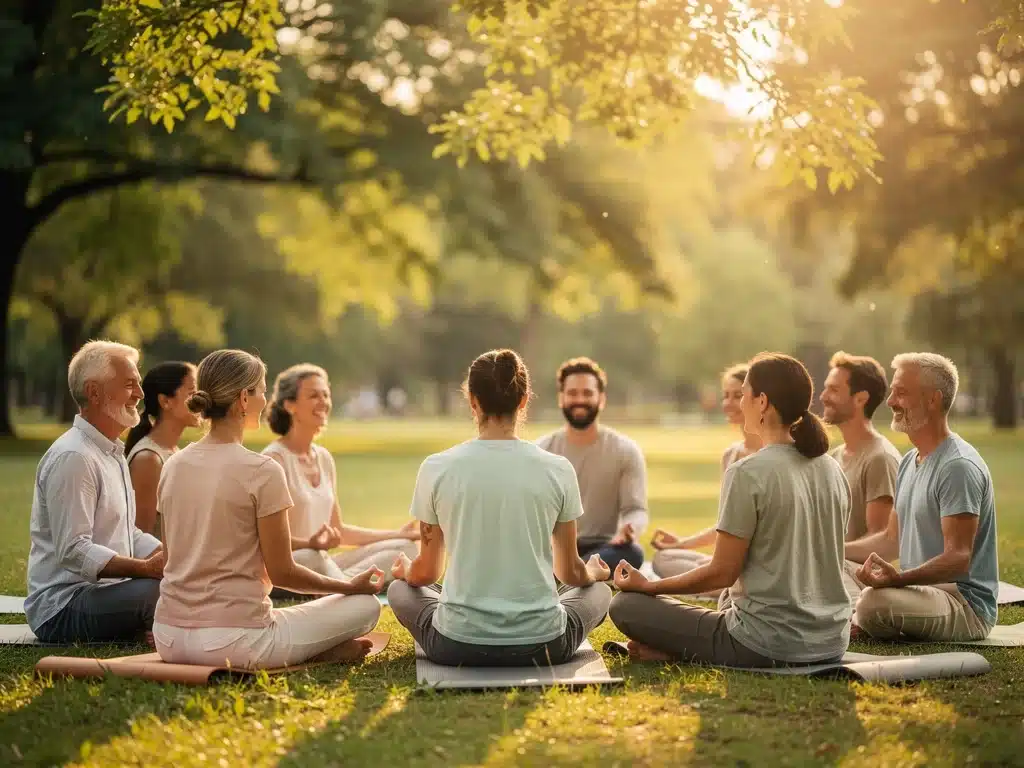
As you conclude Week 1, take a moment to review your journal entries. Notice any patterns or recurring themes. Are you consistently grateful for certain things, or are your entries diverse? There’s no right or wrong answer, but this reflection can offer insights into what truly brings you joy and comfort. This awareness is a powerful step in Cultivating Gratitude Daily, preparing you for deeper exploration in the weeks to come.
Week 2: Deepening Your Grateful Reflections
Having established a consistent practice in Week 1, Week 2 of the Cultivating Gratitude Daily challenge invites you to delve deeper into your reflections. This stage moves beyond simple acknowledgment to exploring the ‘why’ behind your gratitude, fostering a richer and more meaningful connection to your appreciative thoughts. The aim is to transition from merely listing things to genuinely feeling the emotion of gratitude, allowing it to permeate your consciousness more fully. This deeper engagement strengthens the neural pathways associated with positive emotions, making gratitude a more intrinsic part of your being.
During this week, you might find that gratitude comes more naturally, or you might encounter moments where it feels more challenging to connect with deeper feelings. Both experiences are normal and part of the process. The key is to remain patient and persistent, allowing yourself the space to explore these emotions without judgment. Consider extending your daily practice time slightly, perhaps from 5 minutes to 10, to allow for more introspection.
Expanding Your Gratitude Horizon
This week, we encourage you to broaden the scope of your gratitude, looking beyond immediate pleasantries to more profound aspects of your life and the world around you.
- Day 8-10: Gratitude for Challenges: Reflect on a past challenge or difficulty you overcame. How did it help you grow? What lessons did you learn? Express gratitude for the strength and resilience it fostered.
- Day 11-13: Gratitude for Skills and Talents: Acknowledge your unique abilities, skills, and talents. How do they enrich your life or allow you to contribute to others? This could be anything from cooking to problem-solving.
- Day 14: Gratitude for Nature and the World: Take a moment to appreciate the natural world around you – the beauty of a sunset, the resilience of a tree, the vastness of the sky. Connect with the larger ecosystem that supports your life.
Engaging with these prompts requires a more reflective approach. For instance, when considering gratitude for challenges, it’s not about being grateful for the hardship itself, but for the growth, learning, and character development that emerged from it. This nuanced perspective is vital for a mature and sustainable gratitude practice. It helps you recognize that even difficult experiences can hold valuable lessons and contribute to your overall well-being.
Another powerful practice for Week 2 is expressing gratitude directly. This could mean writing a thank-you note, sending a text, or making a phone call to someone you appreciate but haven’t thanked recently. The act of expressing gratitude not only amplifies your own feelings of appreciation but also strengthens your relationships and spreads positivity to others. This reciprocal nature of gratitude is one of its most profound benefits, creating a ripple effect of well-being.
As Week 2 concludes, you should feel a deeper sense of connection to your gratitude practice. The reflections are becoming more personal and meaningful, and you might even notice a subtle shift in how you perceive daily events. This deepened appreciation is a testament to your commitment to Cultivating Gratitude Daily, preparing you for the integration phase in the final week.
Week 3: Integrating Gratitude into Your Daily Life
The final week of the Cultivating Gratitude Daily challenge is dedicated to integrating gratitude so seamlessly into your life that it becomes an almost automatic response. Having laid the foundation and deepened your reflections, this stage focuses on making gratitude a pervasive element, not just a dedicated practice. The goal is for gratitude to naturally arise throughout your day, influencing your interactions, decisions, and overall emotional state. This integration signifies a significant step towards a happier and more fulfilling 2026, where appreciation is a constant companion.
During this week, you’ll move beyond structured journaling to spontaneous moments of gratitude. This doesn’t mean abandoning your journal entirely, but rather expanding your practice to include brief, informal acknowledgments as they occur. The more you consciously seek these moments, the more frequently they will appear, reinforcing the positive neural pathways you’ve been building over the past two weeks. This is where the habit truly takes hold, transforming your perception of everyday experiences.
Spontaneous Gratitude and Active Expression
This week’s practices emphasize real-time gratitude and sharing your appreciation with the world.
- Day 15-17: Gratitude on the Go: Throughout your day, consciously notice small things that bring you joy or comfort. This could be a beautiful piece of music, a delicious meal, a moment of laughter, or simply the efficiency of a service you use. Acknowledge these internally or make a quick note.
- Day 18-20: Expressing Gratitude Actively: Make it a point to express gratitude to at least one person each day. This could be a verbal ‘thank you,’ a compliment, or a small act of kindness. Observe how this impacts both you and the recipient.
- Day 21: Reflect and Plan: On the final day, reflect on your entire 21-day journey. How has your perspective shifted? What benefits have you noticed? Plan how you will continue to cultivate gratitude beyond the challenge.
One powerful way to integrate gratitude is through mindful moments. For example, before eating a meal, take a few seconds to appreciate the food, its source, and the effort involved in preparing it. Before starting a task, acknowledge the opportunity to engage in meaningful work. These micro-moments of gratitude can accumulate, creating a continuous thread of appreciation throughout your day, rather than confining it to a single dedicated session.
Another aspect of integration involves proactively seeking out opportunities to contribute to others. When you give back or help someone, you often experience a sense of purpose and fulfillment, which naturally fosters gratitude. Volunteering, offering a helping hand, or simply being present for someone in need can create a virtuous cycle of giving and receiving appreciation. This outward expression of gratitude solidifies its presence in your daily life, transforming it from an internal exercise to a dynamic interaction with the world.
By the end of Week 3, you should feel a profound shift in your overall outlook. Gratitude will no longer be a chore but a natural and uplifting part of your daily experience. This sustained practice of Cultivating Gratitude Daily will not only have completed the challenge but will have equipped you with a powerful tool for navigating life’s complexities with a happier, more resilient spirit, setting a positive trajectory for 2026 and beyond.
Sustaining Gratitude Beyond the 21 Days
Completing the 21-day gratitude challenge is a significant accomplishment, but the true goal of Cultivating Gratitude Daily extends far beyond this initial period. The challenge serves as a catalyst, igniting a practice that, if sustained, can lead to lifelong benefits. The transition from a structured challenge to an ongoing lifestyle choice requires intentionality and a commitment to keeping the flame of appreciation alive. Just as physical fitness requires continuous effort, so too does mental well-being and the practice of gratitude.
Many people experience a surge of motivation during a challenge but find it difficult to maintain momentum once the structured period ends. To prevent this, it’s crucial to adopt strategies that seamlessly weave gratitude into your daily existence, making it an integral part of who you are rather than just something you do. This involves developing flexible routines, finding new avenues for expression, and embracing gratitude as a foundational pillar of your personal well-being.
Strategies for Lifelong Gratitude
To ensure gratitude remains a constant in your life, consider these long-term strategies:
- Flexible Journaling: You don’t need to write in your journal every single day if that feels overwhelming. Aim for 3-4 times a week, or whenever you feel the need to reflect. The key is consistency over rigid adherence.
- Gratitude Reminders: Set subtle reminders throughout your day. This could be a sticky note on your mirror, a notification on your phone, or simply associating gratitude with a regular activity, like your morning coffee or evening walk.
- Share Your Gratitude: Regularly express appreciation to loved ones, colleagues, and even strangers. The act of sharing gratitude not only reinforces your own feelings but also strengthens your relationships and creates a positive ripple effect.
- Mindful Moments: Practice brief moments of gratitude throughout the day. Take a deep breath and acknowledge something you’re grateful for – the warmth of the sun, the sound of laughter, a moment of peace.
- Revisit Your Journal: Periodically read through past gratitude entries. This can be a powerful reminder of all the good in your life, especially during challenging times.
Another effective strategy is to vary your gratitude practices. If journaling starts to feel monotonous, try a gratitude meditation, create a gratitude jar where you write down notes of appreciation, or engage in acts of service. Novelty can help keep the practice fresh and engaging, preventing burnout and maintaining enthusiasm. The goal is to find what resonates most with you and adapts to different phases of your life.
Furthermore, recognize that setbacks are a normal part of habit formation. There will be days when you forget, or when finding gratitude feels impossible. Instead of viewing these as failures, see them as opportunities to recommit. Self-compassion is key; simply acknowledge the lapse and gently redirect your attention back to your practice. The journey of Cultivating Gratitude Daily is not about perfection, but about persistent effort and a compassionate approach to self-improvement.
By consciously integrating these strategies, you can ensure that gratitude evolves from a challenge into a deeply ingrained habit, enriching your life long after the 21 days are over. This sustained practice will continue to foster a happier, more resilient, and more fulfilling existence, making 2026 and beyond truly special.
The Broader Impact: Gratitude for a Happier 2026
The journey of Cultivating Gratitude Daily culminates in a profound broader impact that extends beyond individual well-being, paving the way for a truly happier 2026. This challenge is not merely about personal emotional uplift; it’s about fostering a mindset that positively influences every facet of your life—your relationships, your work, and your overall outlook on the future. When gratitude becomes a consistent lens through which you view the world, it creates a ripple effect, enhancing not only your own happiness but also the well-being of those around you.
A grateful perspective acts as a powerful buffer against stress and adversity. In a world often characterized by uncertainty and rapid change, the ability to find appreciation amidst challenges is an invaluable asset. It allows you to approach obstacles with greater resilience, seeing them as opportunities for growth rather than insurmountable barriers. This shift in perspective is foundational for navigating the complexities of modern life with a sense of calm and optimism, making 2026 a year of greater equanimity.
Gratitude’s Far-Reaching Benefits
- Improved Mental Health: Reduces symptoms of depression and anxiety, promoting a more positive emotional state.
- Stronger Relationships: Fosters empathy, strengthens bonds, and improves communication by encouraging appreciation for others.
- Enhanced Physical Health: Studies suggest grateful individuals experience better sleep, stronger immune systems, and fewer aches and pains.
- Increased Resilience: Helps individuals cope with trauma and stress, seeing challenges as opportunities for growth.
- Greater Optimism: Cultivates a more positive outlook on life, leading to increased motivation and goal attainment.
- Boosted Productivity: A positive mindset derived from gratitude can enhance focus and creative problem-solving in professional settings.
In the workplace, a grateful attitude can transform team dynamics. Employees who feel appreciated are often more engaged, collaborative, and loyal. As an individual, expressing gratitude to colleagues and supervisors can foster a more supportive and productive work environment. This positive atmosphere not only makes work more enjoyable but can also lead to greater professional success and satisfaction, contributing significantly to a happier 2026 in your career.
Furthermore, gratitude encourages generosity and prosocial behavior. When you recognize the good in your life, you are often more inclined to share that goodness with others. This can manifest as acts of kindness, volunteering, or simply offering support to those in need. This outward expression of gratitude creates a virtuous cycle, where giving back enhances your own sense of purpose and fulfillment, further amplifying your happiness. It’s a powerful testament to how personal growth can contribute to collective well-being.
Ultimately, the broader impact of Cultivating Gratitude Daily is about creating a life that is not just superficially happy, but deeply fulfilling. It’s about recognizing the inherent value in every moment, every interaction, and every experience. By embracing this practice, you are not just preparing for a happier 2026; you are actively shaping a life of sustained joy, resilience, and profound appreciation, a legacy that will continue to enrich your existence for years to come.
| Key Point | Brief Description |
|---|---|
| 21-Day Habit Formation | Consistent daily practice for three weeks helps solidify gratitude as a natural habit. |
| Mental & Physical Benefits | Reduces stress, improves mood, enhances sleep, and boosts overall well-being. |
| Relationship Enhancement | Fosters empathy, strengthens social bonds, and improves communication through appreciation. |
| Long-Term Sustainability | Strategies for integrating gratitude into daily life beyond the challenge period. |
Frequently Asked Questions About Daily Gratitude
It’s normal to have challenging days. On such occasions, focus on the absolute basics: the air you breathe, a roof over your head, access to water, or even the fact that you woke up. Start small and simple; the goal is to acknowledge something, no matter how minor.
Even 2-5 minutes of focused reflection can be highly effective. The key is consistency, not duration. As you progress, you might naturally extend the time, but short, regular practices are more beneficial than infrequent, long ones.
Any notebook or even a digital document will work perfectly. The most important aspect is the act of writing down your thoughts, which helps solidify the practice and allows for later reflection on your journey.
Yes, numerous scientific studies in positive psychology confirm that regular gratitude practice is strongly linked to increased happiness, reduced stress, and improved overall life satisfaction due to its impact on brain chemistry and perspective.
The 21 days are a foundation. After the challenge, the goal is to integrate gratitude into your lifestyle. Continue with flexible journaling, mindful moments, and expressing appreciation to sustain the positive changes you’ve cultivated.
Conclusion
The Cultivating Gratitude Daily: A 21-Day Challenge for a Happier 2026 offers a clear, actionable path to profound personal transformation. By committing to this journey, you’re not just adopting a new habit; you’re fundamentally shifting your perspective, unlocking greater resilience, and fostering deeper connections. The benefits, both mental and physical, are well-documented and far-reaching, promising a year ahead filled with more joy, peace, and appreciation. Embrace this opportunity to reshape your daily life and step into 2026 with a heart full of gratitude, ready to experience the world with renewed optimism and an enduring sense of well-being.