Future of Work: U.S. Tech & Hybrid Models in 2026
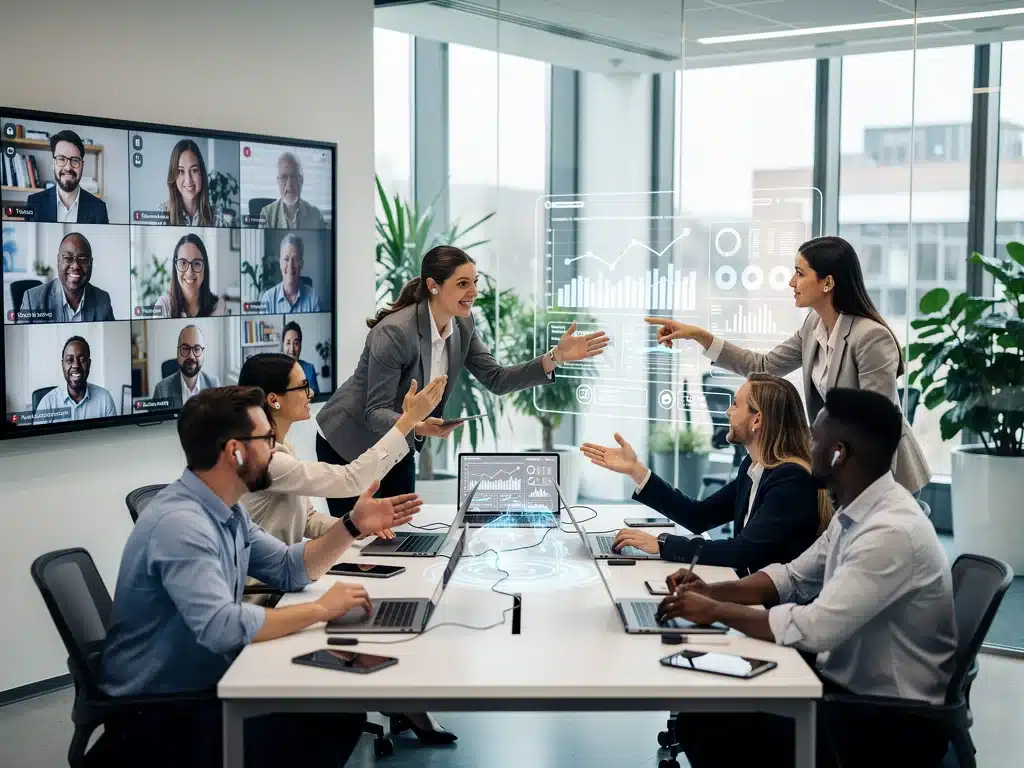
U.S. tech is actively shaping the future of work by redefining hybrid models in 2026, integrating advanced tools and innovative strategies to foster flexible, productive, and engaging work environments for employees across the nation.
The landscape of professional life is undergoing a profound transformation, with U.S. tech hybrid work models leading the charge into 2026. This evolution is not merely about where work gets done, but how it’s orchestrated, supported, and experienced, demanding a fresh look at collaboration, culture, and connectivity.
The Evolution of Hybrid Work: Beyond the Pandemic Response
Hybrid work, once a reactive measure to global health crises, has matured into a strategic imperative for U.S. tech companies. What began as a temporary solution has evolved into a sophisticated operational model, driven by a desire for flexibility, talent retention, and enhanced productivity. The initial scramble for remote tools has given way to thoughtful integration of technologies designed specifically for a blended workforce.
This evolution signifies a shift from simply allowing employees to work from home to actively designing systems and cultures that thrive on distributed teams. Companies are investing heavily in understanding the nuances of hybrid interactions, recognizing that a one-size-fits-all approach is no longer viable. The focus is now on creating equitable experiences for both in-office and remote employees, ensuring that geographical distance does not equate to professional distance.
From Ad-Hoc to Strategic Implementation
Early hybrid models often lacked structure, leading to inconsistencies and challenges in communication. Today, U.S. tech firms are adopting more deliberate strategies, outlining clear expectations for in-office presence, remote work protocols, and the tools that facilitate seamless transitions between environments. This includes defining core collaboration days, optimizing office layouts for hybrid meetings, and establishing robust digital infrastructures.
- Defined Policies: Clear guidelines on remote vs. in-office days and expectations.
- Optimized Spaces: Office redesigns to support collaborative hybrid meetings.
- Digital Infrastructure: Robust networks and cloud-based systems for accessibility.
The journey from a reactive posture to a proactive, strategic implementation of hybrid models reflects a deeper understanding of employee needs and business objectives. It’s about building resilience and agility into the very fabric of the organization, preparing for future disruptions while optimizing current operations. This foresight is what sets leading U.S. tech companies apart in the evolving work landscape.
Leveraging AI and Automation for Enhanced Hybrid Productivity
Artificial intelligence (AI) and automation are no longer futuristic concepts; they are integral components of the modern hybrid workplace. U.S. tech companies are at the forefront of integrating these technologies to streamline workflows, reduce administrative burdens, and enhance decision-making, thereby boosting overall productivity in distributed teams. AI-powered tools are becoming indispensable for managing complex schedules, facilitating communication, and even personalizing employee experiences.
From intelligent meeting assistants that transcribe and summarize discussions to automated project management tools that predict potential bottlenecks, AI is transforming how teams collaborate and execute tasks. This allows employees to focus on higher-value, creative work, rather than getting bogged down by repetitive or time-consuming administrative duties. The goal is not to replace human effort but to augment it, making every team member more effective, regardless of their physical location.
AI-Powered Collaboration Platforms
The next generation of collaboration platforms is deeply embedded with AI capabilities. These tools go beyond simple video conferencing, offering features like real-time language translation, sentiment analysis during meetings, and AI-driven insights into team dynamics. This ensures that all voices are heard and understood, bridging communication gaps that can arise in hybrid settings.
- Intelligent Meeting Summaries: AI transcribes and highlights key discussion points.
- Real-time Translation: Breaks down language barriers in global teams.
- Sentiment Analysis: Provides insights into team engagement and mood.
Automation also plays a crucial role in managing the logistics of hybrid work, from automating onboarding processes for new remote hires to scheduling optimal meeting times across different time zones. These advancements free up valuable time for HR and operations teams, allowing them to focus on strategic initiatives rather than manual tasks. The continuous integration of AI and automation is defining the efficiency of hybrid models in 2026.
The Role of Immersive Technologies: VR and AR in the Hybrid Office
As U.S. tech companies push the boundaries of hybrid work, immersive technologies like Virtual Reality (VR) and Augmented Reality (AR) are emerging as powerful tools to bridge the physical and digital divide. These technologies offer new ways for distributed teams to connect, collaborate, and innovate, creating experiences that go beyond traditional video calls and shared documents. The aim is to replicate the spontaneity and richness of in-person interactions in a virtual space.
Imagine conducting a product design review in a shared VR environment where team members, regardless of their location, can physically interact with 3D models, make real-time adjustments, and experience designs as if they were in the same room. Or consider AR applications that overlay digital information onto the physical world, assisting remote field technicians with complex repairs while guided by an expert miles away. These scenarios are rapidly becoming reality, transforming how work gets done.
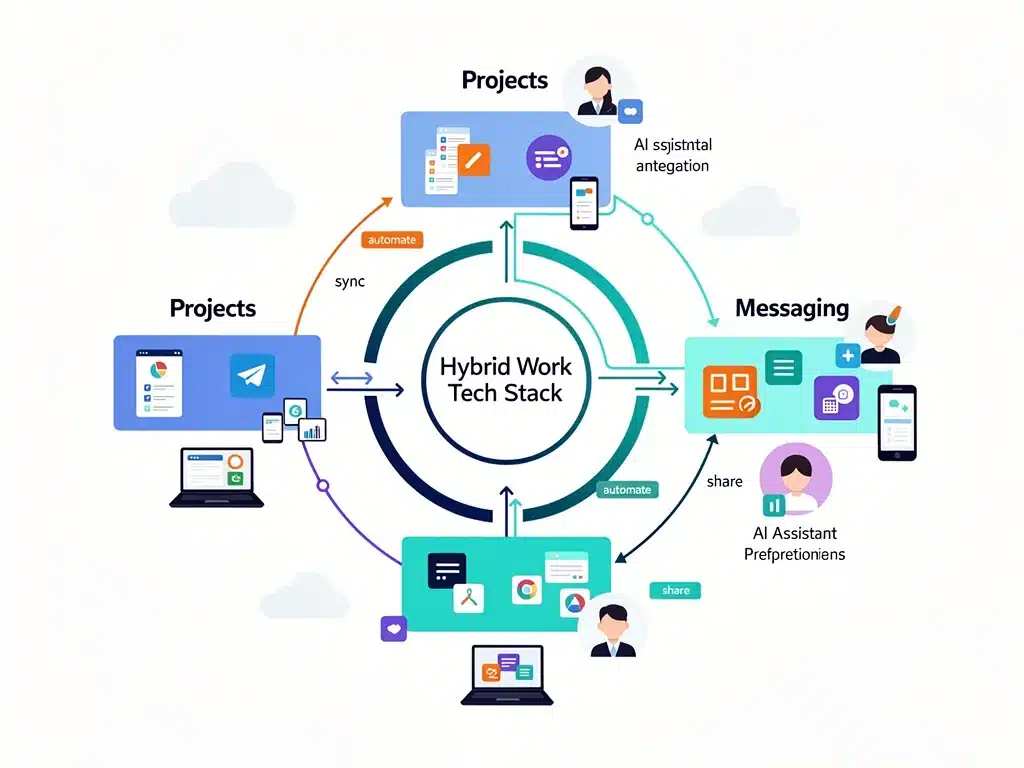
Virtual Collaboration Spaces
Dedicated virtual collaboration spaces are gaining traction, allowing teams to meet in persistent digital environments that foster a sense of presence and community. These VR platforms often feature customizable avatars, whiteboards, and tools for interactive presentations, making remote meetings more engaging and effective than conventional video conferences.
- Shared Virtual Environments: Persistent digital spaces for team meetings and brainstorming.
- Interactive 3D Models: Collaboratively review and manipulate product designs.
- Enhanced Presence: Avatars and spatial audio create a more immersive experience.
AR technology is also finding its niche in hybrid work, particularly in fields requiring hands-on interaction or visual guidance. From remote training sessions where digital instructions are overlaid onto real-world objects to virtual showrooms that allow customers to experience products in their own environment, AR is expanding the possibilities of remote engagement. The integration of VR and AR is set to redefine how U.S. tech companies approach collaboration and innovation in 2026.
Optimizing Digital Well-being and Employee Experience in Hybrid Models
While technology offers immense benefits for hybrid work, U.S. tech companies are increasingly recognizing the critical importance of digital well-being and overall employee experience. The lines between work and personal life can blur in a hybrid setup, leading to potential burnout and reduced engagement. Therefore, strategies are being developed to ensure that technology enhances, rather than detracts from, employee welfare.
This involves implementing tools that promote healthy work habits, offering resources for mental health support, and designing work processes that prevent digital fatigue. The goal is to create a sustainable hybrid environment where employees feel supported, connected, and empowered to do their best work without sacrificing their personal well-being. It’s a holistic approach that considers the human element at the core of technological advancements.
Tools for Digital Wellness
Innovative applications are emerging to help employees manage their digital footprint and maintain a healthy work-life balance. These include features that encourage regular breaks, track screen time, and provide personalized recommendations for stress reduction. Companies are also promoting asynchronous communication to reduce the pressure of immediate responses and constant availability.
- Focus Mode Features: Minimize distractions during deep work periods.
- Break Reminders: Prompt employees to take regular physical and mental breaks.
- Asynchronous Communication Protocols: Reduce the expectation of instant replies.
Furthermore, U.S. tech firms are investing in platforms that foster a sense of community and belonging among distributed teams. Virtual social events, digital water cooler channels, and mentorship programs designed for hybrid environments are crucial for combating feelings of isolation. Prioritizing digital well-being and a positive employee experience is not just a perk; it’s a strategic investment in the long-term success and sustainability of hybrid work models.
Data-Driven Insights: Measuring and Adapting Hybrid Work Strategies
In 2026, U.S. tech companies are moving beyond anecdotal evidence to adopt data-driven approaches for understanding and optimizing their hybrid work strategies. Leveraging analytics, organizations can gain deep insights into employee productivity, engagement, collaboration patterns, and overall well-being. This data allows leaders to make informed decisions, identify areas for improvement, and continuously adapt their hybrid models for maximum effectiveness.
The collection and analysis of anonymized data provide a comprehensive picture of how hybrid arrangements are truly impacting the workforce and business outcomes. This includes metrics on meeting effectiveness, tool utilization, office attendance trends, and employee satisfaction scores. By understanding these patterns, companies can fine-tune policies, invest in the right technologies, and create a more responsive and efficient work environment.
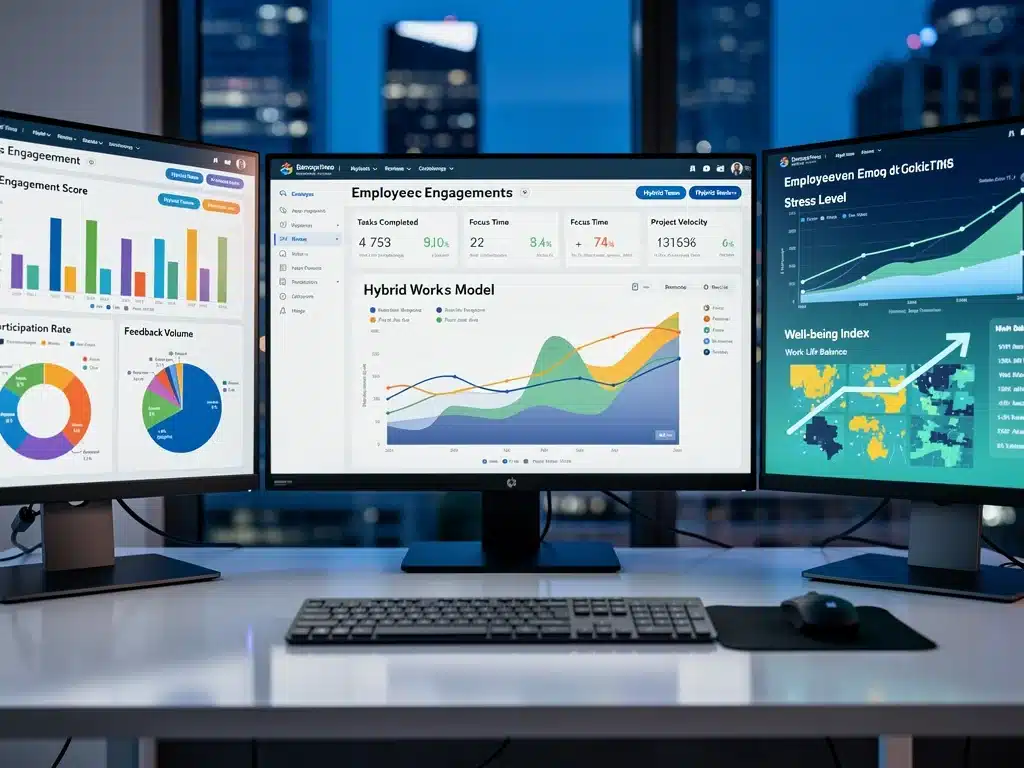
Analytics for Workplace Optimization
Advanced analytics platforms are providing real-time dashboards that offer actionable insights into various aspects of hybrid work. These tools help identify disparities between remote and in-office experiences, pinpoint collaboration bottlenecks, and measure the impact of new initiatives. The focus is on using data ethically to enhance employee experience and operational efficiency.
- Collaboration Metrics: Analyze communication patterns and team interactions.
- Space Utilization: Optimize office layouts based on actual usage data.
- Employee Sentiment: Track trends in satisfaction and engagement through surveys and feedback.
The ability to measure the success of hybrid models is crucial for their long-term viability. Without data, companies risk making decisions based on assumptions rather than evidence. U.S. tech leaders are embracing analytics not just to track performance, but to foster a culture of continuous improvement, ensuring their hybrid work strategies remain agile and effective in an ever-changing professional landscape.
Security and Compliance in the Distributed U.S. Tech Workforce
As U.S. tech companies embrace hybrid work models, the complexities of cybersecurity and regulatory compliance multiply. Protecting sensitive data and intellectual property across distributed networks, personal devices, and diverse home environments presents significant challenges. In 2026, robust security frameworks and vigilant compliance measures are paramount to maintaining trust and operational integrity.
Organizations are investing in multi-layered security protocols, including advanced encryption, multi-factor authentication, and zero-trust architectures, to safeguard their digital assets. Beyond technology, there’s a strong emphasis on employee training and awareness, recognizing that human error remains a primary vulnerability. Compliance with data privacy regulations, industry standards, and geographical mandates also requires constant vigilance and adaptation in a hybrid world.
Strengthening Endpoint Security
With employees accessing company resources from various locations and devices, endpoint security has become a critical focus. Companies are deploying sophisticated endpoint detection and response (EDR) solutions, alongside unified endpoint management (UEM) platforms, to monitor, manage, and secure every device connected to the corporate network, regardless of its location.
- Zero-Trust Networks: Verify every user and device before granting access.
- Advanced Threat Detection: AI-powered systems to identify and mitigate cyber threats.
- Employee Training: Regular cybersecurity awareness programs to reduce risks.
Ensuring compliance in a hybrid model involves navigating a complex web of legal and regulatory requirements, which can vary by state and even by country for globally distributed teams. U.S. tech companies are implementing automated compliance tools and conducting regular audits to ensure adherence to data protection laws like CCPA, industry-specific regulations, and internal governance policies. The commitment to security and compliance is not just about avoiding penalties; it’s about building a resilient and trustworthy foundation for the future of hybrid work.
| Key Aspect | Brief Description |
|---|---|
| AI Integration | AI and automation streamline workflows, enhance collaboration, and personalize employee experiences. |
| Immersive Tech | VR/AR create engaging virtual collaboration spaces, bridging physical distances for design and training. |
| Digital Well-being | Focus on tools and policies to prevent burnout, promote work-life balance, and foster connection. |
| Data-Driven Strategy | Analytics inform decisions, optimize productivity, and adapt hybrid models based on real-time insights. |
Frequently Asked Questions About Hybrid Work in U.S. Tech
Key challenges include ensuring equitable experiences for all employees, maintaining strong company culture across distributed teams, managing cybersecurity risks with diverse setups, and effectively integrating new technologies without overwhelming staff. Balancing flexibility with collaboration needs remains a continuous effort for many firms.
AI is transforming hybrid collaboration by providing intelligent meeting summaries, real-time language translation, and sentiment analysis to improve communication. It also automates scheduling, personalizes workflows, and offers insights into team dynamics, making interactions more efficient and inclusive for remote and in-office participants.
VR and AR create immersive virtual collaboration spaces, allowing teams to interact with 3D models and conduct meetings in shared digital environments. This enhances engagement, facilitates complex design reviews, and provides realistic training simulations, bridging geographical distances with a more profound sense of presence than traditional tools.
Companies are addressing employee well-being through tools that promote digital detox, encourage breaks, and manage screen time. They also foster asynchronous communication, provide mental health resources, and organize virtual social events to combat isolation, ensuring a healthy work-life balance and a supportive work environment.
Data analytics is crucial for measuring productivity, engagement, and collaboration patterns in hybrid models. It provides actionable insights to optimize policies, identify areas for improvement, and ensure equitable experiences. This data-driven approach allows U.S. tech companies to adapt their strategies effectively and continuously enhance their hybrid work environments.
Conclusion
The journey of hybrid work in U.S. tech is far from over; it is a dynamic and continuous evolution. As we look towards 2026, the emphasis remains on leveraging cutting-edge tools—from AI and automation to immersive VR/AR technologies—to create flexible, productive, and human-centric work environments. The successful integration of these innovations, coupled with a steadfast commitment to employee well-being, data-driven decision-making, and robust security, will define the leaders in this new era of work. The future is not just about where work happens, but how intelligently and inclusively it is designed to empower every individual.