Mental Health Parity Laws (2026): Equal Coverage for Behavioral Care

Mental Health Parity Laws in 2026 are critical regulations ensuring health insurance plans provide equal coverage for mental health and substance use disorder treatments as they do for physical health conditions, aiming to eliminate discriminatory practices.
In an increasingly complex world, access to comprehensive healthcare is paramount, and this extends unequivocally to mental well-being. The landscape of insurance coverage for behavioral health has undergone significant transformations, with Mental Health Parity Laws (2026): Ensuring Equal Coverage for Behavioral Healthcare standing at the forefront of this evolution. These laws are not merely statutory requirements; they represent a fundamental shift towards recognizing mental health as integral to overall health. Understanding these regulations is crucial for patients, providers, and policymakers alike as we navigate the nuances of equitable healthcare access.
The Foundations of Mental Health Parity
Mental health parity laws are built upon the principle that mental health conditions and substance use disorders should be treated no differently than physical health conditions by insurance providers. This core idea has driven legislative efforts for decades, culminating in significant federal mandates designed to eliminate discriminatory practices in health insurance coverage. The journey to parity has been long and arduous, marked by incremental progress and persistent advocacy.
Historically, mental health services were often subject to stricter limitations, higher deductibles, and more restrictive visit limits compared to medical or surgical care. This disparity created significant barriers to treatment, leaving many individuals without the necessary support. The recognition of mental health as a critical component of overall well-being, coupled with growing public awareness and scientific understanding, paved the way for legislative action.
Key Legislative Milestones
- Mental Health Parity Act of 1996 (MHPA): This early legislation required annual and lifetime dollar limits on mental health benefits to be no more restrictive than those for medical and surgical benefits. However, it had significant loopholes, such as not applying to substance use disorders and allowing employers to opt-out.
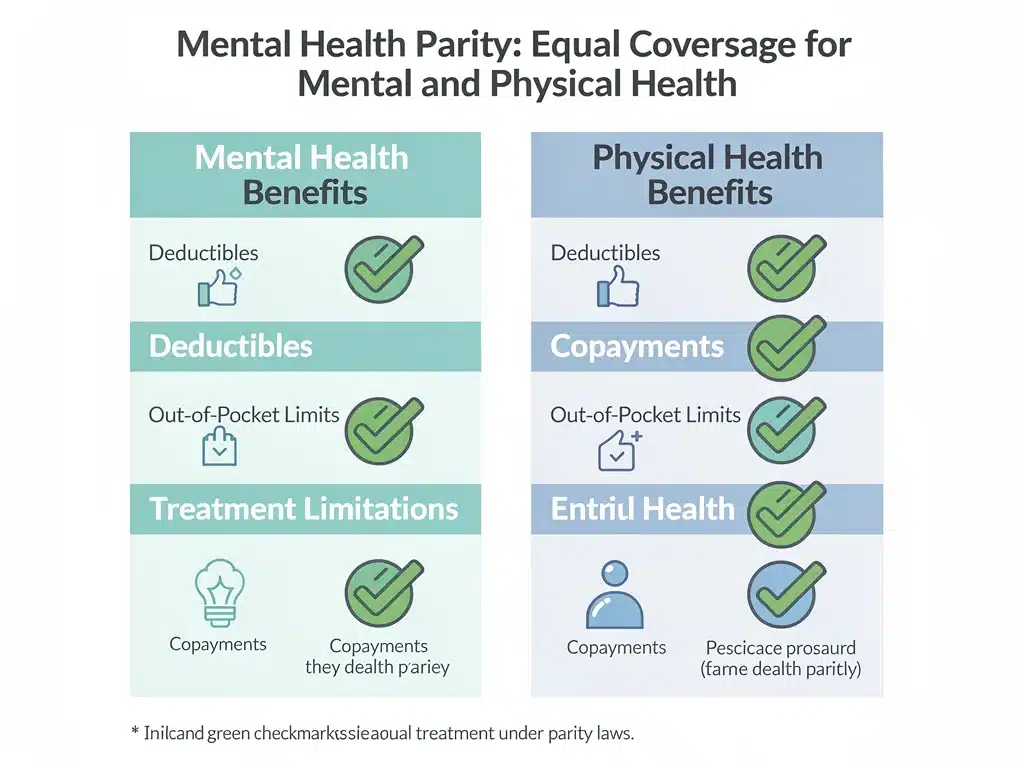
- Mental Health Parity and Addiction Equity Act of 2008 (MHPAEA): A landmark piece of legislation, MHPAEA significantly expanded upon the MHPA. It mandated that financial requirements (like deductibles and co-pays) and treatment limitations (like visit limits) for mental health and substance use disorder benefits must be no more restrictive than those for medical/surgical benefits.
- Affordable Care Act (ACA) of 2010: The ACA further bolstered parity by designating mental health and substance use disorder services as one of the ten essential health benefits (EHBs) that most health plans must cover. This brought millions more Americans under parity protections, particularly those in the individual and small group markets.
These legislative foundations underscore a societal commitment to ensuring that individuals seeking help for mental health or substance use challenges receive the same level of care and coverage as those with physical ailments. The ongoing evolution of these laws reflects a continuous effort to close existing gaps and address new challenges as they arise.
Understanding the Scope of Parity in 2026
As we look towards 2026, the reach and implications of mental health parity laws are more comprehensive than ever, impacting a vast array of health plans and ensuring a broader spectrum of services. The goal is to eliminate any remaining vestiges of discrimination, ensuring that patients can access necessary care without undue financial or administrative burdens. This includes not only the types of services covered but also the way those services are managed and reimbursed.
The laws primarily apply to group health plans and health insurance issuers. This encompasses most employer-sponsored health plans, both fully insured and self-funded, as well as plans offered in the individual and small group markets. Medicaid managed care plans and Children’s Health Insurance Program (CHIP) plans are also subject to parity requirements. However, some exceptions still exist, particularly for very small employer plans, though these are becoming increasingly rare.
Key Areas of Equal Coverage
Parity extends to several critical aspects of insurance coverage, ensuring that mental health and substance use disorder benefits are on par with medical/surgical benefits. These areas are meticulously scrutinized to prevent subtle forms of discrimination.
- Financial Requirements: This includes deductibles, copayments, coinsurance, and out-of-pocket maximums. For example, if a plan has a $50 copay for a specialist visit for a physical condition, it cannot charge a $100 copay for a therapy session.
- Quantitative Treatment Limitations (QTLs): These are numerical limits on the scope or duration of benefits, such as limits on the number of inpatient days or outpatient visits. Parity means if there’s no visit limit for physical therapy, there shouldn’t be one for mental health therapy either.
- Non-Quantitative Treatment Limitations (NQTLs): These are more subtle and often harder to detect, including medical management standards, prior authorization requirements, step therapy protocols, and facility type restrictions. Regulators are increasingly focusing on NQTLs to ensure they are applied equitably.
The enforcement of these parity requirements is crucial. Federal and state agencies actively monitor compliance, investigating complaints and imposing penalties for violations. The emphasis in 2026 is on proactive compliance and robust oversight to ensure that the spirit of the law is upheld, not just the letter. This ongoing vigilance helps to safeguard access to care for millions of Americans, fostering a healthcare environment where mental health is truly valued equally.
Challenges and Enforcement in Practice
Despite robust legislative frameworks, the practical implementation and enforcement of mental health parity laws continue to face significant challenges. The complexity of insurance plan designs, the varying interpretations of parity requirements, and the often-subtle nature of discriminatory practices make full compliance a continuous uphill battle. Both federal and state agencies are working to address these issues, but persistent vigilance is required from all stakeholders.
One of the primary challenges lies in the area of Non-Quantitative Treatment Limitations (NQTLs). Unlike financial requirements or visit limits, NQTLs are not easily quantifiable. They include things like prior authorization rules, medical necessity criteria, step therapy requirements, and provider network adequacy. It’s often difficult to prove that an NQTL for mental health services is more restrictive than one for medical/surgical services, as the criteria may appear neutral on paper but have a discriminatory impact in practice.
Addressing Compliance Gaps
Regulators are intensifying efforts to ensure plans are not circumventing parity requirements through NQTLs. This involves detailed reviews of internal processes and clinical guidelines used by health plans. The aim is to ensure that the processes, strategies, evidentiary standards, and other factors used to apply NQTLs to mental health/substance use disorder benefits are comparable to, and no more stringent than, those applied to medical/surgical benefits.
- Increased Scrutiny of NQTLs: Regulators are demanding more detailed comparative analyses from health plans, requiring them to demonstrate how their NQTLs for mental health are applied comparably to physical health.
- Enhanced Data Collection: There’s a growing push for better data collection on denials for mental health and substance use disorder services, which can help identify patterns of non-compliance.
- Consumer Protections: Greater emphasis is placed on empowering consumers to understand their rights and report violations, often through state insurance departments or federal agencies.
Enforcement actions, including fines and corrective measures, serve as deterrents. However, the ultimate goal is to foster a culture of proactive compliance within the insurance industry. This requires ongoing education, clear guidance from regulators, and a commitment from health plans to prioritize equitable access to care. The sustained effort to overcome these enforcement challenges is critical for the long-term success of mental health parity.
The Impact on Patients and Providers
The proper implementation of mental health parity laws has a profound and far-reaching impact on both patients seeking care and the providers delivering it. For patients, parity means a reduction in financial barriers and an increase in access to a wider range of necessary treatments. For providers, it signifies a more stable and equitable reimbursement environment, allowing them to focus on patient care rather than navigating complex and often discriminatory billing practices. The overall effect is a healthcare system that is more responsive to the holistic needs of individuals.
Patients are increasingly empowered to seek care for mental health conditions and substance use disorders without the fear of exorbitant out-of-pocket costs or arbitrary treatment limitations. This can lead to earlier intervention, better treatment outcomes, and a reduction in the stigma associated with seeking behavioral healthcare. When mental health is covered on par with physical health, individuals are more likely to view it as a legitimate and essential component of their overall well-being, encouraging them to prioritize their mental health needs.
Benefits and Challenges for Stakeholders
While the benefits are substantial, both patients and providers still face challenges in fully realizing the promise of parity.
- For Patients: Increased access to therapy, medication management, and inpatient/outpatient programs. However, challenges remain in understanding complex insurance documents, navigating appeals processes for denied claims, and finding providers who accept their insurance due to network adequacy issues.
- For Providers: More consistent reimbursement rates and reduced administrative burden from fighting discriminatory denials. Yet, providers still contend with varying interpretations of medical necessity criteria by different plans, delays in payment, and the ongoing need to advocate for their patients’ coverage.
The impact extends beyond individual treatment episodes. A system that prioritizes mental health parity contributes to healthier communities, reduced productivity losses due to untreated conditions, and a more resilient workforce. As parity laws become more ingrained, the long-term societal benefits are expected to grow, fostering an environment where mental health is openly discussed, actively treated, and equitably covered.
Navigating Your Rights and Responsibilities
Understanding your rights under mental health parity laws is crucial for ensuring you receive the coverage you are entitled to. While the laws aim to simplify access, the onus often falls on individuals to advocate for themselves. Knowing what to look for in your insurance plan and how to dispute denials can make a significant difference in accessing necessary behavioral healthcare. Empowering yourself with this knowledge is the first step toward effective self-advocacy.
Your health plan documents, such as the Summary of Benefits and Coverage (SBC) and Evidence of Coverage (EOC), are key resources. These documents should clearly outline your mental health and substance use disorder benefits alongside your medical/surgical benefits. Pay close attention to financial requirements (deductibles, co-pays), quantitative limits (visit maximums), and any prior authorization or referral requirements. If these seem more restrictive for mental health than for physical health, it could be a parity violation.
Steps to Take if You Suspect a Violation
If you believe your health plan is not complying with mental health parity laws, there are specific steps you can take to address the issue. Being proactive and organized can significantly improve your chances of a successful appeal.
- Gather Documentation: Collect all relevant documents, including your plan’s SBC and EOC, denial letters, and any communication with your insurance company.
- File an Internal Appeal: Start by appealing the decision directly with your insurance company. Clearly state why you believe their denial or limitation violates parity laws, referencing specific provisions of your plan and federal/state regulations.
- Seek External Review: If your internal appeal is denied, you typically have the right to an external review by an independent third party. This process can vary by state and plan type.
- Contact Regulators: Report suspected violations to your state’s Department of Insurance or Attorney General’s office. For employer-sponsored plans, you can also contact the Department of Labor (DOL) or the Department of Health and Human Services (HHS).
Many resources are available to help you understand your rights and navigate the appeals process, including government websites and advocacy organizations. Taking an active role in understanding and asserting your rights is vital for ensuring that mental health parity laws achieve their intended purpose: providing equitable access to care for all.
Future Outlook: Evolving Parity Landscape
The landscape of mental health parity is not static; it is continually evolving, driven by new research, emerging challenges, and ongoing advocacy. As we move beyond 2026, we can anticipate further refinements and expansions of these laws, aiming for a truly seamless and equitable integration of behavioral healthcare into the broader healthcare system. This forward momentum is crucial for addressing the persistent mental health crisis and ensuring that policies remain relevant and effective.
One area of anticipated growth is the increased focus on network adequacy. Even with financial parity, if there aren’t enough mental health providers in an insurance network, access to care remains limited. Future regulations are likely to push for more robust network requirements, ensuring that individuals can find qualified providers within a reasonable distance and timeframe. This includes addressing shortages in rural areas and for specialized treatments.
Anticipated Developments and Policy Shifts
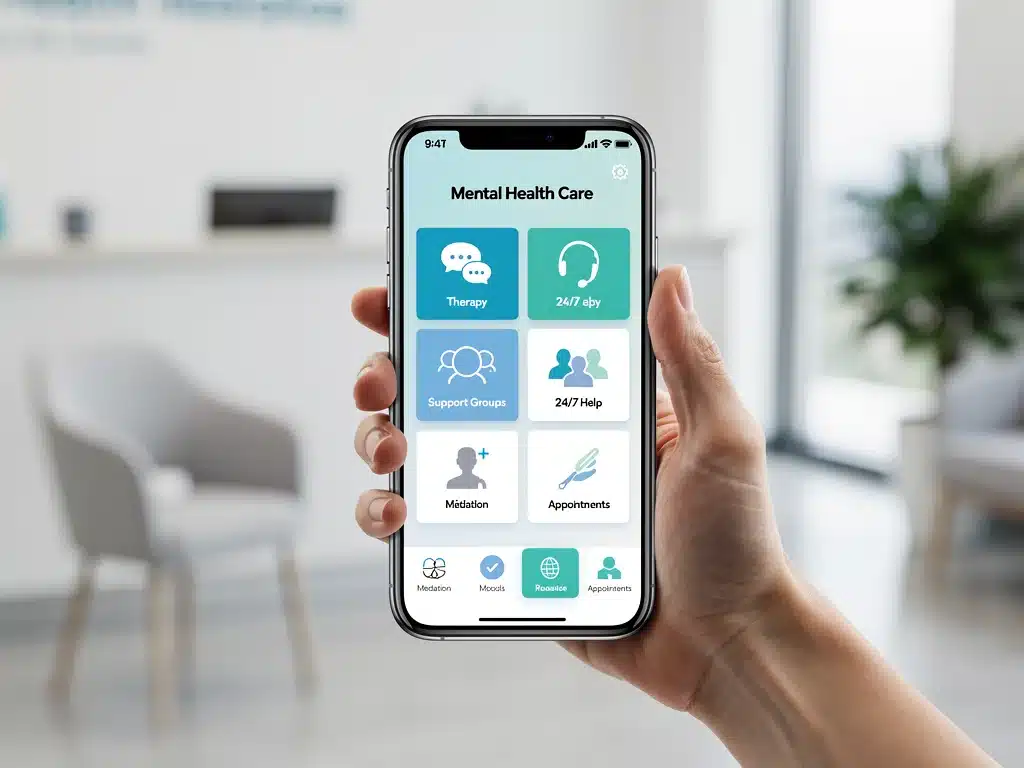
- Telehealth Integration: The increased use of telehealth for mental health services during the pandemic highlighted its potential. Future parity guidelines will likely solidify equal coverage for telebehavioral health, ensuring virtual care is reimbursed on par with in-person services.
- Early Intervention and Prevention: There’s a growing recognition of the importance of early intervention and preventative mental health care. Policies may evolve to ensure broader coverage for these services, shifting the focus from crisis management to proactive well-being.
- Data-Driven Enforcement: Regulators will increasingly leverage data analytics to identify patterns of non-compliance, moving beyond reactive investigations to more proactive oversight based on claims data and patient outcomes.
The future of mental health parity also involves a greater emphasis on addressing disparities in care for underserved populations. This includes ensuring culturally competent care and addressing systemic barriers that disproportionately affect certain communities. The ongoing commitment to refining and expanding parity laws reflects a societal understanding that investing in mental health is an investment in the overall health and productivity of the nation.
The Economic and Societal Benefits of Parity
Beyond the ethical imperative, robust mental health parity laws yield substantial economic and societal benefits that underscore their critical importance. When individuals have equitable access to mental health and substance use disorder treatment, the positive ripple effects extend across various sectors, leading to a healthier, more productive, and more resilient society. The costs of untreated mental illness are staggering, encompassing lost productivity, increased healthcare expenditures, and a diminished quality of life for millions.
Economically, untreated mental health conditions contribute to significant losses in the workforce due to absenteeism, presenteeism (being present but unproductive), and disability. By ensuring access to effective treatment, parity laws help individuals maintain employment, improve their performance, and contribute more fully to the economy. This translates into higher tax revenues, reduced reliance on public assistance, and a more stable workforce. The investment in mental health care through parity is often offset by these broader economic gains.
Long-Term Societal Gains
The societal benefits of mental health parity are equally compelling, fostering stronger communities and improving overall public health.
- Reduced Healthcare Costs: Early and effective treatment of mental health conditions can prevent the escalation of symptoms, reducing the need for more intensive and costly interventions, such as emergency room visits or inpatient hospitalizations.
- Improved Public Safety: Access to mental health care can play a role in reducing crime rates and improving community safety, as many individuals involved in the justice system have untreated mental health or substance use disorders.
- Enhanced Quality of Life: For individuals and families, parity means a better quality of life, marked by improved relationships, greater personal fulfillment, and the ability to pursue educational and career goals without the debilitating burden of untreated mental illness.
Furthermore, parity helps to dismantle the stigma surrounding mental illness. When insurance plans treat mental health conditions with the same gravity as physical ailments, it sends a powerful message that these conditions are legitimate health issues deserving of comprehensive care. This cultural shift encourages more people to seek help, fostering a more open and supportive environment for those struggling with mental health challenges. The economic and societal arguments for mental health parity are thus intertwined, reinforcing the notion that these laws are not just about fairness, but about building a healthier future.
| Key Aspect | Brief Description |
|---|---|
| Core Principle | Requires equal insurance coverage for mental health/substance use as for physical health. |
| Key Regulations | MHPAEA and ACA are foundational, mandating parity for most health plans. |
| Enforcement Challenges | Non-Quantitative Treatment Limitations (NQTLs) remain difficult to monitor and enforce. |
| Patient Empowerment | Knowing your rights and how to appeal denials is vital for accessing care. |
Frequently Asked Questions About Mental Health Parity Laws
Mental health parity laws ensure that health insurance plans cover mental health and substance use disorder treatments at the same level as medical and surgical benefits. This means no more restrictive financial requirements or treatment limitations for behavioral healthcare.
Most employer-sponsored health plans (both fully insured and self-funded), individual and small group market plans, Medicaid managed care plans, and CHIP plans are generally covered. Some very small employer plans might be exempt, but this is less common.
NQTLs are non-numerical limits like prior authorization or medical necessity criteria. They are challenging because their discriminatory nature is often subtle, making it harder to prove they are more restrictive for mental health than for physical health.
First, gather all relevant documents and file an internal appeal with your insurance company. If denied, seek an external review. You should also report suspected violations to your state’s Department of Insurance or relevant federal agencies.
Future developments include increased focus on network adequacy, solidified coverage for telehealth services, greater emphasis on early intervention and prevention, and more data-driven enforcement to ensure equitable access and integration of care.
Conclusion
The journey toward full and equitable coverage for mental health and substance use disorders is a continuous process, but the strides made through comprehensive mental health parity laws are undeniable. As we look ahead to 2026 and beyond, these regulations serve as a critical safeguard, ensuring that behavioral healthcare is recognized and treated with the same importance as physical health. While challenges in enforcement and compliance persist, the ongoing commitment from legislators, regulators, and advocates promises a future where access to essential mental health services is a right, not a privilege, fostering a healthier and more resilient society for all.