Aging in America: 6 Social Innovations for Seniors in 2026
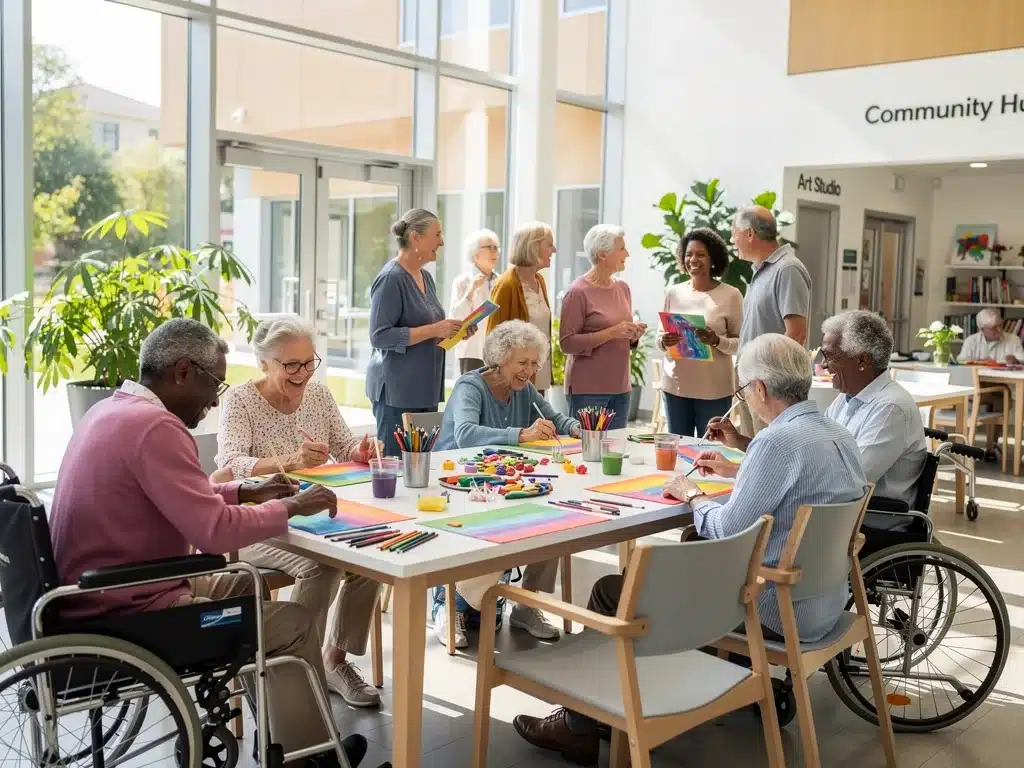
By 2026, America’s aging population will benefit from six pivotal social innovations, including integrated community care, technology-driven social engagement, and intergenerational programs, all designed to foster independence and improve quality of life for seniors.
As the demographic landscape of the United States continues to shift, with a growing proportion of its citizens entering their senior years, the need for robust and empathetic support systems becomes increasingly critical. Aging in America: 6 Social Innovations Supporting Senior Populations in 2026 highlights the transformative approaches emerging to address the unique challenges and opportunities presented by this demographic trend. These innovations are not merely incremental changes but represent a fundamental rethinking of how society can better serve its older members, fostering independence, well-being, and continued societal contribution.
Integrated Community Care Networks
The concept of integrated community care networks is rapidly gaining traction as a cornerstone of effective senior support. These networks aim to provide a seamless continuum of care, moving beyond fragmented services to offer holistic, person-centered approaches that address physical, mental, and social needs within the familiar comfort of one’s community.
By 2026, these networks are expected to be more sophisticated, leveraging technology and local resources to create highly responsive and individualized care plans. The goal is to keep seniors living independently in their homes for longer, reducing reliance on institutional care and enhancing overall quality of life.
Holistic Care Coordination
At the heart of integrated community care is the coordination of diverse services. This involves bringing together healthcare providers, social workers, family caregivers, and community organizations to ensure every aspect of a senior’s well-being is considered.
- Personalized Health Plans: Tailored health and wellness strategies that adapt to individual needs and preferences.
- Social Support Integration: Connecting seniors with local social groups, volunteer opportunities, and community events to combat isolation.
- Caregiver Support Programs: Providing resources, training, and respite for family members who are often primary caregivers.
- Transportation Solutions: Ensuring seniors have access to medical appointments, grocery stores, and social activities.
These coordinated efforts prevent gaps in care and ensure that seniors receive timely and appropriate interventions, promoting both their physical health and emotional resilience. The focus is on proactive care rather than reactive treatment, leading to better long-term outcomes.
Ultimately, integrated community care networks represent a paradigm shift towards a more connected and compassionate approach to aging, emphasizing dignity, choice, and continued engagement within one’s community. This model seeks to empower seniors, giving them greater control over their care journey and fostering a sense of belonging.
Technology-Driven Social Engagement Platforms
Social isolation is a significant challenge for many seniors, impacting their mental and physical health. In response, 2026 is seeing a surge in technology-driven platforms specifically designed to foster social engagement and combat loneliness among older adults.
These platforms go beyond simple video calls, incorporating features that cater to the unique interests and cognitive abilities of seniors, making digital interaction both accessible and enjoyable. They are proving vital in creating virtual communities where seniors can connect, learn, and share experiences.
Accessible Digital Connectivity
The success of these platforms lies in their user-friendly interfaces and dedicated support. Many initiatives focus on digital literacy training, ensuring seniors feel confident and capable when navigating new technologies.
These programs often utilize large-font displays, voice commands, and simplified navigation to minimize barriers. The aim is to make technology an enabler, not a hurdle, for social interaction.
- Virtual Interest Groups: Online clubs for hobbies like reading, gardening, or history, connecting like-minded individuals.
- Tele-health Integration: Platforms that facilitate not only social calls but also easy access to virtual doctor appointments and health resources.
- Intergenerational Gaming: Creating opportunities for seniors to play online games with grandchildren or younger volunteers, bridging generational gaps.
- Digital Storytelling Workshops: Allowing seniors to share their life stories and wisdom through online platforms, fostering a sense of purpose.
By providing structured and engaging online environments, these platforms help seniors maintain existing relationships and forge new ones, significantly improving their sense of belonging and overall mental well-being. The emphasis is on active participation rather than passive consumption of content.
The continuous evolution of these technology-driven platforms promises a future where geographic distance is no longer a barrier to social connection for the elderly, fostering vibrant online communities that mirror the richness of real-world interactions.
Intergenerational Programs and Mentorship Initiatives
The wisdom and experience of senior populations are invaluable resources that often go untapped. Intergenerational programs and mentorship initiatives are emerging as powerful social innovations to bridge the generational divide, benefiting both young and old alike.
These programs create structured opportunities for seniors to interact with younger generations, fostering mutual learning, companionship, and a renewed sense of purpose for older adults. By 2026, these initiatives are becoming more formalized and widespread, recognized for their significant societal value.
Mutual Benefits and Knowledge Exchange
The core principle of these programs is reciprocity. Seniors offer life experience, mentorship, and a historical perspective, while younger individuals bring fresh ideas, technological prowess, and youthful energy.
This exchange enriches communities and addresses key social issues, from educational support to combating ageism. The interactions are often organic yet guided, ensuring meaningful engagement.
- School-Based Mentorship: Seniors volunteering in schools to tutor students, read to children, or share their professional experiences.
- Community Service Partnerships: Older adults and younger people collaborating on local projects, such as urban gardening or neighborhood clean-ups.
- Digital Skill Sharing: Younger individuals teaching seniors how to use new technologies, while seniors share traditional skills or crafts.
- Oral History Projects: Youth interviewing seniors to document their life stories, preserving local history and fostering empathy.
These initiatives not only provide meaningful roles for seniors but also offer younger generations invaluable perspectives and guidance, strengthening community bonds and fostering a more inclusive society. The breakdown of age-related stereotypes is a crucial positive outcome.

The continued growth of intergenerational programs signifies a recognition that age segregation diminishes the potential of society as a whole, and that fostering connections across generations creates a more resilient and compassionate community.
Age-Friendly Urban Planning and Housing Solutions
As the senior population grows, urban environments must adapt to meet their evolving needs. Age-friendly urban planning and innovative housing solutions are critical social innovations ensuring that cities and towns remain accessible, safe, and supportive for older adults.
By 2026, there’s a greater emphasis on designing infrastructure and housing that promotes independence, mobility, and social participation for seniors, moving beyond mere accessibility to truly integrated living environments. This involves thoughtful design and community input.
Creating Inclusive Environments
Age-friendly planning considers various aspects of urban living, from transportation and public spaces to housing and community services. The goal is to eliminate physical and social barriers that can hinder seniors’ ability to live full and active lives.
This holistic approach ensures that seniors can navigate their surroundings with ease, fostering a sense of security and belonging within their neighborhoods.
- Walkable Communities: Designing sidewalks, crosswalks, and public spaces that are safe and easy for seniors to navigate.
- Accessible Public Transportation: Ensuring affordable and convenient transit options are available for all mobility levels.
- Multi-generational Housing: Developing housing complexes that cater to different age groups, encouraging intergenerational interaction.
- Smart Home Technologies: Integrating automation and assistive devices into senior housing to enhance safety and independence.
These innovations in urban planning and housing are not just about physical structures; they are about creating communities where seniors feel valued, connected, and empowered to age in place with dignity and comfort. The focus is on universal design principles that benefit everyone.
The ongoing development of age-friendly urban spaces reflects a commitment to building inclusive societies where older adults can continue to thrive and contribute, making their communities better places for all residents.
Financial Literacy and Anti-Fraud Education for Seniors
Seniors are often targets of financial exploitation and fraud, making robust financial literacy and anti-fraud education vital social innovations. These programs empower older adults with the knowledge and tools to protect their assets and make informed financial decisions.
By 2026, these educational initiatives are becoming more sophisticated, employing interactive methods and personalized advice to address the complex and evolving landscape of financial scams. Prevention is key, and education is the most effective defense.
Empowering Financial Resilience
These programs go beyond general financial advice, focusing specifically on the types of scams and financial challenges that disproportionately affect seniors. They aim to build confidence and provide practical strategies for identifying and avoiding fraudulent schemes.
The content is delivered in accessible formats, often through community workshops, online modules, and one-on-one counseling, ensuring broad reach and comprehension.
- Scam Recognition Training: Educating seniors on common fraud tactics, such as phishing, grandparent scams, and investment cons.
- Budgeting and Retirement Planning: Providing guidance on managing finances effectively during retirement years.
- Legal Resource Connection: Linking seniors with legal aid services for estate planning, power of attorney, and fraud recovery.
- Digital Security Best Practices: Teaching safe online banking, password management, and privacy settings.
By equipping seniors with essential financial knowledge and protective strategies, these initiatives significantly reduce their vulnerability to exploitation, preserving their hard-earned savings and ensuring their financial security. The emphasis is on proactive self-protection.
The continued investment in financial literacy and anti-fraud education underscores a societal commitment to safeguarding the financial well-being of older adults, enabling them to enjoy their retirement years without undue stress or loss.
Volunteer and Civic Engagement Opportunities
Maintaining a sense of purpose and contributing to society are crucial for healthy aging. Volunteer and civic engagement opportunities are powerful social innovations that provide seniors with meaningful roles, fostering social connections and enhancing overall well-being.
By 2026, there’s an increased recognition of the immense value seniors bring to volunteer efforts, leading to more diverse and accessible opportunities tailored to their skills and interests. These roles often leverage a lifetime of experience.
Meaningful Contributions and Community Building
These programs are designed to match seniors with volunteer roles that resonate with their passions and expertise, whether it’s mentoring, environmental stewardship, or community advocacy. The focus is on creating fulfilling experiences that benefit both the individual and the community.
The flexibility of these opportunities often allows seniors to participate at their own pace and comfort level, ensuring sustained engagement. The impact extends beyond the immediate task to broader societal benefits.
- Senior Volunteer Corps: Organized groups of older adults dedicating their time to various community needs, from hospitals to food banks.
- Civic Advocacy Roles: Empowering seniors to participate in local government, advocate for policies affecting older adults, and serve on community boards.
- Skills-Based Volunteering: Matching seniors with professional backgrounds (e.g., accounting, teaching) to organizations needing their specific expertise.
- Environmental Stewardship: Engaging seniors in park clean-ups, conservation efforts, and educational programs about nature.
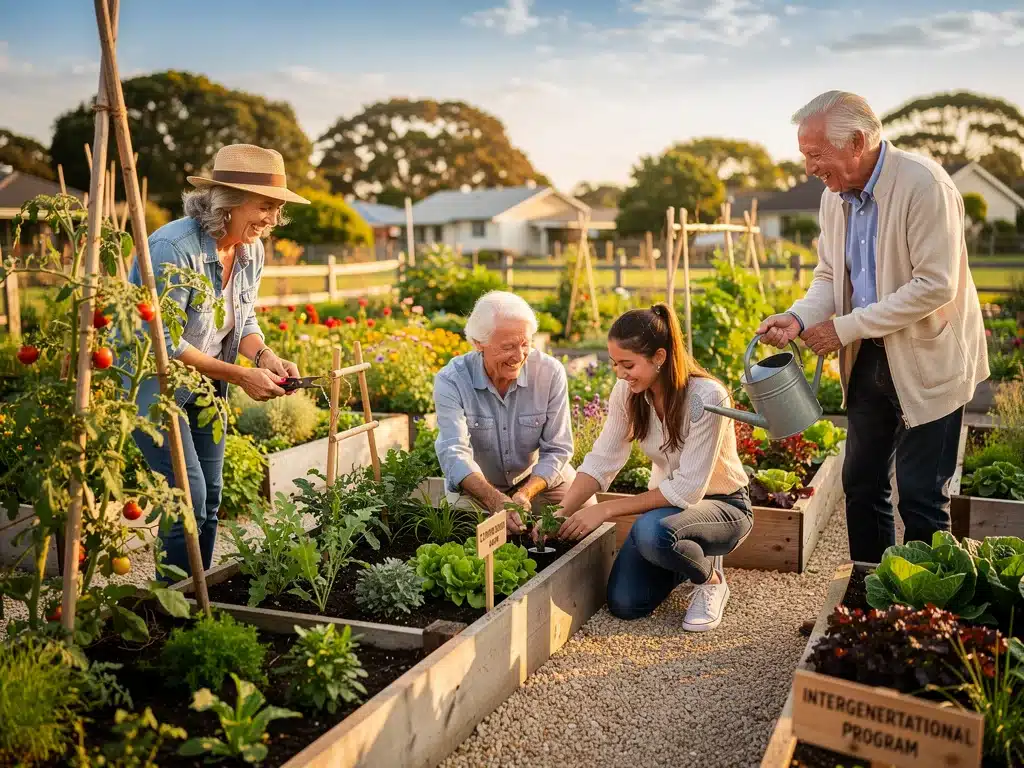
By offering diverse avenues for engagement, these initiatives not only provide seniors with a vital sense of purpose but also enrich the communities they serve, demonstrating that age is no barrier to active and impactful contribution. The programs foster a sense of belonging and reduce isolation.
The expansion of volunteer and civic engagement opportunities for seniors is a testament to the belief that older adults remain valuable assets to society, capable of making significant contributions that strengthen the fabric of their communities.
| Key Innovation | Brief Description |
|---|---|
| Integrated Care Networks | Holistic, coordinated care for seniors, combining health, social, and family support within communities. |
| Tech-Driven Engagement | Platforms using technology to combat senior social isolation through virtual communities and activities. |
| Intergenerational Programs | Initiatives connecting seniors with younger generations for mutual learning, mentorship, and community building. |
| Age-Friendly Urban Design | Planning and housing solutions that make urban environments accessible, safe, and supportive for older adults. |
Frequently asked questions about aging in America
By 2026, key challenges for American seniors include social isolation, navigating complex healthcare systems, financial vulnerability to scams, and maintaining physical mobility. Innovations aim to mitigate these issues by fostering community, simplifying access to services, and enhancing financial literacy.
Integrated community care networks offer comprehensive support, coordinating health, social, and personal care services to help seniors age in place. They reduce hospital readmissions, improve mental well-being, and ensure a higher quality of life by addressing diverse needs holistically.
Yes, technology, when designed with accessibility in mind, significantly reduces social isolation. Platforms enable virtual gatherings, online learning, and video calls, connecting seniors with family, friends, and new communities, fostering a sense of belonging and combating loneliness effectively.
Intergenerational programs provide seniors with purpose, opportunities to share wisdom, and social interaction, combating ageism. They benefit younger generations through mentorship and shared experiences, enriching communities and fostering mutual respect and understanding across age groups.
Financial literacy education is vital for seniors to protect against increasing fraud and make informed financial decisions. It empowers them to manage retirement funds securely, identify scams, and safeguard their assets, ensuring financial stability and peace of mind in their later years.
Conclusion
The landscape of aging in America is undergoing a profound transformation, driven by an array of innovative social solutions aimed at enhancing the lives of senior populations. From the holistic support offered by integrated community care networks to the empowering effects of technology-driven social engagement and the enriching exchanges of intergenerational programs, the future of senior support in 2026 looks promising. These initiatives, coupled with age-friendly urban planning, robust financial literacy, and diverse civic engagement opportunities, collectively paint a picture of a society increasingly committed to fostering dignity, independence, and well-being for its older citizens. The continued evolution and widespread adoption of these social innovations will be crucial in ensuring that aging is not just about longevity, but about living a fulfilling and connected life.