The 2026 Energy Policy Landscape: From Renewables to Grid Modernization
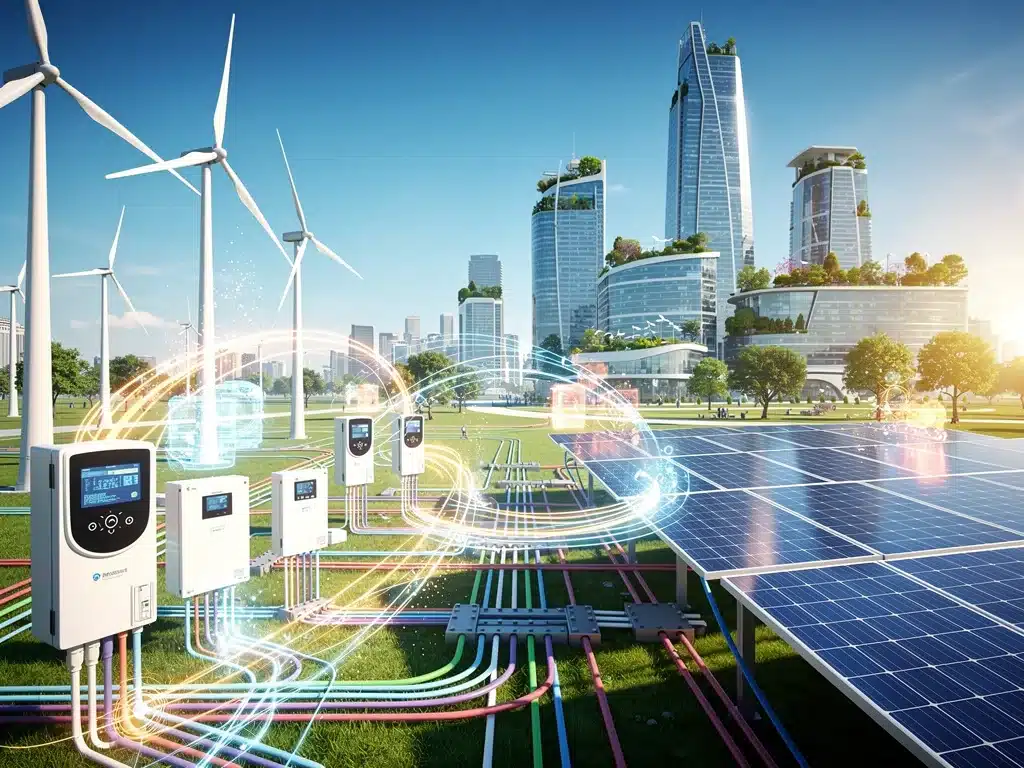
The 2026 energy policy landscape is profoundly shaped by an accelerating transition to renewable sources and essential grid modernization, driven by climate goals and technological advancements.
The year 2026 is poised to be a pivotal moment in the evolution of energy across the United States. As we navigate pressing environmental challenges and rapidly advancing technologies, understanding the 2026 energy policy landscape: from renewables to grid modernization becomes not just important, but essential. This comprehensive overview will delve into the critical shifts, emerging trends, and the profound implications these policies hold for our future energy security and sustainability.
The accelerating shift towards renewable energy sources
The drive towards renewable energy is no longer a distant aspiration but a rapidly accelerating reality. By 2026, federal and state policies are expected to solidify commitments, pushing for an even greater integration of clean energy technologies into the national grid. This shift is fueled by a combination of declining costs for solar and wind power, increasing public awareness of climate change, and strategic geopolitical considerations aimed at energy independence.
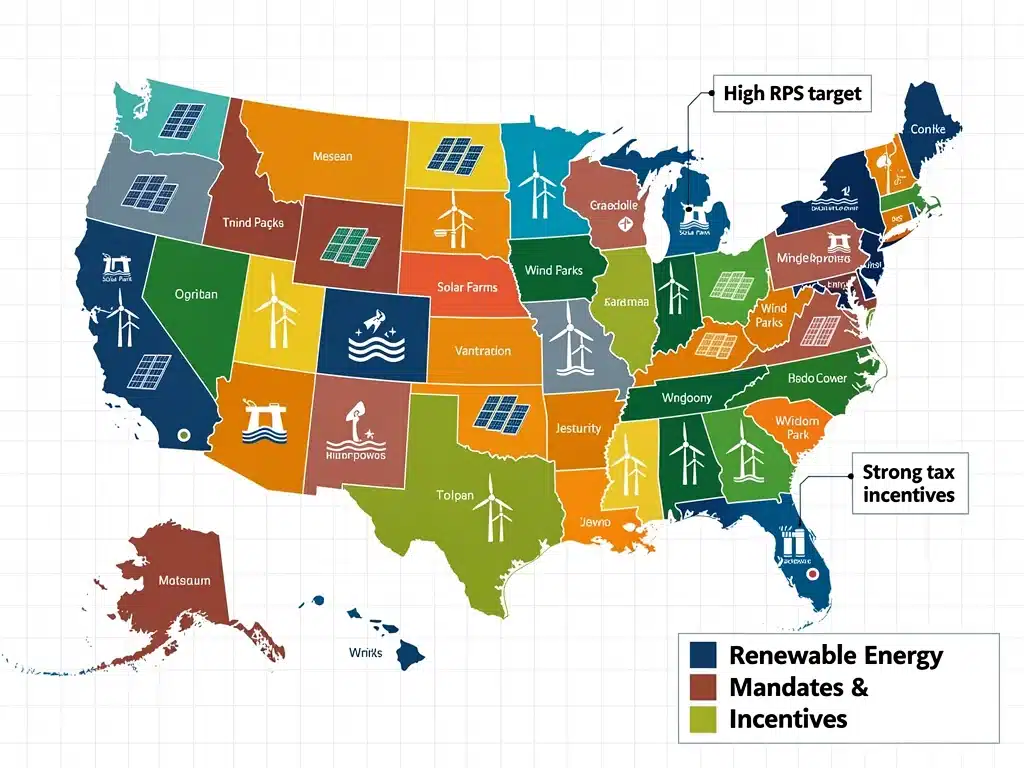
Many states have already established aggressive renewable portfolio standards (RPS), mandating a certain percentage of electricity to come from renewable sources. These targets are often revised upwards, reflecting technological advancements and growing political will. The federal government, through various initiatives and incentives, continues to play a crucial role in fostering this transition, offering tax credits and research grants that make clean energy projects more financially viable.
Federal incentives and state-level mandates
At the federal level, policies such as the Investment Tax Credit (ITC) for solar and the Production Tax Credit (PTC) for wind have been instrumental in driving growth. While these credits may see adjustments, their fundamental role in de-risking investments in renewable projects is undeniable. States, however, often lead the charge with their own unique policy frameworks.
- Renewable Portfolio Standards (RPS): Mandates requiring utilities to source a minimum percentage of their electricity from renewables.
- Net Metering Policies: Allow consumers to receive credit for excess electricity generated by their solar panels and fed back into the grid.
- Clean Energy Funds: State-level funds generated from surcharges on utility bills or other mechanisms to support renewable energy development.
- Permitting Streamlining: Efforts to simplify and accelerate the approval process for new renewable energy projects.
The combination of these federal and state-level policies creates a robust framework that supports the continued expansion of renewable energy. This intricate web of regulations and incentives ensures that the momentum towards a cleaner energy future remains strong, even amidst evolving economic conditions.
The overarching goal of these policies is not just environmental protection, but also economic development and energy security. By diversifying the energy mix and reducing reliance on fossil fuels, the United States aims to create a more resilient and sustainable energy system for the long term. This strategic pivot is fundamental to the 2026 energy policy landscape, laying the groundwork for significant transformation.
The imperative of grid modernization for a resilient future
As renewable energy sources proliferate, the need for a modern, resilient, and intelligent electricity grid becomes paramount. The traditional grid infrastructure, designed for centralized power generation, is ill-equipped to handle the intermittent nature of solar and wind power, or the complexities introduced by distributed energy resources (DERs) like rooftop solar and battery storage. Grid modernization efforts in 2026 are therefore focused on enhancing reliability, efficiency, and cybersecurity.
Key aspects of grid modernization include the deployment of smart grid technologies, such as advanced metering infrastructure (AMI), intelligent sensors, and automated control systems. These technologies enable real-time monitoring and management of electricity flow, allowing utilities to respond more effectively to demand fluctuations and potential outages. The ultimate aim is to create a self-healing grid that can automatically detect and isolate faults, minimizing disruption.
Smart grid technologies and their impact
Smart grid technologies are revolutionizing how electricity is generated, transmitted, and consumed. They provide a level of granular control and data visibility that was previously impossible, transforming the entire energy value chain. This transformation is not just about technology; it’s about a fundamental shift in how we manage and interact with our energy supply.
- Advanced Metering Infrastructure (AMI): Provides two-way communication between utilities and customers, enabling detailed consumption data and demand response programs.
- Energy Storage Systems: Batteries and other storage solutions that can store excess renewable energy and release it when needed, balancing supply and demand.
- Distributed Energy Resources (DER) Management: Software and systems to integrate and optimize small-scale energy generation and storage at the customer level.
- Cybersecurity Enhancements: Robust protocols and technologies to protect the grid from cyber threats, which are increasingly sophisticated.
The integration of these smart technologies is crucial for maximizing the benefits of renewable energy. Without a modernized grid, the full potential of solar and wind power cannot be realized, as their variability can strain an outdated infrastructure. Therefore, significant investments and policy support are being directed towards upgrading the grid, making it a cornerstone of the 2026 energy policy agenda.
Moreover, grid modernization is essential for improving overall energy efficiency and reducing transmission losses. By optimizing energy flow and enabling more precise control, smart grids can deliver electricity more efficiently, contributing to both economic savings and environmental benefits. This holistic approach ensures a more robust and responsive energy system.
Federal and state roles in shaping the energy transition
The complex tapestry of the U.S. energy landscape is woven through the interplay of federal and state policies. In 2026, this dynamic continues to evolve, with both levels of government playing distinct yet interconnected roles in driving the energy transition. Federal policies often set broad guidelines and provide financial incentives, while states frequently innovate with more specific regulations tailored to their unique energy profiles and economic conditions.
The federal government, through agencies like the Department of Energy (DOE) and the Environmental Protection Agency (EPA), influences research and development, sets emissions standards, and manages national energy infrastructure projects. Its role in fostering interstate cooperation for grid reliability and developing national energy strategies is critical. Meanwhile, states often lead on issues such as renewable energy mandates, utility regulation, and local permitting processes.
Collaboration and potential conflicts
While collaboration between federal and state entities is often productive, potential conflicts can arise due to differing political priorities or economic interests. For instance, a federal mandate for emissions reductions might be met with resistance in states heavily reliant on fossil fuel industries. Navigating these tensions is a key challenge for policymakers in 2026.
- Regulatory Alignment: Efforts to harmonize federal and state regulations to reduce complexity for energy developers.
- Funding Mechanisms: Federal grants and loans often require state matching funds or compliance with specific criteria.
- Interstate Transmission: Federal agencies play a significant role in facilitating the construction of transmission lines that cross state borders, crucial for renewable energy integration.
- Local Permitting: States and local governments retain significant authority over siting and permitting of energy infrastructure, leading to varying development timelines.
The effectiveness of the energy transition hinges on effective coordination and a shared vision between federal and state governments. Policies that encourage dialogue and provide flexible frameworks are more likely to succeed in accelerating the adoption of renewables and modernizing the grid. This collaborative spirit is vital for overcoming the inherent challenges of a decentralized energy system.
Ultimately, the balance between federal oversight and state autonomy will determine the pace and direction of energy policy in 2026. Understanding these distinct roles and the areas of overlap or potential friction is essential for anyone analyzing the future of energy in the United States.
The evolving role of energy storage and distributed energy resources
Energy storage technologies, particularly batteries, and distributed energy resources (DERs) are rapidly transforming the energy landscape. By 2026, these technologies are expected to play an even more central role, enhancing grid flexibility, improving reliability, and empowering consumers. Policies are adapting to facilitate their integration and unlock their full potential, moving beyond traditional centralized models of power generation.
Battery storage, for example, addresses the intermittency of renewable sources like solar and wind by storing excess generation and discharging it when demand is high or renewable output is low. This capability is critical for balancing the grid and ensuring a stable power supply. Similarly, DERs, such as rooftop solar, community solar projects, and microgrids, decentralize power generation, making the grid more resilient to large-scale outages.
Policy frameworks for integration
To fully leverage energy storage and DERs, robust policy frameworks are necessary. These policies aim to create market mechanisms that properly value the services provided by these resources, such as grid stability, peak shaving, and backup power. Without clear regulatory guidance, the deployment of these technologies can be hampered.
- Market Participation Rules: Policies enabling energy storage and DERs to participate in wholesale electricity markets, alongside traditional power plants.
- Interconnection Standards: Clear and streamlined processes for connecting DERs to the grid, reducing technical and administrative barriers.
- Incentives for Deployment: Tax credits, rebates, and grant programs to encourage the adoption of energy storage and DERs by homes and businesses.
- Microgrid Development Support: Policies promoting the creation of localized energy grids that can operate independently during outages, enhancing community resilience.
The integration of energy storage and DERs represents a fundamental shift towards a more dynamic and responsive energy system. These technologies empower consumers to become active participants in the energy market, rather than passive recipients of electricity. The policies of 2026 will be instrumental in shaping this new paradigm, ensuring a smooth and equitable transition.
Moreover, the growth of these technologies has significant implications for grid planning and operation. Utilities are increasingly incorporating DERs into their resource planning, recognizing their ability to defer costly infrastructure upgrades and enhance overall system efficiency. This evolving approach underscores the transformative impact of storage and DERs on the 2026 energy policy landscape.
Environmental justice and equitable energy access
As the United States accelerates its energy transition, issues of environmental justice and equitable energy access are gaining significant prominence in policy discussions. Historically, marginalized communities have disproportionately borne the brunt of pollution from fossil fuel infrastructure, while often having less access to clean energy solutions and energy efficiency programs. In 2026, policies are increasingly designed to address these disparities, ensuring a just and inclusive transition.
Environmental justice initiatives aim to ensure that all communities, regardless of race, income, or location, have equal protection from environmental and health hazards, and equal access to decision-making processes. In the energy sector, this translates to prioritizing investments in clean energy infrastructure in underserved areas, reducing pollution from existing facilities, and creating green job opportunities for local residents.

Addressing energy burdens and promoting inclusivity
Energy burden, the percentage of household income spent on energy costs, is often higher in low-income communities. Policies in 2026 are focusing on reducing this burden through energy efficiency upgrades, community solar programs that offer lower electricity rates, and targeted financial assistance. The goal is to make clean energy affordable and accessible for everyone.
- Targeted Clean Energy Investments: Directing funds and incentives towards renewable energy projects in disadvantaged communities.
- Workforce Development Programs: Training and job placement initiatives to ensure local residents benefit from the growing green energy sector.
- Community Benefit Agreements: Requiring energy project developers to provide direct benefits to the communities where their facilities are located.
- Public Participation and Engagement: Ensuring that marginalized communities have a meaningful voice in energy planning and policy-making processes.
The integration of environmental justice principles into energy policy is not merely an ethical imperative; it is also crucial for building broad public support for the energy transition. By ensuring that the benefits of clean energy are shared widely and equitably, policymakers can foster a more resilient and cohesive movement towards a sustainable future.
The 2026 energy policy landscape recognizes that a successful transition must be just and inclusive. Efforts to rectify historical injustices and create a more equitable energy system are becoming integral to national and state-level strategies, shaping how clean energy projects are developed and deployed across the country.
Cybersecurity and physical infrastructure protection
As the energy grid becomes more digitized and interconnected, the threats of cyberattacks and physical assaults on infrastructure grow increasingly sophisticated. Protecting the nation’s energy systems from these vulnerabilities is a top priority in the 2026 energy policy landscape. A secure grid is fundamental not only to national security but also to economic stability and public safety.
Cyber threats can range from ransomware attacks targeting operational technology systems to sophisticated state-sponsored attempts to disrupt critical infrastructure. Physical threats include sabotage, extreme weather events, and even electromagnetic pulse (EMP) attacks. Policies are therefore evolving to implement robust defense mechanisms, enhance threat intelligence sharing, and improve incident response capabilities across the energy sector.
Strengthening defenses and fostering collaboration
Effective cybersecurity and physical infrastructure protection require a multi-layered approach, involving technology, policy, and human capital. This includes implementing advanced security controls, conducting regular vulnerability assessments, and fostering a culture of security awareness among energy sector employees. Collaboration between government agencies, utilities, and private security firms is also paramount.
- Mandatory Cybersecurity Standards: Enforcing strict cybersecurity requirements for critical energy infrastructure operators.
- Threat Intelligence Sharing: Facilitating the rapid exchange of information about emerging threats and vulnerabilities between government and industry.
- Physical Security Enhancements: Investing in technologies and strategies to protect substations, power plants, and other critical assets from physical attacks.
- Resilience Planning: Developing contingency plans and redundant systems to ensure rapid recovery from successful attacks or major disruptions.
The continuous evolution of threats means that energy policy in 2026 must be agile and adaptive. Investment in research and development for next-generation security solutions is vital, as is the ongoing training of a skilled cybersecurity workforce. The integrity of the energy grid directly impacts every aspect of modern life, making its protection a non-negotiable aspect of energy policy.
Ultimately, safeguarding the energy grid is an ongoing challenge that demands sustained attention and resources. The policies adopted in 2026 will reflect a deepened understanding of these threats and a commitment to building a resilient and secure energy future, capable of withstanding both digital and physical assaults.
The role of technological innovation and research & development
Technological innovation and robust research and development (R&D) are the bedrock upon which the future of energy policy is built. In 2026, the emphasis on pioneering new solutions and optimizing existing ones is stronger than ever, driving advancements across the entire energy spectrum, from generation and transmission to consumption and storage. Policies are increasingly designed to foster this innovation, recognizing its critical role in achieving ambitious energy and climate goals.
R&D efforts are focused on improving the efficiency and cost-effectiveness of renewable energy technologies, such as advanced solar cells and more powerful wind turbines. Beyond generation, significant investments are directed towards developing cutting-edge grid technologies, including advanced sensors, artificial intelligence for grid management, and novel energy storage solutions that go beyond current battery limitations. Furthermore, research into new forms of clean energy, like advanced nuclear and geothermal, continues to be a key area.
Funding innovation and accelerating deployment
Government funding, often in partnership with private industry and academic institutions, plays a pivotal role in de-risking early-stage research and bringing promising technologies to market. Policies that create clear pathways for pilot projects and commercial deployment are essential for translating laboratory breakthroughs into real-world impact.
- Federal Research Grants: Funding for universities and national labs to explore foundational and applied energy science.
- Private-Public Partnerships: Collaborative ventures that pool resources and expertise to accelerate technology development.
- Demonstration Projects: Support for large-scale pilot programs that test new technologies in real-world operating environments.
- Regulatory Sandboxes: Flexible regulatory environments that allow for the testing of innovative energy solutions without immediate, full compliance with all existing rules.
The pace of technological change in the energy sector is rapid, and policies must be agile enough to keep up. By actively supporting innovation and R&D, the 2026 energy policy landscape aims to ensure that the United States remains at the forefront of the global clean energy transition, creating new industries and jobs in the process.
Moreover, innovation is not just about creating new technologies; it’s also about optimizing existing ones and developing smarter ways to integrate them. This includes advancements in software for grid management, predictive analytics for renewable energy forecasting, and materials science for more durable and efficient components. This holistic approach to R&D is a cornerstone of future energy security and sustainability.
| Key Policy Area | Brief Description |
|---|---|
| Renewable Energy Expansion | Accelerated integration of solar, wind, and other clean sources through incentives and mandates. |
| Grid Modernization | Upgrading infrastructure with smart technologies for enhanced resilience and efficiency. |
| Energy Storage & DERs | Policies supporting battery storage and distributed energy resources for grid flexibility. |
| Environmental Justice | Ensuring equitable access to clean energy and addressing historical disparities in energy policy. |
Frequently asked questions about 2026 energy policy
The primary drivers include the urgent need to address climate change, technological advancements in renewable energy, the imperative for grid resilience, and evolving geopolitical considerations regarding energy independence. Economic incentives and public demand for cleaner energy also play significant roles in shaping these policies.
Grid modernization is expected to bring several benefits to consumers, including more reliable power, fewer outages, and potentially lower energy costs through improved efficiency. Smart grid technologies will also enable consumers to better manage their energy consumption and participate in demand response programs, leading to greater control and savings.
Federal tax credits, such as the Investment Tax Credit (ITC) for solar and the Production Tax Credit (PTC) for wind, significantly reduce the upfront costs of renewable energy projects. These incentives make clean energy more competitive with traditional fossil fuels, attracting private investment and accelerating the deployment of renewable technologies across the nation.
Environmental justice concerns are being integrated through policies that prioritize clean energy investments in disadvantaged communities, address energy burden, promote local workforce development for green jobs, and ensure equitable access to decision-making processes. The goal is to correct historical inequities and ensure a fair transition for all.
The biggest challenges include the increasing sophistication of cyberattacks, the growing attack surface due to grid digitization, and the need for continuous adaptation to new threats. Ensuring robust threat intelligence sharing, implementing advanced security protocols, and fostering a skilled cybersecurity workforce are critical to mitigating these risks effectively.
Conclusion
The 2026 energy policy landscape represents a dynamic and transformative period for the United States. The unwavering commitment to accelerating renewable energy adoption, coupled with crucial investments in grid modernization, forms the bedrock of a more sustainable and resilient energy future. Federal and state governments are working in concert, albeit with occasional friction, to create frameworks that support innovation, enhance energy security, and address critical issues of environmental justice and equitable access. As technology continues to advance and societal demands shift, the policies enacted in 2026 will undoubtedly shape the trajectory of energy for decades to come, moving us closer to a cleaner, more efficient, and secure energy system for all Americans.