Essential Home Maintenance Checklist for 2026: Prevent Costly Repairs Annually

An essential home maintenance checklist for 2026 is vital for homeowners to proactively identify and address potential issues, preventing costly repairs and extending the lifespan of their property’s systems and structures.
Owning a home is a significant investment, one that requires continuous care and attention to maintain its value and ensure its safety. An essential home maintenance checklist for 2026: prevent costly repairs annually is not just a recommendation; it’s a critical strategy for every homeowner. By dedicating time to regular upkeep, you can avoid unexpected breakdowns and expensive interventions, securing your peace of mind and protecting your most valuable asset.
Understanding the Importance of Proactive Home Care
Proactive home care goes beyond simply fixing things when they break. It involves anticipating potential issues, conducting regular inspections, and performing preventative tasks that extend the life of your home’s components. This foresight can save you significant money and stress in the long run.
Many homeowners underestimate the cumulative effect of small, unchecked problems. A leaky faucet might seem minor, but it can lead to water damage, mold growth, and higher utility bills over time. Similarly, neglected HVAC systems can break down during extreme weather, leaving you uncomfortable and facing emergency repair costs.
The Financial Benefits of Regular Maintenance
Investing in routine maintenance is far more cost-effective than waiting for major repairs. Preventative measures, such as cleaning gutters or sealing drafts, are typically inexpensive and require minimal time. In contrast, addressing burst pipes, extensive mold remediation, or a complete HVAC system replacement can run into thousands of dollars.
- Reduced Repair Costs: Catching issues early prevents them from escalating into major, expensive problems.
- Increased Home Value: A well-maintained home retains its value better and is more attractive to potential buyers.
- Lower Utility Bills: Efficient systems, properly sealed windows, and good insulation reduce energy consumption.
- Extended Lifespan of Systems: Regular servicing prolongs the operational life of appliances and structural elements.
Ultimately, understanding the importance of proactive home care means recognizing that your home is a dynamic entity that requires continuous attention. By integrating a comprehensive maintenance schedule into your routine, you are not just performing chores; you are actively safeguarding your investment and ensuring a comfortable, safe living environment for years to come.
Exterior Maintenance: Protecting Your Home’s First Line of Defense
The exterior of your home is constantly exposed to the elements, making it crucial to maintain its integrity. Neglecting exterior maintenance can lead to water intrusion, structural damage, and a diminished curb appeal. A thorough annual check of your home’s exterior is fundamental for long-term protection.
From the roof down to the foundation, every component plays a role in shielding your home. Regular inspections allow you to identify and address minor wear and tear before it becomes a significant problem, potentially saving you from extensive and costly repairs.
Roof and Gutter Inspection
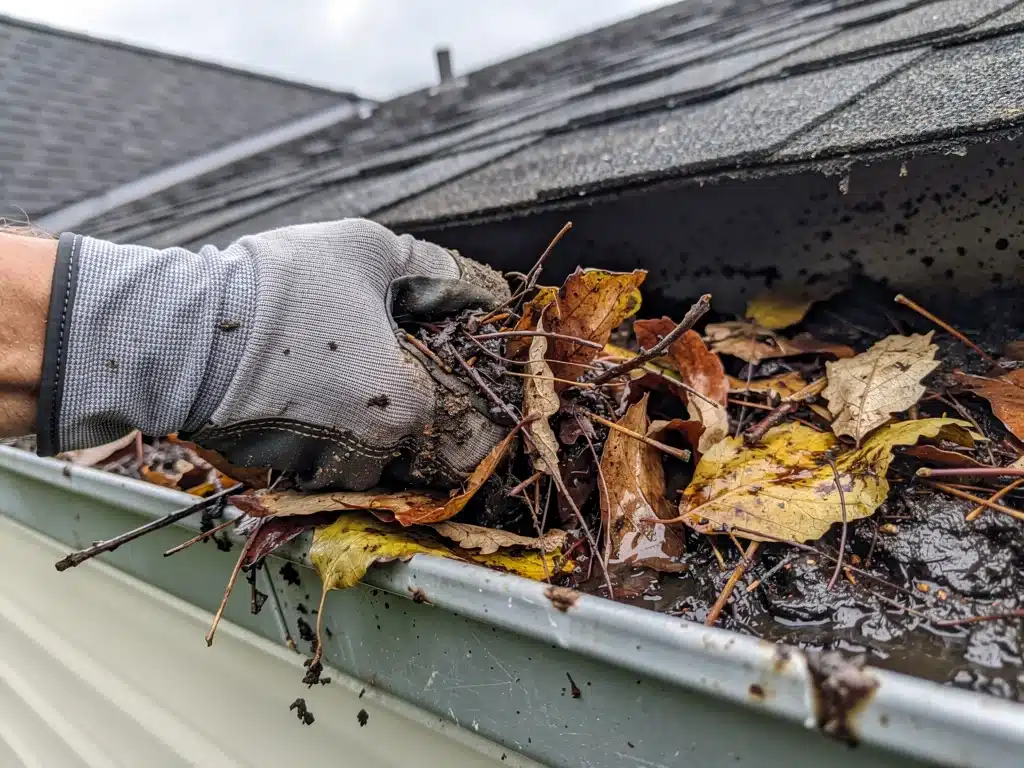
Your roof is your home’s primary shield against rain, snow, and sun. Annually, inspect your roof for damaged or missing shingles, signs of wear around chimneys and vents, and any moss or algae growth. Clear debris from gutters and downspouts to ensure proper water drainage, preventing water from backing up and damaging your fascia or foundation.
Maintaining clear gutters is paramount. Clogged gutters can lead to overflowing water, which can seep into your basement, damage landscaping, and even compromise the foundation of your home. It’s a simple task that yields significant protective benefits.
Foundation and Siding Checks
Walk around your home and examine the foundation for any cracks, settling, or signs of moisture. Small cracks can often be sealed, but larger issues may indicate structural problems. Inspect your siding for loose panels, rot, or insect damage. Promptly repair or replace damaged sections to prevent further deterioration and pest infestations.
- Seal Cracks: Use appropriate sealant for minor foundation cracks to prevent water entry.
- Inspect Siding: Look for warping, holes, or discoloration that could indicate damage.
- Trim Vegetation: Keep trees and shrubs trimmed away from your home to prevent moisture retention and pest access.
- Check Grading: Ensure the ground around your foundation slopes away from the house to direct water runoff.
By diligently maintaining your home’s exterior, you create a robust barrier against environmental stressors. This proactive approach not only preserves the structural integrity of your property but also enhances its aesthetic appeal and market value.
HVAC System: Ensuring Optimal Performance and Air Quality
Your heating, ventilation, and air conditioning (HVAC) system is crucial for maintaining comfortable indoor temperatures and good air quality throughout the year. Regular maintenance of your HVAC system is essential to ensure its efficiency, extend its lifespan, and prevent unexpected breakdowns, especially during peak seasons.
Neglecting HVAC maintenance can lead to higher energy bills, reduced system performance, and even health issues due to poor indoor air quality. A well-maintained system operates more quietly, efficiently, and reliably, providing consistent comfort.
Annual Professional Servicing
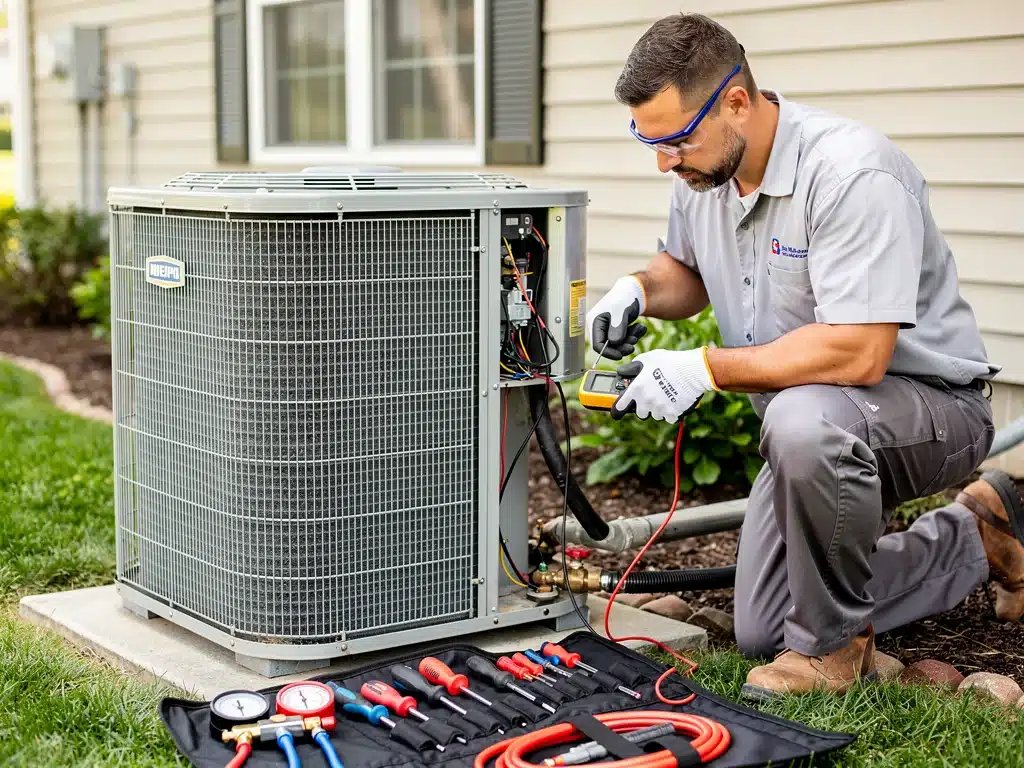
It is highly recommended to schedule professional HVAC servicing at least once a year, ideally before the heating or cooling season begins. A certified technician can perform a thorough inspection, clean components, check refrigerant levels, and identify any potential issues before they become major problems. This annual check-up is a cornerstone of preventative maintenance.
During a professional service, the technician will typically:
- Clean condenser and evaporator coils.
- Check and tighten electrical connections.
- Lubricate moving parts to reduce friction.
- Inspect the condensate drain for clogs.
- Verify thermostat settings and calibration.
Filter Replacement and Duct Cleaning
Between professional services, homeowners should regularly replace or clean air filters, typically every 1 to 3 months, depending on usage and household conditions (e.g., pets, allergies). Dirty filters restrict airflow, reduce efficiency, and can lead to system strain and higher energy consumption. Periodically, consider having your air ducts cleaned, especially if you notice excessive dust or have recently completed renovations. Clean ducts contribute significantly to better indoor air quality and system efficiency.
Regular filter replacement is one of the simplest yet most effective maintenance tasks you can perform. It directly impacts the air you breathe and the longevity of your HVAC unit. Neglecting this can lead to diminished performance and increased wear and tear on the system’s components.
By committing to both professional annual servicing and routine homeowner tasks like filter replacement, you ensure your HVAC system runs smoothly and efficiently. This proactive approach not only keeps your home comfortable but also helps manage energy costs and prevents costly emergency repairs.
Plumbing and Water Systems: Preventing Leaks and Water Damage
Water can be a home’s best friend and its worst enemy. A well-maintained plumbing system is critical for preventing leaks, water damage, and the associated health risks like mold. Annual checks of your plumbing and water systems can identify small issues before they turn into disastrous and expensive problems.
From faucets to water heaters, every component of your plumbing system requires attention. Proactive inspection and minor repairs can save you from significant headaches and costly remediation down the line, ensuring a reliable water supply and drainage.
Inspecting for Leaks and Drips
Regularly check all visible pipes, faucets, and toilets for any signs of leaks or drips. Even a small drip can waste hundreds of gallons of water annually and lead to mold growth or structural damage over time. Pay close attention to areas under sinks, around toilets, and near water-using appliances like dishwashers and washing machines.
- Check under sinks: Look for water stains or dampness in cabinets.
- Inspect toilet bases: Ensure there’s no water pooling or unusual sounds.
- Examine appliance hoses: Check for cracks or bulges in washing machine and dishwasher hoses.
- Monitor water meter: If you suspect a hidden leak, turn off all water and check if your water meter still moves.
Water Heater Maintenance
Your water heater is a vital appliance, and proper maintenance can significantly extend its life and efficiency. Annually, drain a few gallons from the bottom of your water heater tank to flush out sediment. Sediment buildup can reduce efficiency, cause corrosion, and shorten the unit’s lifespan. Also, check the pressure relief valve to ensure it’s functioning correctly.
Knowing how to turn off your main water supply in an emergency is also a crucial safety measure. This can prevent extensive damage if a pipe bursts or a major leak occurs. Ensure all family members know the location of the main shut-off valve.
By diligently maintaining your plumbing and water systems, you protect your home from the destructive power of water and ensure the continuous, efficient operation of essential utilities. This preventative care is a cornerstone of an effective home maintenance checklist for 2026.
Electrical Systems: Safety and Efficiency Checks
The electrical system is the lifeblood of your modern home, powering everything from lights to essential appliances. Ensuring its safety and efficiency is paramount, not only to prevent costly repairs but, more importantly, to mitigate fire hazards and electrical shocks. Regular checks of your electrical components are a non-negotiable part of any comprehensive home maintenance plan.
Many electrical issues start small, with flickering lights or warm outlets, but can quickly escalate into dangerous situations if ignored. Being proactive about electrical maintenance protects both your property and your loved ones.
Panel Box and Outlet Inspections
Annually, inspect your electrical panel for any signs of rust, corrosion, or loose wires. Ensure that circuit breakers are clearly labeled and functioning correctly. Test ground-fault circuit interrupter (GFCI) outlets in bathrooms, kitchens, and outdoor areas monthly to confirm they trip properly, providing crucial protection against electrical shocks. Also, check wall outlets for signs of charring, warmth, or loose connections, which could indicate overloaded circuits or faulty wiring.
Overloaded circuits are a common cause of electrical fires. If an outlet feels warm to the touch or frequently trips a breaker, it’s a clear sign of an underlying issue that needs immediate attention from a qualified electrician.
Appliance Cord and Wiring Checks
Regularly inspect power cords on all appliances for fraying, cracks, or damage. Replace any compromised cords immediately. Avoid running extension cords under rugs or heavy furniture, as this can lead to overheating and fire risks. Ensure that all major appliances are plugged directly into wall outlets and not into power strips, as they require dedicated power sources.
- Unplug and Inspect: Periodically unplug appliances and inspect their cords for damage.
- Avoid Overloading: Distribute electrical loads evenly across circuits.
- Professional Review: Consider an electrical system review by a licensed electrician every few years, especially in older homes.
- Proper Use of Surge Protectors: Use surge protectors for sensitive electronics, but understand they are not substitutes for proper wiring.
By adhering to these electrical safety and efficiency checks, you significantly reduce the risk of electrical fires, system failures, and potential injury. Prioritizing electrical maintenance is a smart investment in your home’s safety and longevity, making it a critical part of your home maintenance checklist for 2026.
Appliance Care and General Interior Upkeep
Beyond the major systems, the everyday appliances and general interior elements of your home also require consistent attention. Proper care of appliances not only extends their life but also ensures they operate efficiently, saving you money on energy and potential replacement costs. General interior upkeep contributes to a healthier, more pleasant living environment.
Small, regular tasks can prevent larger issues from developing, maintaining the comfort and functionality of your home. From kitchen essentials to overall cleanliness, a holistic approach ensures everything functions optimally.
Kitchen and Laundry Appliance Maintenance
For your kitchen appliances, regularly clean the refrigerator coils to improve efficiency and prevent overheating. Replace water filters in your refrigerator and ensure the dishwasher filter is free of food debris. For laundry, clean the dryer vent and lint trap after every use to prevent fire hazards and improve drying efficiency. Periodically check washing machine hoses for cracks or bulges and replace them every few years.
A clogged dryer vent is a leading cause of household fires. Making sure it’s clear is a simple, yet incredibly important, safety measure that should be part of your routine. This small task can have significant protective benefits.
Interior Finishes and Pest Control
Inspect interior walls and ceilings for cracks, water stains, or peeling paint, addressing these issues promptly to prevent further damage. Check windows and doors for drafts, sealing any gaps to improve energy efficiency. Maintain a routine pest control strategy, including sealing entry points, storing food properly, and addressing any signs of infestation immediately to prevent structural damage and health concerns.
- Seal Drafts: Use caulk or weatherstripping around windows and doors.
- Check Smoke and CO Detectors: Test monthly and replace batteries annually.
- Deep Clean Carpets: Annually deep clean carpets to remove allergens and extend their life.
- Monitor for Pests: Look for droppings, gnaw marks, or unusual noises.
By diligently caring for your appliances and maintaining interior finishes, you ensure your home remains comfortable, functional, and aesthetically pleasing. These tasks, though seemingly minor, play a significant role in preventing costly repairs and preserving your home’s overall condition, making them integral to the home maintenance checklist for 2026.
Seasonal Adjustments and Long-Term Planning
Effective home maintenance isn’t a one-time event; it’s an ongoing process that adapts to the changing seasons and incorporates long-term planning. Adjusting your maintenance tasks seasonally ensures your home is prepared for varying weather conditions, while long-term planning helps you budget for major replacements and upgrades, preventing financial surprises.
Thinking ahead about your home’s needs allows you to spread out costs and plan for necessary improvements, ensuring your property remains safe, efficient, and comfortable for years to come. This strategic approach is key to smart homeownership.
Spring and Fall Preparations
Spring is ideal for exterior inspections after winter’s harshness. Focus on roof, gutters, siding, and foundation. Clean outdoor living spaces, service your AC unit, and prepare your lawn and garden. Fall is about preparing for winter: clean gutters again, inspect heating systems, seal windows and doors, and winterize outdoor faucets. These seasonal shifts guide specific tasks to protect against extreme temperatures.
Winterizing outdoor plumbing is a simple step that can prevent burst pipes and significant water damage. Draining hoses and turning off outdoor water spigots before the first freeze can save you a major headache and expense.
Budgeting for Major Replacements
Beyond annual tasks, it’s crucial to plan for the eventual replacement of major home components like the roof, HVAC system, water heater, and major appliances. These items have finite lifespans, and setting aside funds annually for their replacement can prevent financial strain when the time comes. Create a reserve fund and research the typical lifespan and replacement costs for each system to budget effectively.
- Roof Replacement: Typically every 20-30 years, depending on materials.
- HVAC System: Generally lasts 10-15 years for AC, 15-20 years for furnaces.
- Water Heater: Expect 8-12 years for tank models.
- Appliance Upgrades: Plan for kitchen and laundry appliance replacements every 10-15 years.
By incorporating seasonal adjustments into your routine and planning for long-term replacements, you adopt a holistic approach to home maintenance. This foresight ensures your home remains in excellent condition, mitigating risks and protecting your investment well into the future, a core principle of an effective home maintenance checklist for 2026.
| Key Maintenance Area | Brief Description of Task |
|---|---|
| Exterior & Roof | Inspect roof for damage, clean gutters, check siding and foundation for cracks or wear. |
| HVAC System | Schedule annual professional service, replace air filters every 1-3 months, consider duct cleaning. |
| Plumbing & Water | Check for leaks in pipes and fixtures, drain water heater annually, test pressure relief valve. |
| Electrical & Appliances | Inspect electrical panel and outlets, check appliance cords, clean refrigerator coils and dryer vents. |
Frequently Asked Questions About Home Maintenance
It’s recommended to inspect your roof and clean your gutters at least twice a year, typically in the spring and fall. This helps identify any damage from winter weather and prepares your home for heavy rains or snow, preventing water damage and costly repairs.
The most critical tasks include replacing air filters every 1-3 months and scheduling an annual professional inspection and tune-up. These actions ensure efficient operation, improve indoor air quality, and significantly extend the lifespan of your heating and cooling system.
Regularly check all visible pipes, faucets, and appliance hoses for drips or signs of moisture. Promptly repair any small leaks. Also, know the location of your main water shut-off valve to quickly stop water flow in an emergency, minimizing potential damage.
Annually, inspect your electrical panel for issues, test GFCI outlets monthly, and check all appliance cords for wear. Avoid overloading circuits and ensure outlets are not warm to the touch. Consider a professional electrical inspection every few years for older homes.
Long-term budgeting for major replacements like roofs, HVAC systems, and water heaters prevents financial stress. These items have finite lifespans, and setting aside funds annually ensures you’re prepared for these significant expenses, maintaining your home’s value and functionality without surprise costs.
Conclusion
Adopting an essential home maintenance checklist for 2026: prevent costly repairs annually is more than just a series of tasks; it’s a commitment to protecting your most valuable asset. By consistently performing routine inspections and preventative care, homeowners can significantly reduce the likelihood of unexpected breakdowns and expensive emergency repairs. From the integrity of your home’s exterior to the efficiency of its internal systems, proactive maintenance ensures a safer, more comfortable, and ultimately more valuable living space. Embrace these practices, and enjoy the peace of mind that comes with a well-cared-for home.