Childcare Subsidies 2026: Reduce Costs Up to 30% with Federal Programs

Federal programs in 2026 are poised to offer substantial financial relief for families, potentially reducing childcare costs by up to 30% through various subsidies, making quality care more accessible and affordable across the United States.
For many American families, the escalating cost of childcare remains a formidable financial burden, often rivaling housing or college tuition expenses. However, there’s promising news on the horizon for 2026. New and expanded federal programs are set to offer significant relief, with the potential for families to see their childcare expenses reduced by up to 30%. Understanding these initiatives is crucial for parents seeking to navigate the complex landscape of childcare financing and unlock substantial savings.
The Rising Tide of Childcare Costs in the US
Childcare costs have been on a relentless upward trajectory across the United States for decades, placing immense pressure on household budgets. This section delves into the factors contributing to these rising costs and sets the stage for understanding why federal intervention is not just helpful, but increasingly necessary for economic stability and family well-being.
The economic realities of providing quality childcare are complex. Factors such as stringent licensing requirements, low staff-to-child ratios, and the need for highly trained educators all contribute to the operational expenses of childcare facilities. These costs are inevitably passed on to parents, who often find themselves struggling to keep pace with the ever-increasing fees. The average annual cost of infant care, for instance, exceeds college tuition in many states, highlighting the severity of the financial strain.
Key Drivers of High Childcare Expenses
- Staff Wages and Training: Qualified childcare professionals demand competitive wages, and ongoing training is essential for maintaining high standards of care and education.
- Facility Overheads: Rent, utilities, insurance, and maintenance for safe and stimulating environments are significant expenditures for providers.
- Regulatory Compliance: Adherence to state and federal regulations regarding health, safety, and educational standards requires considerable investment.
- Supply and Demand Imbalance: In many areas, there’s a shortage of affordable, high-quality childcare options, allowing existing providers to charge higher rates.
Understanding these underlying cost drivers is the first step toward appreciating the value of federal programs. Without such interventions, many families would be forced to choose between quality care, parental employment, or severe financial hardship. The government’s role is to bridge this gap, ensuring that economic circumstances do not dictate a child’s access to early learning opportunities.
The persistent challenge of affording childcare affects families from all socioeconomic backgrounds, but it disproportionately impacts low- and middle-income households. The financial strain can lead to difficult decisions, such as a parent leaving the workforce, reducing income, and potentially hindering career progression. This cycle has broader economic implications, impacting workforce participation and overall economic growth. Federal programs aim to break this cycle by making childcare more accessible and sustainable for working families.
Understanding Federal Childcare Subsidies in 2026
As we look towards 2026, federal childcare subsidies are evolving to meet the growing needs of American families. These programs are designed to alleviate financial pressure, making quality childcare more attainable. This section will provide an overview of the primary federal mechanisms in place to support families with childcare costs.
The backbone of federal childcare assistance often lies in programs like the Child Care and Development Fund (CCDF). The CCDF provides funding to states, territories, and tribes to help low-income families afford childcare so that parents can work or attend school. In 2026, we anticipate enhancements to these existing frameworks, potentially including increased funding allocations and more flexible eligibility criteria to reach a broader spectrum of families. The goal is to move beyond mere assistance and create a system that truly supports child development and parental employment.
Primary Federal Programs for Childcare Assistance
- Child Care and Development Fund (CCDF): This fund is the largest federal program dedicated to childcare, offering subsidies to states to help eligible families pay for care.
- Child and Dependent Care Tax Credit (CDCTC): A federal tax credit designed to help families offset childcare expenses, often providing a non-refundable credit based on income and expenses.
- Head Start and Early Head Start: These comprehensive programs offer early childhood education, health, nutrition, and parent involvement services to low-income children and families.
Beyond these direct subsidy and tax credit programs, the federal government also supports childcare indirectly through various other initiatives. These can include grants for childcare providers to improve quality, funding for early childhood education research, and programs designed to support the childcare workforce. The combined effect of these initiatives is to create a more robust and affordable childcare ecosystem for families nationwide. The 2026 landscape is expected to see a greater emphasis on integrated approaches, linking childcare support with other family services.
It’s important for families to understand that eligibility for these programs can vary significantly based on factors such as income level, family size, and the age of the children. States often have their own specific rules and application processes for federal funds, making it essential for parents to research local guidelines. The anticipated changes in 2026 aim to streamline some of these processes, making it easier for families to access the support they need without undue bureaucratic hurdles.
Eligibility and Application: Navigating the System
Accessing federal childcare subsidies requires understanding specific eligibility criteria and navigating the application process. While the goal of these programs is to be inclusive, certain requirements must be met. This section outlines common eligibility factors and provides guidance on how families can successfully apply for assistance in 2026.
Eligibility for federal childcare programs typically hinges on several key factors, with income being the most prominent. Most programs are designed to assist low- and middle-income families, with specific income thresholds varying by state and family size. Beyond income, factors such as parental work or education status, the age of the child, and the type of care sought (e.g., center-based, family childcare) can also influence eligibility. Understanding these nuances is critical before beginning the application journey.
Common Eligibility Criteria
- Income Levels: Families must fall within specific income brackets, often expressed as a percentage of the State Median Income (SMI) or the Federal Poverty Level (FPL).
- Work or Education Requirements: Parents or guardians typically need to be working, seeking employment, or enrolled in an educational or training program.
- Child’s Age: Programs often target specific age groups, from infants to school-aged children, with some offering extended care.
- Residency: Applicants must generally be residents of the state or territory where they are applying for assistance.
The application process can vary depending on the specific program and state. For CCDF, applications are usually managed through state or local social services agencies. The Child and Dependent Care Tax Credit, on the other hand, is claimed when filing federal income taxes. Families should be prepared to provide documentation such as proof of income, employment verification, birth certificates for children, and details about their chosen childcare provider. Keeping organized records of all expenses and communications is highly recommended.
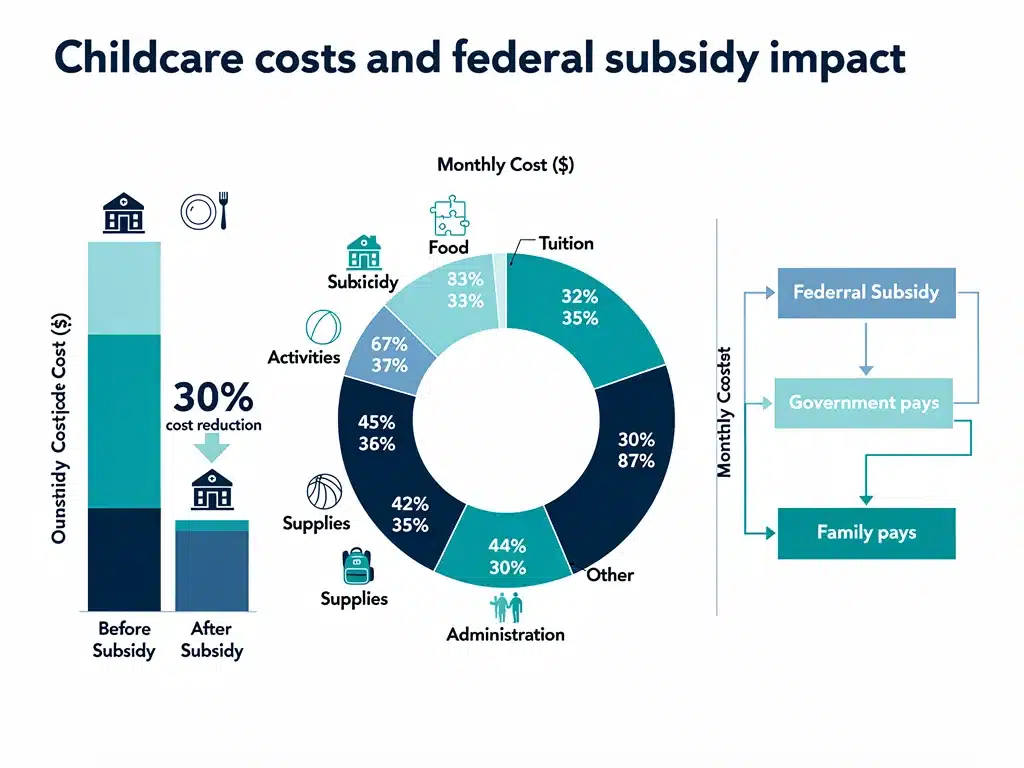
Looking ahead to 2026, there’s an anticipated push for more user-friendly online application portals and integrated information systems. The aim is to simplify the process, reduce paperwork, and ensure that families can easily determine their eligibility and access the necessary forms. Some states are also exploring universal pre-kindergarten initiatives, which, while not a direct subsidy, expand access to free early education for eligible children, thereby reducing overall childcare costs for many families.
Successful application requires diligence and attention to detail. It’s advisable to start the process early, as waiting lists for some programs can be lengthy. Families should also be proactive in seeking assistance from local agencies or community organizations that can offer guidance and support throughout the application journey. Many non-profits specialize in helping families navigate these complex systems, ensuring that no eligible family misses out on vital support.
New Initiatives and Expansions for 2026
The year 2026 is poised to bring significant advancements in federal childcare policy, with several new initiatives and expansions aimed at broadening access and increasing affordability. This section explores the anticipated changes and how they might impact families seeking assistance.
One of the most significant anticipated developments for 2026 is the potential for increased federal investment in childcare infrastructure. This could include grants to states for building new childcare facilities, renovating existing ones, and expanding the capacity of home-based childcare providers. Such investments are crucial for addressing the current shortage of quality childcare slots, particularly in underserved areas. By increasing the supply of childcare, these initiatives could help to stabilize costs and improve access for more families.
Anticipated Federal Policy Changes and Their Impact
- Enhanced Child Care and Development Block Grant (CCDBG) Funding: Expect an increase in funding for states, allowing them to serve more families and offer higher reimbursement rates to providers, which can lead to better quality care.
- Expanded Child Tax Credit (CTC) Provisions: While not solely for childcare, a more generous and fully refundable CTC could free up household income that families can then allocate towards childcare expenses.
- Universal Pre-Kindergarten (UPK) Push: Federal incentives for states to implement or expand UPK programs could provide free early education for all 3- and 4-year-olds, drastically cutting costs for many families.
- Workforce Development for Childcare Professionals: Programs aimed at increasing wages and training opportunities for childcare workers could stabilize the workforce, reduce turnover, and improve overall care quality.
Beyond direct funding, there’s also a growing focus on integrating childcare support with other family services. This could mean more coordinated efforts between childcare agencies, housing assistance programs, and food security initiatives. The goal is to provide holistic support to families, recognizing that childcare is just one piece of a larger puzzle. Such integrated approaches aim to address the multiple challenges faced by families, leading to more sustainable and impactful outcomes.
Another area of focus for 2026 is the simplification of eligibility requirements and the standardization of application processes across states. The current patchwork of rules can be confusing and burdensome for families. Federal efforts may aim to create more uniform guidelines, making it easier for families to understand what they qualify for and how to apply, regardless of where they live. This streamlining could significantly reduce administrative barriers and ensure more equitable access to support.
Maximizing Your Savings: Tips and Strategies
Even with federal subsidies, childcare can still represent a significant expense. This section offers practical tips and strategies for families to further maximize their savings and make the most of available federal programs in 2026, potentially pushing reductions beyond the initial 30%.
The first step in maximizing savings is to thoroughly research all available federal, state, and local programs. Don’t assume that if you qualify for one program, you won’t qualify for others. Many families are eligible for a combination of benefits, such as a federal subsidy coupled with a state tax credit or a local scholarship program. Creating a comprehensive list of potential resources is crucial. Local libraries, community centers, and online government portals are excellent starting points for this research.
Smart Strategies for Reducing Childcare Costs
- Combine Federal and State Programs: Investigate how federal subsidies can be stacked with state-specific grants, tax credits, or vouchers for greater financial relief.
- Utilize Flexible Spending Accounts (FSAs) or Dependent Care Assistance Programs (DCAPs): If offered by your employer, these pre-tax accounts can significantly reduce your taxable income, effectively lowering your childcare costs.
- Explore Employer-Sponsored Benefits: Some employers offer direct childcare subsidies, discounts with partner providers, or on-site childcare facilities as part of their employee benefits package.
- Consider Different Care Models: While centers are popular, family childcare homes, co-ops, or even nannies sharing can sometimes be more cost-effective, depending on your needs and location.
Beyond direct financial assistance, there are also practical ways to manage and reduce childcare expenses. For instance, some providers offer discounts for siblings, or for paying tuition upfront for a longer period. Negotiating rates, especially if you have multiple children or are seeking part-time care, might also be an option with smaller, independent providers. Always ask about any potential discounts or flexible payment plans.

Another often overlooked strategy is to actively engage with your local community. Parent groups, online forums, and community organizations can be invaluable resources for sharing information about affordable childcare options, available subsidies, and even potential childcare swaps with other families. Building a network of support can not only provide practical solutions but also offer emotional reassurance during what can be a stressful period. Being proactive and informed is key to unlocking the full potential for savings.
The Broader Impact of Accessible Childcare
The benefits of accessible and affordable childcare extend far beyond individual family budgets. When federal programs successfully reduce childcare costs, the ripple effects are felt across the economy and society as a whole. This section explores the significant broader impacts of robust childcare support.
One of the most immediate and profound impacts is on workforce participation. When childcare is affordable and reliable, parents, particularly mothers, are more likely to enter or remain in the workforce. This increased labor force participation boosts economic productivity, contributes to tax revenues, and helps to address labor shortages in various sectors. The economic empowerment of parents, especially women, is a critical component of a thriving national economy. Without accessible childcare, many talented individuals are forced to reduce their work hours or leave their jobs entirely.
Societal Benefits of Affordable Childcare
- Increased Workforce Participation: Empowers parents, especially mothers, to work, contributing to economic growth and household income.
- Improved Child Development: Access to high-quality early learning environments has long-term positive effects on children’s cognitive, social, and emotional development.
- Reduced Poverty Rates: For low-income families, childcare subsidies can be a crucial tool in breaking cycles of poverty, providing stability and opportunity.
- Enhanced Gender Equality: By easing the burden of childcare, policies help to level the playing field for women in the workplace and promote more equitable family responsibilities.
Beyond economic considerations, accessible childcare has a monumental impact on child development. High-quality early learning environments provide children with foundational skills that prepare them for success in school and life. Studies consistently show that children who attend quality early education programs have better academic outcomes, higher graduation rates, and are more likely to lead healthier, more productive lives. This early investment pays dividends for society in the long run, reducing the need for remedial education and social support services.
Furthermore, affordable childcare contributes to greater social equity. It ensures that children from all backgrounds have the opportunity to access enriching early experiences, regardless of their parents’ income or zip code. This helps to reduce educational disparities and provides a stronger start for vulnerable children. The collective well-being of a nation is directly linked to the well-being and development of its youngest citizens, making childcare an essential public good. The anticipated federal initiatives in 2026 are not just about financial relief; they are about investing in the future of the United States.
Preparing for Childcare Subsidies in 2026
As 2026 approaches, proactive preparation is key for families hoping to benefit from federal childcare subsidies. Understanding the landscape and taking preparatory steps now can ensure a smoother application process and maximize your chances of receiving assistance. This section provides actionable advice for getting ready.
One of the most important preparatory steps is to gather and organize all relevant financial and personal documents. This includes tax returns, pay stubs, proof of employment or enrollment in educational programs, birth certificates, and residency verification. Having these documents readily accessible will significantly streamline the application process when programs open or are updated for 2026. Delays often occur due to missing or incorrect documentation, so getting ahead on this front is a smart move.
Actionable Steps for Families
- Document Organization: Create a dedicated file for all income, employment, and family documents that may be required for subsidy applications.
- Stay Informed: Regularly check official government websites (federal, state, and local) for updates on program eligibility, funding, and application deadlines.
- Budget Assessment: Review your current childcare expenditures and understand how a potential 30% reduction would impact your household budget, allowing for better financial planning.
- Connect with Local Resources: Reach out to community organizations, childcare resource and referral agencies, or social services for personalized guidance and support.
Another crucial step is to research childcare providers in your area. Understand their accreditation, costs, and whether they accept federal or state subsidies. Some providers have limited slots for subsidized care, so it’s wise to inquire early. Visiting potential centers or homes, asking about their educational philosophy, and checking references can help you make an informed decision while also preparing for the application process, as some subsidies require you to name a specific provider.
Finally, consider reaching out to advocacy groups or non-profit organizations that focus on childcare access and affordability. These groups often have the most up-to-date information on upcoming policy changes, can offer advice on navigating the system, and may even provide direct assistance with applications. Their expertise can be invaluable in ensuring you are fully prepared to take advantage of all available childcare subsidies in 2026. Being well-informed and organized will undoubtedly put you in the best position to secure the financial relief you need.
| Key Aspect | Description for 2026 |
|---|---|
| Cost Reduction Potential | Federal programs can reduce childcare costs by up to 30% for eligible families. |
| Primary Federal Programs | Child Care and Development Fund (CCDF) and Child and Dependent Care Tax Credit (CDCTC) are key. |
| Eligibility Factors | Income, work/education status, child’s age, and residency are common criteria. |
| Future Outlook | Anticipated expansions in funding, simplified applications, and universal pre-K initiatives. |
Frequently Asked Questions About Childcare Subsidies
The primary federal programs include the Child Care and Development Fund (CCDF), which aids low-income families, and the Child and Dependent Care Tax Credit (CDCTC), a tax benefit for working parents. Head Start also provides comprehensive early learning services for eligible children.
Eligibility typically depends on your household income, family size, parental work or education status, and the child’s age. Specific income thresholds and requirements vary by state, so it’s best to check your state’s social services or child development agency websites for detailed guidelines.
You’ll generally need proof of income (pay stubs, tax returns), employment verification, children’s birth certificates, and proof of residency. Some programs may also require information about your chosen childcare provider. Always keep organized records of all financial and personal documents.
Yes, in many cases, federal subsidies can be combined with state or local programs to maximize financial relief. Families should research all available options at federal, state, and local levels to understand how different benefits can complement each other, potentially leading to greater cost reductions.
Federal programs like CCDF directly subsidize a portion of childcare tuition, while tax credits like CDCTC reduce your tax liability based on childcare expenses. Increased funding and new initiatives in 2026 aim to expand these benefits, making the 30% reduction a realistic and achievable target for many families.
Conclusion
The landscape of childcare in the United States is undergoing significant transformation, with federal programs in 2026 offering a beacon of hope for families grappling with high costs. The potential to reduce childcare expenses by up to 30% through these initiatives represents not just financial relief, but a crucial investment in early childhood development, workforce stability, and overall societal well-being. By understanding the available programs, navigating eligibility criteria, and proactively preparing for application, families can unlock substantial savings and ensure their children receive the quality care they deserve. These federal commitments underscore a growing recognition of childcare as an essential public good, vital for a prosperous and equitable future.