Social Justice Movements: Shaping US Policy in 2026
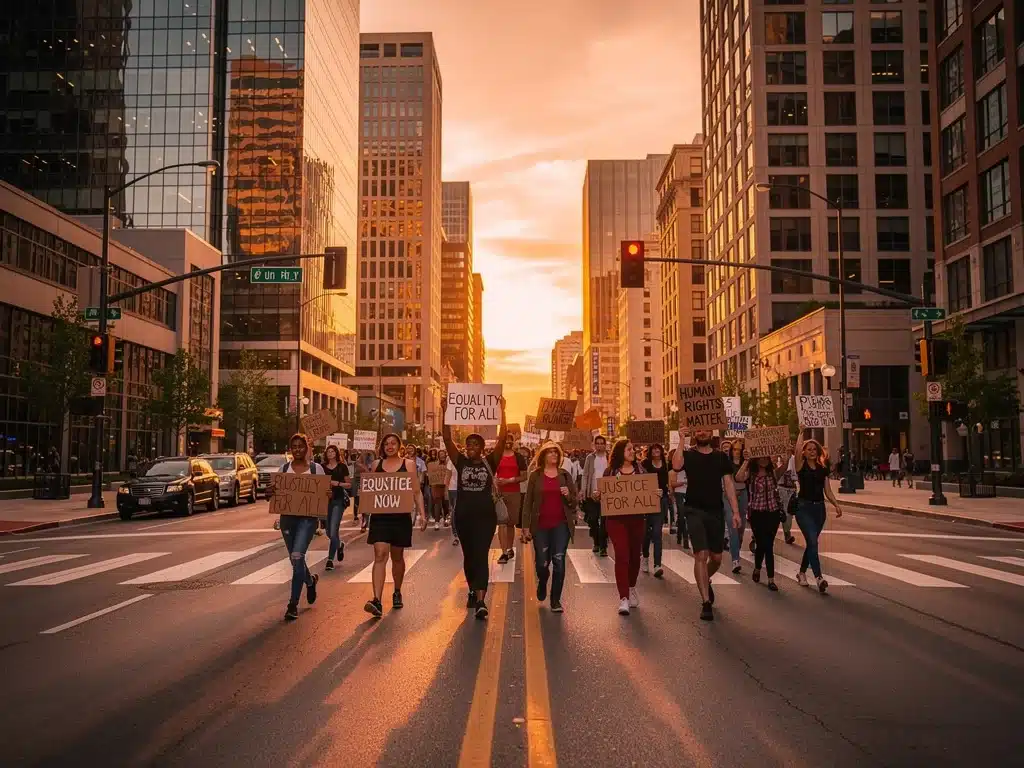
Social justice movements in 2026 are actively reshaping US policy by employing innovative digital strategies, grassroots organizing, and direct advocacy to influence legislative agendas and public consciousness effectively.
The landscape of American politics is in constant flux, and at its heart are the powerful forces of social justice movements. In 2026, understanding their evolving influence on US policy is more crucial than ever. These movements, driven by a deep commitment to equity and fairness, are not just advocating for change; they are actively dictating the terms of national dialogue and legislative action.
The evolving nature of social justice advocacy
Social justice advocacy has undergone a significant transformation, moving beyond traditional protest methods to embrace a multi-faceted approach. In 2026, movements are characterized by their adaptability, technological prowess, and deep understanding of policy mechanisms. This evolution allows them to exert influence at various levels of government and public discourse.
The digital age has profoundly reshaped how movements organize and communicate. Social media platforms, once tools for simple dissemination, are now sophisticated ecosystems for strategy, fundraising, and mobilization. Activists leverage data analytics to identify key demographics, tailor messages, and predict policy impacts, making their campaigns highly targeted and effective.
Digital mobilization and engagement
- Hyper-targeted campaigns: Utilizing AI and data science to reach specific audiences with personalized messages, increasing engagement and participation.
- Virtual organizing platforms: Hosting virtual town halls, workshops, and rallies that transcend geographical barriers, broadening reach and fostering a sense of global solidarity.
- Crowdfunding for legal and advocacy efforts: Democratizing funding for legal battles and lobbying, allowing smaller, grassroots organizations to compete with well-funded opposition.
Furthermore, the integration of storytelling and multimedia content has become central to their messaging. Documentaries, podcasts, and interactive web experiences are used to humanize complex issues, making them relatable and urgent to a wider audience. This emotional connection is vital for shifting public opinion and building sustained support for policy changes. The effectiveness of these digital strategies lies in their ability to create rapid response networks, allowing movements to react swiftly to political developments and maintain momentum.
Grassroots organizing and community power
While digital strategies are paramount, the bedrock of social justice movements remains robust grassroots organizing. In 2026, the emphasis on local community empowerment is stronger than ever, recognizing that systemic change often begins at the local level. These efforts build resilient networks that can sustain long-term advocacy.
Community organizers are focusing on building leadership from within marginalized groups, ensuring that the voices most affected by policy decisions are at the forefront of advocacy. This approach not only fosters authentic representation but also develops sustainable community-led initiatives that address specific local needs. Workshops on civic engagement, voter registration drives, and direct action training are common components of these grassroots efforts.
Building local coalitions
- Intersectional alliances: Forming coalitions across different identity groups to address interconnected issues, amplifying collective power and shared goals.
- Local policy advocacy: Engaging directly with city councils, county commissions, and state legislatures to influence local ordinances and state laws.
- Community mutual aid networks: Establishing systems of support that address immediate community needs, building trust and solidarity that underpins political action.
The power of these grassroots initiatives lies in their ability to translate broad policy goals into tangible local impacts. By demonstrating success at the community level, movements can build a compelling case for broader adoption of their policies. This localized approach also helps to inoculate movements against national political setbacks, providing a stable foundation for continued activism and influence. The sustained engagement at the local level ensures that policy changes are not just top-down mandates but are deeply rooted in community needs and aspirations.
Influencing legislative agendas
The direct influence of social justice movements on legislative agendas in 2026 is undeniable. They are not merely reacting to policy proposals but are actively shaping them, often introducing entirely new legislative concepts or re-framing existing debates. This proactive stance marks a mature phase in their advocacy.
Lobbying efforts have become increasingly sophisticated, with movements employing professional advocates and policy experts who understand the intricacies of legislative processes. These experts work alongside grassroots organizers to translate community demands into actionable policy language, ensuring that proposed legislation is both impactful and politically viable. The focus is often on long-term systemic changes rather than short-term gains, aiming to dismantle entrenched inequalities.
Key legislative strategies
- Policy drafting and consultation: Collaborating with lawmakers to draft legislation that reflects the specific needs and goals of their communities.
- Expert testimony and research: Providing compelling data and personal narratives to legislative committees, informing policy debates and influencing decision-makers.
- Public awareness campaigns: Launching targeted campaigns to educate the public and generate support for specific legislative initiatives, putting pressure on elected officials.
Moreover, movements are adept at identifying and supporting political candidates who align with their values, contributing to a pipeline of progressive leadership at all levels of government. This strategic involvement in electoral politics ensures that their concerns are represented within legislative bodies. The interplay between grassroots pressure and professional lobbying creates a powerful synergy that can push even reluctant lawmakers to consider and adopt social justice-oriented policies. This dual approach maximizes their reach and impact within the political system.
Shifting public discourse and cultural norms
Beyond direct policy influence, social justice movements are profoundly impacting public discourse and cultural norms in 2026. They are challenging conventional wisdom, expanding societal empathy, and redefining what is considered acceptable or unacceptable in public life. This cultural shift is often a precursor to lasting policy change.
Through persistent advocacy and education, movements are successfully bringing marginalized narratives into mainstream conversations. This includes highlighting historical injustices, critiquing systemic inequalities, and promoting inclusive language and representation. The media, educational institutions, and even corporations are increasingly responsive to these calls for greater social responsibility and awareness.
Cultural impact and awareness
- Media representation: Advocating for more diverse and accurate portrayals of various communities in film, television, and news, influencing public perception.
- Educational reform: Pushing for curricula that include comprehensive histories of marginalized groups and critical analyses of social justice issues.
- Corporate accountability: Holding businesses accountable for their social impact, leading to changes in hiring practices, supply chains, and philanthropic efforts.
The power of these movements to shift cultural norms lies in their ability to foster empathy and understanding. By sharing personal stories and experiences, they create connections that transcend political divides, making abstract issues tangible and relatable. This change in public consciousness creates a more fertile ground for legislative action, as policymakers become more attuned to the evolving values of their constituents. This sustained cultural work ensures that policy changes are not just legal mandates but are embraced and upheld by society at large.
Challenges and resistance faced by movements
Despite their growing influence, social justice movements in 2026 continue to face significant challenges and resistance. These obstacles range from political backlash and well-funded opposition to internal divisions and the sheer inertia of existing power structures. Navigating these hurdles requires strategic resilience.
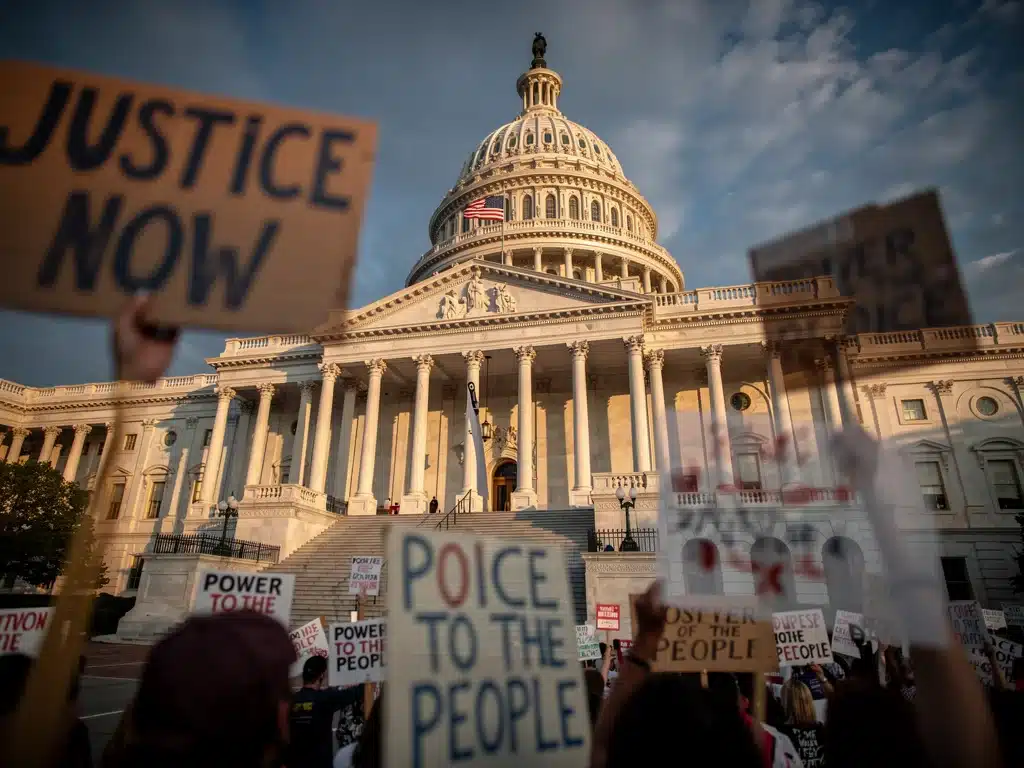
Opposition often comes from entrenched political and economic interests that benefit from the status quo. These groups employ sophisticated counter-movements, media campaigns, and lobbying efforts to undermine social justice initiatives. Disinformation and fear-mongering tactics are frequently used to discredit activists and sow division among supporters. Additionally, legislative efforts to restrict protest rights or voter access pose direct threats to the movements’ operational capacity.
Overcoming obstacles
- Combating disinformation: Developing robust fact-checking and communication strategies to counter false narratives and protect movement integrity.
- Legal challenges and advocacy: Utilizing legal avenues to defend civil liberties and challenge discriminatory policies, often through strategic litigation.
- Internal cohesion and capacity building: Investing in leadership development, conflict resolution, and organizational infrastructure to ensure long-term sustainability and effectiveness.
Furthermore, movements sometimes grapple with internal disagreements over strategy, priorities, and leadership. Maintaining unity and a clear vision amidst diverse perspectives is a constant challenge. However, these internal tensions can also be a source of strength, fostering robust debate and leading to more inclusive and comprehensive approaches. The ability of movements to adapt, learn from setbacks, and maintain their core mission in the face of adversity is a testament to their enduring power and commitment to change.
Future outlook and sustained impact
Looking ahead to the sustained impact of social justice movements on US policy, the trajectory in 2026 suggests an increasingly integrated and indispensable role. Their influence is not a fleeting trend but a fundamental shift in how policy is conceived, debated, and implemented. The future will likely see even greater sophistication in their strategies.
Movements are investing in long-term infrastructure, including policy think tanks, legal advocacy groups, and educational initiatives that will continue to shape public opinion and legislative priorities for decades to come. The emphasis on intergenerational organizing ensures that knowledge, experience, and momentum are passed down, creating a continuous cycle of activism and change. This commitment to longevity positions them as permanent fixtures in the political landscape.
Anticipated future trends
- Increased focus on intersectional policy: Developing policies that address multiple forms of inequality simultaneously, recognizing the complex interplay of social issues.
- Global solidarity and transnational advocacy: Building stronger alliances with international movements to address global justice issues that have domestic implications.
- Technological innovation in advocacy: Further integration of emerging technologies like virtual reality for immersive advocacy experiences and blockchain for transparent fundraising.
The enduring power of social justice movements lies in their moral clarity and their unwavering commitment to a more equitable society. As they continue to refine their strategies, build broader coalitions, and navigate complex political terrains, their influence on US policy will only deepen. Their work ensures that the nation continuously strives to live up to its ideals of justice and equality for all its citizens, making them an essential force in American democracy.
| Key Aspect | Brief Description |
|---|---|
| Evolving Advocacy | Movements use advanced digital tools and sophisticated data analysis for targeted campaigns. |
| Grassroots Power | Strong emphasis on local organizing, community leadership, and building intersectional alliances. |
| Legislative Influence | Actively shaping policy through lobbying, expert testimony, and supporting aligned political candidates. |
| Cultural Shifts | Redefining public discourse, promoting inclusive narratives, and holding institutions accountable. |
Frequently asked questions about social justice movements
Digital tools have revolutionized social justice movements by enabling hyper-targeted campaigns, virtual organizing, and efficient crowdfunding. They facilitate rapid response networks and broader reach, allowing movements to mobilize supporters and disseminate information more effectively than ever before, fostering global solidarity.
Grassroots organizing remains fundamental by empowering local communities and building leadership from within marginalized groups. It ensures policy advocacy is rooted in specific local needs, fosters intersectional alliances, and establishes mutual aid networks, creating a resilient foundation for sustained political action and community support.
Movements directly influence legislative agendas by employing professional lobbyists, policy experts, and collaborating with lawmakers to draft legislation. They provide expert testimony, compelling research, and launch public awareness campaigns, putting pressure on elected officials and contributing to a pipeline of aligned political candidates.
Social justice movements face significant challenges including political backlash, well-funded opposition, disinformation campaigns, and legislative efforts to restrict protest rights. Internal divisions over strategy and priorities also pose hurdles, requiring constant effort to maintain unity and strategic resilience amidst adversity.
The long-term impact involves a fundamental shift in policy conception and implementation, with movements investing in lasting infrastructure like think tanks and legal groups. They promote intergenerational organizing and push for intersectional policies, ensuring their influence is integrated and indispensable for a more equitable and just society.
Conclusion
The dynamic interplay between social justice movements and US policy in 2026 underscores a profound and ongoing transformation. These movements, through their innovative use of technology, unwavering commitment to grassroots empowerment, and sophisticated engagement with legislative processes, are not merely advocating for change but are actively shaping the future direction of the nation. Despite facing considerable challenges, their resilience and adaptability ensure that the pursuit of equity and justice remains a central force in American political and cultural life, driving continuous progress towards a more inclusive society.