Optimizing Your Sleep in 2026: 8 Science-Backed Tips for Better Rest

Optimizing your sleep in 2026 involves integrating science-backed strategies into your daily routine to enhance rest quality, significantly improving physical health, cognitive function, and emotional well-being.
Are you ready to transform your nights and, by extension, your days? In a world that never truly sleeps, the quest for truly restorative rest has become more critical than ever. This guide focuses on optimizing your sleep in 2026: 8 science-backed tips for better rest, offering actionable insights to help you achieve the profound sleep your body and mind deserve.
Understanding the Science of Sleep
Before diving into specific tips, it’s essential to grasp the fundamental science behind sleep. Sleep is not merely a period of inactivity; it’s a complex, dynamic process vital for physical and mental restoration. Our bodies operate on a sophisticated internal clock, known as the circadian rhythm, which dictates our sleep-wake cycles.
This rhythm is primarily influenced by light and darkness, signaling to our brains when to produce melatonin, the hormone that induces sleep. Disruptions to this delicate balance, whether from artificial light exposure, inconsistent schedules, or stress, can profoundly impact sleep quality. Understanding these biological underpinnings empowers us to make informed choices about our sleep habits.
The Role of Circadian Rhythms
Our circadian rhythm is a roughly 24-hour cycle in the physiological processes of living beings. It’s why we feel sleepy at night and awake during the day. Light is the most potent cue for setting this internal clock, with bright light in the morning helping to suppress melatonin production and promote alertness.
- Exposure to natural light early in the day.
- Minimizing artificial light, especially blue light, in the evening.
- Maintaining a consistent sleep schedule even on weekends.
When our internal clock is out of sync with our lifestyle, we can experience symptoms like fatigue, irritability, and difficulty concentrating. Chronic misalignment can contribute to more severe health issues, including metabolic disorders and cardiovascular problems. Therefore, aligning our daily routines with our natural circadian rhythm is a cornerstone of effective sleep optimization.
Ultimately, a deep understanding of how sleep works at a biological level provides the foundation for implementing strategies that genuinely enhance rest. By respecting our body’s natural rhythms and responding to its signals, we can pave the way for more consistent and restorative sleep, setting the stage for improved overall health and well-being.
Tip 1: Establish a Consistent Sleep Schedule
One of the most powerful yet often overlooked strategies for improving sleep is maintaining a consistent sleep schedule. This means going to bed and waking up at roughly the same time every day, including weekends. While it might seem restrictive, this consistency reinforces your body’s natural sleep-wake cycle, known as your circadian rhythm.
When you adhere to a regular schedule, your body learns to anticipate sleep and wakefulness, making it easier to fall asleep quickly and wake up feeling refreshed. Irregular sleep patterns, on the other hand, can confuse your internal clock, leading to fragmented sleep and daytime fatigue. Think of it as training your body to be efficient at sleeping.
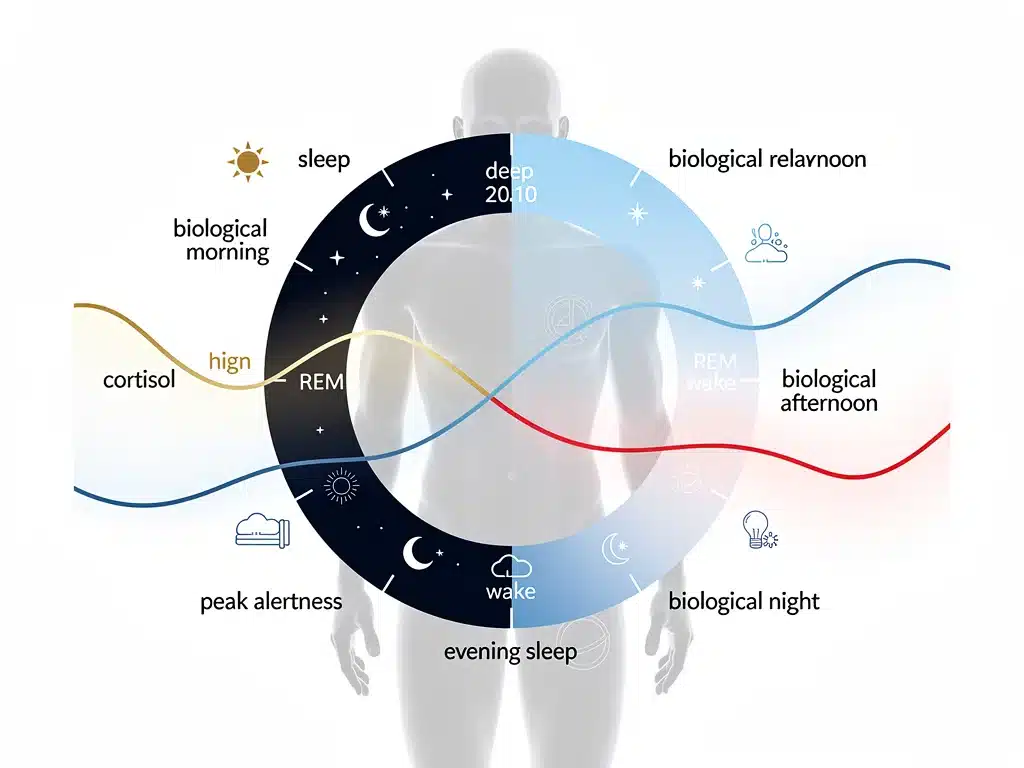
Even small deviations, like sleeping in an extra hour or two on weekends, can create a phenomenon often referred to as ‘social jet lag.’ This disrupts your rhythm, making it harder to adjust back to your weekday schedule. The goal is to create a rhythm so ingrained that your body naturally starts to wind down as bedtime approaches and wakes up without an alarm.
The Impact of Weekend Lie-Ins
While a weekend lie-in might feel like a well-deserved treat, it can actually do more harm than good for your sleep health. Shifting your sleep schedule significantly on non-work days can throw your circadian rhythm off balance, making it more challenging to fall asleep on Sunday night and feel energized on Monday morning.
- Avoid large shifts in sleep times on weekends.
- Limit lie-ins to no more than an hour past your usual wake-up time.
- If you feel tired, opt for a short afternoon nap instead of sleeping late.
Consistency is key for regulating your body’s internal clock. By creating and sticking to a regular sleep schedule, you’re essentially providing your body with a predictable rhythm, which is crucial for deep, restorative sleep. This simple habit can dramatically improve your overall sleep quality and daytime alertness, setting a strong foundation for optimizing your sleep in 2026.
Tip 2: Optimize Your Sleep Environment
Your bedroom should be a sanctuary for sleep, a space designed to promote relaxation and uninterrupted rest. Optimizing your sleep environment involves controlling various factors that can either hinder or enhance your ability to fall and stay asleep. This goes beyond just a comfortable mattress; it encompasses light, sound, temperature, and even the air quality of your room.
Creating an ideal sleep environment signals to your brain that it’s time to wind down. A cluttered, noisy, or brightly lit room can send conflicting signals, making it difficult for your body to produce melatonin and transition into sleep. Small adjustments to your bedroom can yield significant improvements in sleep quality.
Temperature and Darkness
The ideal temperature for sleep is generally cooler, around 60-67 degrees Fahrenheit (15-19 degrees Celsius). A cooler room helps lower your core body temperature, which is a natural part of the sleep initiation process. Conversely, a room that is too warm can disrupt sleep and lead to restlessness.
- Keep your bedroom dark, using blackout curtains if necessary.
- Ensure your room is quiet; consider earplugs or a white noise machine.
- Maintain a cool room temperature.
Darkness is equally crucial. Even minimal light exposure can interfere with melatonin production. This includes light from streetlights, digital clocks, or electronic devices. Investing in blackout curtains or an eye mask can create the necessary darkness for optimal sleep. By fine-tuning these environmental factors, you create a dedicated space that supports your body’s natural sleep processes, making it easier to achieve consistent, high-quality rest.
Tip 3: Develop a Relaxing Pre-Sleep Routine
Just as athletes prepare their bodies before a competition, you need to prepare your mind and body for sleep. A relaxing pre-sleep routine signals to your brain that it’s time to wind down and transition from the day’s activities to rest. This routine should ideally begin 30-60 minutes before your target bedtime and be consistent each night.
Engaging in calming activities helps lower your heart rate, reduce stress hormones, and promote the release of melatonin. Skipping this crucial transition period often means carrying the day’s stress and mental activity directly into bed, leading to difficulty falling asleep or restless nights. The key is to find activities that genuinely help you unwind.

Avoid anything stimulating, such as intense exercise, engaging in heated discussions, or consuming caffeine or heavy meals close to bedtime. Instead, focus on activities that promote tranquility and mental quiet. This dedicated wind-down time is an investment in your sleep quality and overall well-being.
Effective Relaxation Techniques
There are numerous relaxation techniques you can incorporate into your pre-sleep routine. The most effective ones are those you find genuinely enjoyable and calming. Experiment with different approaches to discover what works best for you and your lifestyle.
- Reading a physical book (avoiding screens).
- Taking a warm bath or shower.
- Gentle stretching or yoga.
- Listening to calming music or a sleep podcast.
- Practicing meditation or deep breathing exercises.
By consistently engaging in a relaxing pre-sleep routine, you train your body and mind to associate these activities with sleep. Over time, this routine becomes a powerful cue, making the transition to sleep smoother and more efficient. It’s a proactive step towards optimizing your sleep in 2026 and reclaiming your nights.
Tip 4: Watch Your Diet and Exercise Habits
What you consume and how you move your body throughout the day significantly impact your sleep quality. Diet and exercise are two pillars of overall health, and their influence on sleep cannot be overstated. Making conscious choices in these areas can dramatically improve your ability to fall asleep, stay asleep, and experience deeper, more restorative rest.
Heavy meals close to bedtime, excessive caffeine intake, and alcohol consumption can all disrupt sleep architecture. Similarly, while regular exercise is beneficial, the timing and intensity of your workouts also play a crucial role. Understanding these connections allows for targeted adjustments that support your sleep goals.
Caffeine and Alcohol Considerations
Caffeine, a stimulant, has a half-life of several hours, meaning its effects can linger long after you’ve consumed it. Even a cup of coffee in the late afternoon can interfere with your ability to fall asleep at night. It’s generally recommended to avoid caffeine at least 6-8 hours before bedtime.
- Limit caffeine intake, especially in the afternoon and evening.
- Moderate alcohol consumption, as it can disrupt sleep cycles.
- Avoid heavy, spicy, or fatty meals close to bedtime.
Alcohol, while initially acting as a sedative, actually fragments sleep during the latter half of the night, reducing REM sleep and leading to poorer quality rest. It’s best to avoid alcohol close to bedtime. Similarly, large or rich meals can cause digestive discomfort, making it difficult to lie down comfortably and sleep soundly. Opt for lighter, easily digestible snacks if you must eat before bed.
Exercise for Better Sleep
Regular physical activity is consistently linked to improved sleep quality. Exercise helps reduce stress, can alleviate symptoms of anxiety and depression, and helps regulate your circadian rhythm. However, timing is important. Intense exercise too close to bedtime can be stimulating, raising your core body temperature and heart rate, making it harder to fall asleep.
Aim to complete vigorous workouts at least a few hours before you plan to go to bed. Morning or afternoon exercise is generally ideal. If you prefer evening workouts, opt for lighter activities like walking or gentle yoga. By carefully managing your diet and exercise habits, you provide your body with the optimal conditions for achieving deep and restorative sleep, a key component of optimizing your sleep in 2026.
Tip 5: Limit Screen Time Before Bed
In our increasingly digital world, limiting screen time before bed has become a critical strategy for improving sleep quality. Electronic devices such as smartphones, tablets, and computers emit blue light, which is particularly disruptive to our natural sleep cycle. This blue light suppresses the production of melatonin, the hormone that signals to our body it’s time to sleep.
The constant mental stimulation from scrolling through social media, watching exciting videos, or engaging in work-related tasks on screens can also keep your mind active and alert, making it difficult to transition into a restful state. Creating a digital curfew is a necessary step towards better sleep hygiene and optimizing your sleep in 2026.
The Detrimental Effects of Blue Light
Blue light has a short wavelength, which means it carries more energy and impacts our circadian rhythm more significantly than other colors of light. Exposure to blue light in the evening tricks our brain into thinking it’s still daytime, delaying the onset of sleep and altering the quality of sleep we eventually get.
- Avoid all screens (phones, tablets, computers, TVs) at least 1-2 hours before bed.
- If unavoidable, use blue light filtering glasses or screen settings.
- Read a physical book or listen to an audiobook instead.
Many devices now offer ‘night mode’ or blue light filters, which can help reduce exposure, but completely avoiding screens is the most effective approach. The mental engagement associated with screen use is often just as disruptive as the blue light itself. By stepping away from your devices, you allow your brain to naturally wind down and prepare for sleep, fostering a more peaceful and effective transition into rest.
Tip 6: Manage Stress and Anxiety
Stress and anxiety are notorious sleep disruptors, often creating a vicious cycle where poor sleep exacerbates stress, and increased stress further impairs sleep. Effectively managing these emotional states is paramount for achieving consistent, quality rest. When your mind is racing with worries or your body is tense from stress, falling asleep and staying asleep becomes a significant challenge.
Chronic stress elevates cortisol levels, a hormone that promotes wakefulness, making it difficult for your body to relax and transition into sleep. Addressing the root causes of stress and implementing daily stress-reduction techniques are vital components of any comprehensive sleep optimization plan.
Mindfulness and Relaxation Techniques
Incorporating mindfulness and relaxation techniques into your daily routine can significantly reduce stress and anxiety, thereby improving your sleep. These practices help calm the nervous system, quiet the mind, and foster a sense of peace that is conducive to sleep.
- Practice meditation or deep breathing exercises daily.
- Engage in gentle yoga or stretching to release physical tension.
- Keep a gratitude journal to shift focus to positive thoughts.
Even short periods of mindfulness throughout the day can accumulate to have a profound impact on your overall stress levels. Before bed, dedicating 10-15 minutes to a guided meditation or simply focusing on your breath can help clear your mind of the day’s worries, preparing you for a restful night. Learning to manage stress and anxiety is not just about improving your sleep; it’s about enhancing your overall mental and emotional well-being, making it a powerful strategy for optimizing your sleep in 2026.
Tip 7: Consider Your Mattress and Pillows
The foundation of a good night’s sleep often lies in your sleeping surface. Your mattress and pillows play a crucial role in providing the comfort and support necessary for restorative rest. An old, uncomfortable, or unsupportive mattress can lead to aches, pains, and frequent awakenings, significantly compromising sleep quality. Similarly, the right pillow is essential for maintaining proper spinal alignment and preventing neck pain.
While often a significant investment, a quality mattress and appropriate pillows are investments in your health. Considering that you spend approximately one-third of your life in bed, ensuring your sleep environment is physically supportive is a non-negotiable step for optimizing your sleep.
When to Replace Your Mattress and Pillows
Mattresses typically have a lifespan of 7-10 years, though this can vary based on quality and usage. If you wake up with stiffness, notice visible sagging, or find yourself sleeping better in other beds, it might be time for a replacement. Pillows should generally be replaced every 1-2 years, as they lose their shape and accumulate allergens.
- Assess your current mattress for comfort and support.
- Choose a mattress that suits your sleeping position and body type.
- Select a pillow that supports proper neck and spinal alignment.
When selecting a new mattress, consider factors like firmness, material (memory foam, innerspring, latex), and cooling properties. For pillows, your preferred sleeping position is key: side sleepers generally need a thicker, firmer pillow, while back and stomach sleepers require thinner options. Investing in these essential components of your sleep environment ensures that your body receives the necessary support and comfort to achieve deep, uninterrupted sleep, contributing significantly to optimizing your sleep in 2026.
Tip 8: Seek Professional Help When Needed
While the previous seven tips offer powerful strategies for improving sleep, it’s crucial to recognize when self-help measures aren’t enough. Persistent sleep problems, such as chronic insomnia, excessive daytime sleepiness, or loud snoring, could be indicators of an underlying sleep disorder. Ignoring these signs can lead to serious long-term health consequences.
Sleep medicine has advanced significantly, and many effective treatments are available for various sleep conditions. A healthcare professional, particularly a sleep specialist, can accurately diagnose the problem and recommend the most appropriate course of action. Don’t hesitate to seek expert guidance if your sleep issues are significantly impacting your quality of life.
Common Sleep Disorders and Their Treatments
Several common sleep disorders can severely disrupt rest. Obstructive Sleep Apnea (OSA), characterized by repeated pauses in breathing during sleep, is often treated with Continuous Positive Airway Pressure (CPAP) therapy. Insomnia, difficulty falling or staying asleep, can benefit from Cognitive Behavioral Therapy for Insomnia (CBT-I).
- Consult a doctor if sleep problems persist for more than a few weeks.
- Discuss symptoms like loud snoring, gasping for air, or excessive daytime fatigue.
- Explore options like sleep studies or CBT-I with a specialist.
Restless Legs Syndrome (RLS) and Narcolepsy are other conditions that require medical intervention. A sleep study, conducted either in a lab or at home, can provide valuable data about your sleep patterns and help pinpoint the exact nature of the problem. Seeking professional help is a proactive step towards understanding and resolving complex sleep issues, ensuring you receive the specialized care needed for optimizing your sleep in 2026 and achieving lasting restorative rest.
| Key Sleep Tip | Brief Description |
|---|---|
| Consistent Schedule | Go to bed and wake up at the same time daily to regulate your body’s circadian rhythm. |
| Optimize Environment | Ensure your bedroom is dark, quiet, and cool for optimal melatonin production. |
| Relaxing Routine | Develop a 30-60 minute pre-sleep routine to wind down and prepare for rest. |
| Limit Screen Time | Avoid blue light emitting devices for 1-2 hours before bed to prevent melatonin suppression. |
Frequently Asked Questions About Sleep Optimization
Establishing a new sleep schedule typically takes about 2-4 weeks. Consistency is key during this period, even on weekends. Your body’s circadian rhythm needs time to adjust to the new routine, so patience and adherence will yield the best results for improved sleep.
Yes, naps can affect nighttime sleep. While short power naps (20-30 minutes) can be beneficial, long or late-afternoon naps can disrupt your circadian rhythm, making it harder to fall asleep at your usual bedtime. It’s best to keep naps brief and early in the day.
Eating a heavy, fatty, or spicy meal right before bed can cause indigestion and discomfort, making it difficult to sleep. However, a light, easily digestible snack, like a banana or a small bowl of cereal, can sometimes help promote sleep for some individuals. Avoid large meals 2-3 hours before bedtime.
The ideal bedroom temperature for most people falls between 60 to 67 degrees Fahrenheit (15 to 19 degrees Celsius). A cooler environment helps lower your core body temperature, which is a natural physiological process that facilitates the onset of sleep and improves sleep quality.
You should seek professional help if your sleep problems persist for several weeks, significantly impact your daily functioning, or if you experience symptoms like chronic snoring, gasping for air during sleep, or excessive daytime sleepiness. A sleep specialist can diagnose underlying conditions and recommend appropriate treatments.
Conclusion
Optimizing your sleep in 2026 is not merely about getting more hours of rest; it’s about enhancing the quality and restorative power of that sleep. By integrating these eight science-backed tips into your daily life, you can profoundly transform your sleep patterns and, consequently, your overall health and well-being. From establishing a consistent sleep schedule and optimizing your environment to managing stress and knowing when to seek professional help, each step contributes to a holistic approach to better rest. Embrace these strategies, and embark on a journey towards more energized days and truly peaceful nights, unlocking your full potential in the coming year.