Meal Planning for Busy Americans: Save 15% on Groceries
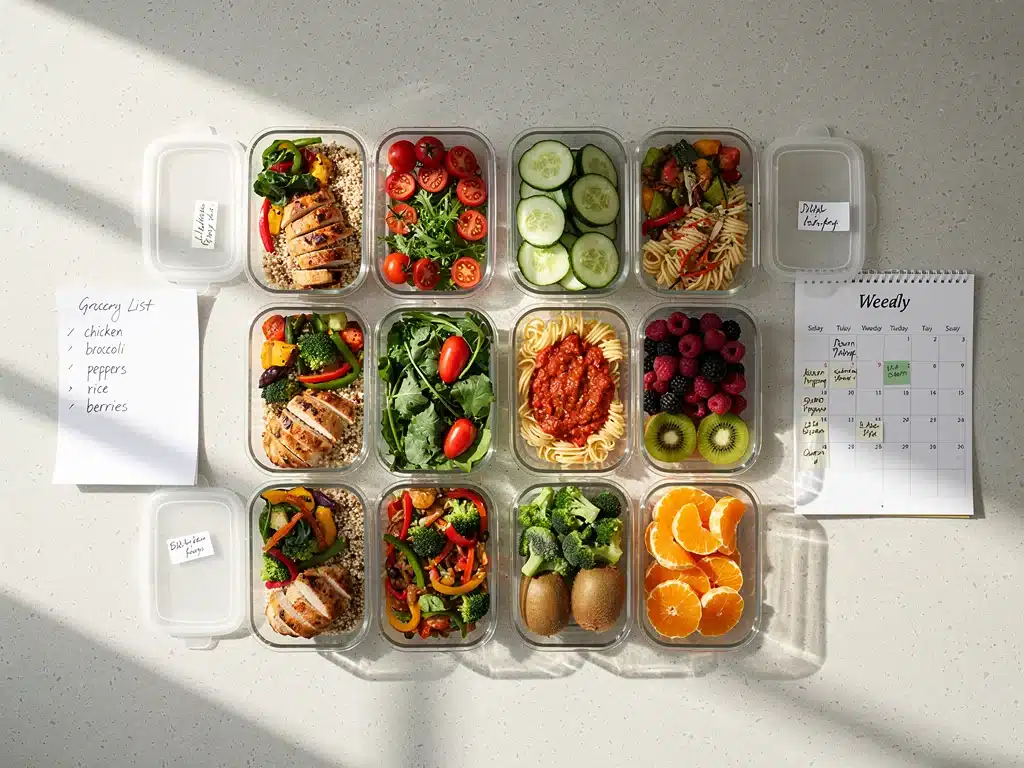
Implementing a strategic 4-week meal planning approach can enable busy Americans to save up to 15% on grocery bills, significantly reduce food waste, and streamline their weekly routines with efficient preparation.
For many busy Americans, the idea of a well-organized kitchen and effortless healthy eating feels like a distant dream. However, mastering Meal Planning for Busy Americans: Save 15% on Groceries with This 4-Week Strategy is not only achievable but can dramatically transform your daily life, saving you both time and significant money.
The Foundation of Smart Meal Planning: Why It Matters
Meal planning often gets a bad rap, conjuring images of endless hours in the kitchen or restrictive diets. However, at its core, meal planning is simply about thoughtful preparation, a strategy that busy Americans can leverage to regain control over their food choices and finances. It’s not about perfection, but about consistency and smart decision-making that accumulates into substantial benefits over time.
In a fast-paced world where convenience often triumphs cost-effectiveness and health, meal planning serves as a crucial antidote. It empowers individuals and families to proactively decide what they will eat, preventing last-minute, often expensive, takeout orders or impulse grocery purchases. The financial implications alone are compelling; by planning, you significantly reduce food waste, buy only what you need, and can take advantage of sales and seasonal produce.
Understanding the Benefits Beyond Savings
While saving money is a primary driver for many, the advantages of structured meal planning extend far beyond the wallet. It fosters healthier eating habits by encouraging home-cooked meals, which typically contain less processed ingredients, unhealthy fats, and excessive sodium compared to restaurant or pre-packaged options. This leads to improved nutritional intake and better overall well-being. Furthermore, the mental load reduction is immense. Imagine not having to stress daily about ‘what’s for dinner?’ or making multiple trips to the grocery store.
- Reduced Stress: Eliminating daily decision fatigue around meals.
- Healthier Choices: More control over ingredients and portion sizes.
- Time Efficiency: Consolidating cooking and shopping tasks.
- Less Food Waste: Utilizing ingredients fully and avoiding spoilage.
Ultimately, a robust meal planning system provides a framework for a more organized, healthier, and financially prudent lifestyle. It’s an investment of time upfront that yields dividends throughout the week and month, making it an indispensable tool for anyone looking to navigate the complexities of modern American life with greater ease and efficiency.
Week 1: The Inventory and Budget Blueprint
The first week of our 4-week strategy focuses on establishing a solid foundation. Before you can effectively plan your meals and save money, you need to understand what you already have and what you can realistically spend. This involves a thorough pantry audit and a clear budget allocation. Many busy Americans skip this crucial step, leading to redundant purchases and overlooked ingredients that eventually go to waste.
Start by taking stock of every item in your pantry, refrigerator, and freezer. This isn’t just about identifying what’s there, but also noting expiration dates and quantities. You might be surprised by the hidden treasures—or forgotten ingredients—lurking in the back of your cabinets. This inventory will be your guide for the upcoming weeks, helping you build meals around existing items and minimize your grocery list.
Setting Your Grocery Budget
Once you have a clear picture of your current food stash, it’s time to set a realistic grocery budget. Look back at your spending habits over the last month or two. How much did you spend on groceries, and how much on dining out or takeout? This historical data provides a baseline. Aim to reduce that baseline by 15%—our target saving. This isn’t an arbitrary number; with diligent planning, it’s an achievable goal that can free up significant funds.
- Review Past Spending: Analyze bank statements or budgeting apps for food expenses.
- Allocate Funds: Assign a specific weekly or bi-weekly amount for groceries.
- Factor in Dining Out: Decide on a realistic budget for occasional restaurant meals.
- Track Progress: Monitor your spending against your budget regularly.
This initial week is all about self-awareness and setting clear financial boundaries. By understanding your current resources and committing to a budget, you lay the groundwork for sustainable savings and more intentional meal choices. The goal is to move from reactive spending to proactive financial management in your kitchen.
Week 2: Crafting Your Meal Plan and Smart Shopping Lists
With your inventory complete and budget in place, Week 2 shifts to the creative and practical aspects of meal planning. This is where you begin to design your weekly menus and translate them into actionable shopping lists. For busy Americans, efficiency is key, so focus on meals that can be prepped in advance or use versatile ingredients.
Begin by brainstorming meal ideas. Consider your family’s preferences, dietary needs, and the ingredients you already have on hand from your Week 1 inventory. Look for recipes that share common ingredients to further optimize your shopping. For example, if you buy a large pack of chicken, plan for chicken stir-fry one night and chicken tacos another. This reduces waste and maximizes your purchasing power.
Developing Your Shopping Strategy
Once your meal plan is solid, create a detailed grocery list. Organize this list by store sections (produce, dairy, meat, pantry, etc.) to make your shopping trip efficient and prevent impulse buys. Stick to your list rigorously. This discipline is paramount to achieving your 15% savings goal. Avoid browsing aisles aimlessly; go in with a mission.

- Theme Nights: Assign themes (e.g., Meatless Monday, Taco Tuesday) for easier planning.
- Utilize Leftovers: Plan for meals that can be repurposed into lunches or another dinner.
- Check Sales Flyers: Incorporate discounted items into your meal plan where possible.
- Avoid Shopping Hungry: A full stomach leads to fewer impulse purchases.
This week is about translating your financial goals into tangible actions. By thoughtfully planning your meals and creating a strategic shopping list, you’re actively working towards reducing your grocery bill and ensuring that every item you buy serves a purpose. This systematic approach transforms grocery shopping from a chore into a highly efficient task.
Week 3: Mastering Batch Cooking and Freezer Meals
Week 3 is dedicated to maximizing your time and effort through batch cooking and the strategic use of your freezer. For busy Americans, this is perhaps the most impactful step in maintaining a consistent meal planning routine without feeling overwhelmed. The idea is to cook larger quantities of certain components or entire meals once or twice a week, rather than daily.
Think about versatile ingredients that can be cooked in bulk. For instance, roast a large batch of vegetables, cook a big pot of grains like quinoa or rice, or prepare a substantial amount of lean protein such as shredded chicken or ground beef. These components can then be mixed and matched throughout the week to create different meals, reducing daily cooking time significantly. This also helps ensure you always have healthy options readily available, deterring the temptation of unhealthy convenience foods.
Freezer Meal Fundamentals
The freezer is your best friend in meal planning. Many dishes lend themselves well to freezing, allowing you to prepare meals far in advance. Soups, stews, casseroles, burritos, and even some baked goods can be made in large batches, portioned, and frozen for future consumption. Label everything clearly with the date and contents to avoid ‘mystery meals’ later on.
- Pre-chop Vegetables: Prepare and store chopped veggies for quick meal assembly.
- Cook Grains in Bulk: Rice, quinoa, and pasta can be cooked ahead and stored.
- Marinate Meats: Prepare marinades for proteins and freeze them for quick thawing and cooking.
- Portion Control: Freeze meals in individual or family-sized portions for convenience.
By dedicating time in Week 3 to batch cooking and preparing freezer meals, you’re creating a buffer against busy days and unexpected events. This proactive approach ensures that even when time is scarce, healthy, home-cooked meals are just a thaw and reheat away, solidifying your commitment to saving money and eating well.
Week 4: Adapting, Evaluating, and Sustaining Your Habits
The final week of our 4-week strategy shifts focus to refinement and long-term sustainability. After three weeks of intentional planning, shopping, and cooking, you’ve likely identified what works well for you and what needs adjustment. This is the crucial phase for busy Americans to make meal planning a permanent, effortless part of their routine.
Take time to reflect on your experiences. What meals were hits, and which ones fell flat? Did you consistently meet your budget goals? Were there specific days or situations where your plan faltered? Use this information to fine-tune your approach. Perhaps you need more quick-prep options for particularly busy evenings, or maybe you found certain ingredients too expensive or difficult to source. Flexibility is key; meal planning is a tool to serve you, not a rigid set of rules.
Long-Term Sustainability and Savings
Sustaining your meal planning habits means integrating them into your lifestyle seamlessly. This might involve setting aside a specific day each week for planning and grocery shopping, or dedicating a block of time for batch cooking. Consider using meal planning apps or digital tools to streamline the process, especially if you enjoy variety and discovering new recipes. The goal is to make these practices feel natural and less like a chore.

- Review and Adjust: Analyze what worked and what didn’t in your previous weeks.
- Seek New Inspiration: Explore new recipes or cooking methods to keep things fresh.
- Involve Family: Get input from household members to ensure everyone’s preferences are considered.
- Automate Where Possible: Utilize online grocery ordering or subscription services for staples.
Week 4 is about solidifying your newfound habits and ensuring they are resilient enough to withstand the demands of a busy life. By constantly evaluating and adapting, you ensure that your meal planning strategy remains effective, continues to save you money, and contributes positively to your overall well-being for months and years to come.
Beyond the 4 Weeks: Maintaining Momentum and Maximizing Savings
Completing the initial 4-week meal planning journey is a significant achievement, but the true benefit comes from integrating these practices into your long-term routine. For busy Americans, consistency is the key to maximizing savings and sustaining healthier eating habits. This means continuously refining your approach and staying adaptable to life’s inevitable changes.
One of the most effective ways to maintain momentum is to continuously seek out new culinary inspiration without abandoning your core principles of efficiency and budget-consciousness. Explore different cuisines, experiment with new ingredients, or try novel cooking techniques. This keeps meal planning exciting and prevents it from becoming monotonous. Remember, the goal is not just to eat, but to enjoy the process and the results.
Advanced Strategies for Continued Savings
To push your savings beyond the initial 15%, consider more advanced strategies. Buying in bulk for non-perishable items or freezer-friendly foods can offer significant discounts, especially when paired with sales. Joining warehouse clubs or utilizing loyalty programs can also lead to substantial long-term savings. Furthermore, becoming adept at using every part of an ingredient—like making stock from vegetable scraps or chicken bones—further reduces waste and stretches your food budget.
- Seasonal Eating: Prioritize seasonal produce for freshness and lower prices.
- Grow Your Own: Consider a small herb garden or vegetable patch for fresh ingredients.
- Cook from Scratch: Minimize reliance on pre-packaged or convenience foods.
- Meal Prep Swaps: Exchange meal prep ideas and recipes with friends or family.
Maintaining a proactive and flexible mindset towards meal planning will ensure it remains a valuable tool in your daily life. By consistently applying the principles learned over these four weeks, busy Americans can not only sustain their grocery savings but also enjoy a more organized, less stressful, and healthier approach to food for the long haul.
Addressing Common Meal Planning Challenges
Even with the best intentions, meal planning can present challenges, especially for busy Americans juggling multiple responsibilities. Recognizing and proactively addressing these hurdles is crucial for long-term success and preventing burnout. Common issues include lack of time, recipe fatigue, picky eaters, and unexpected schedule changes.
One of the biggest obstacles is often perceived lack of time. However, meal planning, when done efficiently, actually saves time in the long run. The initial investment in planning and batch cooking significantly reduces daily cooking demands. If time is truly scarce, focus on simpler meals, utilize slow cookers or instant pots, and don’t be afraid to keep a few quick, no-cook options in your back pocket for emergencies.
Overcoming Recipe Fatigue and Picky Eaters
Recipe fatigue is real. Eating the same meals repeatedly can lead to boredom and a desire to revert to less structured eating. To combat this, build a repertoire of 10-15 go-to recipes that your family enjoys and rotate them. Introduce one new recipe each week to keep things fresh. For picky eaters, involve them in the planning process. Let them choose one meal a week, or help with simple prep tasks. Offering choices within a healthy framework can often increase acceptance.
- Keep it Simple: Don’t overcomplicate meals, especially when starting out.
- Flexibility is Key: Allow for occasional deviations from the plan without guilt.
- Utilize Leftover Nights: Designate a night for eating up fridge contents.
- Batch Cook Versatile Bases: Cook plain rice or chicken that can be flavored differently.
By anticipating and having strategies for common meal planning challenges, busy Americans can maintain their commitment to this beneficial practice. It’s about finding a rhythm that works for your unique lifestyle, adapting when necessary, and remembering that every small step contributes to significant long-term gains in both finances and well-being.
| Key Strategy | Benefit |
|---|---|
| Pantry Audit & Budgeting | Identifies existing food, prevents waste, and sets financial limits. |
| Strategic Meal Planning | Creates efficient shopping lists and reduces impulse buys. |
| Batch Cooking & Freezing | Saves time during the week and ensures healthy meals are always available. |
| Adaptation & Evaluation | Refines the process, addresses challenges, and ensures long-term success. |
Frequently Asked Questions About Meal Planning
Initially, you might spend 1-2 hours planning and shopping, plus 2-3 hours on batch cooking. As you become more efficient, this can reduce significantly. The key is to find a rhythm that fits your schedule, focusing on one dedicated planning session and one cooking session.
Yes, absolutely. By reducing impulse buys, minimizing food waste, buying in bulk strategically, and utilizing sales, achieving a 15% saving is a realistic and achievable goal for most households. Consistency and adherence to your plan are vital.
Flexibility is crucial. Focus on meals that can be easily customized, like build-your-own bowls, tacos, or pasta dishes where individuals can add their preferred proteins or vegetables. You can also designate one or two meals a week to cater to specific preferences.
Maintain a rotating list of 10-15 family-favorite recipes and introduce one new recipe each week to keep things interesting. Explore different cuisines, seasonal ingredients, or thematic meal nights. Don’t be afraid to revisit old favorites after a break.
Absolutely. Meal planning is highly beneficial for all household sizes. For singles or small households, it’s an excellent way to manage portion control, prevent food waste, and ensure healthy eating without daily cooking. Batch cooking and freezing smaller portions are particularly effective.
Conclusion
The journey to mastering Meal Planning for Busy Americans: Save 15% on Groceries with This 4-Week Strategy is a transformative one, offering tangible benefits that extend far beyond mere financial savings. By systematically approaching your food consumption, from inventory and budgeting to strategic shopping and batch cooking, you gain invaluable control over your time, health, and finances. This structured approach not only alleviates the daily stress of meal preparation but also significantly reduces food waste and encourages healthier eating habits. The initial investment of time and effort in planning pays dividends in the form of a more organized life, a healthier diet, and a noticeably lighter grocery bill. Embrace these strategies, adapt them to your unique lifestyle, and watch as your relationship with food becomes more intentional, enjoyable, and sustainable.