2026 Farm Bill: Subsidies, Food Prices & Your Plate
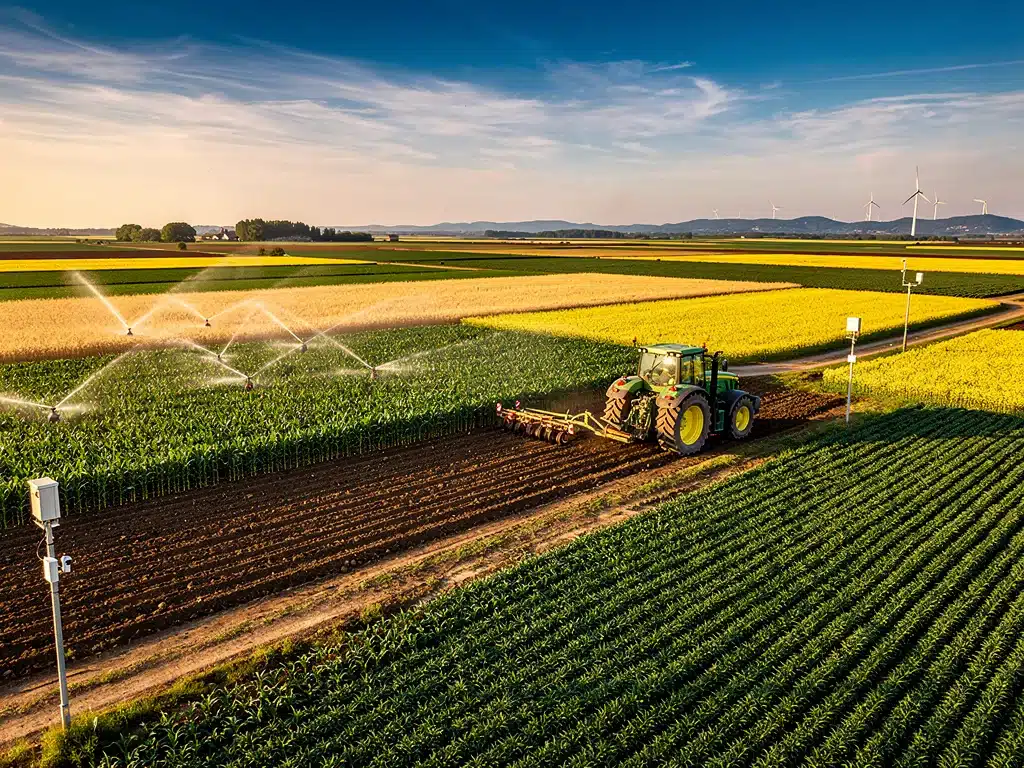
The upcoming 2026 Farm Bill is poised to redefine agricultural subsidies and food prices, directly influencing farmer welfare, environmental conservation, and the cost of groceries for American households.
As the agricultural landscape continues to evolve, the upcoming legislative cycle brings into sharp focus a pivotal piece of legislation: The 2026 Farm Bill: A Deep Dive into Agricultural Subsidies and Food Prices. This comprehensive bill, renewed every five years, is far more than just a set of farming regulations; it’s a foundational document that shapes the very fabric of America’s food system, impacting everything from the crops grown in fields to the prices consumers pay at the grocery store. Understanding its intricacies is crucial for farmers, policymakers, and every American consumer.
Understanding the Farm Bill’s Core Components
The Farm Bill is a vast and complex piece of legislation, encompassing a wide array of programs and policies that touch nearly every aspect of the food and agriculture sector. It’s not a single law, but rather a package of legislative acts that are reauthorized and amended periodically, typically every five years. This periodic reauthorization provides an opportunity for Congress to address emerging challenges and adapt to changing agricultural and economic conditions.
Historically, the Farm Bill has evolved significantly, reflecting shifts in national priorities and agricultural practices. From its origins during the Great Depression, focused on stabilizing farm income and food supply, to today’s more comprehensive approach that includes nutrition assistance, conservation, and rural development, its scope has broadened considerably. Each iteration brings new debates and compromises, making the legislative process a contentious but vital exercise.
Key Pillars of the Farm Bill
- Commodity Programs: These programs provide direct payments, price supports, and crop insurance to farmers, primarily for staple crops like corn, soybeans, wheat, cotton, and rice. Their goal is to stabilize farm income and ensure a reliable food supply.
- Conservation Programs: Designed to protect natural resources on agricultural lands, these initiatives encourage practices that improve soil health, water quality, and wildlife habitats. Examples include the Conservation Reserve Program (CRP) and the Environmental Quality Incentives Program (EQIP).
- Nutrition Programs: The largest share of Farm Bill spending, these programs include the Supplemental Nutrition Assistance Program (SNAP), formerly known as food stamps, and other initiatives aimed at combating food insecurity.
- Rural Development: Funds are allocated to support economic growth and improve quality of life in rural communities through infrastructure projects, business development, and access to essential services.
- Horticulture and Organic Agriculture: These sections support specialty crops, organic farming, and farmers’ markets, recognizing the growing diversity of American agriculture.
The interplay between these diverse components is what makes the Farm Bill so impactful. For instance, commodity programs directly influence what crops are grown, which in turn affects food prices and availability. Conservation programs, while seemingly distinct, can influence land use and agricultural productivity over the long term. Understanding these core components is the first step in appreciating the profound influence of the 2026 Farm Bill.
Agricultural Subsidies: Impact on Farmers and Markets
Agricultural subsidies are a cornerstone of the Farm Bill, providing financial assistance to farmers through various mechanisms. These subsidies are often justified as necessary to ensure food security, stabilize farm incomes, and protect against volatile market conditions. However, their design and implementation have significant consequences for both individual farmers and the broader agricultural market.
The primary forms of subsidies include direct payments, which offer a safety net regardless of market prices, and crop insurance, which protects against losses due to natural disasters or price declines. While these programs aim to provide stability, they can also influence planting decisions, potentially leading to overproduction of certain crops and distorting market signals. This can create a complex dynamic where farmers may prioritize subsidized crops even if consumer demand shifts.
Economic Effects of Subsidies
- Income Stabilization: Subsidies help buffer farmers from price swings and weather-related losses, ensuring a more predictable income stream. This can be crucial for the survival of many family farms.
- Production Incentives: They can incentivize the production of specific commodities, often leading to monoculture in certain regions. This can have environmental implications and reduce agricultural diversity.
- Land Values: Subsidies can inflate land values, making it more challenging for new farmers to enter the industry. The benefits often capitalize into the value of land, benefiting landowners more than operators.
- International Trade: Subsidized production can give domestic farmers a competitive advantage in global markets, sometimes leading to trade disputes with other countries that view subsidies as unfair.
The debate around agricultural subsidies is multifaceted. Proponents argue they are essential for maintaining a robust domestic food supply and supporting rural economies. Critics, however, contend that they disproportionately benefit large agribusinesses, discourage innovation, and can lead to environmental degradation. As Congress prepares for the 2026 Farm Bill, these arguments will undoubtedly resurface, shaping the future of how agricultural support is structured and distributed.
Food Prices: How Farm Policy Reaches Your Plate
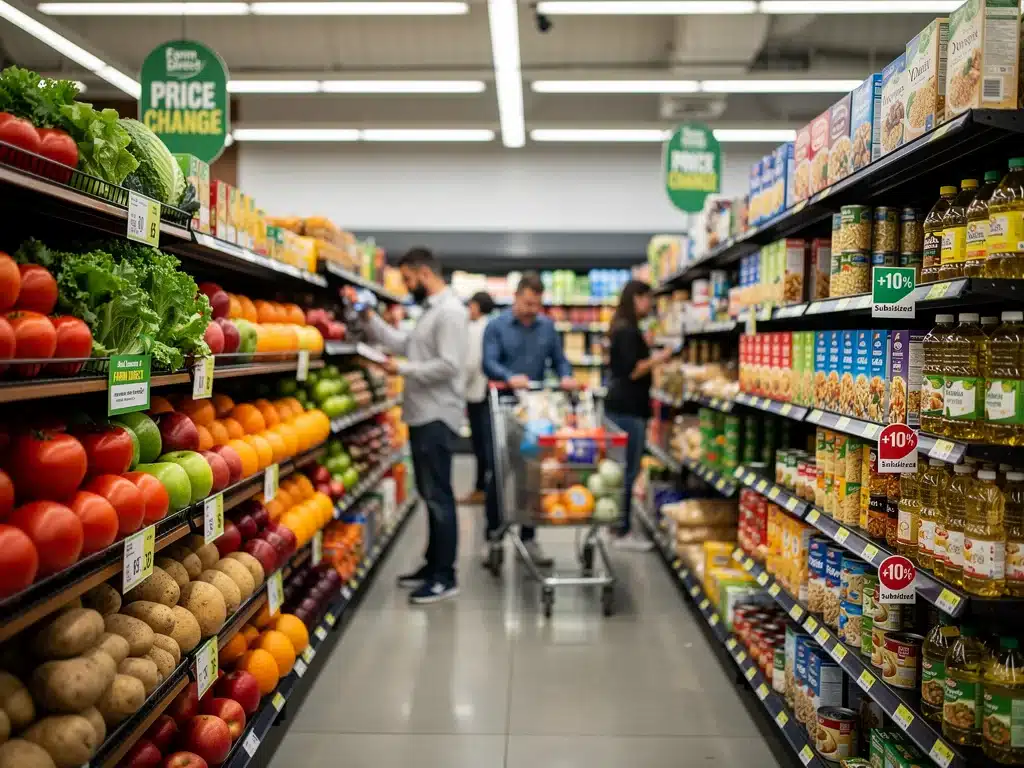
The connection between the Farm Bill and the prices consumers pay for food might not always be immediately obvious, but it is undeniably profound. The policies enacted through this legislation ripple through the entire food supply chain, ultimately influencing the cost, variety, and accessibility of groceries. Understanding this link is essential for appreciating the broad economic impact of agricultural policy decisions.
One of the most direct ways the Farm Bill impacts food prices is through commodity programs. By supporting the production of staple crops like corn and soybeans, these programs indirectly affect the prices of a vast array of consumer goods. Corn, for example, is not only a food item itself but is also a primary ingredient in livestock feed, high-fructose corn syrup, and various processed foods. Changes in corn prices, influenced by subsidies, can therefore impact the cost of meat, sodas, and numerous other products.
Key Influences on Consumer Costs
- Commodity Prices: Subsidies for staple crops can keep their prices artificially low, which can translate to lower costs for processed foods and animal products that use these commodities as inputs.
- Supply and Demand: Policies that encourage the overproduction of certain crops can lead to lower market prices, benefiting consumers in the short term but potentially harming farmer profitability without subsidies.
- Conservation Costs: While beneficial for the environment, some conservation practices can increase production costs for farmers, which may be passed on to consumers.
- Nutrition Programs: SNAP and other nutrition assistance programs increase the purchasing power of low-income households, indirectly affecting demand and pricing dynamics in grocery stores.
The relationship between farm policy and food prices is complex, with both direct and indirect effects. While some argue that subsidies help keep food affordable, others contend that they distort markets and can lead to a less diverse food system. The 2026 Farm Bill will inevitably grapple with these tensions, seeking a balance between supporting farmers, ensuring food security, and managing consumer costs.
Environmental Considerations and Conservation Efforts
Beyond economic considerations, the Farm Bill plays a critical role in shaping environmental outcomes across millions of acres of agricultural land. Conservation programs, a significant portion of the bill’s spending, aim to mitigate the environmental footprint of farming and promote sustainable practices. These efforts are increasingly vital as agriculture faces mounting pressure from climate change, soil degradation, and water quality issues.
Conservation programs incentivize farmers to adopt practices that protect natural resources. This includes measures like planting cover crops to improve soil health, establishing riparian buffers to filter water runoff, and restoring wetlands for wildlife habitat. The effectiveness of these programs often depends on their funding levels, the incentives offered, and the extent of farmer participation.
Major Conservation Programs
- Conservation Reserve Program (CRP): Pays farmers to take environmentally sensitive land out of production and plant species that improve environmental health and quality.
- Environmental Quality Incentives Program (EQIP): Provides financial and technical assistance to agricultural producers to address natural resource concerns and deliver environmental benefits.
- Conservation Stewardship Program (CSP): Helps agricultural producers maintain and improve their existing conservation systems and adopt additional conservation activities.
The 2026 Farm Bill presents a crucial opportunity to strengthen these environmental initiatives. Debates will likely center on increasing funding for conservation, enhancing the effectiveness of existing programs, and integrating climate-smart agricultural practices more broadly. Balancing the needs of agricultural production with the imperative of environmental stewardship is a significant challenge, but one that the Farm Bill is uniquely positioned to address.
Policy Debates and Stakeholder Perspectives
The formulation of each Farm Bill is a contentious process, marked by intense lobbying and diverse perspectives from a wide array of stakeholders. From large commodity groups to environmental advocates, and from anti-hunger organizations to organic farmers, each group brings its own priorities and concerns to the table. Understanding these varying viewpoints is key to grasping the political dynamics that shape the final legislation.
Traditional commodity groups, representing staple crop producers, typically advocate for strong safety nets and robust crop insurance programs. They argue that these measures are essential for managing the inherent risks of farming and ensuring a stable food supply. Conversely, environmental groups often push for increased funding for conservation programs and policies that promote sustainable agriculture, sometimes at odds with conventional farming practices.
Key Stakeholder Positions
- Large Commodity Producers: Advocate for maintaining or increasing commodity payments and crop insurance subsidies to ensure economic stability.
- Small and Mid-sized Farmers: Often seek programs that support diversified farming, local food systems, and provide easier access to capital and resources.
- Environmental Organizations: Push for stronger conservation measures, climate-smart agriculture initiatives, and reduced environmental impacts from farming.
- Anti-Hunger Advocates: Prioritize strengthening and expanding nutrition assistance programs like SNAP to address food insecurity.
- Consumer Groups: Focus on food safety, transparency, and policies that promote affordable and healthy food options.
The legislative process involves extensive hearings, negotiations, and compromises among these competing interests. The 2026 Farm Bill will see debates over the balance between direct payments and conservation, the allocation of funds to different crop types, and the overall budget for nutrition programs. These discussions highlight the complex web of interests that must be reconciled to pass this monumental piece of legislation.
The Future of American Agriculture Under the 2026 Farm Bill
Looking ahead, the 2026 Farm Bill will not only address current challenges but also lay the groundwork for the future trajectory of American agriculture. The decisions made in this legislative cycle will have long-lasting implications for food production, rural economies, environmental health, and the global competitiveness of U.S. agricultural products. Several key trends and emerging issues are likely to shape the debates and outcomes of the upcoming bill.
One significant area of focus will be climate change and its impact on farming. Expect increased discussion around climate-smart agriculture, carbon sequestration, and resilience strategies for farmers facing more extreme weather events. Technology and innovation will also play a crucial role, with potential provisions supporting precision agriculture, biotechnological advancements, and data-driven farming practices. These innovations could revolutionize how food is grown and managed.
Emerging Themes and Priorities
- Climate Resilience: Policies aimed at helping farmers adapt to and mitigate climate change, including incentives for reducing emissions and improving soil carbon.
- Technological Integration: Support for research and development in agricultural technology, such as AI, robotics, and advanced genetics, to enhance efficiency and sustainability.
- Supply Chain Robustness: Measures to strengthen and diversify food supply chains, addressing vulnerabilities exposed by recent global disruptions.
- Equity and Access: Focus on supporting beginning farmers, minority farmers, and ensuring equitable access to programs and resources.
- Global Competitiveness: Policies designed to maintain and enhance the competitiveness of U.S. agricultural exports in international markets.
The 2026 Farm Bill represents a critical juncture for American agriculture. It will determine how the nation responds to pressing issues like climate change, food security, and economic viability for farmers. The decisions made will influence not just the next five years, but the long-term health and sustainability of the entire agricultural sector, ensuring that food continues to be produced efficiently, affordably, and responsibly for generations to come.
| Key Aspect | Brief Description |
|---|---|
| Commodity Programs | Stabilize farmer income for staple crops; impact production decisions and market supply. |
| Food Prices | Subsidies and policies indirectly influence the cost of groceries and consumer food choices. |
| Conservation Efforts | Programs promoting sustainable farming, soil health, and water quality across agricultural lands. |
| Nutrition Programs | Largest share of spending, addressing food insecurity through programs like SNAP. |
Frequently Asked Questions About the 2026 Farm Bill
The Farm Bill is a comprehensive, multi-year piece of legislation that governs various agricultural and food programs in the United States. Its primary purpose is to manage agricultural policy, including farm subsidies, food assistance, conservation, and rural development, ensuring food security and supporting farmers.
Agricultural subsidies can indirectly influence food prices by stabilizing commodity costs. For instance, subsidies for staple crops like corn or soybeans can lead to lower prices for animal feed and processed foods, potentially translating to more affordable grocery items for consumers.
Conservation programs within the Farm Bill are crucial for promoting sustainable agricultural practices. They provide financial and technical assistance to farmers for initiatives like soil health improvement, water quality protection, and wildlife habitat restoration, aiming to balance production with environmental stewardship.
The Farm Bill is influenced by a diverse group of stakeholders, including commodity producers, environmental organizations, anti-hunger advocates, rural development groups, and consumer organizations. Each group lobbies for provisions that align with their specific interests and priorities.
The 2026 Farm Bill is expected to address emerging challenges such as climate change impacts on agriculture, the integration of new technologies like precision farming, strengthening supply chain resilience, and ensuring equity for beginning and minority farmers within existing programs.
Conclusion
The 2026 Farm Bill stands as a monumental piece of legislation, poised to significantly shape the landscape of American agriculture for years to come. Its intricate balance of agricultural subsidies, conservation efforts, nutrition programs, and rural development initiatives will directly influence the economic viability of farmers, the environmental health of our land, and the fundamental cost and accessibility of food for every American household. As debates unfold, the choices made by policymakers will reflect a complex negotiation of diverse interests, ultimately determining the future trajectory of our food system and its profound impact on society.