Trench Coats vs. Overcoats: Transitional Season Style
Advertisements
Choosing between trench coats and overcoats for transitional seasons involves understanding their distinct features in weather resistance and layering capabilities, optimizing your wardrobe for spring, fall, and mild winter conditions.
Navigating the unpredictable weather of transitional seasons can be a sartorial challenge, but understanding the nuances of trench coats overcoats can transform your approach to outerwear. This guide delves into their unique characteristics, helping you choose the perfect garment for varying temperatures and styles, ensuring you remain both chic and comfortable.
Understanding the Trench Coat: Versatility and Heritage
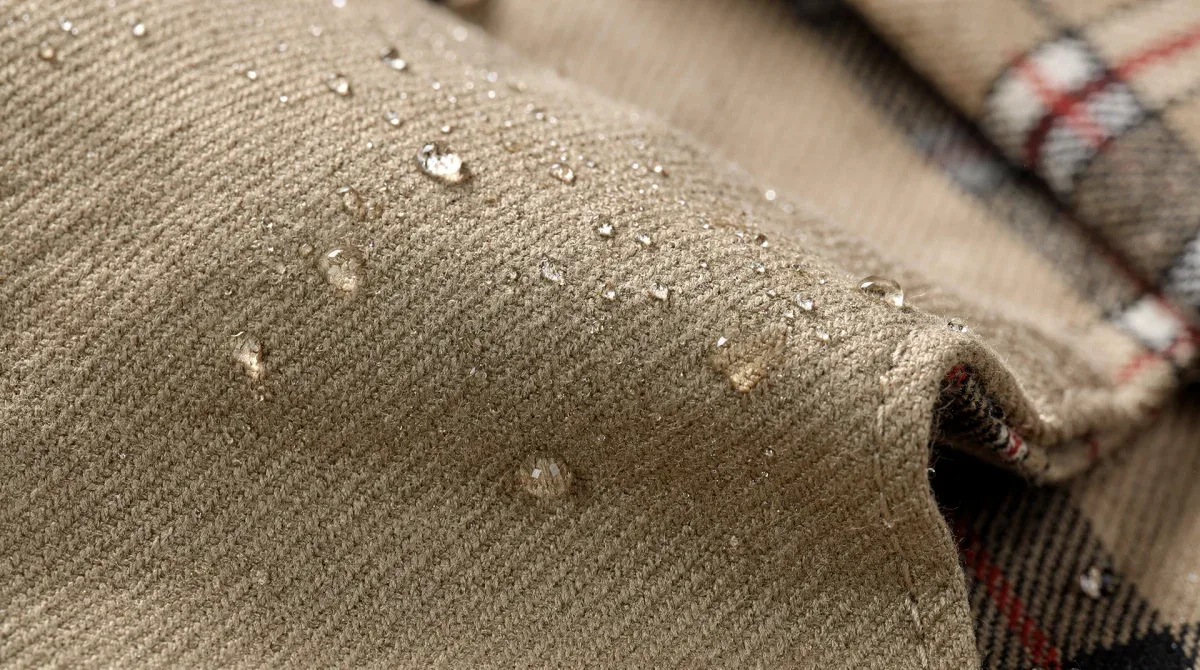
The trench coat, an icon of timeless style, boasts a rich history rooted in military utility. Its design, characterized by durable, water-resistant fabric, a belted waist, and distinctive epaulets, has evolved into a staple for unpredictable weather. Originally created for soldiers in the trenches, its practical features like storm flaps and deep pockets were designed for functionality, making it an enduring choice for today's dynamic environments.
Beyond its historical significance, the trench coat's enduring appeal lies in its adaptability. It seamlessly transitions from casual daytime wear to more formal evening ensembles, offering a blend of sophistication and practicality. Its lightweight yet protective nature makes it ideal for those seasons when the weather can shift dramatically within a single day.
Key Features of the Classic Trench Coat
A classic trench coat is instantly recognizable by several defining characteristics that contribute to its functionality and aesthetic. These features are not merely decorative but serve specific purposes, enhancing its weather resistance and versatility.
- Gabardine Fabric: Traditionally made from tightly woven cotton gabardine, which offers excellent water repellency while remaining breathable.
- Double-Breasted Front: Provides extra protection against wind and rain, a design element borrowed from its military origins.
- Belted Waist: Allows for cinching, creating a flattering silhouette and helping to seal out cold drafts.
- Storm Flap and Epaulets: Functional details that prevent water from seeping into the garment and were originally used for military insignia.
Trench Coat in Spring: Light Protection and Style
Spring often brings a mix of sunshine and sudden showers, making the trench coat an indispensable item. Its water-resistant properties offer protection from light rain, while its breathable fabric prevents overheating when temperatures rise. It's the perfect outer layer for those crisp mornings that turn into mild afternoons.
Styling a trench coat in spring is effortless. It pairs beautifully with lighter fabrics like cotton shirts, linen trousers, or even over a floral dress. The trench coat adds a polished finish to any outfit without adding excessive bulk, allowing for freedom of movement and comfort as the season progresses. It can be worn open for a relaxed look or belted for a more structured appearance.
The trench coat's ability to offer both practical protection and refined style makes it a cornerstone of any spring wardrobe. Its lightweight nature means it can be easily carried or draped when not needed, adapting to the fluctuating conditions of the season.
The Overcoat: Elegance and Substantial Warmth
In contrast to the trench coat, the overcoat is generally designed for cooler temperatures, offering more substantial warmth and a greater sense of formality. Traditionally crafted from wool or cashmere, overcoats are known for their luxurious feel and sophisticated drape. They are often longer than trench coats, providing extended coverage and a commanding silhouette.
Overcoats serve as a protective outer layer that can elevate any ensemble, from business attire to smart-casual outfits. Their heavier construction and insulating materials make them ideal for bridging the gap between fall and winter, or for cooler spring days. The overcoat embodies classic elegance, making a statement of refined taste.
Material and Construction: The Core of Overcoat Warmth
The primary distinction of an overcoat lies in its choice of materials and construction, which are geared towards providing superior insulation. Unlike the lighter gabardine of a trench coat, overcoats typically feature heavier, denser fabrics designed to trap warmth and withstand colder conditions.
- Wool and Cashmere Blends: These natural fibers are renowned for their excellent insulating properties, softness, and durability.
- Thicker Lining: Often fully lined with materials like satin or silk, which add an extra layer of warmth and allow for easy layering over other garments.
- Structured Silhouette: Overcoats typically have a more defined shoulder and a straighter cut, contributing to their formal appearance and ability to accommodate layers underneath.
- Varied Lengths: While many overcoats are long, extending past the knee, shorter versions exist, offering versatility while still prioritizing warmth.
Overcoat in Fall: Layering for Crisp Days
As autumn leaves begin to fall and the air turns crisp, the overcoat becomes an indispensable garment. It provides the necessary warmth for cooler temperatures without the bulk of a full winter coat. Its versatility in layering is a significant advantage, allowing you to adapt to varying degrees of cold throughout the day.
For fall, an overcoat can be layered over a lightweight sweater, a button-down shirt, or even a blazer. This allows for easy adjustment as temperatures fluctuate. The overcoat's elegant drape ensures that even with multiple layers, your outfit maintains a polished and sophisticated look. It's perfect for commuting, attending outdoor events, or simply enjoying a walk on a brisk autumn day.
The substantial nature of an overcoat makes it an excellent choice for fall, offering both protection from the elements and a refined aesthetic. Its ability to accommodate various layers underneath ensures comfort and style as the season progresses towards winter.
Weather Resistance: A Key Differentiator
When comparing trench coats overcoats, their weather resistance is a critical factor. Each garment is designed with specific climatic conditions in mind, making them suitable for different types of transitional weather. Understanding these differences helps in making an informed choice for your daily needs.
The trench coat, with its tightly woven gabardine, is inherently water-resistant, making it an excellent choice for light rain and damp conditions. Its design features, such as storm flaps and a double-breasted closure, are specifically engineered to repel water and keep the wearer dry. This makes it a go-to option for unpredictable spring and fall showers.
Trench Coat: The Rain Defender
The trench coat's reputation as a rain defender is well-earned. Its traditional fabric, gabardine, was revolutionary for its time, providing a breathable yet water-repellent barrier. Modern trench coats often incorporate advanced synthetic blends or treated cottons that further enhance their water resistance, sometimes even making them fully waterproof.
This focus on rain protection makes the trench coat ideal for climates with frequent light precipitation or sudden downpours. It's not designed for heavy snow or extreme cold, but rather for those damp, breezy days where staying dry is paramount. The classic tan color also helps to hide water marks, maintaining a smart appearance even after a spring shower.
Overcoat: The Wind and Cold Barrier
While some overcoats may offer a degree of water resistance, their primary function is to provide warmth and act as a barrier against wind and cold. Made from denser fabrics like wool or cashmere, overcoats are designed to insulate the body effectively. They are less about repelling water and more about trapping heat, making them suitable for colder, drier conditions.
Overcoats excel in blocking biting winds and maintaining body temperature during colder transitional periods, such as late fall or early spring in regions with significant temperature drops. Their heavier weight and longer length contribute to this superior thermal performance, ensuring comfort when the mercury dips. They are the ideal choice when the focus is on warmth rather than precipitation.
Layering Strategies for Transitional Seasons
Effective layering is the cornerstone of dressing for transitional seasons, and both trench coats and overcoats offer distinct advantages. The key is to understand how each garment accommodates different layers to maximize comfort and style as temperatures fluctuate. Mastering layering allows you to adapt your outfit throughout the day without sacrificing elegance.
For trench coats, the lighter construction means that layers should generally be less bulky. Thin sweaters, long-sleeved shirts, or even a light blazer can fit comfortably underneath without creating a cumbersome silhouette. This approach maintains the trench coat's sleek lines while providing adjustable warmth.
Layering with a Trench Coat: Light and Agile
The trench coat's design lends itself to light and agile layering, perfect for those days when the weather can change rapidly. The goal is to add warmth without bulk, allowing the trench coat to maintain its classic, streamlined appearance.
- Thin Knitwear: Opt for fine-gauge merino wool or cashmere sweaters that provide warmth without adding significant volume.
- Button-Down Shirts: A crisp cotton or oxford shirt can be a foundational layer, easily paired with a vest or cardigan for added warmth.
- Light Blazers: For a more formal look, a thin, unstructured blazer can be worn under a trench coat, adding an extra layer of sophistication.
- Scarves: A silk or lightweight wool scarf can provide adaptable warmth around the neck without making the overall outfit feel heavy.
Layering with an Overcoat: Robust and Refined
Overcoats, with their more generous cut and robust materials, are designed to accommodate more substantial layers. This makes them perfect for colder transitional periods, allowing for significant thermal regulation without compromising on style. The focus here is on building warmth while maintaining a refined aesthetic.
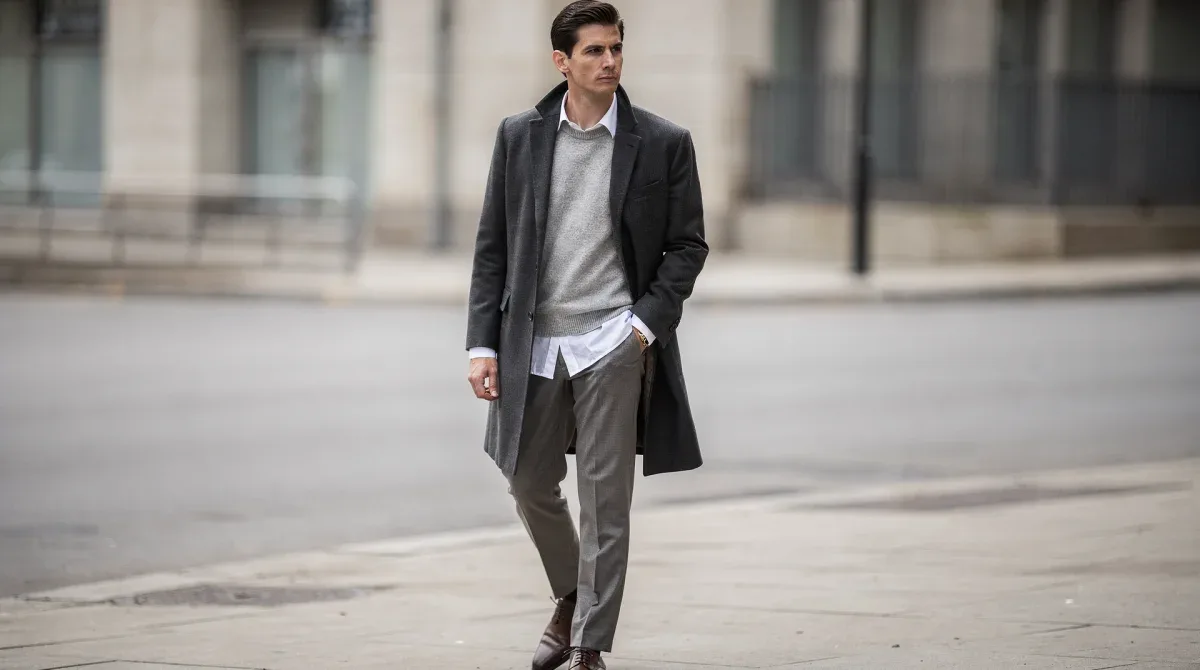
When layering with an overcoat, you can confidently include heavier garments. Think chunky knit sweaters, blazers made from thicker wools, or even a lightweight puffer vest. The overcoat's inherent structure ensures that even with multiple layers, the overall look remains polished and intentional. This robust layering capability makes the overcoat a versatile choice for bridging the gap between fall and winter, or for colder spring days where extra warmth is appreciated.
The key to successful overcoat layering is to choose pieces that complement each other in terms of texture and color, creating a cohesive and stylish ensemble. The overcoat then acts as the elegant outer shell, pulling the entire look together.
Styling for Three Transitional Seasons
Mastering the art of dressing for transitional seasons involves understanding how to effectively incorporate both trench coats and overcoats into your wardrobe. Each season presents unique challenges and opportunities for style, and selecting the right outerwear can make all the difference in comfort and aesthetic appeal. The versatility of these garments allows for a multitude of looks, adaptable to various occasions and weather shifts.
For early spring, when temperatures are still cool but the threat of winter has passed, a trench coat offers the perfect balance of light protection and refreshing style. As fall deepens into cooler temperatures, an overcoat becomes the preferred choice, providing essential warmth and an air of sophistication. Even mild winters can benefit from these pieces, especially when paired with appropriate layering.

Spring: Freshness and Lightness
Spring is a season of renewal, and your outerwear should reflect this. The trench coat, with its crisp lines and often lighter colors, is the quintessential spring jacket. It pairs effortlessly with lighter fabrics and vibrant hues, adding a touch of elegance to casual and semi-formal outfits alike.
- Casual Chic: Wear your trench coat open over a white t-shirt, light-wash jeans, and sneakers for a relaxed yet polished look.
- Office Ready: Drape it over a tailored dress or a blouse and slim-fit trousers for a professional ensemble that transitions seamlessly from morning commute to evening events.
- Rainy Day Essential: Its water-resistant properties make it perfect for unexpected spring showers, keeping you dry without compromising on style.
Fall: Warmth and Rich Tones
As autumn arrives, bringing with it cooler temperatures and a palette of rich, earthy tones, the overcoat takes center stage. Its substantial warmth and elegant drape make it ideal for creating sophisticated, layered looks that are both comfortable and stylish.
Pairing an overcoat with autumnal colors like deep greens, burgundies, and browns can create a harmonious aesthetic. It works well over chunky knit sweaters, flannel shirts, or tailored suits, providing a refined finish to any outfit. The overcoat is also perfect for outdoor activities like apple picking or attending fall festivals, offering ample warmth against the crisp air.
For a sophisticated fall look, consider a wool overcoat in a classic shade like charcoal, navy, or camel. This versatility ensures it complements a wide range of outfits, from casual weekend wear to more formal occasions. The overcoat truly shines in fall, offering both practicality and a timeless sense of style.
Mild Winter: Strategic Layering for Comfort
In regions with milder winters, both trench coats and overcoats can still be highly effective, provided they are paired with strategic layering. The goal is to maximize warmth and protection against the cold without resorting to heavy, bulky winter coats. This approach allows for greater flexibility and style.
For a mild winter, a trench coat can be worn over a thick cashmere sweater, a thermal base layer, and a wool scarf. This combination provides surprising warmth while maintaining the trench coat's elegant silhouette. Similarly, an overcoat can be layered over a suit jacket, a heavy knit turtleneck, and even a thin down vest for maximum insulation.
The key is to choose insulating materials for your inner layers and ensure a comfortable fit that allows for movement. This strategic layering transforms both trench coats and overcoats into viable options for milder winter conditions, extending their utility beyond just the transitional seasons.
Maintenance and Care for Longevity
Ensuring the longevity of your trench coats and overcoats requires proper maintenance and care. These garments are significant investments in your wardrobe, and with the right attention, they can remain stylish and functional for many years. Regular care not only preserves their appearance but also maintains their protective qualities, such as water resistance and insulation.
Different materials require specific care routines, so it's crucial to consult the care label on each garment. General practices like proper storage, timely cleaning, and minor repairs can significantly extend the life of your outerwear. Avoiding harsh chemicals and excessive washing is also key to preserving fabric integrity and color.
Trench Coat Care: Protecting Water Resistance
The water-resistant properties of a trench coat are central to its functionality, and proper care is essential to maintain this feature. Most trench coats, especially those made from gabardine, should be dry cleaned to avoid damaging the fabric's weave and any water-repellent treatments.
- Spot Cleaning: For small stains, gently blot with a damp cloth and mild soap, avoiding harsh rubbing.
- Professional Dry Cleaning: Recommended annually or bi-annually, depending on wear, to deep clean without compromising fabric integrity.
- Air Drying: Always air dry your trench coat away from direct sunlight or heat to prevent shrinking or damage to the fabric.
- Reproofing: Over time, the water-repellent finish may diminish. Consider professional reproofing services to restore its protective qualities.
Overcoat Care: Preserving Fabric and Shape
Overcoats, typically made from wool or cashmere, require careful handling to preserve their luxurious fabric and tailored shape. Improper care can lead to shrinking, pilling, or loss of shape, diminishing the garment's elegance and warmth.
Regular brushing with a soft-bristled garment brush can remove surface dirt and lint, preventing them from embedding in the fibers. This also helps to restore the natural luster of wool and cashmere. For deeper cleaning, dry cleaning is almost always the recommended method, as water can cause natural fibers to shrink or lose their shape. When storing, use a wide-shouldered hanger to support the coat's structure and prevent shoulder creases. Keeping it in a breathable garment bag can also protect it from dust and moths during off-season storage. Addressing any minor repairs, like loose buttons or lining tears, promptly will prevent further damage and extend the coat's lifespan.
By following these care guidelines, both your trench coats and overcoats will continue to look their best and provide effective protection and style for many seasons to come.
| Key Feature | Description |
|---|---|
| Trench Coat | Lightweight, water-resistant, ideal for mild rain and versatile layering in spring/fall. |
| Overcoat | Heavier, warmer, excellent for colder days and robust layering in late fall/mild winter. |
| Weather Resistance | Trench coats excel in rain protection; overcoats are superior for wind and cold. |
| Layering | Trench coats suit light layers; overcoats accommodate more substantial garments. |
Frequently Asked Questions About Transitional Outerwear
What is the primary difference between a trench coat and an overcoat?▼The primary difference lies in their purpose and construction. Trench coats are typically lighter, water-resistant, and designed for mild to cool, damp weather. Overcoats are heavier, made from insulating fabrics like wool, and intended for colder conditions, prioritizing warmth over rain protection.
Which coat is better for rainy spring days?▼For rainy spring days, a trench coat is generally superior. Its gabardine fabric and design features like storm flaps are specifically engineered to repel water and keep you dry during light to moderate rainfall. Overcoats, while warm, usually lack significant water resistance.
Can I wear an overcoat in early fall?▼Yes, an overcoat is an excellent choice for early fall, especially as temperatures begin to drop. Its insulating properties provide warmth against crisp air and wind, and its robust design allows for versatile layering with sweaters or blazers, making it adaptable to fluctuating autumn conditions.
How do I properly layer under a trench coat?▼To layer effectively under a trench coat, opt for lighter, less bulky garments. Thin knit sweaters, long-sleeved shirts, or even a lightweight blazer work well. The goal is to add warmth without compromising the trench coat's streamlined silhouette or making the outfit feel restrictive.
What are the best materials for trench coats and overcoats?▼For trench coats, classic gabardine cotton is ideal for its water-resistant and breathable qualities. For overcoats, wool, cashmere, or blends of these materials are preferred for their superior insulation, softness, and luxurious feel, providing excellent warmth and comfort.
Conclusion
Choosing between trench coats overcoats for transitional seasons ultimately depends on the specific weather conditions and your personal style preferences. While the trench coat excels in providing lightweight, water-resistant protection for mild, damp days, the overcoat offers superior warmth and a more formal aesthetic for colder, drier periods. By understanding their distinct features and mastering effective layering strategies, you can confidently navigate the unpredictable climate shifts of spring, fall, and even mild winters, ensuring both comfort and impeccable style.
