Footwear Longevity: Extend Leather Boot Life Past 5 Years
Advertisements
Achieving remarkable footwear longevity leather boots requires consistent care, focusing on proper cleaning, conditioning, and protection to ensure they remain functional and stylish for over five years, significantly extending their lifespan.
Have you ever wondered how some individuals seem to wear their favorite leather boots for years, even decades, while others find theirs falling apart after a season or two? The secret lies in consistent, diligent care. Mastering footwear longevity leather boots is not just about extending their life; it’s about preserving their character, comfort, and timeless appeal, ensuring they remain a staple in your wardrobe for well over five years.
Understanding the Anatomy of Leather Boots and Their Vulnerabilities
Before diving into specific maintenance steps, it's crucial to understand what makes leather boots both durable and vulnerable. Leather, as a natural material, possesses inherent strength and flexibility, but it's also susceptible to environmental factors like moisture, extreme temperatures, and abrasive elements. Recognizing these characteristics is the first step toward effective preservation.
Different types of leather, from full-grain to suede, have varying needs. Full-grain leather, known for its robustness and ability to develop a beautiful patina, requires regular conditioning to prevent drying and cracking. Suede, on the other hand, is more delicate and prone to stains, demanding specialized cleaning and protection. Understanding these nuances allows for a tailored approach to care, directly impacting the overall lifespan of your boots.
The impact of daily wear on leather integrity
Every step we take, every puddle we encounter, and every temperature fluctuation contributes to the wear and tear on our leather boots. The flexing of the leather, the friction against surfaces, and the accumulation of dirt all gradually degrade the material. Without proper intervention, these daily stresses can lead to premature aging, characterized by cracks, scuffs, and a dull appearance.
- Abrasion: Constant rubbing against surfaces can wear down the leather's surface, particularly on toes and heels.
- Moisture Exposure: Water can strip natural oils, leading to stiffness and cracking once the leather dries.
- Heat Damage: Excessive heat can dry out leather, making it brittle and prone to structural damage.
- Dirt and Grime: Accumulated dirt can act as an abrasive, slowly damaging the leather fibers.
The cumulative effect of these daily challenges can significantly shorten the life of even the highest quality leather boots. Proactive maintenance, therefore, is not merely an option but a necessity for those committed to maximizing their footwear investment and ensuring genuine footwear longevity leather.
In essence, appreciating the intricate nature of leather and its interaction with the environment is fundamental. This foundational knowledge empowers boot owners to anticipate potential issues and implement preventive measures, thereby safeguarding their footwear against the ravages of time and use. By understanding these vulnerabilities, we can develop a more effective and responsive care regimen, ensuring our boots not only last but also maintain their aesthetic appeal.
Step 1: The Art of Regular and Thorough Cleaning
The cornerstone of exceptional footwear longevity leather boots is a consistent and thorough cleaning regimen. Dirt, dust, and grime are not just aesthetic nuisances; they are abrasive agents that can slowly but surely degrade the leather fibers, leading to premature wear. A clean boot is a happy boot, and a happy boot lasts longer.

Regular cleaning involves more than just a quick wipe-down. It requires a dedicated approach that addresses both surface grime and deeper-seated dirt. This step is crucial because accumulated debris can scratch the leather, clog its pores, and hinder the effectiveness of subsequent conditioning and protection treatments. Ignoring this fundamental step can undermine all other efforts to extend your boots' life.
Essential tools and techniques for effective cleaning
To properly clean your leather boots, you'll need a few essential tools. A soft-bristled brush, a clean cloth, and a gentle leather cleaner are your primary allies. Avoid harsh chemicals or abrasive materials, as these can strip the leather of its natural oils and cause irreparable damage. The goal is to remove dirt without harming the leather's integrity.
- Brush Off Loose Dirt: Start by using a soft brush to remove any loose dirt, mud, or debris from the boot's surface. Pay attention to seams and crevices where dirt tends to accumulate.
- Wipe with a Damp Cloth: Dampen a clean cloth with water (not soaking wet) and gently wipe down the entire boot. This helps to remove surface dust and prepare the leather for a deeper clean.
- Apply Leather Cleaner: Follow the instructions on your chosen leather cleaner. Typically, you'll apply a small amount to a clean cloth and gently rub it into the leather in circular motions. Work in small sections to ensure thorough cleaning.
- Wipe Off Residue: Use a separate clean, damp cloth to wipe off any excess cleaner and dirt residue. Allow the boots to air dry completely before proceeding to the next step.
The frequency of cleaning depends on how often you wear your boots and the conditions they are exposed to. For daily wear, a quick brush-off might suffice, but a more thorough cleaning with leather cleaner should be performed every few weeks or whenever the boots appear visibly dirty. This routine ensures that the leather remains clean, breathable, and ready to absorb conditioning treatments, directly contributing to its longevity. Neglecting this crucial step can lead to irreversible damage, making all subsequent efforts less effective.
Step 2: The Power of Regular Conditioning and Moisturizing
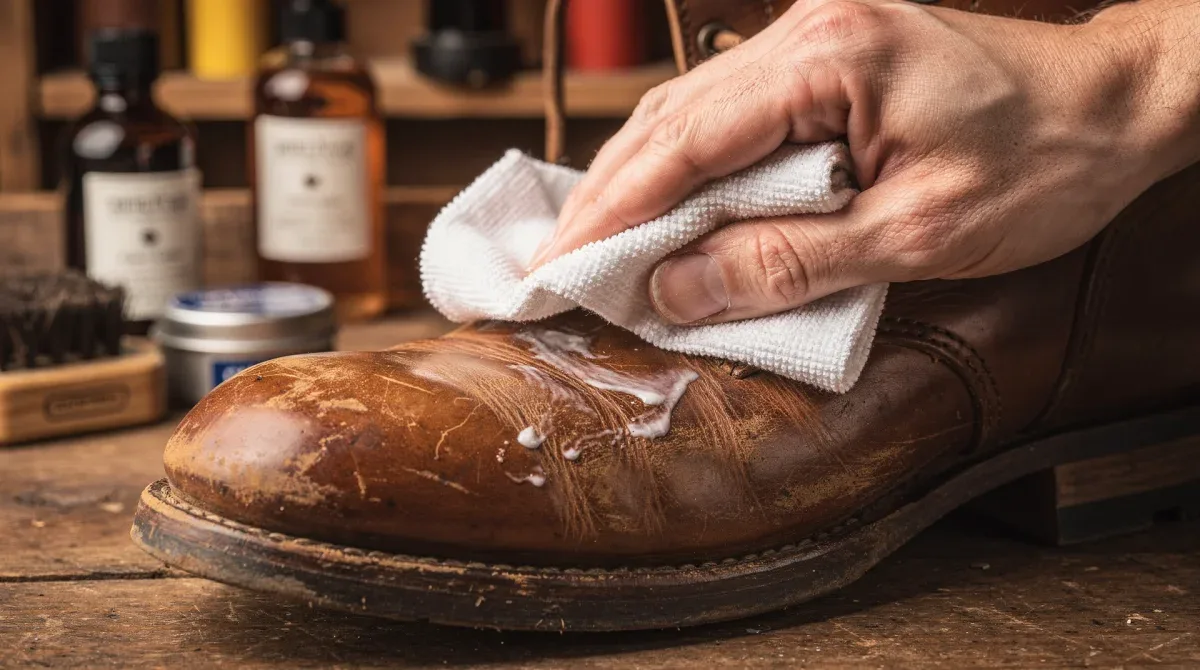
Just like our skin, leather needs to be moisturized to remain supple, flexible, and resistant to cracking. Regular conditioning is perhaps the most vital step in achieving superior footwear longevity leather boots. Leather, being a natural hide, contains oils that keep it soft and pliable. Over time, these oils deplete due to exposure to elements, drying out, and general wear. Replenishing them is paramount.
Failing to condition your leather boots is akin to never moisturizing your skin; it will inevitably dry out, crack, and lose its resilience. A well-conditioned boot not only looks better but also performs better, resisting scuffs, water damage, and structural fatigue. This step is what truly nourishes the leather, extending its life and maintaining its luxurious feel.
Choosing the right conditioner for your leather type
Not all leather conditioners are created equal. The type of conditioner you choose should match your boot's leather type. For full-grain leather, a cream-based conditioner or natural oil (like mink oil or neatsfoot oil) works best, penetrating deep into the fibers. For suede or nubuck, specialized sprays or conditioners that don't alter the texture are necessary. Always test a small, inconspicuous area first to ensure compatibility.
- Cream-based conditioners: Ideal for smooth, finished leathers, providing deep nourishment and a gentle shine.
- Oil-based conditioners: Excellent for rugged or heavily used boots, offering superior water resistance and flexibility.
- Sprays for delicate leathers: Essential for suede and nubuck, which require conditioning without saturation or texture change.
- Natural oils: Such as mink oil or neatsfoot oil, are traditional choices for robust leathers, enhancing water resistance and softness.
The application process is straightforward but requires patience. After cleaning and ensuring the boots are completely dry, apply a small amount of conditioner to a clean cloth. Gently rub the conditioner into the leather in circular motions, ensuring an even coat. Pay particular attention to areas that flex or show signs of dryness. Allow the conditioner to absorb for several minutes, then buff off any excess with a clean, dry cloth. This not only removes residue but also brings out a natural sheen.
The frequency of conditioning depends on usage and environmental conditions. For boots worn frequently or exposed to harsh weather, conditioning every 1-2 months is advisable. For less frequent wear, every 3-4 months might suffice. This consistent replenishment of natural oils is the backbone of preserving the leather's integrity and achieving remarkable footwear longevity leather, ensuring your boots remain a durable and stylish companion for years to come. It’s an investment of time that pays dividends in extended wear and aesthetic appeal.
Step 3: Proactive Protection Against the Elements
Once your leather boots are clean and conditioned, the final crucial step to ensure outstanding footwear longevity leather is to protect them from external threats. This involves creating a barrier against water, stains, and UV damage, which are primary culprits in the degradation of leather. Protection isn't just about preventing immediate damage; it's about safeguarding the leather's long-term health and appearance.
Environmental factors can be merciless on leather. Rain, snow, mud, and even harsh sunlight can strip away natural oils, cause discoloration, and lead to irreversible damage. A robust protective layer acts as your boots' first line of defense, mitigating these risks and significantly extending their functional and aesthetic life. Neglecting this step leaves your carefully cleaned and conditioned boots vulnerable to the very elements you're trying to combat.
Waterproofing and stain resistance strategies
Waterproofing is paramount, especially for boots worn in varied climates. There are several effective waterproofing products available, ranging from wax-based treatments to silicone sprays. Wax-based products, often applied with heat, create a strong, durable barrier ideal for rugged boots. Sprays, on the other hand, offer quicker application and are suitable for a wider range of leather types, including some suedes, though always check product compatibility.
- Wax-based treatments: Excellent for heavy-duty protection, creating a robust, water-repellent layer. Best for full-grain and oil-tanned leathers.
- Silicone or polymer sprays: Offer a breathable, invisible barrier against water and stains. Suitable for various leather types, including some delicate finishes.
- UV protectants: Some products also offer UV protection, preventing sun-induced fading and drying, particularly important for boots stored or worn in sunny conditions.
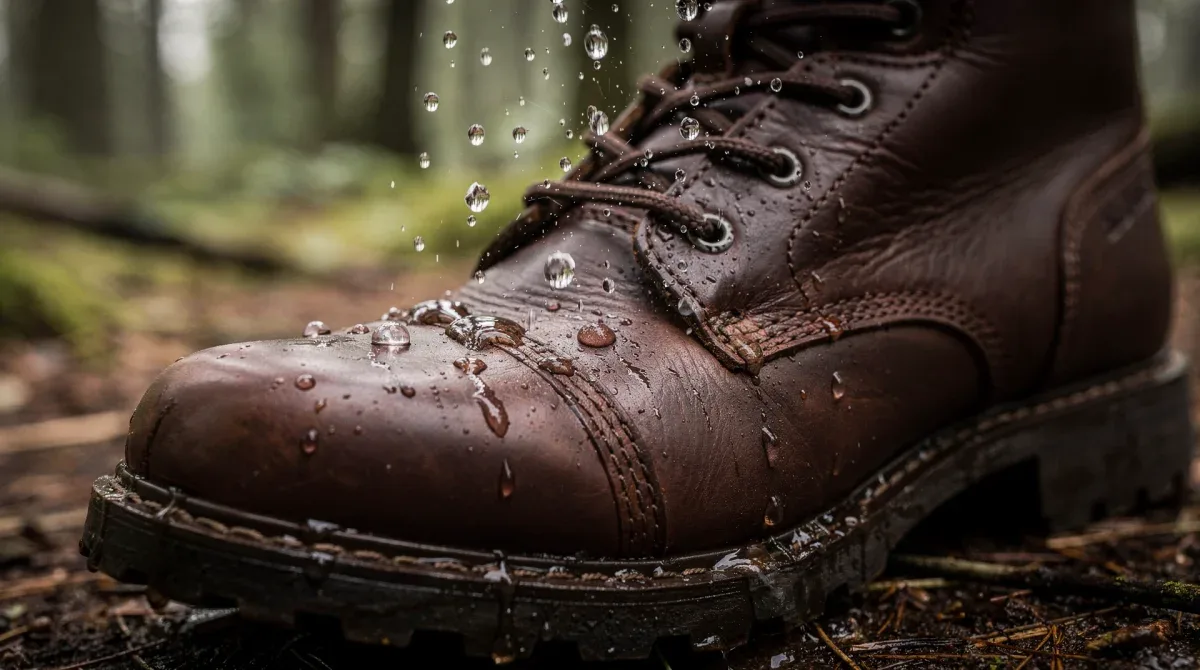
To apply a protective product, ensure your boots are clean and dry, ideally after a conditioning treatment. Follow the product's instructions carefully. For sprays, apply an even coat from a recommended distance, allowing it to dry completely between coats if multiple applications are advised. For wax, gently warm the wax and rub it into the leather, then buff for a smooth finish.
Beyond waterproofing, consider stain protectors. These treatments create an invisible shield that repels liquids and prevents stains from setting in, making spills easier to wipe away. This is particularly beneficial for lighter-colored leathers or those prone to staining. Reapplying protective treatments periodically, typically every few months or after heavy exposure, is crucial to maintain their effectiveness.
By proactively protecting your leather boots, you are not just preventing damage; you are actively contributing to their long-term resilience and beauty. This final step seals in all the care you've invested, ensuring that your boots can withstand the challenges of daily wear and environmental exposure, cementing their status as a lasting component of your wardrobe and a testament to true footwear longevity leather.
Proper Storage: A Hidden Factor in Boot Longevity
While cleaning, conditioning, and protecting are direct maintenance steps, proper storage often goes overlooked as a critical element for footwear longevity leather boots. How you store your boots when not in use can significantly impact their shape, material integrity, and overall lifespan. Improper storage can lead to creases, mold, mildew, and even pest damage, undoing all your careful maintenance work.
Think of storage as a period of rest and recovery for your boots. Just as a good night's sleep is essential for our well-being, a proper storage environment allows the leather to breathe, retain its shape, and avoid unnecessary stress. Neglecting this aspect can result in misshapen boots, compromised leather, and a shortened lifespan, regardless of how meticulously you perform other maintenance tasks.
Optimizing your boot storage environment
The ideal storage environment for leather boots is cool, dry, and well-ventilated. Avoid damp basements, humid closets, or direct sunlight, as these conditions can foster mold growth, dry out the leather, or cause fading. Proper air circulation is key to preventing moisture buildup and keeping the leather healthy.
- Use Boot Trees or Stuffing: To maintain the boot's original shape and prevent creasing, insert boot trees or stuff them with acid-free tissue paper or crumpled newspaper. This is especially important for taller boots, preventing them from slouching.
- Store in Dust Bags: When not in use, store your boots in breathable dust bags. These protect against dust accumulation, scratches, and minor impacts without trapping moisture. Avoid plastic bags, which can prevent air circulation and encourage mold.
- Separate from Other Footwear: If possible, store boots separately from other shoes to prevent scuffs and cross-contamination of dirt or odors. A dedicated shoe rack or shelf is ideal.
- Avoid Extreme Temperatures: Keep boots away from direct heat sources like radiators or prolonged exposure to cold, which can both be detrimental to leather.
Before storing your boots for an extended period, ensure they are thoroughly cleaned, conditioned, and protected. This prepares them for their rest, preventing any existing dirt or dryness from worsening during storage. Regularly checking on stored boots, especially if they are seasonal items, can also help catch any issues early, such as signs of mold or pest activity.
By prioritizing proper storage, you are not just putting your boots away; you are actively preserving their structural integrity and aesthetic appeal. This often-underestimated practice plays a pivotal role in achieving the desired footwear longevity leather, ensuring that your beloved boots emerge from storage just as splendid and ready for wear as they were when you put them away. It's an investment in their future, safeguarding your footwear for many seasons to come.
Repair and Restoration: When Professional Help is Needed
Despite the most diligent cleaning, conditioning, and protection, leather boots will eventually experience wear and tear that goes beyond home maintenance. Scuffed toes, worn heels, separated soles, and deep scratches are inevitable aspects of a well-loved pair of boots. Recognizing when to seek professional help for repair and restoration is a crucial component of achieving ultimate footwear longevity leather.
Attempting complex repairs at home without the right tools or expertise can often do more harm than good, potentially rendering your boots irreparable. A skilled cobbler possesses the knowledge, specialized equipment, and materials to address a wide range of issues, breathing new life into your cherished footwear and extending its lifespan significantly beyond what DIY efforts could achieve.
Identifying common repair needs and finding a trusted cobbler
Knowing what issues warrant professional attention is key. While minor scuffs might be manageable with a touch-up kit, more serious problems require an expert eye. Common issues that benefit from professional repair include:
- Sole and Heel Replacement: Worn-down soles and heels are a frequent issue. A cobbler can replace them with new, high-quality materials, often improving upon the original.
- Stitching Repair: Loose or broken stitching can compromise the boot's structure. Professionals can restitch areas securely, preventing further unraveling.
- Leather Patching or Dyeing: Deep cuts, tears, or significant discoloration can often be professionally patched, blended, or re-dyed to restore the boot's appearance.
- Zipper Repair/Replacement: Faulty zippers are a common frustration that a cobbler can easily fix or replace, restoring functionality.
Finding a trusted cobbler is akin to finding a good mechanic for your car. Look for recommendations, check online reviews, and assess their expertise. A good cobbler will be transparent about the repair process, provide estimates, and demonstrate a clear understanding of different leather types and construction methods. Don't be afraid to ask about their experience and the materials they use.
Investing in professional repair is not merely a cost; it's an investment in the continued life of your boots. Often, the cost of repair is significantly less than replacing a high-quality pair of leather boots, making it a financially savvy decision. Moreover, it aligns with sustainable practices, reducing waste and promoting conscious consumption.
By embracing professional repair and restoration as a vital part of your maintenance strategy, you ensure that your boots receive the specialized care they need at critical junctures. This proactive approach to addressing significant wear and tear is indispensable for maximizing footwear longevity leather, allowing your boots to serve you faithfully for many years, even decades, to come.
The Long-Term Benefits of Consistent Leather Boot Care
The dedication to regular cleaning, conditioning, protection, proper storage, and timely repairs culminates in a multitude of long-term benefits that extend far beyond simply having boots that last. Consistent care for your leather boots transforms them from mere footwear into enduring companions, significantly enhancing their value and your overall experience. This holistic approach to maintenance is the true embodiment of achieving remarkable footwear longevity leather.
The initial investment in high-quality leather boots is substantial, but the return on that investment is exponentially greater when coupled with conscientious care. Well-maintained boots not only save you money in the long run by delaying replacements but also offer unparalleled comfort, style, and a sense of personal pride that comes from preserving something of quality. This commitment to care reflects a broader appreciation for craftsmanship and sustainability.
Economic, environmental, and aesthetic advantages
The advantages of consistent leather boot care are multifaceted:
- Economic Savings: Extending the life of your boots means you buy new pairs less frequently. High-quality leather boots can be expensive, and proper care amortizes that cost over many more years, offering significant savings compared to continually replacing cheaper, less durable footwear.
- Environmental Impact: By prolonging the life of your boots, you contribute to reducing waste in landfills and decrease the demand for new production, which often has a considerable environmental footprint. This aligns with sustainable fashion practices and conscious consumption.
- Enhanced Comfort: Well-conditioned leather remains supple and conforms better to your feet, providing superior comfort over time. Dry, stiff leather can be uncomfortable and even lead to foot issues.
- Timeless Style and Patina: Leather develops a unique patina with age and care, a rich character that cannot be replicated by new boots. This aged look often enhances their aesthetic appeal, making them more distinctive and stylish.
- Reliability and Performance: Boots that are regularly maintained are more reliable. Soles remain intact, stitching holds firm, and the leather resists punctures and tears better, ensuring they perform optimally in various conditions.
Beyond these tangible benefits, there's a certain satisfaction in wearing a pair of boots that have journeyed with you through countless experiences, bearing the marks of a life well-lived, yet remaining robust and presentable thanks to your care. This personal connection to your footwear is a testament to the power of maintenance.
Ultimately, consistent care for your leather boots is an investment in quality, sustainability, and personal style. It's a practice that yields dividends in durability, comfort, and aesthetic pleasure, ensuring that your boots not only last but thrive for well over five years, solidifying their place as a valued asset in your wardrobe and a prime example of enduring footwear longevity leather.
Choosing the Right Leather Boots: A Foundation for Longevity
While maintenance is paramount, the journey to exceptional footwear longevity leather boots truly begins with the initial purchase. The quality of the leather and the construction of the boot itself lay the foundation for how well it will withstand the test of time and respond to care. Investing wisely upfront can make all subsequent maintenance efforts more effective and rewarding, ensuring your boots have the inherent resilience to last for years.
Opting for cheaper, lower-quality leather or poorly constructed boots often means you're fighting an uphill battle from the start. Such boots may not absorb conditioners well, their materials might degrade quickly, and structural components could fail prematurely, regardless of how meticulously you care for them. Therefore, making an informed choice at the point of purchase is a critical, often overlooked, step towards long-lasting footwear.
Understanding quality indicators in leather and construction
When selecting leather boots, several key indicators point to quality and potential longevity:
- Full-Grain Leather: This is the highest quality leather, retaining the natural grain and imperfections of the hide. It's durable, breathable, and develops a beautiful patina over time. Avoid 'genuine leather,' which is often a lower-quality, heavily processed material.
- Welt Construction: Look for Goodyear welt or Blake stitch construction. These methods involve stitching the sole to the upper, making the boots more durable, resoleable, and easier to repair by a cobbler. Cemented soles, while cheaper, are difficult or impossible to resole.
- Quality Hardware: Zippers, eyelets, and buckles should be robust and made of durable metals, not flimsy plastic. Quality hardware ensures these components don't fail before the leather does.
- Lining Material: A full leather lining is a sign of quality, providing comfort, breathability, and durability. Synthetic linings can trap moisture and degrade faster.
Don't be swayed solely by brand names; instead, focus on the tangible attributes of the boots. Examine the stitching for consistency and strength. Feel the leather for its thickness and suppleness. A heavier, more substantial boot often indicates better materials and construction, though this isn't always a definitive rule.
Consider the intended use of the boots. If you plan to wear them frequently in harsh conditions, prioritize robust construction and water-resistant leathers. For more casual or fashion-oriented wear, you might have slightly more flexibility, but core quality indicators remain important for longevity.
By making an educated decision when purchasing, you equip yourself with boots that are inherently designed for durability and responsiveness to care. This foundational step is not just about buying a product; it's about investing in a long-term relationship with your footwear, setting the stage for years of reliable wear and truly maximizing footwear longevity leather from day one.
| Key Maintenance Step | Brief Description |
|---|---|
| Regular Cleaning | Removes dirt and debris, preventing abrasive damage and preparing leather for treatment. |
| Consistent Conditioning | Replenishes natural oils, keeping leather supple, flexible, and resistant to cracking. |
| Proactive Protection | Creates a barrier against water, stains, and UV damage, safeguarding leather's integrity. |
| Proper Storage | Maintains boot shape, prevents creases, and protects against environmental damage during non-use. |
Frequently Asked Questions About Leather Boot Longevity
How often should I clean my leather boots?▼For regular wear, a quick brush-off after each use is beneficial. A thorough cleaning with a dedicated leather cleaner should be done every few weeks or whenever the boots appear visibly dirty, depending on exposure to elements and frequency of use. Consistency is key for optimal footwear longevity leather.
Can I use household products to condition my leather boots?▼It is strongly advised against using household products like olive oil or petroleum jelly. These can damage leather, clog pores, and attract dirt. Always use specialized leather conditioners designed to nourish and protect without causing harm, ensuring proper footwear longevity leather.
What is the best way to dry wet leather boots?▼Never use direct heat sources like radiators or hairdryers, as this can crack and stiffen the leather. Instead, stuff the boots with newspaper to absorb moisture and let them air dry naturally at room temperature. This slow drying process preserves the leather's integrity and contributes to footwear longevity leather.
When should I consider professional repair for my leather boots?▼Seek professional help for significant issues like worn soles, broken stitching, deep cuts, or zipper malfunctions. A skilled cobbler can expertly repair these problems, extending the life of your boots far beyond what DIY methods could achieve, crucial for maintaining footwear longevity leather.
Does wearing boots less frequently help extend their life?▼While less frequent wear reduces immediate stress, consistent rotation with other footwear and proper storage during non-use are more beneficial. Allowing boots to rest and air out between wears is important, but neglect during storage can be just as damaging. Active, careful maintenance is always key for footwear longevity leather.
Conclusion
Achieving outstanding footwear longevity leather boots is a journey that intertwines consistent care with an understanding of the material itself. By diligently following the three critical maintenance steps—regular cleaning, consistent conditioning, and proactive protection—along with intelligent storage and timely professional repairs, you can confidently extend the life of your leather boots well beyond five years. This commitment not only preserves their aesthetic appeal and comfort but also represents a sustainable and economically savvy choice, allowing your cherished footwear to develop a rich character that only time and care can bestow. Embrace these practices, and your leather boots will continue to be a reliable and stylish companion for countless adventures to come.
