Tailoring Hacks: 4 Simple Suit Alterations Under $30
Advertisements
Elevate your off-the-rack suits with four simple tailoring hacks under $30, transforming their fit and appearance to a custom-made standard, significantly enhancing your professional and personal style without breaking the bank.
Unlocking the potential of your wardrobe doesn't require a custom-made budget. With a few strategic tailoring hacks: 4 simple alterations under $30 that instantly elevate off-the-rack suits, you can transform garments from merely acceptable to impeccably fitted, making a significant impact on your overall presentation and confidence. This guide will walk you through essential, affordable adjustments that make all the difference.
The foundational fit: why alterations matter
Many individuals overlook the profound impact of a well-fitted suit. An off-the-rack suit, by its very nature, is designed to fit a generalized body type, often leaving crucial areas either too loose or too tight. This discrepancy can undermine your professional image and comfort. Understanding why alterations are essential is the first step toward a polished appearance.
The difference between a suit that merely hangs on you and one that truly fits is striking. A properly tailored suit enhances your silhouette, projects confidence, and demonstrates attention to detail. It's not about spending a fortune, but rather about smart, targeted investments that yield significant visual returns.
Beyond standard sizes: the art of personalization
Standard sizing attempts to cater to a broad audience, but true style often lies in personalization. While a suit might fit your chest measurement, the sleeves could be too long, or the pant break could be excessive. These seemingly minor details accumulate, creating an overall impression of sloppiness. Tailoring allows you to transcend these limitations, adapting the garment to your unique proportions.
- Improved comfort: A suit that fits well moves with you, not against you, reducing strain and discomfort throughout the day.
- Enhanced aesthetics: Clean lines and appropriate lengths create a more streamlined and flattering appearance.
- Increased confidence: When you look good, you feel good, and this confidence radiates in your interactions.
- Professional image: A sharp suit signals professionalism and competence, crucial in many settings.
In conclusion, recognizing the value of alterations is paramount. It shifts your perspective from simply wearing a suit to owning a suit that reflects your personal brand. These small adjustments are not luxuries but strategic investments in your presentation.

Hack 1: sleeve length adjustment – the $15 game changer
One of the most common and noticeable flaws in an off-the-rack suit is incorrect sleeve length. Sleeves that are too long can make you appear disheveled, while those that are too short might seem awkward. Getting this right is a simple, yet incredibly impactful alteration that typically costs around $15 to $20.
The ideal suit jacket sleeve should end precisely where your wrist meets your hand, allowing about a quarter to half an inch of your shirt cuff to show. This subtle detail is a hallmark of a well-dressed individual and instantly elevates the perceived quality of your suit.
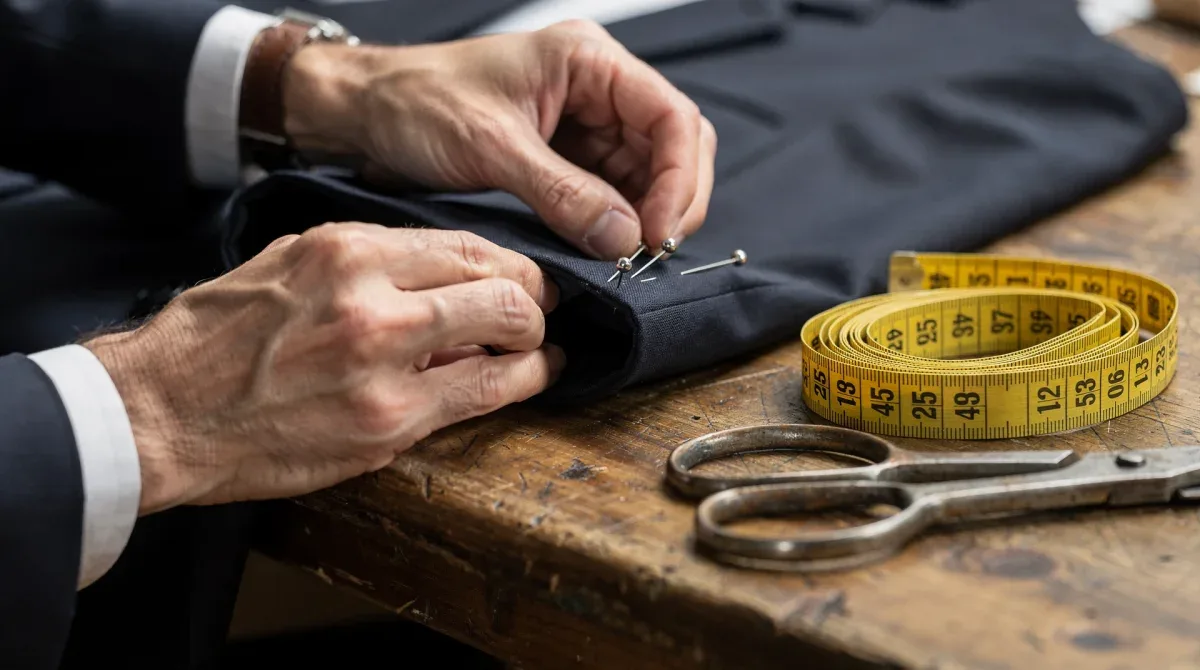
Understanding the ideal sleeve length
Achieving the perfect sleeve length involves a delicate balance. Too much shirt cuff showing can look like your jacket is too small, while no shirt cuff at all suggests an ill-fitting garment. A skilled tailor will measure and pin the sleeves while you are wearing the jacket, ensuring the correct length is marked for alteration.
- Shirt cuff visibility: Aim for 0.25 to 0.5 inches of shirt cuff to be visible when your arms are relaxed at your sides.
- Wrist bone alignment: The jacket sleeve should kiss the top of your wrist bone.
- Tailor's expertise: Trust your tailor to guide you, but always communicate your preference for shirt cuff exposure.
This adjustment is relatively straightforward for tailors, as it primarily involves re-hemming the sleeve. Even if the sleeve has working buttons, a competent tailor can shorten it from the shoulder, though this is a more complex and costly procedure, usually exceeding the $30 budget. For most off-the-rack suits, a simple sleeve hem from the cuff is sufficient and affordable.
Mastering sleeve length is a quick win for anyone looking to improve their suit game. It's a detail often overlooked by the untrained eye, but profoundly appreciated by those who understand the nuances of good tailoring. This single alteration can transform a generic suit into one that appears custom-fitted, boosting your confidence with every wear.
Hack 2: pant hem adjustment – perfect break for a polished look
After sleeve length, the next most critical and affordable alteration is adjusting the pant hem. The way your trousers sit on your shoes, known as the 'break,' significantly influences the overall neatness of your suit. An improper break can make your legs look shorter, or your pants appear baggy and unkempt. This alteration typically costs between $10 and $20.
There are generally three types of breaks: no break, slight break, and full break. For most modern professional settings, a slight break is preferred, offering a clean, contemporary look without being overly trendy. The choice often comes down to personal style and the formality of the suit.
Choosing your ideal pant break
The 'break' refers to the crease or fold formed in your trousers just above your shoe. A slight break means the pant leg barely touches the top of your shoe, creating a minimal fold. This look is sharp, modern, and versatile. A full break results in a more traditional, conservative look with a noticeable fold.
- No break: The pant leg ends just above the shoe, with no fabric touching the shoe. Best for very modern or casual suits.
- Slight break: The pant leg gently skims the top of your shoe, creating a single, subtle fold. This is the most popular and versatile option.
- Full break: The pant leg falls further over the shoe, creating multiple folds. More traditional and suitable for heavier fabrics.
When getting your pants hemmed, always wear the shoes you intend to wear with the suit. This ensures the tailor can accurately gauge the correct length. Stand naturally, and communicate your preferred break to the tailor. This seemingly minor detail has a monumental impact on the fluidity of your suit's silhouette.
A well-executed pant hem can make your legs appear longer and your posture more upright. It cleans up the lines of your suit, making it look much more expensive than it actually is. This hack is a testament to how small, precise adjustments can dramatically enhance your overall appearance, reinforcing the idea that thoughtful tailoring is an investment, not an expense.
Hack 3: taking in the waist of the trousers – a snug fit
Often, when you find a suit jacket that fits reasonably well, the accompanying trousers might be a bit too loose in the waist. A baggy waist can ruin the sleek line of your suit and necessitate the constant use of a belt, which, while functional, isn't always the most elegant solution. Taking in the waist of your trousers is a simple alteration, usually costing $15 to $25, that ensures a comfortable and flattering fit.
The ideal waist fit means your trousers should sit comfortably on your hips without needing a belt to stay up, yet not feel restrictive. This allows the fabric to drape smoothly, creating a cleaner, more streamlined look that complements the jacket.
Achieving the perfect waist circumference
Tailors can easily adjust the waist of most dress pants by taking in fabric at the back seam. This process is relatively quick and affordable. When being measured, ensure you're wearing the pants as you would normally, perhaps with a dress shirt tucked in, to get the most accurate fit. The goal is a waist that feels secure but allows for comfortable movement.
- Comfort is key: The waist should feel snug but not tight, allowing you to breathe and sit comfortably.
- No belt reliance: Ideally, your trousers should stay up on their own, with a belt serving as an accessory rather than a necessity.
- Smooth silhouette: A properly fitted waist prevents unsightly bunching or sagging around the midsection.
This alteration is particularly beneficial for individuals with athletic builds or those whose waist-to-hip ratio doesn't perfectly align with standard sizing charts. It ensures that the trousers contribute to the overall sharp appearance of the suit, rather than detracting from it. It’s a subtle change with a significant visual return, solidifying the notion that a truly well-fitting suit is a sum of its precisely tailored parts.
By investing a small amount in this alteration, you eliminate the need to constantly adjust your trousers or rely on a belt to mask an improper fit. This contributes to a more polished and confident demeanor, showcasing that attention to detail extends even to the hidden aspects of your attire.
Hack 4: tapering the pant legs – modernizing your silhouette
While the previous alterations focus on length and waist, tapering the pant legs addresses the overall silhouette of your trousers. Many off-the-rack suits come with pant legs that are wider than ideal for a modern, streamlined look. Tapering, which typically costs $20 to $30, slims down the leg from the knee down, creating a more contemporary and flattering profile.
This alteration is particularly effective for those who want to avoid the 'baggy' look often associated with mass-produced suits. It brings the trousers closer to your leg without being restrictive, enhancing the overall sharpness of your suit and making you appear taller and more agile.
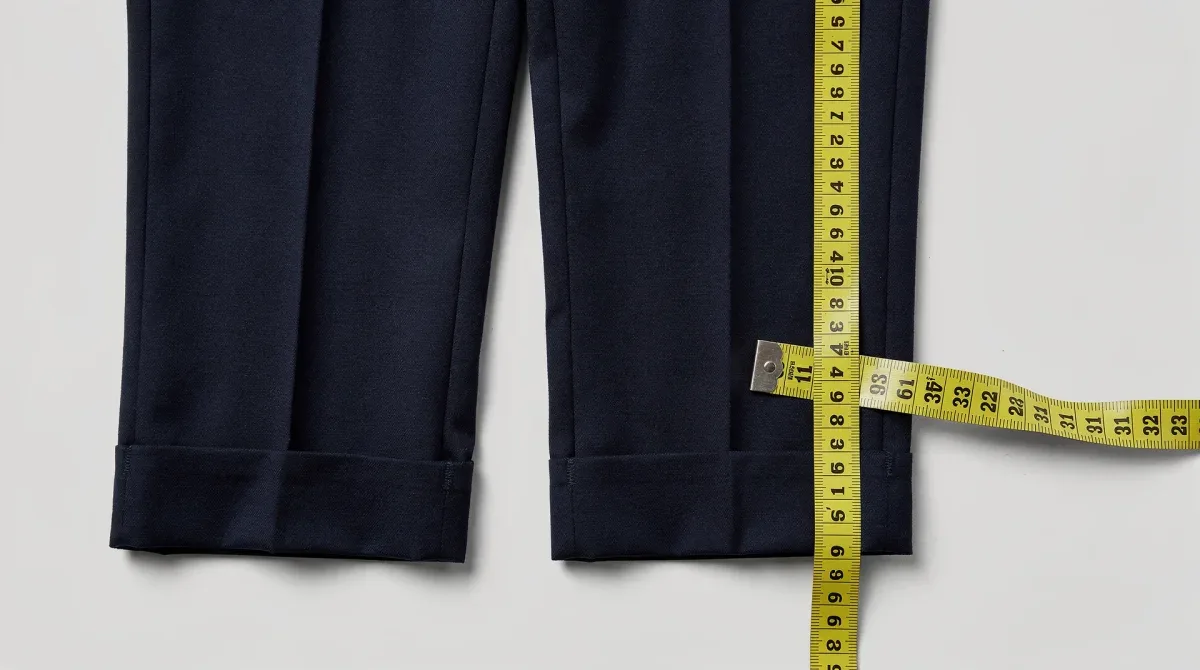
The benefits of a tapered pant leg
A well-tapered pant leg creates a continuous, clean line from the hip down to the shoe. This not only looks more modern but also helps to highlight your shoes, an often-underestimated element of a polished outfit. The key is to find a balance – tapered enough to be stylish, but not so tight that it restricts movement or creates an unflattering 'skinny' look.
- Modern aesthetic: Tapering updates the look of an older or ill-fitting suit, bringing it in line with current fashion trends.
- Enhanced proportions: A slimmer pant leg can make your legs appear longer and more proportionate to your torso.
- Improved drape: Fabric drapes more cleanly when it's not excessively wide, reducing bulk around the ankles.
- Showcase footwear: A narrower opening at the ankle allows your carefully chosen dress shoes to be more visible and appreciated.
When discussing tapering with your tailor, communicate the desired width at the ankle. You might want to bring in a pair of well-fitting trousers as a reference. The tailor will pin the excess fabric along the inseam and outseam, creating a cleaner, more tailored line. This alteration, combined with a proper hem, can dramatically transform the bottom half of your suit.
Tapering is a powerful tool for modernizing your suit collection without having to buy entirely new garments. It’s a testament to the transformative power of tailoring, proving that even subtle adjustments can have a profound impact on how a suit looks and, by extension, how you feel wearing it. It’s an investment in style that pays dividends in confidence.
Maximizing your tailoring budget: tips for success
Getting the most out of your budget for suit alterations involves more than just knowing what to alter. It requires strategic planning and effective communication with your tailor. By following a few key tips, you can ensure that your under-$30 alterations yield the best possible results, turning your off-the-rack suit into a garment that looks far more expensive than its price tag suggests.
Remember that a good tailor is an artist, and clear communication is the brush. Don't be afraid to ask questions, express your preferences, and ensure you understand the process before any cuts are made. This proactive approach will save you both money and potential disappointment.
Finding the right tailor for your needs
Not all tailors are created equal, and finding one who understands your vision and respects your budget is crucial. Look for tailors with good reviews, especially those who specialize in men's suits. A local dry cleaner might offer basic alterations, but a dedicated tailor often possesses a higher level of skill and precision.
- Ask for recommendations: Friends, colleagues, or even menswear store employees can often point you to reliable tailors.
- Read online reviews: Check platforms like Google, Yelp, or local community forums for feedback on tailors in your area.
- Start small: For your first visit, consider bringing in a simpler item or one of the less expensive alterations to gauge their work quality before entrusting them with a more complex or valuable piece.
- Communicate clearly: Explain exactly what you want and listen to their professional advice.
When you visit the tailor, wear the suit with the shirt and shoes you typically pair with it. This provides the tailor with the most accurate context for measuring and pinning. Be specific about your desired fit, whether it's a slight break on your trousers or a specific amount of shirt cuff exposure. These details are vital for a successful outcome.
By being an informed and prepared client, you not only help your tailor do their best work but also maximize the value of your limited budget. These simple steps ensure that your investment in alterations is well-placed, resulting in a suit that truly feels and looks custom-made, all while staying within the $30 per alteration limit.
Beyond the basics: extending your suit's lifespan
While the focus has been on immediate, impactful alterations, understanding how to care for your tailored suit is equally important for extending its lifespan and maintaining its impeccable fit. Proper care ensures that your investment in tailoring continues to pay off, keeping your suit looking sharp for years to come. This involves more than just dry cleaning; it encompasses daily habits and storage practices.
A well-maintained suit not only looks better but also retains its shape and fabric integrity over time. Neglecting proper care can quickly undo the benefits of even the best alterations, leading to premature wear and a diminished appearance. It's an integral part of maximizing your tailoring hacks.
Essential suit care for longevity
Simple daily habits can make a significant difference. Always hang your suit on a sturdy wooden hanger that supports the shoulders. This helps the jacket retain its shape and prevents creasing. Allow your suit to rest for at least 24 hours between wears to let the fabric recover and release wrinkles. Brushing your suit regularly with a soft garment brush can remove dust and lint, preventing dirt from embedding into the fabric.
- Use proper hangers: Invest in wide, contoured wooden hangers for jackets and clip hangers for trousers to prevent creasing.
- Rotate your suits: Give your suits time to breathe and recover between wears.
- Brush regularly: A garment brush removes surface dirt and keeps the fabric looking fresh.
- Spot clean: Address small spills immediately with a damp cloth to prevent stains from setting.
- Limit dry cleaning: Dry clean only when necessary, as the chemicals can be harsh on fabrics over time. Opt for professional steaming for freshening.
Understanding the fabric composition of your suit can also guide your care routine. Wool suits, for instance, are naturally resilient and wrinkle-resistant, but still benefit from proper rest and brushing. Synthetic blends might require different care instructions. Always check the care label inside your suit jacket for specific guidelines from the manufacturer.
By integrating these simple care practices into your routine, you protect your investment in tailoring and ensure your suit continues to look its best. These efforts, combined with the initial alterations, create a comprehensive approach to suit ownership that prioritizes both immediate style and long-term durability. It’s about being mindful of your wardrobe and making it work for you efficiently.
| Alteration Hack | Instant Style Benefit |
|---|---|
| Sleeve Length | Reveals ideal shirt cuff, creating a sharp, polished look. |
| Pant Hem | Achieves the perfect break, enhancing leg length and overall neatness. |
| Trouser Waist | Ensures a snug, comfortable fit, eliminating bagginess and belt reliance. |
| Pant Leg Taper | Modernizes silhouette, creating a cleaner, more streamlined appearance. |
Frequently asked questions about suit alterations
How much can a suit jacket sleeve be shortened without major work?▼Typically, a suit jacket sleeve can be shortened by 1 to 2 inches from the cuff without requiring extensive alterations from the shoulder. This usually involves re-hemming the cuff and is a straightforward, cost-effective adjustment that falls well within the $30 budget.
Is it possible to take in a suit jacket's waist for under $30?▼While taking in a suit jacket's waist (sides) can be more complex than trouser alterations, minor adjustments are often achievable for under $30, depending on the tailor and the extent of the work. Always get a quote first, as significant reshaping may exceed this budget.
What is the ideal pant break for a modern suit?▼For a modern suit, a 'slight break' is generally considered ideal. This means the pant leg gently skims the top of your shoe, creating a minimal, single fold. It offers a clean, contemporary look that flatters most body types and suit styles.
Can I taper suit trousers if they are very wide?▼Yes, most tailors can effectively taper suit trousers, even if they are initially quite wide. The alteration involves taking in fabric from the knee down to the ankle, creating a more streamlined silhouette. Discuss your desired ankle opening with your tailor for the best result.
Should I wear specific shoes when getting my suit pants hemmed?▼Absolutely. Always wear the type of shoes you intend to wear most often with the suit when getting your pants hemmed. Different shoe styles and heel heights will affect how the pants drape and where the break falls, ensuring an accurate and perfect length.
Conclusion
Transforming an off-the-rack suit into a garment that looks and feels custom-made is entirely achievable through strategic, budget-friendly alterations. The four tailoring hacks discussed—adjusting sleeve length, perfecting the pant hem, taking in the trouser waist, and tapering the pant legs—each offer a significant return on a minimal investment. By focusing on these key areas, you not only enhance the aesthetic appeal of your suit but also boost your confidence and project a more polished, professional image. Remember, true style lies in the details, and with a little tailoring magic, your existing wardrobe can reach new heights of sophistication.
