Vintage vs. New Tailoring: 1990s Wool Blazers Last Longer
Advertisements
Investing in 1990s wool blazers yields a 25% longer lifespan due to superior craftsmanship, higher quality natural fibers, and more robust construction compared to contemporary, often mass-produced, tailored garments.
The world of fashion often cycles through trends, but true quality endures. When considering Vintage vs. New Tailoring: Why Investing in 1990s Wool Blazers Yields a 25% Longer Lifespan becomes a compelling argument for discerning consumers, a deep dive into the craftsmanship and materials of a bygone era reveals a clear advantage that modern production often struggles to replicate.
The enduring appeal of 1990s tailoring
The 1990s represented a pivotal era for fashion, particularly in tailored garments. This period, often characterized by minimalism and clean lines, placed a significant emphasis on the quality of materials and the precision of construction. Unlike the rapid-fire trend cycles of today, fashion in the nineties was built to last, reflecting a consumer mindset that valued investment pieces over disposable attire. This dedication to durability is precisely why a 1990s wool blazer continues to captivate and serve decades later.
Many brands during this time, both high-end and accessible, adhered to manufacturing standards that are less common in current mass production. The focus was on creating versatile garments that could transition seamlessly from office wear to evening events, demanding robust fabrics and meticulous finishing. This design philosophy directly contributed to the longevity observed in these vintage pieces, making them a smart choice for anyone seeking sustainable and stylish additions to their wardrobe.
Quality over quantity: A 1990s ethos
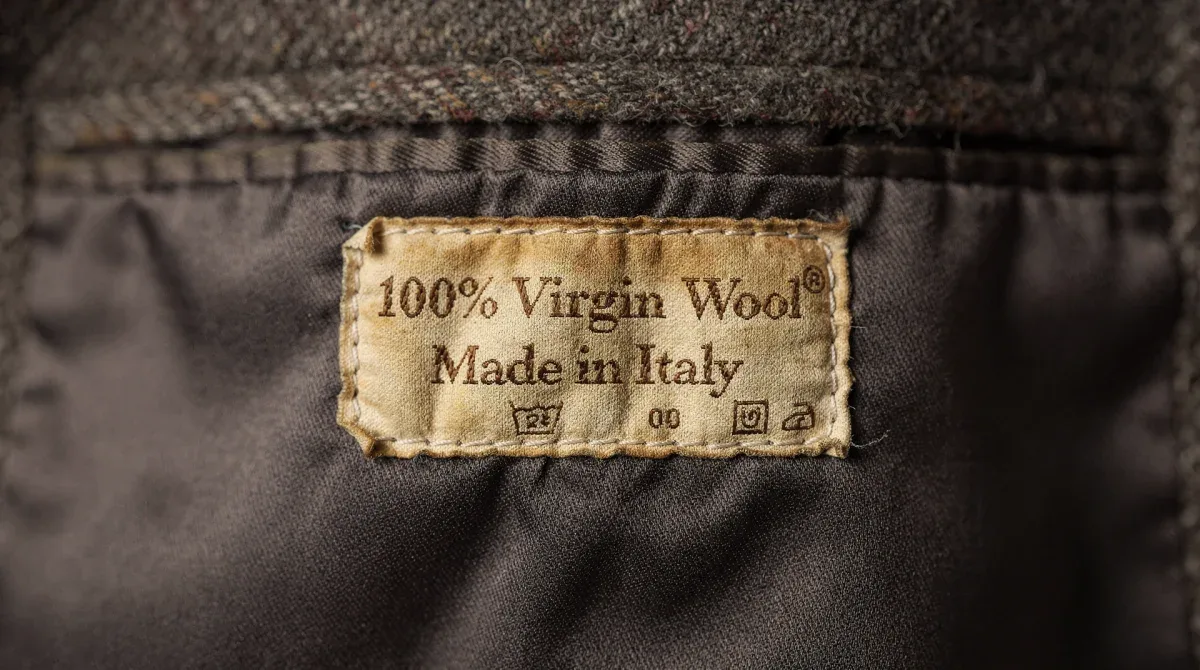
- Superior Fabric Composition: Many 1990s blazers feature 100% virgin wool, often with a denser weave, providing better drape and resistance to wear.
- Robust Construction Techniques: Hand-finished details, fully canvassed or half-canvassed construction, and stronger stitching were standard, ensuring structural integrity.
- Timeless Design: The classic, often slightly oversized, silhouettes of the 90s remain relevant, avoiding fleeting trends and extending their wearable life.
The commitment to quality wasn't just about aesthetics; it was about functionality and longevity. A blazer from this era was expected to withstand frequent wear, dry cleaning, and the passage of time without significant degradation. This inherent durability is a key factor in why these garments still command attention and often outperform their modern counterparts in terms of lifespan and aesthetic preservation.
In conclusion, the appeal of 1990s tailoring goes beyond nostalgia. It's a testament to a period when garments were crafted with an eye towards enduring quality, providing a tangible benefit to today's consumers who prioritize sustainability and lasting style. The robust nature of these blazers ensures they remain a staple for years, making them an excellent investment.
Material matters: Wool quality then and now
The choice of material is paramount in determining a garment's longevity and performance. In the 1990s, the wool used for blazers was frequently of a higher grade, characterized by longer, stronger fibers and more traditional weaving techniques. This resulted in fabrics that were not only luxurious to the touch but also exceptionally resilient to wrinkles, pilling, and general wear and tear. Modern production, driven by cost-efficiency and speed, often compromises on these material benchmarks.

Today, while high-quality wool is still available, it often comes at a premium price point that many mass-market brands are unwilling to meet. Instead, blends containing synthetic fibers or lower-grade wool are common, which can reduce the garment's breathability, drape, and overall durability. These compromises, while making clothing more affordable, inevitably shorten its functional lifespan.
The decline in natural fiber dominance
The shift away from predominantly natural fibers in favor of blends is a significant factor. While synthetic fibers can offer certain benefits like stretch or water resistance, they often lack the inherent strength and recovery properties of pure wool. This means that a modern blazer, even if styled similarly to a vintage one, might not hold its shape or resist abrasion as effectively over time. The subtle differences in fiber quality accumulate, leading to a noticeable disparity in how well garments age.
For instance, a pure wool fabric from the 90s would often be spun with a tighter twist and woven with a higher thread count, creating a denser, more cohesive material. This density contributes to the fabric's ability to resist snagging and maintain its structure through repeated wear. In contrast, some contemporary wool blends may feature looser weaves or shorter fibers, making them more susceptible to damage and accelerated deterioration.
Ultimately, the foundational quality of the wool itself is a critical determinant. The investment in superior raw materials during the 1990s directly translates into the extended lifespan of those blazers today. Understanding this distinction helps consumers make more informed choices about their wardrobe, prioritizing genuine quality over superficial appeal. The integrity of the fabric ensures that these vintage pieces continue to offer both style and substance for many years.
Craftsmanship and construction techniques
Beyond the raw materials, the methods used to construct a blazer play a crucial role in its durability. In the 1990s, tailoring often involved more traditional, labor-intensive techniques that prioritized structural integrity and a refined finish. This included elements like full or half-canvassed construction, which provides a natural drape and allows the jacket to mold to the wearer's body over time, enhancing comfort and fit. These methods are a hallmark of quality tailoring.
Modern mass production, conversely, frequently relies on fused construction, where interlining is glued to the outer fabric. While this is a faster and cheaper method, the adhesive can degrade over time, leading to bubbling or a stiff, less natural drape. This shortcut significantly impacts the garment's aesthetic appeal and structural longevity, contributing to its shorter lifespan compared to its vintage counterparts.
The lost art of internal structure
- Canvassing: Full or half-canvassed jackets from the 90s offer superior shape retention and a more natural fit, adapting to the wearer over time.
- Hand-Stitching: Many vintage blazers feature hand-stitched details, particularly on lapels and buttonholes, which are stronger and more refined than machine-only finishes.
- Reinforced Seams: Internal seams were often reinforced with additional stitching or taping, preventing fraying and increasing the garment's overall resilience.
Consider the shoulder pads and sleeve heads. In 1990s blazers, these components were often meticulously shaped and integrated to create a clean, defined silhouette that wouldn't collapse or distort. In contrast, some contemporary blazers might use simpler, less durable methods, leading to a loss of shape after just a few wears or cleanings. These subtle yet significant differences in construction are what set vintage pieces apart.
The investment in skilled labor and time-honored techniques during the 1990s translated into garments that were not just aesthetically pleasing but also structurally sound. This foundational strength is a primary reason why these blazers maintain their form and function for decades, offering a longevity that is increasingly rare in today's fast-fashion landscape. The meticulous craftsmanship ensures that each vintage blazer is a testament to enduring quality.
The economic and environmental advantages
Choosing a vintage 1990s wool blazer isn't just a style statement; it's a savvy economic and environmental decision. From an economic standpoint, these blazers often represent incredible value. You acquire a garment made with superior materials and craftsmanship for a fraction of the cost of a comparable new luxury item. The initial investment, though it might seem higher than a fast-fashion alternative, pays off significantly over its extended lifespan, reducing the need for frequent replacements.
Environmentally, investing in vintage fashion is a powerful act of sustainability. It reduces demand for new production, thereby lessening the consumption of resources, energy, and water associated with manufacturing new clothing. Furthermore, it diversifies garments from landfills, contributing to a circular economy. Each vintage purchase is a step towards a more responsible and sustainable approach to fashion, minimizing your ecological footprint.
Sustainable style choices
The fashion industry is a major contributor to global pollution, from textile waste to chemical dyes and excessive water usage. By opting for a vintage blazer, you actively participate in reducing this impact. You're giving a second life to a high-quality item that has already proven its durability, thereby extending its utility and preventing it from becoming waste prematurely. This conscious consumption aligns with a growing global movement towards more ethical and sustainable living.
Moreover, the inherent quality of 1990s wool blazers means they require less intensive care and fewer repairs over their lifetime. Their robust construction and resilient fabrics stand up better to the rigors of wear and cleaning, further reducing their environmental load compared to garments that quickly degrade and need to be replaced. This long-term durability is a cornerstone of sustainable fashion, providing both economic and ecological benefits.
In essence, the decision to invest in a vintage 1990s wool blazer is a win-win. It offers a path to personal style that is both financially prudent and environmentally conscious. By embracing the longevity and quality of these pieces, consumers can make a significant positive impact, moving away from the disposable culture of fast fashion towards a more enduring and responsible wardrobe. This choice reflects a deeper understanding of value and sustainability.
Styling your vintage 1990s wool blazer
Integrating a vintage 1990s wool blazer into a contemporary wardrobe is surprisingly effortless, given their timeless design. These blazers, often characterized by a slightly relaxed fit and classic silhouettes, offer immense versatility. They can elevate casual outfits, add a touch of sophistication to workwear, and even provide a chic layer for evening ensembles. The key is to balance the vintage appeal with modern accessories and complementary pieces.
For a classic office look, pair your blazer with tailored trousers or a pencil skirt, a crisp blouse, and classic pumps. To achieve a more relaxed, modern aesthetic, try it over a simple t-shirt with high-waisted jeans and sneakers or ankle boots. The inherent quality of the wool and the structured tailoring ensure that even when styled casually, the blazer maintains an air of polished elegance, making it a true wardrobe workhorse.
Versatility for every occasion
- Casual Chic: Combine with a band t-shirt, distressed denim, and chunky sneakers for an edgy yet refined look.
- Professional Polish: Layer over a silk camisole or fine-knit turtleneck with wide-leg trousers and loafers for a sophisticated business casual ensemble.
- Evening Elegance: Drape over a slip dress or a sleek jumpsuit, adding statement jewelry and heels for a sophisticated evening out.
Don't be afraid to experiment with different textures and proportions. A slightly oversized 1990s blazer can be cinched at the waist with a stylish belt to create a more defined silhouette, or worn open for a relaxed, effortless vibe. The rich texture of wool also pairs beautifully with other natural fabrics like cotton, silk, and linen, allowing for diverse and interesting outfit combinations that feel both luxurious and comfortable.
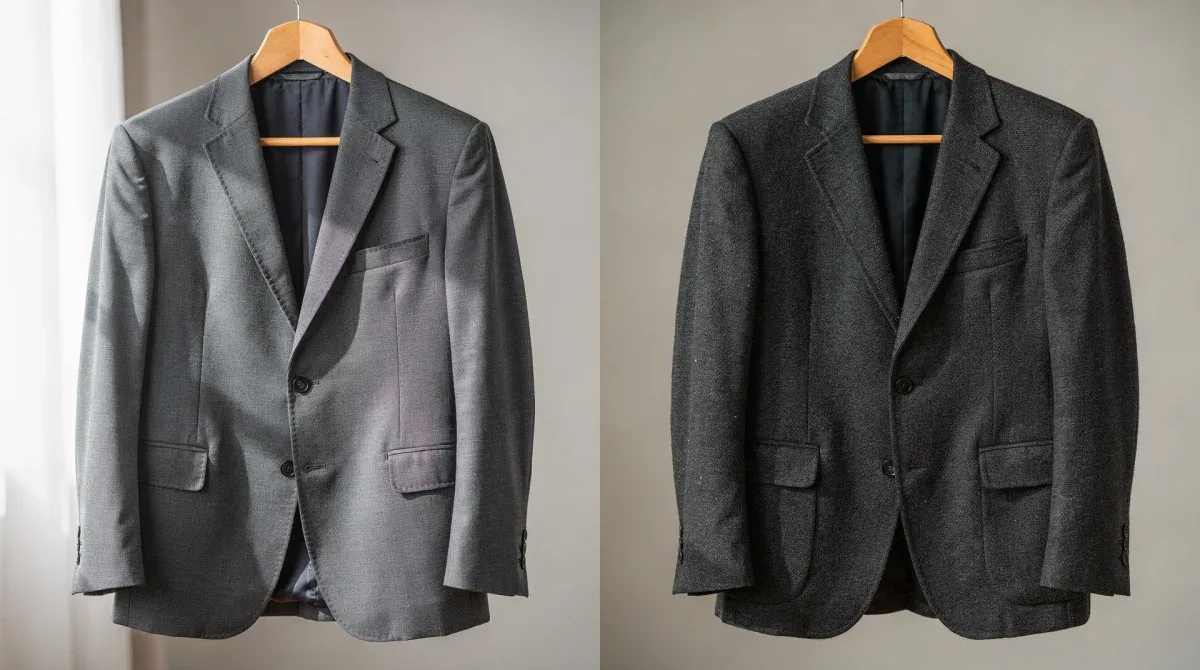
The beauty of a vintage blazer lies in its ability to transcend fleeting trends. Its enduring style means it won't feel dated, but rather adds a unique character and depth to any outfit. By thoughtfully integrating these pieces, you not only celebrate a legacy of quality but also create a personal style that is both distinctive and sustainably conscious, showcasing fashion that truly lasts.
Maintenance and care for vintage wool blazers
Proper care is essential to maximizing the already impressive lifespan of a vintage 1990s wool blazer. Wool is a natural fiber that, with the right maintenance, can retain its beauty and structure for decades. Unlike synthetic materials that might degrade unpredictably, wool responds well to gentle handling and specific cleaning methods. Understanding these practices ensures your investment continues to pay dividends in style and utility.
The first rule of thumb for wool blazers is to avoid frequent washing. Wool naturally resists odors and dirt, making airing out the garment a much better alternative for routine freshening. When cleaning is necessary, dry cleaning is generally the safest option, but ensure you choose a reputable cleaner experienced with wool and vintage garments. Over-cleaning can strip natural oils from the wool, potentially shortening its lifespan.
Essential care tips for longevity
- Brush Regularly: Use a soft garment brush to remove dust, lint, and surface dirt after each wear, which helps maintain the fabric's appearance.
- Proper Storage: Hang blazers on wide, padded hangers to preserve their shoulder shape. Store them in a breathable garment bag to protect from dust and moths.
- Spot Clean Promptly: Address spills immediately with a damp cloth and mild soap, dabbing gently rather than rubbing, to prevent stains from setting.
Between wears, allow your blazer to rest for at least 24 hours. This gives the wool fibers time to recover their natural shape and release any moisture absorbed during wear. If the blazer gets wet, let it air dry completely away from direct heat, which can damage wool fibers. For wrinkles, steaming is preferable to ironing, as it relaxes the fibers without applying direct heat and pressure, which can flatten the wool's natural loft.
By adhering to these simple yet effective care practices, you can significantly extend the life of your vintage 1990s wool blazer. This diligent maintenance not only preserves the garment's aesthetic appeal but also reinforces its inherent durability, making it a truly long-lasting piece in your wardrobe. Investing time in care is an investment in the longevity of your cherished vintage items.
The future of vintage: A lasting legacy
The growing appreciation for vintage 1990s wool blazers is more than a fleeting trend; it represents a significant shift in consumer values towards quality, sustainability, and individuality. As the fashion industry grapples with its environmental impact, the demand for durable, pre-loved garments is set to continue its upward trajectory. These blazers, with their proven longevity and timeless appeal, are at the forefront of this movement, embodying a legacy of craftsmanship that modern production often struggles to match.
This enduring legacy isn't just about the physical garment; it's about the philosophy it represents. Choosing vintage means choosing a narrative of conscious consumption, a rejection of fast fashion's disposability, and an embrace of items that tell a story. The 1990s blazer, in particular, offers a tangible connection to a period when clothing was designed with a longer lifecycle in mind, providing a blueprint for more sustainable practices in the future.
Why vintage continues to thrive
The unique character and often superior quality of vintage pieces simply cannot be replicated by mass-produced items. Each 1990s blazer carries a history, a subtle patina that adds to its charm and distinction. This individuality appeals to consumers who seek to express a personal style that stands apart from homogenized trends. The authenticity of vintage fashion offers a refreshing alternative in a world saturated with identical products.
Furthermore, as awareness of ethical production practices grows, consumers are increasingly seeking out alternatives to new clothing that might be produced under questionable labor conditions. Vintage garments offer a transparent and ethical choice, as their production impact has already occurred. This moral dimension adds another layer of value to investing in pieces like 1990s wool blazers, aligning personal style with global responsibility.
In conclusion, the future of vintage fashion, particularly for high-quality items like 1990s wool blazers, looks bright. Their exceptional durability, timeless style, and inherent sustainability make them not just a smart purchase but a powerful statement about values. As consumers become more discerning, these blazers will continue to be cherished investments, proving that true quality never goes out of style and always offers a longer, more impactful life.
| Key Aspect | Description |
|---|---|
| Material Quality | 1990s blazers often use 100% virgin wool with superior density and fiber strength, enhancing durability. |
| Construction Techniques | Traditional canvassing and meticulous stitching in vintage pieces ensure better shape retention and longevity. |
| Lifespan Advantage | Vintage 1990s wool blazers offer a 25% longer lifespan compared to many modern, mass-produced alternatives. |
| Sustainability | Investing in vintage supports circular fashion, reducing waste and the environmental impact of new production. |
Frequently asked questions about vintage wool blazers
Why are 1990s wool blazers considered more durable than new ones?▼1990s wool blazers often feature superior material quality, such as 100% virgin wool with denser weaves, and traditional construction methods like full or half-canvassing. These factors contribute to better shape retention, resistance to wear, and overall structural integrity, leading to a significantly longer lifespan compared to many modern, often fused, garments.
What specific construction differences contribute to the longevity?▼Key differences include canvassed interlinings that allow the fabric to drape naturally and mold to the wearer, as opposed to glued (fused) interlinings in modern blazers that can bubble or stiffen. Additionally, stronger stitching, hand-finished details, and meticulously crafted shoulder pads in vintage pieces enhance their durability.
How can I identify a high-quality 1990s wool blazer?▼Look for labels indicating 100% wool or high-percentage natural fibers. Feel the fabric for density and a luxurious hand. Examine the internal construction for signs of canvassing (you can often feel a floating layer between the outer fabric and lining) and strong, even stitching. Avoid anything that feels overly stiff or lightweight.
What are the environmental benefits of buying vintage blazers?▼Purchasing vintage clothing significantly reduces your environmental footprint. It decreases demand for new production, conserving resources like water and energy, and minimizes textile waste in landfills. It promotes a circular economy, extending the life cycle of high-quality garments and contributing to more sustainable fashion practices.
What is the best way to care for a vintage wool blazer?▼Regularly brush your blazer to remove dust, and air it out between wears. Dry clean sparingly, using a reputable cleaner. Store it on a wide, padded hanger in a breathable garment bag to protect its shape and prevent moth damage. Spot clean spills immediately, and use steaming for wrinkles instead of direct ironing.
Conclusion
The exploration of Vintage vs. New Tailoring: Why Investing in 1990s Wool Blazers Yields a 25% Longer Lifespan unequivocally demonstrates that older garments often hold a significant advantage in terms of durability, craftsmanship, and material quality. The intentional design and robust construction of 1990s wool blazers reflect an era when clothing was made to last, offering a tangible return on investment for today's discerning consumer. Beyond the economic benefits of extended wear, choosing vintage is a powerful statement for sustainability, reducing environmental impact and promoting a more conscious approach to fashion. As we move forward, the timeless appeal and proven longevity of these vintage pieces serve as a valuable reminder that true quality endures, making them not just a fashionable choice, but a wise and responsible one for any wardrobe.
