Smart Fabric Innovation: 3 Wearable Tech Trends for Streetwear
Advertisements
Smart fabric innovation is revolutionizing streetwear, seamlessly blending advanced technology into everyday apparel to offer enhanced functionality, comfort, and style, marking a significant shift in how we interact with our clothing.
Have you ever imagined your clothes doing more than just looking good? The future of fashion is here, and it's smarter than ever. Smart fabric innovation: 3 wearable tech trends integrating into everyday streetwear this year are redefining how we dress, merging cutting-edge technology with urban style. Get ready to explore how your wardrobe is about to get a major upgrade.
The rise of intelligent textiles in urban fashion
The intersection of technology and fashion has long been a topic of fascination, but this year, we're witnessing an unprecedented surge in intelligent textiles making their way into mainstream streetwear. Gone are the days when wearable tech meant bulky gadgets strapped to your wrist; today, it's about seamless integration, where the technology is woven directly into the fabric itself. This evolution is not merely about novelty; it's about enhancing everyday life through clothing that actively responds to its environment and wearer.
This paradigm shift is driven by advancements in material science and microelectronics, allowing for the creation of fabrics that are not only aesthetically pleasing but also highly functional. From temperature-regulating jackets to garments that monitor vital signs, smart textiles are transforming what we expect from our apparel. The urban landscape, with its dynamic demands and emphasis on individual expression, provides the perfect testing ground for these innovations, pushing designers and engineers to create solutions that are both practical and stylish.
Defining smart fabrics: more than just a buzzword
To truly appreciate the impact of these trends, it's important to understand what constitutes a smart fabric. These aren't just fabrics with a fancy finish; they are materials engineered with embedded technologies that allow them to sense, react, and adapt. This can involve conductive fibers, integrated sensors, or even micro-actuators that change the fabric's properties in real-time.
- Passive smart fabrics: These include materials that can sense the environment, such as UV-protective clothing or fabrics that change color with temperature. They don't actively respond but possess inherent intelligent properties.
- Active smart fabrics: These go a step further, sensing and reacting to external stimuli. Think of garments that can regulate temperature, offer haptic feedback, or even generate power.
- Ultra-smart fabrics: The most advanced category, capable of sensing, reacting, adapting, and even learning. These fabrics might integrate complex computational elements for advanced functionalities.
The beauty of these classifications lies in their potential for diverse applications, from high-performance athletic wear to everyday casual attire. The goal is always to provide a tangible benefit to the wearer, whether it's improved comfort, enhanced safety, or greater connectivity.
Ultimately, the integration of intelligent textiles into urban fashion represents a commitment to innovation that goes beyond superficial trends. It's about crafting a future where clothing is an active participant in our well-being and daily experiences. This foundation sets the stage for the specific trends we'll explore, each building upon the incredible capabilities of smart fabric technology.
Trend 1: performance-enhancing streetwear for the active urbanite
For the modern urbanite, life is a constant motion. Commuting, working, exercising, and socializing often blend into a single, demanding day. This lifestyle necessitates clothing that can keep up, offering comfort, protection, and functionality without compromising on style. This year, one of the most significant smart fabric innovation trends is the integration of performance-enhancing features directly into streetwear, blurring the lines between athletic wear and everyday fashion.
This trend is about more than just moisture-wicking fabrics; it's about garments that actively adapt to physical exertion and environmental conditions. Imagine a hoodie that senses your body temperature rising during a brisk walk and automatically initiates a cooling mechanism, or pants that offer targeted compression to reduce muscle fatigue without looking like traditional athletic gear. These innovations are designed to support an active lifestyle seamlessly, ensuring comfort and performance from the gym to the coffee shop.

Adaptive temperature regulation: staying comfortable in any climate
One of the most sought-after features in performance-enhancing streetwear is adaptive temperature regulation. Traditional layering can be cumbersome, but smart fabrics offer a dynamic solution. These materials are engineered to respond to changes in body temperature and ambient conditions, providing warmth when it's cold and cooling when it's hot.
- Phase-change materials (PCMs): These substances are integrated into fibers and can absorb, store, and release heat. When your body temperature rises, PCMs absorb excess heat, creating a cooling effect. As your body cools, they release the stored heat, keeping you warm.
- Thermoelectric textiles: Utilizing small, embedded thermoelectric devices, these fabrics can actively pump heat away from or towards the body, offering precise temperature control. While still more common in specialized applications, their miniaturization is paving the way for streetwear integration.
- Ventilation-on-demand: Some smart fabrics feature microscopic pores or vents that can open and close in response to sweat or heat, allowing for increased airflow when needed and sealing up for warmth when not.
The beauty of these technologies is their subtlety. From the outside, the garments look like any other stylish piece of streetwear. The magic happens internally, providing an unparalleled level of comfort and adaptability, making them ideal for unpredictable urban environments.
Integrated health monitoring: a subtle guardian
Beyond comfort, another powerful aspect of performance-enhancing streetwear is the discreet integration of health monitoring capabilities. While smartwatches have become ubiquitous, embedding sensors directly into clothing offers a more natural and continuous way to track vital signs without additional accessories. This allows for seamless data collection during daily activities, providing insights into fitness, stress levels, and overall well-being.
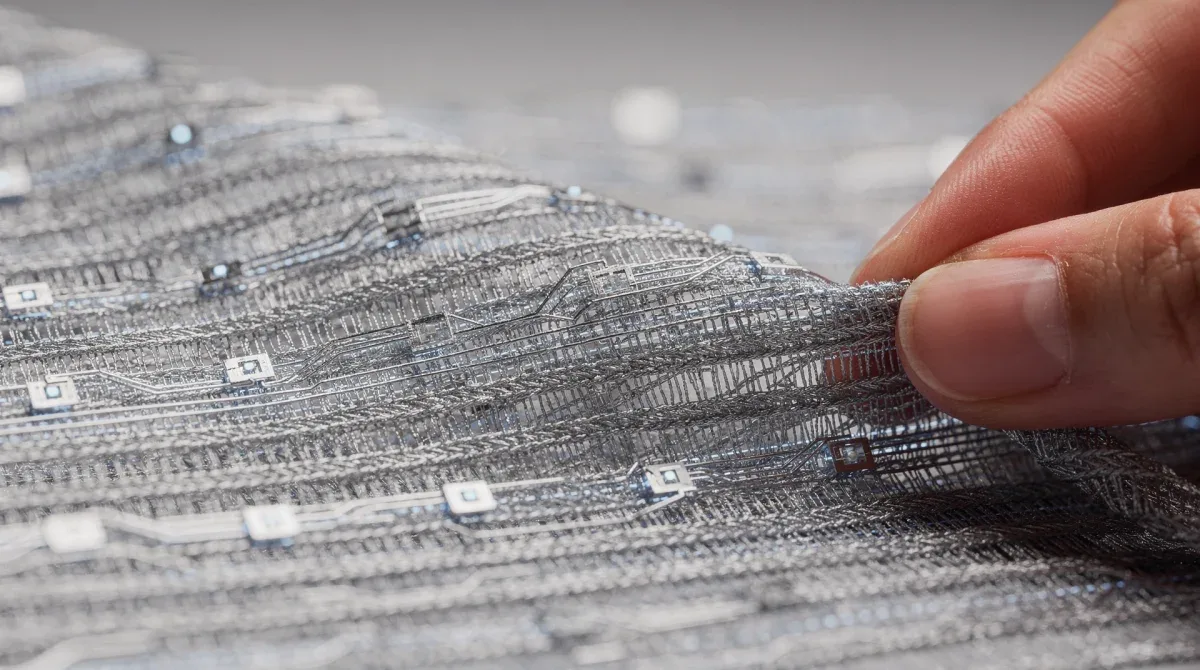
Imagine a t-shirt that monitors your heart rate and breathing patterns throughout the day, sending data to your smartphone, or socks that track your steps and gait analysis. These garments are not just about tracking; they are about providing actionable insights that can help you optimize your health and performance. The data is collected passively, meaning you don't have to remember to wear a device or interact with it constantly. This makes health monitoring a truly integrated part of your daily routine, enhancing awareness without disruption.
The promise of performance-enhancing streetwear lies in its ability to empower urbanites with clothing that works as hard as they do. By offering adaptive comfort and discreet health insights, these smart fabrics are not just changing fashion; they are enhancing the very fabric of daily life in the city.
Trend 2: interactive and expressive apparel for personal connection
In an increasingly digital world, the desire for personal expression and meaningful connection remains strong. This year, another compelling smart fabric innovation trend is the emergence of interactive and expressive apparel that allows wearers to communicate, personalize, and engage with their environment and each other in novel ways. This trend moves beyond purely functional aspects, delving into the emotional and social dimensions of clothing.
Interactive apparel transforms garments from static objects into dynamic canvases for self-expression. Think about jackets that display customizable patterns or messages, shoes that light up in response to music, or even fabrics that allow for touch-based interactions. These innovations leverage flexible electronics and responsive materials to create clothing that is not just worn, but actively experienced and shared.
Dynamic displays and customizable aesthetics: wear your mood
The ability to change the appearance of your clothing on the fly is a game-changer for personal style. Smart fabrics with integrated flexible displays or color-changing properties allow wearers to adapt their outfits to their mood, event, or even the time of day. This goes far beyond simple color changes; it encompasses dynamic patterns, animated graphics, and even text displays.
- Flexible LED matrices: Miniaturized and integrated into fabrics, these allow for vibrant, customizable displays on jackets, bags, or even hats. Control is often via a smartphone app, enabling endless possibilities for personalization.
- Electrochromic textiles: These materials change color or transparency when an electric current is applied. While still in early stages for complex patterns, they offer a subtle yet powerful way to alter a garment's aesthetic.
- Light-emitting fibers: Fibers that can glow or change color independently, woven into the fabric to create intricate, dynamic designs that respond to external cues or user input.
This trend empowers individuals to express their identity in real-time, making their clothing an extension of their digital presence. It's about making a statement, sparking conversation, and truly owning your look in a way that traditional fashion simply cannot offer.
Haptic feedback and sensory communication: feeling connected
Beyond visual expression, interactive apparel is also exploring the realm of sensory communication through haptic feedback. This technology allows clothing to convey information through vibrations, pressure, or even subtle temperature changes, creating a more intimate and immersive experience. This can range from navigational cues to social interactions.
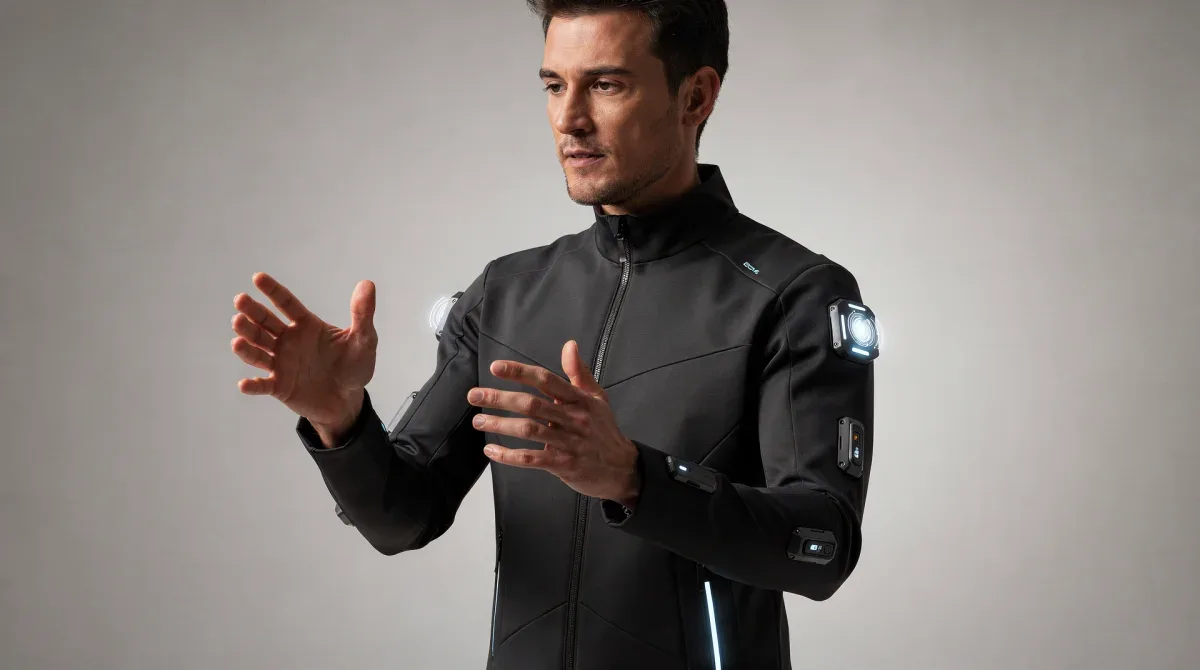
Imagine a jacket that gently vibrates to guide you through a city without needing to look at your phone, or a shirt that provides subtle haptic feedback when a friend 'likes' your social media post. These applications foster a new layer of connection, allowing for discreet communication and enhanced awareness of your surroundings. It's a way for technology to disappear into the background, enriching your interactions without demanding constant visual attention.
The potential for interactive and expressive apparel is vast, touching upon entertainment, social engagement, and even accessibility. By making clothing a medium for dynamic communication, smart fabrics are opening up exciting new avenues for personal connection and creative expression in the urban landscape.
Trend 3: sustainable and ethical smart textiles for conscious consumers
As consumers become increasingly aware of the environmental and social impact of their purchases, the demand for sustainable and ethical fashion continues to grow. This year, the third major smart fabric innovation trend focuses on integrating sustainability and ethical practices into the very core of wearable tech. This isn't just about eco-friendly materials; it's about leveraging technology to create a more responsible and transparent fashion industry.
This trend addresses critical issues such as resource consumption, waste reduction, and fair labor practices. Smart textiles are being developed not only for their functional benefits but also for their minimal environmental footprint and their potential to extend the lifespan of garments, reducing the fast fashion cycle. It's about making conscious choices that benefit both the wearer and the planet.
Upcycled and recycled smart materials: closing the loop
One of the most direct ways smart fabrics are contributing to sustainability is through the use of upcycled and recycled materials. Innovators are finding ways to integrate technological components into fabrics derived from post-consumer waste or industrial byproducts, giving new life to discarded resources.
- Recycled polyester with embedded sensors: Old plastic bottles are transformed into high-performance fibers, which are then integrated with tiny sensors for health monitoring or adaptive features. This reduces reliance on virgin plastics and diverts waste from landfills.
- Upcycled natural fibers: Cotton or wool scraps are processed and re-spun into new yarns, sometimes blended with conductive threads or other smart elements. This minimizes textile waste and conserves natural resources.
- Biodegradable electronics: While still in early research phases, the development of electronic components that can safely decompose after a garment's lifespan is a crucial step towards truly circular smart fashion.
By embracing these materials, designers are creating stylish streetwear that tells a story of resourcefulness and responsibility. It's about demonstrating that high-tech fashion doesn't have to come at the expense of the environment.
Longevity and repairability: combating fast fashion
A significant problem in the fashion industry is the rapid consumption cycle, often fueled by low-quality, disposable clothing. Smart fabrics are challenging this model by focusing on longevity and repairability. By designing garments that are durable, adaptable, and easy to maintain, smart textiles can extend the life of clothing, reducing overall waste.
Technologies like self-healing fabrics, which can repair small tears or abrasions, are emerging. Furthermore, modular designs allow for easy replacement of specific technological components, meaning an entire garment doesn't need to be discarded if one part fails. This shift towards a more durable and repairable product encourages consumers to invest in quality pieces that last, moving away from the 'wear once, discard' mentality.
Moreover, smart fabrics can provide data on a garment's usage and wear, potentially informing repair services or even prompting users to care for their clothes more effectively. This proactive approach to garment maintenance is a powerful tool in the fight against fast fashion, promoting a more mindful and sustainable relationship with our wardrobes.
The emphasis on sustainable and ethical smart textiles represents a mature evolution of wearable tech. It demonstrates that innovation can serve not only individual convenience and expression but also broader societal and environmental goals, making fashion a force for positive change.
Challenges and the path forward for smart fabrics
While the integration of smart fabric innovation into streetwear presents exciting possibilities, it is not without its challenges. The path forward requires addressing several key areas to ensure these technologies become truly ubiquitous and beneficial. From manufacturing complexities to consumer adoption, the journey demands careful consideration and continuous development.
One primary hurdle lies in the manufacturing process. Integrating delicate electronic components into flexible, washable textiles at scale is a complex engineering feat. Ensuring durability, washability, and comfort while maintaining performance is a constant balancing act. Furthermore, the cost of these advanced materials and manufacturing techniques can initially make smart garments more expensive, potentially limiting their accessibility to a broader market.
Overcoming technical hurdles: durability and power
For smart fabrics to truly succeed in everyday streetwear, they must be as robust and easy to care for as traditional clothing. This means tackling issues like power sources and device durability. Current battery technology, while improving, still presents limitations in terms of size, weight, and lifespan for embedded applications.
- Flexible power solutions: Research is heavily focused on developing flexible, washable batteries or even energy harvesting textiles that can generate power from movement, sunlight, or body heat. This would eliminate the need for external charging and enhance autonomy.
- Encapsulation and protection: Protecting sensitive electronics from water, detergent, and physical stress during daily wear and washing is paramount. Advanced encapsulation techniques are crucial to ensure the longevity and reliability of smart garments.
- Miniaturization of components: Continuously shrinking the size of sensors, processors, and actuators allows for more seamless integration into fabrics without affecting their drape or feel, making the technology truly invisible.
Addressing these technical challenges will be instrumental in making smart fabrics a practical and appealing choice for the average consumer, moving them beyond niche markets into everyday wardrobes.
Consumer adoption and ethical considerations: building trust
Beyond technical prowess, the success of smart fabric innovation also hinges on consumer adoption and trust. People need to understand the benefits, feel comfortable with the technology, and be assured of its ethical implications, particularly regarding data privacy.
Clear communication about the functionality and benefits of smart garments is essential to drive adoption. Consumers need to see how these clothes solve real-world problems or enhance their lives in tangible ways. Furthermore, transparency regarding data collection and usage is critical. Smart garments often collect personal data, and companies must implement robust privacy policies and give users full control over their information to build trust.
Addressing these challenges head-on will pave the way for a future where smart fabrics are not just a technological curiosity but an integral, trusted, and sustainable part of our daily attire. The industry is actively working on these fronts, promising a future where fashion is truly intelligent and responsible.
The future landscape of smart fabric integration
Looking ahead, the integration of smart fabric innovation into streetwear is poised for exponential growth, transforming our understanding of clothing from passive coverings to dynamic, responsive companions. The trends we've explored—performance enhancement, interactive expression, and sustainability—are not isolated phenomena but interconnected facets of a larger evolution in fashion and technology. The future landscape suggests a world where our garments are as intelligent and adaptable as our smartphones, yet far more integrated into our physical selves.
We can anticipate even greater levels of personalization, where clothing not only adapts to our physical needs but also learns our preferences over time, offering bespoke experiences. Imagine a jacket that remembers your favorite temperature settings or sneakers that adjust their cushioning based on your gait analysis from previous runs. This level of predictive intelligence will make smart fabrics indispensable tools for personal well-being and expression.
Beyond current trends: emerging possibilities
The innovation doesn't stop with the current trends. Researchers and designers are already exploring concepts that push the boundaries even further, hinting at a future where smart fabrics play an even more profound role in our lives.
- Therapeutic textiles: Fabrics embedded with micro-delivery systems for medication, or designed to provide targeted pain relief through electrical stimulation or heat therapy.
- Augmented reality integration: Clothing that interacts directly with augmented reality interfaces, perhaps projecting information onto nearby surfaces or enhancing AR experiences through haptic feedback.
- Bio-responsive garments: Fabrics that can detect biological markers in sweat or skin, offering early warnings for health issues or optimizing athletic performance based on real-time physiological data.
- Adaptive camouflage: While often associated with military applications, the ability for fabrics to change color and pattern to blend into surroundings could find innovative uses in urban fashion for personal security or dynamic aesthetic changes.
These emerging possibilities highlight the vast, untapped potential of smart fabrics. As technology becomes smaller, more flexible, and more energy-efficient, the scope of what our clothing can do will continue to expand in ways we are only just beginning to imagine.
The synergy of fashion, tech, and lifestyle
Ultimately, the future of smart fabric integration lies in its seamless synergy with fashion, technology, and our evolving lifestyles. It's not about tech for tech's sake, but about creating garments that are intuitively useful, aesthetically appealing, and deeply integrated into our daily routines. The streetwear segment, with its emphasis on functionality, comfort, and individual expression, is the perfect crucible for these innovations to mature.
As these technologies become more refined and accessible, they will empower consumers to make more informed choices about their health, express their identities more dynamically, and contribute to a more sustainable world. The journey of smart fabrics is a testament to human ingenuity, constantly redefining the boundaries of what's possible in the world of fashion and beyond.
Making smart fabric choices in your streetwear wardrobe
Embracing the future of fashion means understanding how to integrate smart fabric innovation into your personal style effectively. With the rapid evolution of wearable tech, making informed choices about what to buy and how to use it can seem daunting. However, by focusing on your needs, lifestyle, and values, you can curate a streetwear wardrobe that is both stylish and technologically advanced.
The key is to look beyond the hype and identify garments that offer genuine utility and enhance your daily life. Consider what problems you want to solve or what experiences you want to enrich. Are you seeking greater comfort during your commute, a unique way to express yourself, or more sustainable clothing options? Your answers will guide you towards the smart fabric innovations that are most relevant to you.
Identifying quality and value in smart apparel
As with any emerging technology, the market for smart fabrics will feature a range of products. To ensure you're investing in quality and value, consider a few key factors:
- Reputation of the brand: Look for brands that have a track record of innovation, transparent manufacturing practices, and positive customer reviews. Established sportswear brands often lead the way in integrating performance-enhancing smart fabrics.
- Functionality and benefits: Clearly understand what the smart features offer. Does it solve a problem for you? Is the technology genuinely useful, or is it a gimmick? Prioritize practical applications that align with your lifestyle.
- Durability and care instructions: Smart fabrics should be as durable and easy to care for as conventional clothing. Check for washability, battery life (if applicable), and repair options. Longevity is a hallmark of good design, especially in sustainable fashion.
- Integration and comfort: The best smart fabrics are those where the technology is imperceptible. The garment should feel comfortable and move naturally with your body, without bulky components or restrictive elements.
By being a discerning consumer, you can help drive the market towards higher quality, more user-friendly, and truly beneficial smart fabric products. Your choices signal to brands what matters most.
Styling smart fabrics: blending tech with aesthetic
Integrating smart fabrics into streetwear doesn't mean sacrificing style. In fact, many designers are focusing on creating garments where the technology is subtly embedded, allowing the aesthetic to remain paramount. The goal is to blend cutting-edge tech with your existing wardrobe seamlessly.
Start with foundational pieces that offer core smart features, such as a temperature-regulating jacket or health-monitoring socks. Pair these with classic streetwear staples like oversized hoodies, cargo pants, or minimalist sneakers. The beauty of streetwear is its versatility, allowing you to mix and match different elements to create a unique look. Don't be afraid to experiment with textures and layers, letting the smart features enhance your comfort and functionality without dominating your outfit's visual appeal. The key is balance: let the technology serve your style, not define it entirely.
| Key Trend | Brief Description |
|---|---|
| Performance-Enhancing Streetwear | Adaptive temperature regulation and integrated health monitoring for active urban lifestyles. |
| Interactive & Expressive Apparel | Dynamic displays and haptic feedback for personalized communication and engagement. |
| Sustainable Smart Textiles | Utilizing recycled materials and focusing on longevity to reduce environmental impact. |
| Future Landscape | Emerging possibilities like therapeutic textiles and AR integration for profound impact. |
Frequently asked questions about smart fabric innovation
What exactly are smart fabrics?▼Smart fabrics are textiles engineered with embedded technologies like sensors, conductive fibers, or micro-actuators that allow them to sense, react, and adapt to stimuli. Unlike traditional fabrics, they offer functionalities such as temperature regulation, health monitoring, or dynamic displays, blending technology seamlessly into apparel for enhanced interaction and performance.
Are smart fabric clothes washable?▼Yes, many smart fabric garments are designed to be washable, though care instructions can vary. Manufacturers use advanced encapsulation techniques to protect integrated electronics from water and detergents. Always check the specific care label for each smart garment, as some may require gentle cycles, hand washing, or special detergents to maintain their functionality and longevity.
How do smart fabrics get their power?▼Smart fabrics can be powered in various ways. Some use small, discreet batteries that are integrated into the garment and often rechargeable. Others are exploring energy harvesting technologies, such as thermoelectric materials that convert body heat, or photovoltaic cells that capture solar energy, aiming for self-powered or less frequently charged solutions for continuous functionality.
What are the privacy concerns with smart fabric apparel?▼Privacy is a significant concern, as smart fabrics often collect personal data like heart rate, activity levels, or location. Users should be aware of what data is being collected, how it's stored, and who has access to it. Reputable brands provide clear privacy policies and often allow users control over their data through companion apps, ensuring transparency and building trust.
How sustainable are smart fabric innovations?▼Sustainability is a growing focus in smart fabric innovation. Many developments utilize recycled and upcycled materials, while others aim to increase garment longevity through durability and repairability. The industry is also researching biodegradable electronics and energy-efficient manufacturing processes to minimize environmental impact, moving towards a more circular and ethical fashion future.
Conclusion
The integration of smart fabric innovation into streetwear is more than a fleeting trend; it represents a fundamental shift in how we perceive and interact with our clothing. From performance-enhancing textiles that adapt to our active lives to interactive apparel that allows for dynamic self-expression, and sustainable solutions that prioritize our planet, smart fabrics are redefining the boundaries of fashion. As these technologies continue to evolve, they promise a future where our wardrobes are not only stylish but also intelligently responsive, seamlessly enhancing our comfort, connectivity, and commitment to a more sustainable world. Embrace this exciting evolution, and discover how your clothes can do more than ever before.
