Matter 1.4 Architecture: Unifying Smart Devices by 2026
Advertisements
Matter 1.4 Architecture is set to deliver four breakthrough features that will unify cross-ecosystem smart devices by 2026, promising a more integrated and user-friendly smart home experience across all platforms.
The smart home landscape has long been fragmented, a complex puzzle where devices from different brands often struggle to communicate. This challenge has limited innovation and frustrated users. However, the impending arrival of Matter 1.4 Architecture promises to fundamentally change this dynamic, offering four breakthrough features designed to unify cross-ecosystem smart devices by 2026 and usher in a new era of seamless connectivity.
Understanding the Evolution of Matter and its Impact
The journey towards a truly interoperable smart home has been a long one, marked by proprietary ecosystems and compatibility hurdles. Matter, an open-source connectivity standard, emerged to address these issues, aiming to create a universal language for smart devices. Its evolution, culminating in the anticipated Matter 1.4 Architecture, represents a significant leap forward, promising to simplify the smart home experience for millions.
The initial iterations of Matter laid crucial groundwork, establishing a baseline for device communication across different brands and platforms. However, the ambition has always been to go further, to not just enable basic communication but to foster a rich, integrated environment where devices anticipate user needs and work in concert. Matter 1.4 is expected to fulfill many of these aspirations, leveraging advanced protocols and enhanced security measures to deliver a robust and reliable smart home ecosystem.
The foundational principles of Matter
At its core, Matter is built on a few key principles that differentiate it from previous attempts at smart home unification. These principles include local connectivity, which reduces reliance on cloud services for basic operations, enhancing speed and reliability. It also prioritizes security through robust encryption and authentication mechanisms, ensuring user data and privacy are protected. Furthermore, Matter's open-source nature encourages broad adoption and continuous innovation from a diverse range of manufacturers.
- Local connectivity: Devices communicate directly, improving responsiveness and reducing internet dependency.
- Enhanced security: Strong encryption and authentication protect user data and device integrity.
- Open-source standard: Fosters widespread adoption and collaborative development across the industry.
- Simplified setup: Streamlined pairing processes make adding new devices easier than ever.
The impact of these foundational principles cannot be overstated. By providing a common framework, Matter has already begun to break down the walls between ecosystems like Apple HomeKit, Google Home, Amazon Alexa, and Samsung SmartThings. Matter 1.4 is poised to accelerate this integration, making the vision of a truly unified smart home a tangible reality. This evolution is not just about technical specifications; it's about transforming how users interact with their homes, making technology an invisible, helpful presence rather than a source of frustration.
In conclusion, Matter's journey has been one of continuous improvement and adaptation to the complex demands of the smart home market. Matter 1.4 Architecture is a culmination of these efforts, building on a solid foundation to introduce features that will redefine device interoperability and user experience, setting the stage for a more intuitive and integrated future.

Breakthrough Feature 1: Advanced Device Interoperability and Cross-Platform Control
One of the most anticipated aspects of Matter 1.4 Architecture is its promise of truly advanced device interoperability, extending beyond basic on/off functions. This feature aims to enable seamless, sophisticated interactions between devices from different manufacturers and across various smart home platforms, making the dream of a truly unified smart home a reality by 2026.
Historically, integrating devices from different ecosystems often meant compromises, requiring multiple apps or complex workarounds. Matter 1.4 seeks to eliminate these barriers, allowing a Philips Hue light bulb to communicate effortlessly with a Google Nest thermostat, or a Samsung SmartThings sensor to trigger an Apple HomeKit automation. This level of integration moves beyond simple compatibility to true collaborative functionality, where devices can share data and react intelligently to each other's states.
Enhanced communication protocols
The key to this advanced interoperability lies in the refined communication protocols within Matter 1.4. These protocols are designed to handle a wider range of device types and functionalities, ensuring that even complex devices with unique features can communicate effectively. This means that a smart appliance can not only be turned on or off but can also share detailed status updates, receive nuanced commands, and participate in intricate automation routines without friction.
- Standardized data models: Ensures all devices understand each other's data, regardless of manufacturer.
- Robust messaging queues: Guarantees reliable command delivery and status reporting.
- Flexible device profiles: Supports a broader array of smart home gadgets, from basic sensors to complex appliances.
- Real-time interaction: Enables instant responses and dynamic adjustments based on device states.
The implications of this breakthrough are profound. For consumers, it means greater freedom in choosing smart home products, no longer being locked into a single brand or ecosystem. It also translates to a more fluid and responsive smart home, where automations are more powerful and user interactions are simplified. Imagine a scenario where your smart blinds automatically adjust based on the temperature reported by your thermostat and the light levels detected by your smart lighting system, all without needing to configure separate apps or bridges. This is the promise of Matter 1.4.
Furthermore, this enhanced interoperability fosters innovation among manufacturers. With a guaranteed baseline for communication, companies can focus on developing unique features and better user experiences, knowing their products will seamlessly integrate into any Matter-enabled home. This collaborative environment is essential for the continued growth and evolution of the smart home market.
In essence, Matter 1.4's advanced device interoperability is not just about making devices talk; it's about enabling them to collaborate intelligently. This feature will unlock new possibilities for smart home automation and control, delivering a truly unified and intuitive experience for users by 2026.
Breakthrough Feature 2: Enhanced Security and Privacy Frameworks
Security and privacy have always been paramount concerns in the smart home, and Matter 1.4 Architecture is set to significantly elevate these standards. This breakthrough feature introduces enhanced security and privacy frameworks designed to protect user data and ensure the integrity of smart home ecosystems against evolving threats, a critical step towards building trust in connected living by 2026.
As more devices become interconnected, the attack surface for potential vulnerabilities expands. Previous smart home solutions often relied on varying security protocols, leading to inconsistencies and potential weak points. Matter 1.4 aims to standardize and strengthen these defenses, providing a unified and robust security foundation that all Matter-certified devices must adhere to. This includes everything from secure device commissioning to encrypted communication channels.
Multi-layered security protocols
The enhanced security in Matter 1.4 is built upon a multi-layered approach, addressing different aspects of device and data protection. This involves cryptographic authentication during device pairing, ensuring that only authorized devices can join the network. It also includes end-to-end encryption for all data exchanged between devices and controllers, safeguarding sensitive information from eavesdropping and tampering. Furthermore, the architecture is designed to facilitate regular security updates, allowing for rapid response to newly identified threats.
- Secure device commissioning: Ensures only legitimate devices can join the network.
- End-to-end encryption: Protects all data in transit between smart devices.
- Regular security updates: Allows for proactive defense against emerging vulnerabilities.
- Granular access controls: Users can manage exactly what data devices share and with whom.
Beyond technical security measures, Matter 1.4 also places a strong emphasis on user privacy. The framework is designed to give users greater control over their data, with transparent policies and easy-to-understand settings. This means users will have clear visibility into what information their devices are collecting, how it is being used, and the ability to manage or restrict data sharing as they see fit. This commitment to privacy is crucial for fostering user confidence in an increasingly connected world.
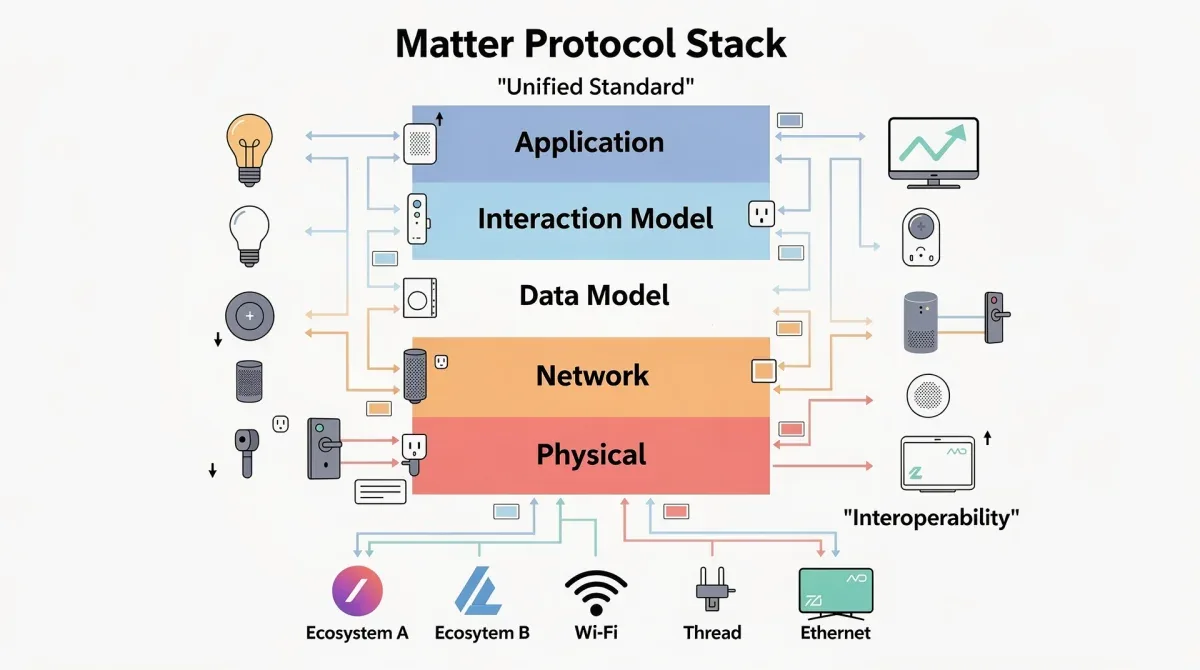
The combination of advanced security protocols and robust privacy controls makes Matter 1.4 a formidable guardian of the smart home. It addresses not only the technical challenges of securing IoT devices but also the ethical considerations of data ownership and user consent. This comprehensive approach is vital for the widespread adoption of smart home technology, as consumers are increasingly wary of privacy breaches and cyber threats.
In summary, the enhanced security and privacy frameworks in Matter 1.4 Architecture are not just an upgrade; they are a necessary evolution. By prioritizing the protection of user data and the integrity of the smart home ecosystem, Matter 1.4 is building a foundation of trust that will be essential for the continued growth and success of connected living by 2026.
Breakthrough Feature 3: Energy Efficiency and Sustainability Optimizations
As the number of smart devices in our homes grows, so does the collective energy consumption. A significant breakthrough feature of Matter 1.4 Architecture focuses on energy efficiency and sustainability optimizations, aiming to make smart homes not only smarter but also greener. This aspect of the architecture is critical for addressing environmental concerns and reducing the operational costs of connected living by 2026.
Previous smart home standards often overlooked holistic energy management, leading to devices that, while convenient, could contribute to increased power usage. Matter 1.4 integrates energy-saving principles at its core, enabling devices to operate more efficiently and providing users with better tools to monitor and manage their energy consumption. This proactive approach to sustainability is a key differentiator.
Intelligent power management
The optimizations in Matter 1.4 include intelligent power management capabilities that allow devices to adapt their energy usage based on real-time needs and user preferences. This could involve devices entering low-power states when not actively in use, optimizing communication protocols to minimize energy overhead, or even coordinating with other devices to achieve collective energy savings. For instance, smart lighting systems could automatically dim or turn off based on occupancy sensors and natural light levels, significantly reducing electricity waste.
- Low-power modes: Devices can enter standby with minimal energy draw when inactive.
- Optimized communication: Efficient data exchange reduces power consumption during operation.
- Energy reporting standards: Provides users with accurate data on device energy usage.
- Eco-friendly automations: Enables smart routines that prioritize energy conservation.
Beyond individual device efficiency, Matter 1.4 is expected to introduce features that facilitate system-wide energy management. This means that a central controller or smart home hub could aggregate energy data from all connected devices, providing users with a comprehensive overview of their household's power consumption. This data can then be used to identify energy vampires, optimize schedules, and make informed decisions about energy usage, leading to substantial savings and a reduced carbon footprint.
The focus on sustainability extends to the development and manufacturing processes as well. By promoting a unified standard, Matter 1.4 can encourage manufacturers to design devices that are not only energy-efficient in operation but also built with sustainable materials and practices. This holistic approach to environmental responsibility is becoming increasingly important for consumers and regulators alike, making it a vital component of future smart home technology.
In conclusion, the energy efficiency and sustainability optimizations within Matter 1.4 Architecture represent a forward-thinking commitment to responsible technology. By empowering users with better control over their energy consumption and encouraging greener device design, Matter 1.4 is paving the way for a more sustainable and economically viable smart home future by 2026.
Breakthrough Feature 4: Enhanced User Experience and Simplified Onboarding
A major hurdle for smart home adoption has been the complexity of setting up and managing devices from various brands. Matter 1.4 Architecture addresses this directly with its fourth breakthrough feature: enhanced user experience and simplified onboarding. This focuses on making the smart home more intuitive, accessible, and enjoyable for everyone, from tech enthusiasts to first-time users, by 2026.
The fragmented nature of the smart home market often meant users had to navigate multiple apps, proprietary hubs, and complicated pairing processes. This friction not only deterred new users but also limited the potential for truly integrated home automation. Matter 1.4 aims to streamline every step, from unboxing a new device to creating complex automation routines, making the entire experience feel effortless.
Streamlined device commissioning
One of the most significant improvements will be in device commissioning. Matter 1.4 is expected to further refine the pairing process, making it almost instantaneous and universally consistent across all certified devices. This could involve advanced QR code scanning, near-field communication (NFC) taps, or other intuitive methods that eliminate manual network configuration and complicated setup wizards. The goal is a truly plug-and-play experience, where new devices are recognized and integrated into the smart home network with minimal user intervention.
- Universal QR codes: Simplifies pairing across all Matter-compatible platforms.
- One-touch setup: Reduces the number of steps required to add new devices.
- Automatic network discovery: Devices are found and configured without manual input.
- Consistent user interfaces: Ensures a familiar experience regardless of device brand.
Beyond initial setup, Matter 1.4 will enhance the overall daily user experience. This includes more responsive device control, richer feedback from devices, and more intuitive ways to create and manage automations. Imagine setting up a complex "good morning" routine that involves adjusting lights, brewing coffee, and playing news, all with a few taps in a single, unified app, rather than juggling multiple applications. This level of simplicity transforms a collection of smart gadgets into a truly intelligent home assistant.
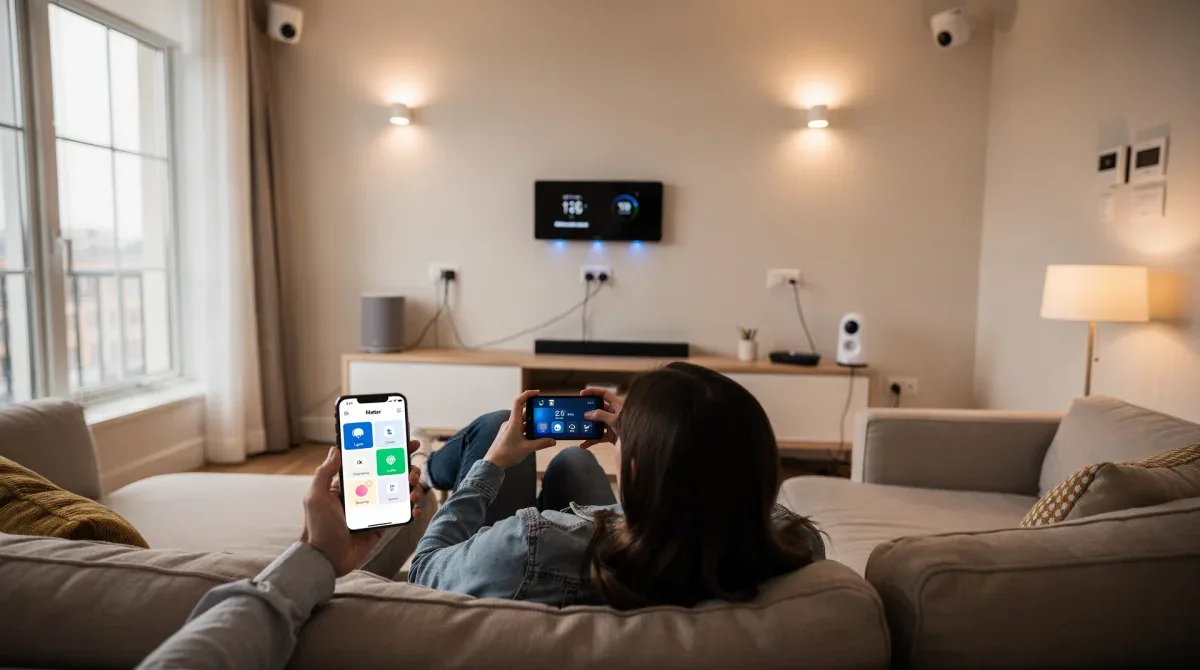
Furthermore, the architecture is designed to support more personalized experiences. With improved interoperability, devices can share context-aware information more effectively, allowing the smart home to adapt to individual preferences and routines with greater precision. This means a home that truly understands and anticipates your needs, rather than merely responding to commands. This personalization is key to making smart technology feel less like a gadget and more like an extension of your lifestyle.
In conclusion, the enhanced user experience and simplified onboarding delivered by Matter 1.4 Architecture are crucial for expanding the appeal of smart homes. By removing complexity and fostering a more intuitive interaction model, Matter 1.4 is set to make connected living accessible and enjoyable for a broader audience, solidifying its place as the unifying standard by 2026.
The Road Ahead: Challenges and Opportunities for Matter 1.4
While the promise of Matter 1.4 Architecture is significant, the path to widespread adoption and seamless integration is not without its challenges. Understanding these hurdles and the opportunities they present is crucial for anticipating the smart home landscape by 2026. The success of Matter 1.4 will depend on continued collaboration, robust implementation, and effective communication to both manufacturers and consumers.
One of the primary challenges lies in the sheer diversity of existing smart devices and the legacy systems many users already have in place. While Matter aims for backward compatibility where possible, a complete transition will require significant effort from both device makers and platform providers. Ensuring that older devices can still function, or offering clear upgrade paths, will be vital to avoid alienating existing smart home users.
Overcoming implementation complexities
For manufacturers, implementing Matter 1.4 will require updating firmware, redesigning hardware for future products, and rigorously testing for compliance. This is a considerable investment, particularly for smaller companies. The certification process needs to be efficient and supportive to encourage broad participation. Furthermore, ensuring consistent interpretation and implementation of the standard across all brands will be key to maintaining the promised interoperability.
- Firmware updates: Extensive development required for existing devices.
- Hardware redesigns: Future products must incorporate Matter 1.4 specifications.
- Rigorous testing: Ensuring full compliance and interoperability across diverse devices.
- Developer support: Providing resources and tools to aid manufacturers in implementation.
Despite these challenges, the opportunities presented by Matter 1.4 are immense. For consumers, it means an end to ecosystem lock-in, greater choice, and a more integrated, user-friendly smart home. For manufacturers, it opens up new markets and reduces the burden of developing proprietary integration solutions for every platform. This standardization can accelerate innovation, allowing companies to focus on core product features rather than compatibility issues.
Moreover, Matter 1.4's focus on security, privacy, and energy efficiency aligns perfectly with growing consumer demands and regulatory pressures. Companies that embrace these principles will not only gain a competitive advantage but also contribute to a more responsible and sustainable technology ecosystem. The potential for new services and applications built on a truly unified smart home platform is also a significant opportunity, driving new business models and value propositions.
In conclusion, while the adoption of Matter 1.4 Architecture will present its share of complexities, the benefits of a unified, secure, and efficient smart home ecosystem far outweigh these hurdles. The road ahead requires continued dedication from the industry, but the opportunities for innovation, consumer satisfaction, and sustainable growth are poised to redefine connected living by 2026.
Preparing for the Unified Smart Home Era of 2026
The impending arrival of Matter 1.4 Architecture signals a pivotal moment for the smart home industry, promising a unified and more intelligent living experience by 2026. As we look towards this future, both consumers and manufacturers have roles to play in preparing for and embracing this new era of cross-ecosystem device integration. The transition will not be instantaneous, but proactive steps can ensure a smoother and more beneficial adoption.
For consumers, understanding what Matter 1.4 entails is the first step. This means being aware of its benefits, such as enhanced interoperability, improved security, and simpler setup. When purchasing new smart devices, looking for Matter 1.4 certification will become increasingly important, ensuring future compatibility and a seamless experience. Educating oneself on the privacy controls and energy management features will also empower users to make more informed decisions about their connected homes.
Recommendations for consumers and industry
The industry, including device manufacturers, platform providers, and retailers, must actively prepare for the Matter 1.4 rollout. This involves not only implementing the technical specifications but also educating their sales teams and customer support staff about the new standard. Clear labeling, marketing, and instructional materials will be crucial to help consumers understand the value proposition and make informed choices. Collaboration across the industry will be key to ensuring a consistent and positive user experience.
- Consumer education: Understand Matter 1.4 benefits and look for certified products.
- Manufacturer adoption: Prioritize Matter 1.4 implementation and certification.
- Retailer readiness: Train staff and clearly label Matter-compatible devices.
- Developer innovation: Create new applications and services leveraging unified connectivity.
Furthermore, the ongoing development and refinement of Matter will continue beyond version 1.4. The open-source nature of the standard means that the community will play a continuous role in identifying new features, addressing emerging challenges, and expanding the capabilities of the smart home. Engaging with this community, providing feedback, and participating in beta programs can help shape the future trajectory of connected living.
The unified smart home era of 2026, driven by Matter 1.4 Architecture, is not just about technology; it's about redefining convenience, security, and sustainability in our daily lives. By embracing this standard, we move closer to a future where technology works seamlessly in the background, enhancing our homes without adding complexity. This vision of a truly intelligent and interconnected living space is now within reach, thanks to the collaborative efforts behind Matter.
In conclusion, preparing for the unified smart home era requires a collective effort. From informed consumers to proactive manufacturers and supportive retailers, each stakeholder has a part in ensuring that Matter 1.4 Architecture fulfills its promise of a more integrated, secure, and sustainable connected future by 2026.
| Key Feature | Impact on Smart Devices |
|---|---|
| Advanced Interoperability | Seamless communication and sophisticated interactions across all brands and platforms. |
| Enhanced Security | Robust, multi-layered protection for user data and device integrity, fostering trust. |
| Energy Efficiency | Optimized power management and eco-friendly automations for sustainable smart homes. |
| Simplified User Experience | Streamlined onboarding, intuitive control, and personalized interactions for all users. |
Frequently Asked Questions About Matter 1.4 Architecture
What is Matter 1.4 Architecture and why is it important?▼Matter 1.4 Architecture is the latest iteration of the open-source smart home connectivity standard, designed to unify diverse smart devices. It's crucial because it introduces breakthrough features for enhanced interoperability, security, energy efficiency, and user experience, aiming to create a truly seamless smart home ecosystem by 2026.
How will Matter 1.4 improve device interoperability?▼Matter 1.4 will improve interoperability by standardizing data models and communication protocols, allowing devices from different manufacturers and ecosystems (like Apple, Google, Amazon) to interact more intelligently and perform complex automations collaboratively, moving beyond basic compatibility to true integration.
What new security and privacy features does Matter 1.4 offer?▼Matter 1.4 provides enhanced security through secure device commissioning, end-to-end encryption for all data, and a framework for regular security updates. For privacy, it offers granular access controls and transparent data usage policies, giving users more control over their personal information in the smart home.
How does Matter 1.4 address energy efficiency and sustainability?▼Matter 1.4 incorporates intelligent power management, enabling devices to utilize low-power modes and optimize communication for reduced energy consumption. It also includes energy reporting standards and facilitates eco-friendly automations, helping users monitor and decrease their smart home's environmental footprint.
When can we expect to see Matter 1.4 devices in the market?▼While the standard is anticipated to be finalized, widespread adoption and the availability of Matter 1.4 certified devices are expected to ramp up significantly by 2026. This timeline allows manufacturers to implement the new features, undergo certification, and bring compatible products to market, ensuring a robust ecosystem.
Conclusion
The advent of Matter 1.4 Architecture represents a transformative moment for the smart home industry, promising to deliver on the long-held vision of a truly unified and intelligent living space by 2026. With its four breakthrough features—advanced device interoperability, enhanced security and privacy, energy efficiency optimizations, and a simplified user experience—Matter 1.4 is set to dismantle the barriers that have historically fragmented the market. This comprehensive approach will empower consumers with greater choice, foster innovation among manufacturers, and pave the way for a more intuitive, secure, and sustainable connected future. As the industry collectively moves towards this standard, the promise of a seamless and integrated smart home experience is finally within reach, poised to redefine how we interact with our living environments.
