Reduce Household Water Consumption by 22% Sustainably
Advertisements
Reducing household water consumption by 22% may be achievable for some homes through a combination of efficient fixtures, leak repairs, smarter irrigation, and everyday conservation habits.
Actual savings depend on existing water use, household size, climate, and equipment efficiency. This guide explains practical ways to save water while maintaining comfort.
Learning how to reduce household water consumption can help homeowners manage utility expenses, prevent unnecessary waste, and make their daily routines more efficient.
From water-saving showerheads to improved garden irrigation, small changes can contribute to meaningful reductions without requiring major lifestyle sacrifices.
This guide explores practical strategies for working toward a 22% reduction, including household calculations, efficient appliances, leak prevention, and water conservation habits.
Why Reducing Household Water Consumption Matters
Water is essential for cooking, cleaning, bathing, laundry, and maintaining outdoor spaces, making household consumption an important part of everyday resource management.
Water availability and utility costs differ across the United States, with some regions experiencing greater pressure from drought, population growth, and infrastructure demands.
Reducing unnecessary consumption can help households control expenses while supporting broader efforts to use available water resources responsibly.
Understanding Where Household Water Goes
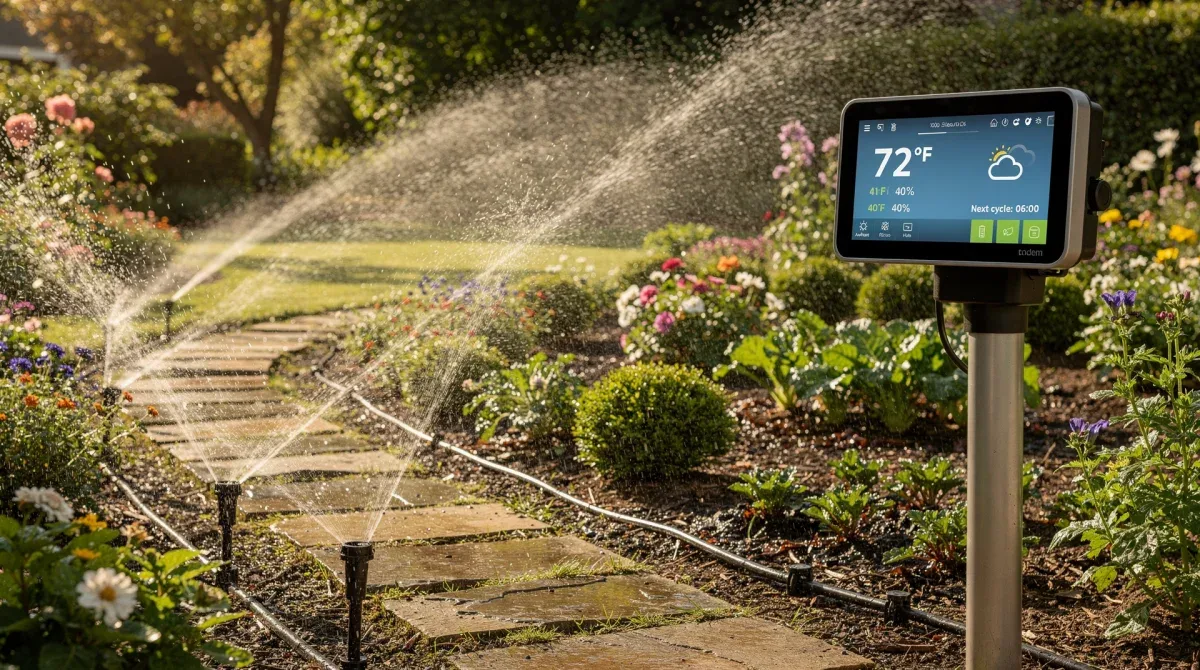
Indoor residential water is commonly used by toilets, showers, faucets, washing machines, dishwashers, and other plumbing fixtures.
Outdoor consumption may include lawn irrigation, garden watering, swimming pools, and cleaning activities, with demand varying significantly by climate.
Identifying the largest sources of consumption provides a useful starting point for choosing conservation measures with the greatest potential impact.
Why Water Efficiency Does Not Have to Reduce Comfort
Many modern plumbing fixtures are designed to maintain acceptable performance while using less water than older, less efficient equipment.
For example, certified showerheads and toilets are tested against performance requirements rather than evaluated solely by the amount of water they use.
Choosing appropriate products and adjusting wasteful habits can improve efficiency without necessarily changing the quality of everyday household activities.
How to Calculate a 22% Reduction in Water Use
A percentage target becomes more useful when homeowners understand their current consumption and the amount they would need to save.
Utility bills often provide monthly usage figures, allowing households to establish a baseline before introducing new conservation measures.
The following example illustrates how a 22% reduction would work mathematically, without assuming every home can achieve the same result.
Example: A Home Using 10,000 Gallons Monthly
Consider a hypothetical household that consumes 10,000 gallons of water during an average month.
A 22% reduction would equal 2,200 gallons, calculated by multiplying 10,000 by 0.22.
After achieving that reduction, the household would use approximately 7,800 gallons monthly, assuming comparable occupancy and seasonal conditions.
Understanding the Annual Savings
Saving 2,200 gallons every month would represent approximately 26,400 gallons over twelve months.
The financial benefit would depend on local water and wastewater rates, fixed charges, and whether the household moves into a different pricing tier.
This calculation provides a planning target, but actual savings should be measured using subsequent utility bills or reliable meter readings.
Why Results Vary Between Households
A home with inefficient toilets, plumbing leaks, and excessive outdoor irrigation may have more opportunities to reduce consumption.
A household that already uses efficient fixtures and maintains careful watering practices may have less unnecessary consumption to eliminate.
Therefore, the 22% target should guide an individual conservation plan rather than be presented as a universally achievable result.
Upgrade to Water-Efficient Fixtures and Appliances
Replacing inefficient plumbing fixtures can be an effective approach to reducing water consumption, particularly in older homes.
Modern toilets, showerheads, faucets, and household appliances may offer improved efficiency while maintaining practical everyday performance.
Before purchasing replacements, compare product specifications and estimate whether the expected savings justify installation costs.
Choose WaterSense-Certified Toilets
Older toilets can use considerably more water per flush than current high-efficiency models.
Toilets carrying the EPA WaterSense label use no more than 1.28 gallons per flush while meeting applicable performance criteria.
For households replacing inefficient models, this can reduce bathroom consumption without requiring users to change their normal flushing habits.
Install Efficient Showerheads
Showering is a recurring source of household water demand, making showerhead efficiency an important consideration.
EPA WaterSense-labeled showerheads have a maximum flow rate of 2.0 gallons per minute and must satisfy performance requirements.
Actual savings depend on the flow rate of the previous showerhead and the duration and frequency of household showers.
Consider Faucet Aerators
Faucet aerators can help regulate water flow and may reduce unnecessary consumption during certain bathroom activities.
WaterSense-labeled bathroom faucets and accessories have a maximum flow rate of 1.5 gallons per minute under the program's specifications.
Kitchen applications may require different flow characteristics, so homeowners should select products appropriate for their intended use.
Compare ENERGY STAR Washing Machines
Clothes washers can account for substantial water consumption, particularly in households that wash laundry frequently.
ENERGY STAR-certified washing machines use approximately 30% less water than conventional models, on average, according to the program.
The household's actual savings depend on the previous machine, load sizes, wash settings, and the number of cycles completed.
Use Dishwashers Efficiently
Modern dishwashers can clean dishes using controlled water volumes, and some efficient models consume less water than washing dishes under a continuously running faucet.
For most routine loads, follow the manufacturer's instructions concerning loading, detergent, and appropriate wash cycles.
Avoid unnecessary pre-rinsing when the dishwasher and detergent are designed to handle normal food residue.
Find and Repair Hidden Household Water Leaks
Leaks can waste water continuously, even when household members are not actively using faucets or appliances.
Toilets, faucets, irrigation systems, and plumbing connections are common places where unnoticed problems may develop.
Regular inspection is an important part of learning how to reduce household water consumption without changing everyday comfort.
Check for Toilet Leaks
A leaking toilet may allow water to move from the tank into the bowl without producing an obvious sound.
To check for this problem, place a small amount of food coloring in the toilet tank and avoid flushing for approximately ten minutes.
If color appears in the bowl, the toilet may have a leak that requires inspection or replacement of an appropriate component.
Use Your Water Meter to Detect Unexpected Consumption
Turn off all water-using appliances and fixtures, and ensure no irrigation systems are scheduled to operate during the test.
Record the meter reading, wait for an appropriate interval without using water, and compare the new reading with the original.
Unexpected movement may indicate a leak, although homeowners should investigate further before identifying a specific plumbing problem.
Inspect Faucets and Pipes
Look for dripping faucets, damp cabinet surfaces, unusual stains, or visible moisture near plumbing connections.
Check accessible pipes and fixtures periodically, especially in areas where water damage might remain unnoticed.
For concealed plumbing problems or repairs beyond basic maintenance, consider using a qualified plumbing professional.
Consider Smart Leak Detection
Some monitoring systems can identify unusual water flow and notify homeowners through an application or connected alarm.
More advanced equipment may include automatic shutoff capabilities designed to respond to selected leak conditions.
These devices can support early detection, but they require proper installation, maintenance, and appropriate settings to function as intended.
Optimize Outdoor Water Use and Landscaping
Outdoor watering can account for a significant portion of residential consumption, especially in warm or dry climates.
Traditional irrigation schedules may use more water than plants need when watering is not adjusted for weather and soil conditions.
Improving outdoor efficiency can therefore be an important component of a household conservation strategy.
Install Weather-Based Irrigation Controllers
Weather-based irrigation controllers adjust watering schedules using environmental information rather than relying entirely on fixed timing.
EPA WaterSense-labeled controllers are designed to use local weather and landscape conditions to help prevent unnecessary irrigation.
Correct installation and programming remain important because an improperly configured controller may fail to deliver expected savings.
Use Drip Irrigation Where Appropriate
Drip irrigation delivers water near plant roots through tubing and emitters, reducing unnecessary watering of surrounding surfaces.
This approach can be particularly useful for garden beds, shrubs, and certain landscaped areas with consistent plant groupings.
System performance depends on appropriate pressure, maintenance, emitter placement, and the watering requirements of individual plants.
Check Sprinklers for Waste
Broken sprinkler heads, blocked nozzles, and incorrect spray angles can direct water toward sidewalks, driveways, or other unwanted areas.
Inspect irrigation equipment regularly and adjust coverage to match the landscape rather than watering areas that do not require irrigation.
These maintenance measures may reduce consumption without requiring substantial changes to the appearance of the garden.
Choose Drought-Tolerant Landscaping
Native and climate-adapted plants may require less supplemental irrigation once established, depending on local growing conditions.
Xeriscaping combines appropriate plant selection, soil management, and efficient watering to reduce unnecessary landscape water demand.
Before replacing an existing lawn, consider local regulations, available sunlight, soil conditions, and the desired use of outdoor spaces.
Apply Mulch to Suitable Garden Areas
Mulch can help reduce evaporation from exposed soil while providing additional benefits such as weed suppression.
Organic materials may also contribute to soil structure as they decompose, although their characteristics vary by type.
Apply mulch according to horticultural recommendations and avoid placing excessive material directly against sensitive plant stems or trunks.
Build Water-Saving Habits Into Daily Routines
Equipment upgrades are useful, but simple behavioral changes can also reduce unnecessary water consumption.
The most sustainable habits are those that fit naturally into existing routines without creating excessive inconvenience.
Households can begin with small adjustments and monitor whether these actions produce measurable reductions over time.
Reduce Unnecessary Faucet Use
Turn off the faucet when running water is not needed, such as during toothbrushing or while applying soap.
In the kitchen, consider filling a suitable container for certain cleaning tasks instead of leaving water running continuously.
These adjustments reduce waste while preserving the amount of water needed for proper hygiene and sanitation.
Make Showers More Efficient
Shorter showers can reduce water consumption, particularly when the showerhead has a relatively high flow rate.
Some households may find that an efficient showerhead provides satisfactory performance without requiring major changes to their routine.
Choose a combination of flow rate and shower duration that supports comfort, cleanliness, and practical water conservation.
Run Appropriate Laundry Loads
Use load settings that match the amount of clothing being washed and follow the washing machine manufacturer's recommendations.
When practical, combining suitable items into efficient loads can reduce unnecessary wash cycles.
Avoid overloading the machine because excessive loads may compromise cleaning performance and require additional washing.
Choose Smarter Outdoor Cleaning Methods
Sweeping driveways, patios, and walkways can avoid unnecessary hose use for routine debris removal.
For vehicle cleaning, a bucket and suitable washing method may help control water use compared with leaving a hose running continuously.
Observe local rules concerning vehicle washing, runoff, and outdoor water use when selecting cleaning methods.
Use Smart Technology to Monitor Water Consumption
Household monitoring systems can help residents understand changes in consumption and identify unusually high usage periods.
Some products display water flow information through connected applications or integrate with broader home management systems.
Although additional equipment is not essential for conservation, reliable monitoring can help evaluate whether specific measures are effective.
Monitor Monthly Utility Bills
Utility bills often provide the simplest available record of water consumption over time.
Compare several months of usage rather than relying on one reading, particularly when outdoor watering varies with seasonal conditions.
Consider changes in household occupancy, travel, weather, and appliance use when interpreting consumption patterns.
Identify Unusual Water Usage
Unexpected increases may indicate leaks, irrigation changes, additional occupants, or other differences in household routines.
Review available meter readings and investigate whether the change corresponds to a known activity.
When the cause is unclear, additional inspection or assistance from a water utility or plumber may be appropriate.
Set Practical Consumption Goals
Establish a baseline using recent consumption data and identify a reduction target consistent with the household's opportunities for improvement.
A 22% reduction can serve as an example, but a smaller goal may be more realistic for homes that already operate efficiently.
Review results periodically and adjust the conservation plan according to actual measured performance.
Explore Rainwater Harvesting and Water Reuse
Rainwater collection and properly designed water reuse systems may reduce the need for treated municipal water in selected applications.
These approaches require more planning than basic fixture upgrades because storage, treatment, and permitted uses must be considered.
Local regulations and water quality requirements should guide decisions about installing and operating these systems.
Collect Rainwater for Appropriate Outdoor Uses
Rain barrels and other collection systems can capture runoff from suitable roof surfaces for selected nonpotable applications.
Available collection volumes depend on rainfall, roof area, storage capacity, and seasonal weather patterns.
Systems should include appropriate maintenance and mosquito prevention, and homeowners should confirm local requirements before installation.
Understand Greywater Reuse
Greywater generally refers to certain household wastewater streams that may be suitable for specified reuse applications after appropriate handling.
Suitable sources and permitted uses depend on local regulations, treatment requirements, and the design of the plumbing system.
Untreated greywater should not be assumed safe for unrestricted storage, irrigation, or contact with edible plant surfaces.
Avoid Unsafe Water Reuse Practices
Not every household wastewater source is appropriate for reuse, especially when it may contain harmful chemicals or contaminants.
Water from some appliances and cleaning activities may require special precautions or should not be reused for certain purposes.
Consult relevant local guidance and qualified professionals before installing plumbing modifications for water reuse.
Find Local Water Conservation Programs
Some U.S. utilities and municipal programs offer educational materials, home assessments, or financial incentives for water-efficient improvements.
Availability varies by location, budget, program eligibility, and the specific products or services involved.
Checking with the local water provider can help homeowners identify assistance appropriate to their circumstances.
Rebates for Efficient Fixtures
Some utilities provide rebates for qualifying toilets, irrigation controllers, or other equipment that meets specified efficiency requirements.
Programs may require proof of purchase, installation documentation, or verification that the property falls within a participating service area.
Review the applicable rules before purchasing products, since reimbursements are not guaranteed and may depend on available funding.
Home Water Audits
A residential water audit may evaluate fixtures, irrigation systems, meter information, and household consumption patterns.
Some utilities offer these assessments directly or provide guidance for homeowners conducting their own inspections.
Recommendations can help prioritize improvements according to the property's actual opportunities for reducing unnecessary water use.
Educational Workshops and Community Resources
Community programs may provide instruction on irrigation maintenance, climate-appropriate landscaping, plumbing conservation, and related topics.
Educational resources can also help residents understand drought restrictions and permitted outdoor watering schedules.
Households interested in broader environmental habits can explore this 2026 sustainable living guide.
Common Mistakes When Trying to Save Water
Some conservation attempts produce disappointing results because they focus on minor habits while leaving larger sources of waste unaddressed.
Other problems arise from replacing equipment unnecessarily or assuming that every efficient product produces the same savings.
Evaluating actual consumption helps homeowners choose improvements based on practical results rather than exaggerated claims.
Ignoring Hidden Leaks
A leaking toilet or underground irrigation problem may waste water continuously, reducing the benefits of other conservation measures.
Before investing in expensive upgrades, inspect plumbing and investigate unexplained changes in meter readings.
Fixing a significant leak may offer a more immediate benefit than replacing an appliance that already performs efficiently.
Replacing Equipment Without Comparing Performance
Not every household will benefit equally from replacing a toilet, washing machine, or showerhead.
Compare the existing product's water use with the efficiency specifications of the proposed replacement.
Include installation costs and expected useful life when deciding whether an upgrade is financially appropriate.
Overwatering Efficient Landscapes
Even drought-tolerant plants can consume unnecessary water when irrigation systems run too frequently.
Check soil conditions, weather patterns, and plant requirements before establishing a watering schedule.
Efficient landscaping depends on appropriate ongoing management rather than plant selection alone.
Assuming Savings Will Be Identical Every Month
Household water use may increase in summer due to irrigation and decrease during periods with regular rainfall.
Vacations, guests, changing family routines, and appliance replacements can also affect consumption.
Use comparable periods and multiple billing cycles when evaluating whether conservation measures have delivered lasting improvements.
Creating a Practical Household Water Conservation Plan
A useful conservation plan starts with identifying existing waste and selecting improvements that match the household's budget and priorities.
Low-cost actions such as checking for leaks and adjusting irrigation may be appropriate before considering major equipment purchases.
Measuring results over time helps determine whether further changes are needed to approach a target such as 22%.
Week 1: Establish Your Baseline
Review recent utility bills and record typical monthly or seasonal consumption in gallons or another consistent measurement unit.
Inspect accessible plumbing fixtures and identify obvious sources of unnecessary water use.
Use this information to create a realistic plan based on actual household conditions.
Week 2: Improve Daily Habits
Introduce manageable changes such as turning off unused faucets, adjusting laundry loads, and reducing unnecessary hose use.
Discuss these changes with household members so conservation responsibilities are shared appropriately.
Avoid compromising sanitation, personal hygiene, or other essential activities in pursuit of a numerical target.
Week 3: Evaluate Fixtures and Irrigation
Check existing fixture flow rates and compare them with relevant efficiency standards.
Inspect irrigation equipment for damaged components, incorrect watering schedules, or water directed toward unnecessary areas.
Prioritize repairs and upgrades with clear practical benefits before investing in more expensive technologies.
Week 4: Review Progress
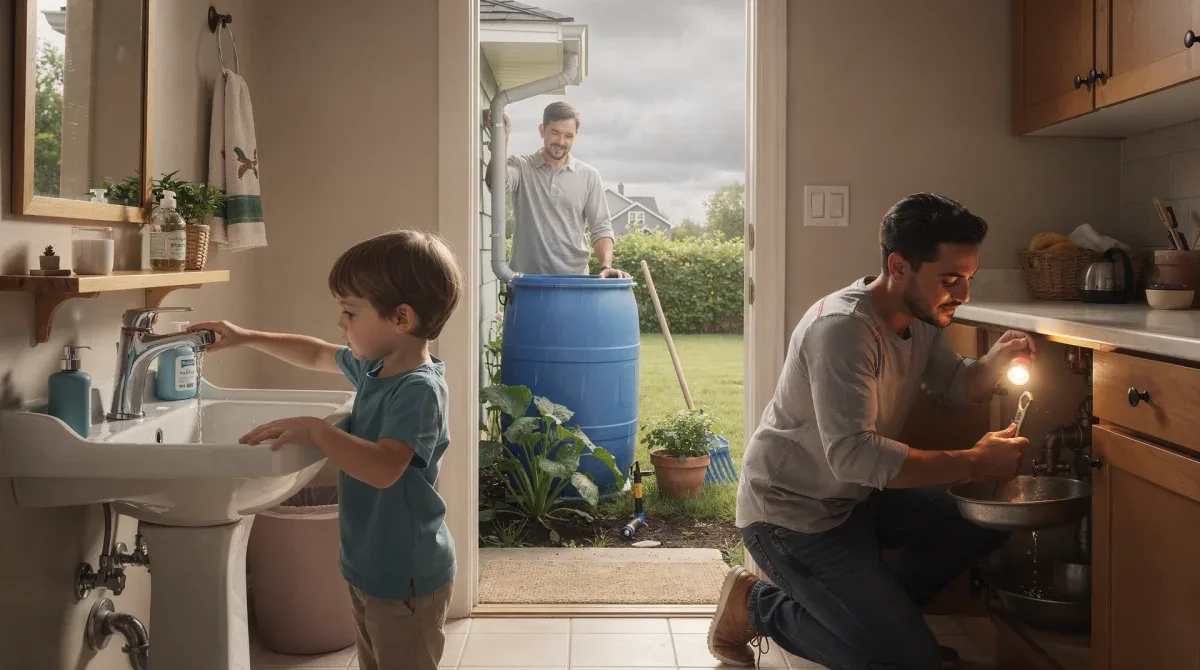
Compare available consumption data with the original baseline while accounting for weather and occupancy changes.
Identify which actions produced measurable improvements and which measures require additional adjustment.
Continue monitoring over subsequent billing periods because one month may not provide enough information to establish long-term savings.
Key Strategies to Reduce Household Water Consumption
Efficient plumbing fixtures, leak repairs, improved irrigation, and practical daily habits can work together to reduce unnecessary residential water use.
Monitoring consumption helps determine which measures provide the greatest benefit in an individual household.
The original table below summarizes four main approaches for planning water conservation improvements.
Key Strategy | Brief Description |
|---|---|
Efficient Fixtures | Upgrade to low-flow showerheads, toilets, and WaterSense appliances. |
Smart Landscaping | Implement xeriscaping, drip irrigation, and smart controllers. |
Daily Habits | Turn off faucets, take shorter showers, and run full loads of laundry. |
Advanced Tech | Utilize real-time monitoring and consider rainwater/greywater systems. |
Frequently Asked Questions About Household Water Conservation
Can I reduce household water consumption by 22%?
A 22% reduction may be achievable in some homes, but actual results depend on current consumption, existing efficiency, household habits, and available improvements.
How much water would a 22% reduction save?
A household using 10,000 gallons monthly would save 2,200 gallons per month if it achieved a 22% reduction.
What is the easiest way to start saving water?
Begin by checking for leaks, reviewing utility bills, and reducing unnecessary faucet or outdoor water use.
How much water does a WaterSense toilet use?
WaterSense-labeled toilets use no more than 1.28 gallons per flush while meeting the program's applicable performance requirements.
Are water-saving showerheads comfortable?
Certified models must satisfy performance criteria, but comfort is subjective and can vary according to water pressure, product design, and user preferences.
How much water can an efficient washing machine save?
ENERGY STAR-certified clothes washers use approximately 30% less water than conventional models on average, although individual savings vary.
Can repairing leaks reduce water bills?
Yes. Correcting leaks can eliminate continuous water waste, potentially reducing consumption and associated utility charges.
How can I detect a hidden leak?
Check whether the water meter changes when no fixtures or appliances are using water, and investigate unexpected readings.
What is smart irrigation?
Smart irrigation uses weather information, soil conditions, or other data to help schedule watering more efficiently.
Does xeriscaping mean removing every plant?
No. Xeriscaping emphasizes climate-appropriate plants, efficient irrigation, and landscape design intended to reduce unnecessary water demand.
Is rainwater harvesting legal everywhere?
Requirements vary by location, so homeowners should check applicable state and local rules before installing collection systems.
Can greywater be reused safely?
Some forms of greywater reuse are permitted with appropriate systems and safeguards, but allowed sources and uses depend on local regulations.
Are rebates available for water-saving equipment?
Some utilities offer incentives for qualifying products, but program availability and eligibility differ by service area.
How can I measure water conservation progress?
Compare utility bills or reliable meter readings across similar periods, accounting for occupancy and seasonal changes.
Will using less water always reduce my bill by the same percentage?
No. Utility bills may include fixed charges, tiered pricing, and wastewater fees, so financial savings may differ from the percentage reduction in consumption.
Conclusion
Learning how to reduce household water consumption involves identifying unnecessary waste and choosing conservation measures that support practical everyday living.
Efficient fixtures, leak detection, smarter landscaping, and consistent household habits can contribute to meaningful savings, although the exact reduction varies by property.
By establishing a baseline, monitoring results, and making targeted improvements, homeowners can work toward a 22% reduction while maintaining comfort and essential household functions.