Resale Market Shift: 62% Choose Certified Pre-Owned Luxury
Advertisements
The significant shift in the resale market indicates that 62% of shoppers are increasingly choosing certified pre-owned luxury apparel, driven by a growing demand for sustainability, value, and verified authenticity in high-end fashion.
The fashion landscape is undergoing a monumental transformation, with the resale market shift: why 62% of shoppers are switching to certified pre-owned luxury apparel becoming a dominant force. This isn't merely a fleeting trend; it represents a fundamental change in consumer values and purchasing habits within the high-end sector. As more individuals seek both economic value and ethical consumption, the allure of authenticated, pre-loved luxury items is proving irresistible, reshaping the future of fashion as we know it.
The rise of certified pre-owned luxury apparel
The concept of buying pre-owned clothing, once relegated to niche markets or thrift stores, has evolved dramatically, especially within the luxury segment. Today, the market for certified pre-owned luxury apparel is booming, driven by a confluence of factors that appeal to a broad spectrum of consumers. This shift reflects a growing sophistication in how shoppers perceive value, quality, and environmental impact.
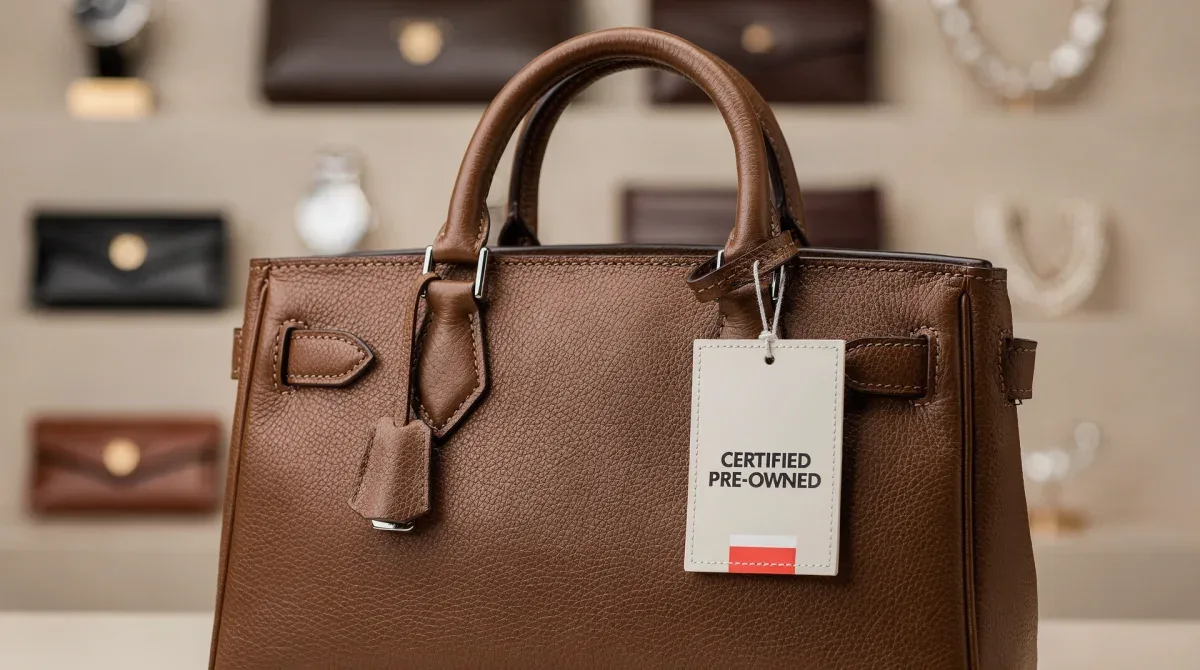
What defines 'certified pre-owned' in the luxury sphere? It goes beyond simply buying something used. Certification implies a rigorous authentication process, often backed by experts who verify the item's origin, condition, and legitimacy. This assurance is crucial for luxury buyers who demand authenticity and quality, even when purchasing second-hand. The transparency and trust offered by certified platforms are key differentiators, making these items a compelling alternative to new purchases.
Driving factors behind consumer adoption
Several significant forces are propelling this surge in demand for certified pre-owned luxury. Understanding these drivers is essential to grasp the longevity and impact of this market shift.
- Sustainability concerns: A growing awareness of fast fashion's environmental footprint is pushing consumers towards more circular consumption models. Buying pre-owned reduces waste and extends the life cycle of luxury goods.
- Value for money: Luxury items, while retaining significant value, are often available at a more accessible price point in the resale market. This allows shoppers to acquire high-quality pieces they might not otherwise afford.
- Desire for unique and rare items: The resale market offers access to vintage pieces or limited-edition items no longer available new, appealing to collectors and those seeking individuality.
- Authenticity guarantees: Reputable certified pre-owned platforms invest heavily in authentication, mitigating the risk of counterfeit goods and building consumer confidence.

The transformation of the luxury market is profound, with certified pre-owned items no longer seen as a compromise but as a smart, conscious choice. This evolution is redefining luxury itself, making it more inclusive and sustainable.
Economic imperatives: value and accessibility
For many consumers, the decision to opt for certified pre-owned luxury apparel is fundamentally an economic one, driven by the desire for superior value and increased accessibility to high-end brands. Luxury items are significant investments, and the resale market provides a compelling avenue to enjoy premium quality without the premium price tag of a brand-new item.
Consider the depreciation curve of many luxury goods. While some iconic pieces hold their value exceptionally well, others see a notable drop once they leave the boutique. Savvy shoppers leverage this, acquiring items that are still in excellent condition but at a fraction of their original cost. This financial advantage allows a broader demographic to participate in the luxury market, expanding its reach beyond traditional high-net-worth individuals.
Smart spending in a shifting economy
In an economic climate where financial prudence is increasingly valued, the resale market offers a smart spending strategy. Consumers can build a sophisticated wardrobe of designer pieces without overextending their budgets. This isn't about sacrificing quality; it's about optimizing expenditure.
- Maximized purchasing power: Shoppers can acquire more luxury items for the same budget compared to buying new.
- Investment in enduring quality: Many luxury garments are made with superior materials and craftsmanship, designed to last. Buying them pre-owned means investing in durability.
- Reduced financial risk: The initial depreciation has already occurred, meaning the resale value of a pre-owned luxury item might be more stable.
The accessibility factor is equally important. The internet has democratized access to luxury goods, with online platforms making it easier than ever to browse, compare, and purchase certified pre-owned items from anywhere in the world. This convenience, combined with the financial benefits, makes the certified pre-owned market an attractive proposition for a growing number of consumers.
Sustainability and ethical consumption trends
Beyond economic advantages, a powerful ethical dimension underpins the shift towards certified pre-owned luxury apparel. Consumers are increasingly conscious of the environmental and social impact of their purchasing decisions. The traditional fashion industry, particularly fast fashion, has faced significant scrutiny for its resource-intensive production, waste generation, and labor practices. In response, many are seeking more sustainable alternatives, and the resale market stands out as a viable solution.
Embracing pre-owned luxury is a direct way to participate in the circular economy, where resources are kept in use for as long as possible, extracting maximum value from them while in use, then recovering and regenerating products and materials at the end of each service life. This model directly counters the linear 'take-make-dispose' approach prevalent in much of the fashion industry.
Reducing fashion's environmental footprint
The environmental benefits of extending the life cycle of clothing are substantial. Manufacturing new garments, especially luxury ones, requires significant amounts of water, energy, and raw materials. By choosing pre-owned, consumers contribute to:
- Decreased textile waste: Diverting clothing from landfills reduces environmental pollution and conserves landfill space.
- Lower carbon emissions: Less new production means reduced energy consumption and associated greenhouse gas emissions.
- Reduced demand for virgin resources: Conserving water, land, and other resources required for material production.
Moreover, ethical considerations extend to the labor practices within the fashion supply chain. While luxury brands generally adhere to higher standards, the resale market inherently avoids contributing to potential issues associated with new production, such as exploitative labor or unsafe working conditions. This holistic approach to ethical consumption resonates deeply with modern shoppers who seek to align their purchases with their values, making certified pre-owned luxury apparel not just a fashion choice, but a statement of conscience.
The role of authenticity and trust in luxury resale
In the realm of luxury goods, authenticity is paramount. The market is unfortunately rife with counterfeit products, making consumer trust a critical factor, especially when purchasing pre-owned items. This is where the 'certified' aspect of certified pre-owned luxury apparel becomes indispensable. The assurance of authenticity is a key differentiator that elevates reputable resale platforms above informal peer-to-peer transactions.
Leading platforms invest heavily in sophisticated authentication processes, employing expert authenticators trained to identify genuine articles from fakes. These experts often use a combination of deep brand knowledge, material analysis, stitching inspection, and sometimes even AI-powered tools to verify an item's legitimacy. This rigorous vetting process provides consumers with peace of mind, knowing they are investing in a genuine luxury product.
Building consumer confidence through verification
The certification process typically involves several layers of verification, ensuring that every aspect of an item meets stringent standards. This can include:
- Brand-specific expertise: Authenticators specialize in particular luxury brands, understanding their unique markings, serial codes, and craftsmanship details.
- Condition assessment: Beyond authenticity, certified items are thoroughly inspected for their condition, with detailed descriptions and ratings provided to buyers.
- Traceability: Some platforms offer a degree of traceability, documenting the item's journey and previous ownership where possible.
This commitment to authenticity and transparency fosters a strong sense of trust between the buyer and the resale platform. Without this trust, the luxury resale market could not thrive. It's the guarantee of legitimacy that transforms a pre-owned item from a potential risk into a valuable and desirable acquisition, driving the sustained growth of certified pre-owned luxury apparel.
Technological innovations shaping the resale landscape
The rapid evolution of the certified pre-owned luxury apparel market owes much to advancements in technology. Digital platforms have revolutionized how luxury items are bought and sold, making the process more efficient, transparent, and accessible than ever before. These innovations address key challenges in the resale sector, from authentication to logistics, thereby enhancing the overall consumer experience.
Artificial intelligence (AI) and machine learning (ML) are increasingly being deployed to assist with authentication, analyzing images and data points to detect discrepancies that might indicate a counterfeit. Blockchain technology is also emerging as a powerful tool to create immutable digital records of an item's provenance and ownership history, further bolstering trust and transparency in the supply chain. These technologies are not just improving existing processes; they are creating entirely new possibilities for the resale market.
Enhanced user experience and market reach
Technology has also transformed the user experience, making it easier for both sellers and buyers to engage with the certified pre-owned market. High-quality imaging, detailed product descriptions, and virtual try-on features enhance the online shopping experience, mimicking the feel of a luxury boutique. Furthermore, sophisticated algorithms help match buyers with desired items, personalizing the shopping journey.
- Global marketplace access: Online platforms connect sellers and buyers across continents, dramatically expanding the reach of the certified pre-owned market.
- Streamlined logistics: Advanced shipping and tracking systems ensure secure and efficient delivery of high-value items.
- Data-driven pricing: AI tools analyze market trends and item conditions to suggest optimal pricing for resale items, benefiting both sellers and buyers.
These technological advancements are not just facilitating the current growth of the certified pre-owned luxury apparel market; they are actively shaping its future, making it more robust, reliable, and responsive to consumer needs. The integration of cutting-edge tech ensures that the resale experience continues to evolve, offering even greater confidence and convenience to shoppers.
The future of luxury: main stream adoption and brand engagement
The current shift towards certified pre-owned luxury apparel is not a temporary phenomenon but a fundamental reorientation of the luxury market. As 62% of shoppers embrace this model, it signals a move towards mainstream adoption, where buying pre-owned becomes as normalized and desirable as purchasing new. This paradigm shift will inevitably lead to deeper engagement from luxury brands themselves, many of whom are already recognizing the immense potential of the circular economy.
Brands are beginning to explore direct participation in the resale market, either by partnering with existing platforms or launching their own certified pre-owned programs. This strategic move allows them to control their brand narrative, ensure authenticity, and tap into a growing customer segment while also reinforcing their commitment to sustainability. Such brand involvement legitimizes the resale market even further, solidifying its place within the broader luxury ecosystem.
Evolving consumer expectations and brand strategies
As consumer expectations continue to evolve, with a greater emphasis on sustainability, value, and unique experiences, brands that adapt will thrive. The future of luxury will likely see a more integrated approach, where new collections and certified pre-owned offerings coexist, catering to diverse consumer preferences.
- Brand-backed resale programs: More luxury houses will establish official channels for reselling their items, offering unparalleled authenticity and quality assurance.
- Innovative retail models: Hybrid retail spaces combining new and pre-owned luxury will emerge, providing a comprehensive shopping experience.
- Focus on repair and restoration: Brands will increasingly offer services to extend the life of their products, fostering loyalty and supporting circularity.
The sustained growth of the certified pre-owned luxury apparel market indicates a permanent change in consumer behavior. This shift not only democratizes access to luxury but also champions a more responsible and environmentally conscious approach to fashion, redefining what it means to be a luxury consumer in the 21st century. The future of luxury is undoubtedly circular, accessible, and increasingly certified pre-owned.
| Key Aspect | Brief Description |
|---|---|
| Consumer Shift | 62% of shoppers are choosing certified pre-owned luxury apparel over new items. |
| Economic Value | Access to luxury at lower price points and smart investment in quality. |
| Sustainability Driver | Reduces waste, lowers carbon footprint, and promotes circular fashion. |
| Authenticity & Trust | Rigorous certification processes ensure genuine luxury products. |
Frequently asked questions about luxury resale
What does 'certified pre-owned luxury apparel' mean?▼Certified pre-owned luxury apparel refers to high-end clothing items that have undergone a stringent authentication process by expert third parties or brands. This verifies their originality, assesses their condition, and ensures they meet quality standards before being resold. It provides buyers with confidence in their purchase.
Why are so many shoppers switching to pre-owned luxury?▼The primary reasons for this shift include economic value, as pre-owned items are often more affordable; sustainability concerns, promoting a circular economy; and the desire for unique or rare pieces. Trust in authenticity guarantees from reputable platforms also plays a crucial role in attracting buyers.
How do luxury items get authenticated in the resale market?▼Authentication typically involves expert examination of various details like stitching, materials, hardware, serial numbers, and brand markings. Many platforms also leverage advanced technologies like AI and blockchain to enhance verification processes, ensuring the item's legitimacy and providing buyers with peace of mind.
Is buying certified pre-owned luxury more sustainable?▼Yes, it is generally considered more sustainable. By extending the lifecycle of existing garments, buying pre-owned reduces the demand for new production, thereby lessening the environmental impact associated with manufacturing, such as water consumption, energy use, and waste generation. It supports a circular fashion model.
What is the future outlook for the luxury resale market?▼The luxury resale market is projected to continue its strong growth, driven by evolving consumer values and technological advancements. More luxury brands are expected to engage directly in resale, integrating it into their business models and further legitimizing certified pre-owned options as a mainstream segment of the luxury industry.
Conclusion
The significant shift in the luxury resale market, where 62% of shoppers are now opting for certified pre-owned luxury apparel, represents more than just a passing trend; it signifies a fundamental evolution in consumer behavior and industry practices. This movement is powered by a compelling combination of economic value, a heightened awareness of environmental sustainability, and the unwavering demand for authenticity. As technology continues to enhance verification processes and brands increasingly embrace circular models, the certified pre-owned sector is poised for sustained growth, redefining the landscape of luxury fashion for generations to come. It's a testament to a more conscious, accessible, and ultimately, more sustainable approach to high-end style.
