Organize Your 5-Zone Home Recycling Station for 2026 Standards
Advertisements
Organizing a 5-zone home recycling station is essential to comply with updated 2026 packaging standards, ensuring efficient separation of materials like plastics, paper, glass, metals, and organics, thus promoting a more sustainable household.
As we approach 2026, understanding and implementing new recycling guidelines is crucial for every household. This guide will walk you through how to organize a 5-zone home recycling station, ensuring you meet the updated packaging standards and contribute effectively to a greener future.
Understanding the 2026 Packaging Standards
The year 2026 marks a significant shift in how packaging is regulated and, consequently, how we recycle at home. These updated standards are designed to streamline the recycling process, reduce contamination, and improve the overall efficiency of material recovery. For homeowners, this means a more precise approach to sorting, moving beyond the traditional commingled recycling bins.
These new regulations are primarily driven by a global push for a circular economy, aiming to keep materials in use for as long as possible. They emphasize design for recyclability, increased use of recycled content, and clear labeling to guide consumers. The goal is to minimize landfill waste and maximize resource recovery, making our individual efforts at home more impactful than ever before.
Key Changes in Packaging Design
One of the most notable changes you'll observe is in packaging design itself. Manufacturers are being incentivized to use materials that are easier to recycle and to reduce complex multi-material packaging. This includes:
- Standardization of plastic types for easier identification.
- Reduction in non-recyclable components like certain films and coatings.
- Clearer, more universal recycling symbols on products.
These design modifications are intended to simplify the sorting process for consumers and make the work of recycling facilities more efficient, reducing the amount of material that ends up in landfills due to confusion or contamination.
Impact on Home Recycling Practices
For your home recycling station, these changes translate into a need for greater specificity in sorting. No longer will a single bin suffice for all recyclables. The 2026 standards necessitate a multi-zone system to handle different material streams separately, ensuring each type is clean and ready for processing. This proactive approach at the household level is fundamental to the success of the broader recycling infrastructure. By understanding these new standards, you empower yourself to make a tangible difference in waste reduction efforts.
Designing Your 5-Zone Recycling Station: The Essentials
Creating an effective 5-zone home recycling station begins with thoughtful planning and understanding the distinct categories required by the 2026 standards. This isn't just about adding more bins; it's about optimizing your space and routine for maximum efficiency and compliance. The five zones typically include plastics, paper, glass, metals, and organic waste, each demanding specific handling.

The core idea is to make sorting as intuitive as possible, reducing the likelihood of cross-contamination. Consider the flow of waste in your home – where do you generate the most recyclables? The kitchen is often the primary hub, but other areas like home offices and bathrooms also contribute. Integrating your recycling station seamlessly into these spaces can make adherence to the new standards much easier.
Choosing the Right Containers
Selecting appropriate containers is paramount. They should be durable, easy to clean, and clearly labeled. Here are some considerations:
- Size and Capacity: Match container size to the volume of waste generated for each material type. Larger bins for paper and plastics might be necessary.
- Lids: Lids can help contain odors, especially for organics, and prevent pests.
- Modularity: Stackable or connectable bins can save space and create a cohesive look.
Functionality is key; containers that are difficult to access or empty will quickly become a deterrent to consistent recycling. Look for options that integrate well with your existing home decor and lifestyle.
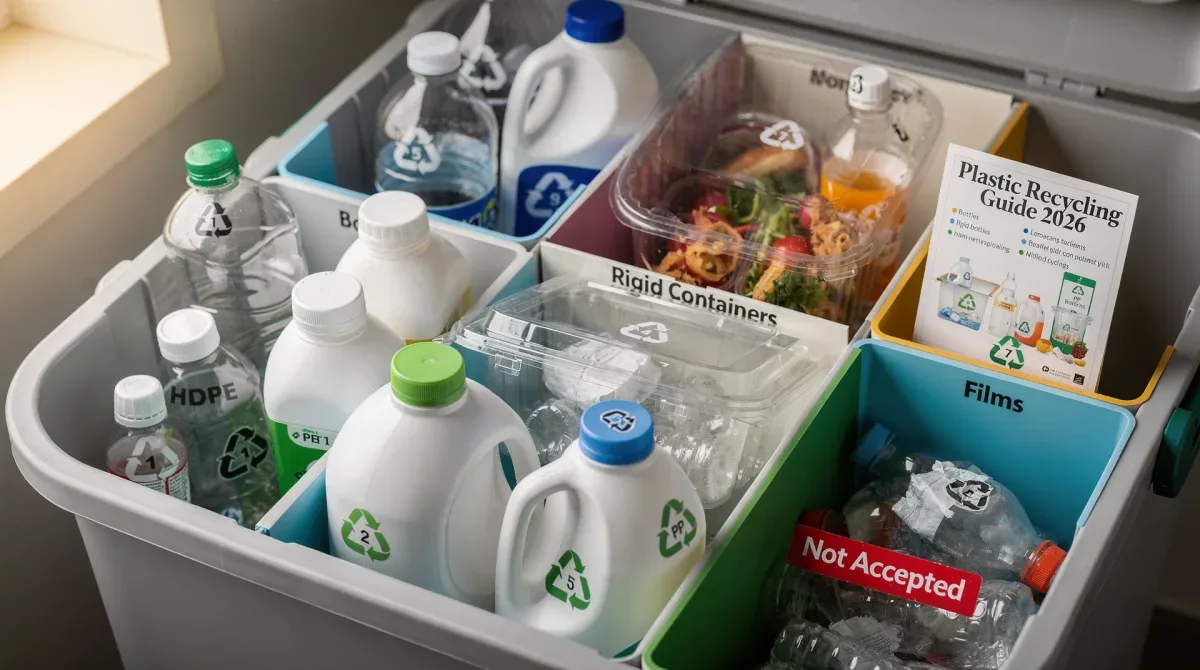
When selecting containers, also think about their material. Recycled content bins are a great choice, aligning with the spirit of the recycling effort. Some brands offer systems specifically designed for multi-stream recycling, which can simplify the setup process considerably. Remember, a well-chosen container system is the backbone of an effective 5-zone home recycling station.
Zone 1: Plastics – Navigating New Categories
Plastic recycling is undergoing some of the most significant changes under the 2026 packaging standards. No longer is it a simple matter of tossing all plastics into one bin. The new guidelines emphasize sorting plastics by resin type, often identified by the chasing arrows symbol with a number inside. This precision is vital for effective mechanical recycling and to prevent downcycling, where plastics lose quality with each recycling cycle.
The primary goal is to separate high-value, easily recyclable plastics from those that are more challenging or require specialized processing. This ensures that valuable resources are recovered efficiently and contamination is minimized at the processing plants. Understanding these distinctions at home will directly impact the success of your recycling efforts.
Common Plastic Types and Their Requirements
You’ll typically encounter several common plastic types, each with its own recycling requirements:
- PET (Polyethylene Terephthalate - #1): Commonly found in soda bottles, water bottles, and some food containers. Generally widely accepted.
- HDPE (High-Density Polyethylene - #2): Used for milk jugs, detergent bottles, and some plastic bags. Also widely accepted.
- PP (Polypropylene - #5): Found in yogurt cups, butter tubs, and some bottle caps. Acceptance varies, so check local guidelines.
Other plastics, such as PVC (#3), LDPE (#4), PS (#6), and 'Other' (#7), often have more limited recycling options. It's crucial to check your local municipality's specific guidelines, as acceptance can vary significantly by region. Many communities now have dedicated drop-off points for harder-to-recycle plastics, or specific rules for film plastics.
To implement this in your 5-zone home recycling station, consider having a primary plastic bin for #1 and #2, and a smaller, separate container for #5, if accepted locally. For other plastic types, it might be necessary to collect them for special drop-off events or dispose of them according to local non-recyclable waste guidelines. Always rinse plastic containers to remove food residue, as contamination can lead to entire batches being rejected.
Zone 2 & 3: Paper and Glass – Best Practices
Paper and glass remain cornerstone materials in home recycling, and while their fundamental collection methods haven't drastically changed, the 2026 standards reinforce the importance of cleanliness and proper preparation. These two zones are often simpler to manage than plastics, but attention to detail is still critical to ensure their recyclability. Contamination from food, grease, or non-recyclable components can easily render these materials unusable for reprocessing.
For paper, the focus is on keeping it dry and free from food waste. For glass, it's about rinsing and removing non-glass elements. By following these best practices, you contribute to a higher quality stream of recycled material, which is more valuable and easier for processing facilities to handle. This efficiency directly impacts the environmental benefits of recycling.
Optimizing Paper Recycling
Your paper recycling zone should accommodate various types of paper, including:
- Cardboard: Flattened boxes are essential to save space.
- Mixed Paper: Magazines, newspapers, junk mail, and office paper.
- Paperboard: Cereal boxes, tissue boxes (remove plastic liners).
Avoid recycling paper that is heavily soiled with food, grease, or chemicals, as these can contaminate entire loads. Shredded paper is often accepted but should be contained within a paper bag to prevent it from scattering and clogging machinery. Keep your paper bin in a dry area to prevent mold and mildew, which can degrade the paper fibers and make them unrecyclable.
Glass Recycling Guidelines
Glass recycling is generally straightforward, but a few rules apply:
- Rinse Bottles and Jars: Remove any food or beverage residue.
- Remove Lids and Caps: These are often made of metal or plastic and should be recycled separately or disposed of.
- No Broken Glass: Check local rules; some facilities do not accept broken glass due to safety concerns.
- Color Separation (Optional): Some municipalities prefer glass separated by color (clear, brown, green), but many accept mixed colors.
Items like ceramics, Pyrex, window glass, and mirrors are generally not recyclable with regular glass due to different melting points and chemical compositions. Ensure your glass recycling zone in your 5-zone home recycling station is robust enough to hold the weight of glass items and is easily accessible for cleaning.
Zone 4 & 5: Metals and Organics – Completing Your System
The final two zones in your 5-zone home recycling station, metals and organics, are equally vital for a comprehensive and compliant system under the 2026 standards. Metals, particularly aluminum and steel, are infinitely recyclable and incredibly valuable resources. Organic waste, encompassing food scraps and yard waste, represents a significant portion of household waste that can be diverted from landfills through composting or anaerobic digestion, turning potential waste into valuable soil amendments or energy.
Integrating these zones effectively not only reduces your environmental footprint but also often leads to a noticeable reduction in the volume of your general trash. Proper handling of organics, in particular, can also mitigate issues like odors and pests, making your recycling efforts more pleasant and sustainable.
Metal Recycling: Aluminum and Steel
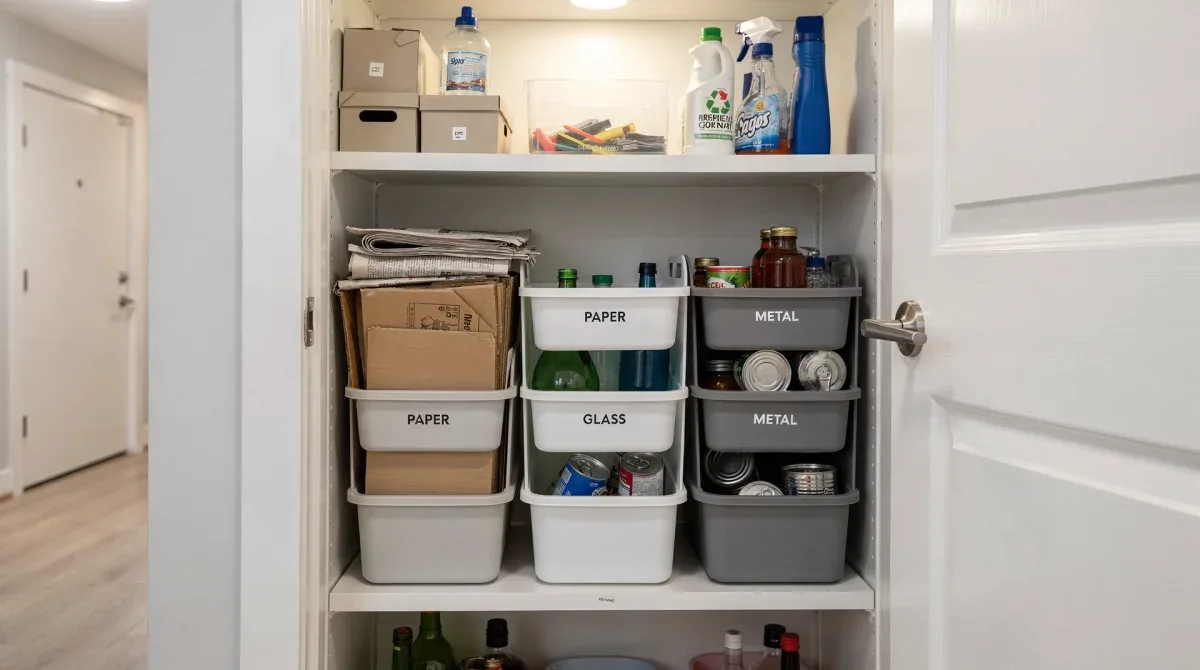
Metal recycling is highly efficient and impactful. The main types of metals you’ll be recycling at home are:
- Aluminum Cans: Beverage cans are universally accepted. Rinsing them is a good practice.
- Steel/Tin Cans: Food cans (e.g., soup, vegetable cans). Rinse thoroughly.
- Aluminum Foil and Trays: Often accepted if clean and free of food residue. Ball up foil to create a larger, easier-to-sort item.
Items like electronics, batteries, and scrap metal are typically not accepted in curbside metal recycling bins and require special drop-off locations. Ensure that your metal bin is sturdy and can handle the weight without issues. Collecting metals separately ensures they don't contaminate other streams and are fully recovered.
Organic Waste: Composting and Food Scraps
The organic waste zone is perhaps the most impactful for reducing landfill volume and methane emissions. This zone typically includes:
- Food Scraps: Vegetable and fruit peels, coffee grounds, eggshells, leftovers.
- Yard Waste: Leaves, grass clippings, small branches (if you have a composting system).
For food scraps, a small countertop compost bin with a lid is ideal for daily collection, which can then be transferred to a larger outdoor compost pile or a municipal organic waste collection bin. Many cities are expanding their organic waste collection programs, so check your local services. Composting not only diverts waste but also creates nutrient-rich soil for gardens. This zone, while sometimes requiring a bit more effort, offers significant environmental returns.
Maintaining and Optimizing Your Recycling Station
Once your 5-zone home recycling station is set up, ongoing maintenance and optimization are key to its long-term success. Recycling isn't a one-time task; it's a continuous habit that requires periodic review and adjustment. As new products enter the market and local guidelines evolve, staying informed and adapting your system will ensure you remain compliant and efficient. A well-maintained station is also more pleasant to use, encouraging consistent participation from all household members.
Regular cleaning of your bins is crucial, especially for organic waste and rinsed containers, to prevent odors and pests. Establishing a routine for emptying each zone will prevent overflow and maintain a tidy appearance. Think of your recycling station as an integral part of your home management, deserving of the same attention as other household chores.
Tips for Long-Term Efficiency
To keep your recycling station running smoothly, consider these tips:
- Regular Cleaning: Wash bins periodically with soap and water, especially those for organics and food-contact recyclables.
- Clear Labeling: Ensure all bins are clearly labeled with the accepted materials to avoid confusion, especially for guests or new household members.
- Education: Regularly review local recycling guidelines and educate your household on any updates or changes.
- Consolidation: Designate a central collection point for emptying smaller bins into larger, outdoor containers if you have them.
Periodically assess the volume of each waste stream to ensure your bin sizes are still appropriate. If one bin is consistently overflowing, it might be time to upgrade its capacity or adjust your sorting habits. Flexibility and a willingness to adapt are crucial for an optimized recycling system.
Beyond the Bins: Making Recycling a Lifestyle
Organizing a 5-zone home recycling station is a fantastic step, but true sustainability extends beyond just sorting waste. It involves a holistic approach to consumption and waste generation, making recycling an integral part of a larger eco-conscious lifestyle. The 2026 packaging standards are not just about what we do with our waste, but also about encouraging us to rethink our purchasing habits and reduce waste at the source. This upstream thinking is where the greatest impact lies.
By embracing this mindset, you not only comply with regulations but become an active participant in creating a more sustainable future. Every conscious choice, from buying in bulk to choosing products with minimal packaging, contributes to a larger positive change. Your recycling station becomes a symbol of this commitment.
Reducing Waste at the Source
Consider these practices to reduce waste before it even reaches your recycling station:
- Buy in Bulk: Reduce packaging by purchasing items in larger quantities or from bulk bins.
- Choose Reusables: Opt for reusable bags, water bottles, coffee cups, and food containers.
- Repair and Reuse: Extend the life of items by repairing them instead of discarding them. Donate or repurpose items you no longer need.
- Mindful Consumption: Ask yourself if you truly need an item before purchasing it, and consider its entire lifecycle.
Engaging with local community initiatives, such as farmers' markets or repair cafes, can further support a waste-reducing lifestyle. These venues often provide opportunities to buy unpackaged goods, learn repair skills, or exchange items, fostering a sense of community around sustainable practices. By integrating these habits, your home recycling station becomes part of a broader, more impactful commitment to environmental stewardship.
| Key Recycling Zone | Brief Description |
|---|---|
| Plastics (Zone 1) | Separate by resin type (#1, #2, #5) and check local guidelines for acceptance. Rinse containers. |
| Paper (Zone 2) | Keep dry, flatten cardboard, avoid food-soiled paper. Includes mixed paper and paperboard. |
| Glass (Zone 3) | Rinse bottles/jars, remove lids, no broken glass. Excludes ceramics, Pyrex. |
| Metals (Zone 4) & Organics (Zone 5) | Metals: rinse aluminum/steel cans. Organics: compost food scraps, yard waste. |
Frequently Asked Questions About Home Recycling
Why are the 2026 packaging standards important for home recycling?▼The 2026 packaging standards aim to improve recycling efficiency and reduce contamination by promoting clearer labeling and simpler material compositions. For homes, this means more precise sorting is required, ensuring that materials are properly recovered and reused, supporting a circular economy.
What are the five essential zones for a home recycling station?▼The five essential zones are typically for plastics, paper, glass, metals, and organic waste. Each zone requires dedicated containers and adherence to specific preparation guidelines. This multi-zone approach ensures optimal separation and reduces the risk of cross-contamination, crucial for effective recycling.
How should I handle different types of plastics under the new standards?▼Under the new standards, plastics should be sorted by resin type, often identified by numbers #1 (PET), #2 (HDPE), and #5 (PP). Rinse all containers thoroughly. Check local guidelines for acceptance of less common plastic types, as some may require special drop-offs or disposal.
What are the best practices for recycling paper and glass?▼For paper, keep it dry, flatten cardboard, and avoid food-soiled items. For glass, rinse bottles and jars, remove lids, and check local rules regarding broken glass or color separation. Avoid recycling non-glass items like ceramics with your glass.
How can I effectively manage organic waste in my recycling station?▼Manage organic waste by using a small countertop compost bin for food scraps, which can then be transferred to a larger outdoor compost pile or municipal collection. This diverts significant waste from landfills, reduces methane emissions, and can produce valuable compost for gardening.
Conclusion
Organizing a 5-zone home recycling station is more than just a chore; it's a proactive step towards meeting the updated 2026 packaging standards and fostering a more sustainable lifestyle. By meticulously separating plastics, paper, glass, metals, and organic waste, you play a critical role in reducing landfill waste, conserving resources, and promoting a circular economy. This guide provides the practical knowledge to set up and maintain an efficient system, ensuring your household contributes meaningfully to environmental stewardship. Embrace these changes, and transform your home into a model of responsible consumption and waste management.