Monochrome Dressing 2026: Texture Mixing Formulas
Advertisements
Monochrome dressing in 2026 transcends simple color matching, evolving into an art of texture mixing to create depth and visual interest within a single hue, offering sophisticated and modern styling possibilities.
Welcome to the forefront of fashion in 2026, where the art of monochrome dressing in 2026: 4 styling formulas for mixing textures across a single color is redefining sophistication. This isn't just about wearing one color; it's about crafting a narrative with fabric, creating visual depth, and elevating your style through intelligent texture play. Prepare to transform your wardrobe with these innovative approaches.
The enduring allure of monochrome dressing
Monochrome dressing has always held a special place in the fashion lexicon, symbolizing elegance, simplicity, and a refined aesthetic. In 2026, its appeal has only deepened, moving beyond mere color coordination to embrace a more nuanced approach. This evolution is driven by a desire for outfits that are both impactful and understated, allowing the wearer's personality to shine through subtle details rather than overt statements.
The beauty of a single-color palette lies in its ability to streamline your silhouette and create a cohesive, polished look. However, without careful consideration, a monochrome outfit can sometimes fall flat, lacking the vibrancy and dimension that truly makes a statement. This is where texture mixing becomes paramount. By incorporating various fabrics, from the softest silks to the roughest knits, we introduce a tactile and visual richness that elevates the entire ensemble, making it far more compelling than a simple block of color.
The fashion landscape of 2026 emphasizes thoughtful construction and sensory engagement. Designers are increasingly focusing on fabric innovation and the inherent qualities of materials. This shift encourages individuals to think beyond color and pattern, urging them to explore how different textures interact, reflect light, and drape on the body. The result is a more sophisticated and mature approach to personal style, where the subtle interplay of materials speaks volumes.
Ultimately, the enduring allure of monochrome dressing in 2026 lies in its versatility and potential for personal expression. It provides a clean canvas upon which to experiment with form, silhouette, and most importantly, texture. This approach ensures that your single-color outfits are anything but one-dimensional; they are dynamic, engaging, and deeply stylish expressions of contemporary fashion.

Formula 1: high-contrast textures for maximum impact
Our first styling formula for monochrome dressing in 2026 focuses on creating maximum visual impact through high-contrast textures. This approach is about pairing materials that are fundamentally different in their tactile and visual properties, generating an immediate sense of depth and intrigue within a single color palette. Think about the juxtaposition of smooth and rough, soft and rigid, matte and shiny.
The key to success with high-contrast textures is intentionality. You want each piece to stand out for its unique material quality while still harmonizing within the chosen color. This isn't about clashing; it's about creating a dynamic dialogue between fabrics that share a common hue. For instance, a sleek leather skirt paired with a chunky knit sweater in the same shade of emerald green offers a striking contrast that is both modern and luxurious. The smooth, reflective surface of the leather plays beautifully against the soft, intricate loops of the knit, preventing the outfit from appearing flat.
Strategic pairings for visual depth
- Leather and knit: A classic high-contrast duo. Imagine a structured leather blazer over a ribbed cashmere top.
- Silk and wool: The fluid elegance of silk against the cozy, matte finish of wool creates a sophisticated balance.
- Denim and lace: For a more casual yet impactful look, consider dark wash denim with delicate lace details in the same color.
- Sequin and cotton: A bold choice, where the dazzling shimmer of sequins meets the understated comfort of cotton.
When implementing this formula, consider the weight and drape of each fabric. A heavy, structured piece can anchor a lighter, more ethereal one, adding architectural interest to your monochrome look. For example, a crisp cotton poplin shirt layered under a heavy velvet blazer in a deep burgundy creates an intriguing interplay of textures and forms.
This formula encourages boldness and experimentation. Don't shy away from unexpected combinations; often, the most surprising pairings yield the most stylish results. The goal is to make each texture a star in its own right, contributing to a cohesive and visually rich monochrome narrative. The dramatic contrast ensures that your single-color outfit is anything but monotonous.
Formula 2: subtle variations with similar textures
Moving from bold statements, our second formula delves into the art of subtle variations, focusing on mixing textures that are similar yet distinct. This approach creates a more understated, sophisticated depth, relying on nuance rather than overt contrast. It's about building richness through slight differences in weave, finish, and weight within a closely related family of fabrics, all within your chosen single color.
Imagine dressing in shades of deep charcoal. Instead of pairing leather with knit, you might combine a brushed wool coat, a fine merino wool sweater, and a pair of tailored wool flannel trousers. Each piece is wool-based, yet their finishes and weights are subtly different. The brushed wool offers a soft, slightly fuzzy surface; the merino sweater is smooth and finely woven; and the flannel trousers have a distinct, slightly napped texture. Together, they create a harmonious ensemble that is rich in detail without being loud.
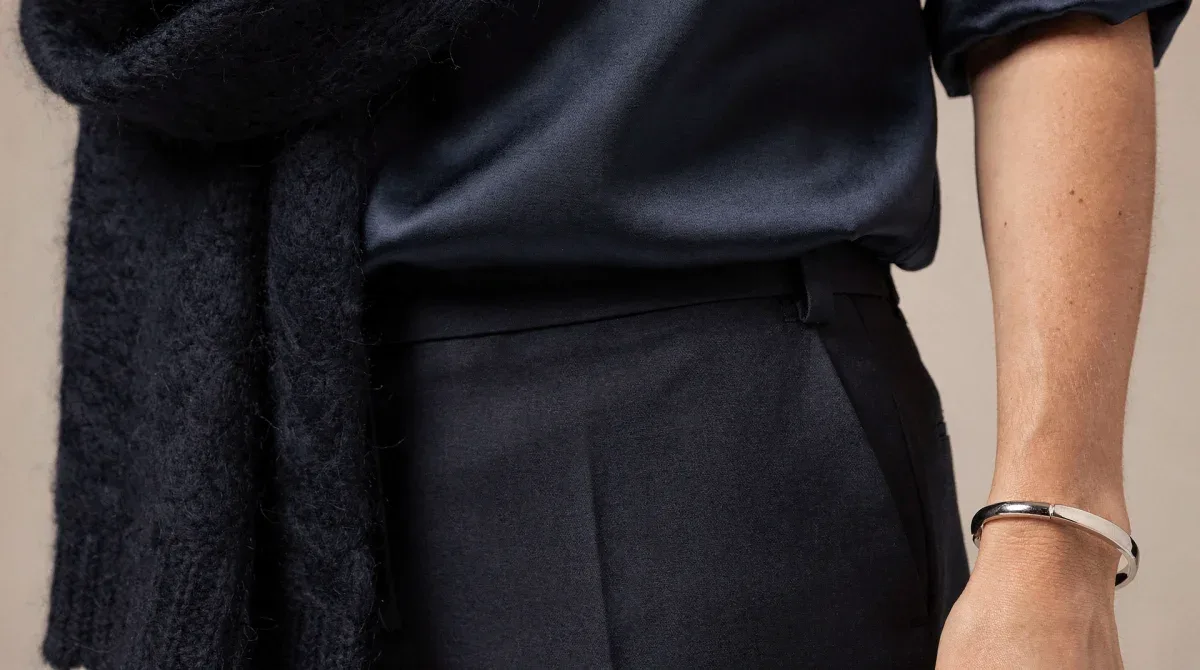
Crafting depth through subtle differences
The beauty of this formula lies in its ability to create an incredibly luxurious and refined aesthetic. It speaks to a deep understanding of fabrics and a sophisticated eye for detail. This approach is particularly effective for professional settings or occasions where an elegant, polished look is desired. It demonstrates an effortless chic that comes from thoughtful curation rather than flashy elements.
- Cotton family: Combine crisp cotton poplin, soft cotton jersey, and textured cotton twill in a single white outfit.
- Knit variations: Layer a fine gauge knit top under a chunky cable-knit cardigan, both in a soothing beige.
- Silk blends: Mix a pure silk blouse with a silk-blend satin skirt and a silk-wool blend scarf for a luxurious feel.
When selecting pieces for this formula, pay close attention to the way light interacts with each fabric. Even subtle differences in sheen or absorbency can create visual interest. A matte crepe fabric next to a slightly lustrous georgette, for example, can add a quiet dynamism to a monochrome look. The goal is to build an outfit that reveals its complexity upon closer inspection, offering a sophisticated visual journey within a single hue.
This formula proves that powerful style doesn't always require overt declarations. Sometimes, the most impactful statements are made through subtle, intelligent choices, allowing the inherent beauty and quality of the materials to speak for themselves. It’s a testament to the idea that true elegance lies in the details.
Formula 3: playful layering with sheer and opaque textures
Our third formula injects a dynamic and modern edge into monochrome dressing through the playful layering of sheer and opaque textures. This technique is all about creating visual intrigue, revealing and concealing elements, and adding a sense of lightness and movement to a single-color ensemble. It's a particularly effective strategy for 2026, as transparency and multi-layered looks continue to gain prominence in fashion.
Imagine a vibrant cobalt blue outfit. You could start with an opaque base, perhaps tailored trousers and a camisole in a solid, substantial fabric. Over this, you might layer a sheer, flowing tunic or an organza blouse in the exact same shade. The transparency of the outer layer allows the opaque pieces beneath to peek through, creating an ethereal quality and adding visual depth that a single opaque layer simply cannot achieve. This interplay of visibility and hidden elements makes the outfit far more captivating.
Building depth with transparency
- Sheer blouses over camisoles: A delicate chiffon or silk organza blouse layered over a solid tank top or bralette.
- Mesh details: Incorporate pieces with mesh panels or full mesh tops layered over opaque garments for a sporty, modern vibe.
- Lace overlays: A lace skirt layered over a solid slip, or a lace dress over opaque leggings and a top.
- Transparent outerwear: A clear PVC or sheer trench coat over a fully opaque outfit adds an unexpected, futuristic touch.
This formula is not just about aesthetics; it's also about functionality. Sheer layers can add warmth without bulk, or provide coverage while maintaining a light and airy feel. They allow for a more dynamic silhouette, as the fabric moves differently from the more structured opaque pieces. The key is to ensure that both the sheer and opaque elements are in the same color, creating a cohesive yet multi-faceted look.
When experimenting with sheer and opaque textures, consider the occasion and your comfort level. While a full sheer overlay might be perfect for a fashion-forward event, a more subtle approach with sheer sleeves or paneling might be better suited for daily wear. The goal is to leverage the unique properties of sheer fabrics to add dimension, movement, and a touch of playful sophistication to your monochrome outfits in 2026.
Formula 4: textural accents and embellishments
The fourth styling formula for monochrome dressing in 2026 focuses on incorporating textural accents and embellishments to elevate a single-color ensemble. This approach is about adding small, impactful details that provide a tactile and visual focal point, enriching the overall look without overwhelming the monochromatic theme. It allows for creativity and personalization, turning a simple outfit into a statement piece.
Consider a minimalist black monochrome outfit—perhaps a sleek black dress or a tailored black suit. To introduce textural interest, you might add a belt with a subtle crocodile-embossed texture, a handbag with intricate beadwork, or shoes with a metallic sheen. These small additions, while still within the black color family (or a complementary metallic), provide just enough contrast to break up the uniformity and draw the eye to specific areas, showcasing a keen attention to detail.
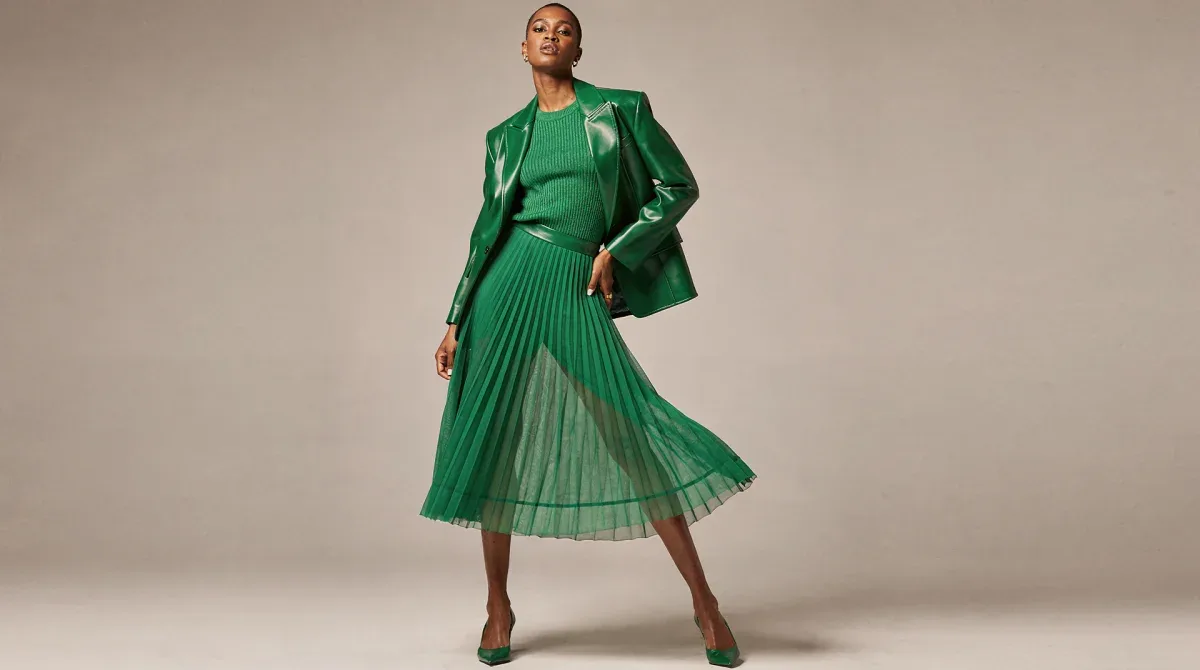
Elevating with thoughtful details
Embellishments can range from subtle to bold. A sweater with delicate embroidery, a skirt with fringed edges, or a jacket with intricate quilting can instantly transform an outfit. The key is to ensure that these textural elements complement the main fabric of your garment, adding to its story rather than distracting from it. This formula is about celebrating craftsmanship and the finer points of design.
- Embroidered details: A monochrome dress with tone-on-tone embroidery adds a rich, artisanal touch.
- Fringes or tassels: On a scarf, bag, or garment hem, these add movement and a bohemian flair.
- Hardware accents: Metallic zippers, buttons, or studs on a jacket or trousers can provide a subtle industrial texture.
- Textured accessories: A clutch made of faux fur, a velvet headband, or patent leather shoes can introduce impactful textural variations.
This formula is particularly useful for those who prefer a more minimalist base but still want to infuse their outfits with personality. It allows for versatility, as accessories can be swapped out to change the entire feel of a monochrome look. By focusing on textural accents and embellishments, you demonstrate an understanding that true style often resides in the details, making your monochrome ensemble uniquely yours.
The psychology of monochrome and texture
Beyond the aesthetics, there's a fascinating psychology behind why monochrome dressing, especially when enhanced with texture, resonates so strongly. Wearing a single color creates a powerful visual statement that often conveys confidence, authority, and intentionality. It simplifies the visual noise, allowing the observer to focus on the wearer's presence and the subtle details of their ensemble.
When textures are introduced into this single-color framework, the psychological impact intensifies. The brain processes not just the color, but also the tactile qualities suggested by the different fabrics. A smooth silk might evoke luxury and fluidity, while a chunky knit suggests comfort and approachability. The interplay of these implied sensations adds layers to the message the outfit conveys, making it more complex and intriguing. It tells a story without words, inviting a closer look and deeper appreciation.
Impact on perception and mood
- Confidence and focus: Monochrome streamlines the silhouette, drawing attention to the individual rather than disparate clothing items.
- Sophistication: The thoughtful mixing of textures elevates a simple color into a sophisticated, curated look.
- Sensory engagement: Different textures engage our sense of touch, even visually, creating a richer experience for both wearer and observer.
- Calmness and harmony: A single color palette can be inherently soothing, reducing visual clutter and promoting a sense of calm.
Furthermore, the deliberate choice to mix textures within a monochrome palette communicates a certain level of fashion savviness. It suggests that the wearer understands the nuances of style, moving beyond basic color theory to embrace a more advanced approach to dressing. This can subtly influence how one is perceived in social or professional settings, projecting an image of being detail-oriented and thoughtful.
From a personal perspective, monochrome dressing with texture can also influence mood. The harmonious nature of a single color can bring a sense of calm and order, while the varying textures keep the outfit from feeling dull, stimulating visual and tactile interest. It's a powerful tool for self-expression, allowing individuals to craft an image that aligns with their internal state and desired external projection.
Mastering the art of monochrome texture mixing in 2026
Mastering the art of monochrome dressing in 2026: 4 styling formulas for mixing textures across a single color is an exciting journey into advanced fashion. It's about moving beyond the obvious and embracing the subtle power of fabric. The key to successful texture mixing lies in experimentation and understanding how different materials interact. Don't be afraid to try combinations that might initially seem unconventional; often, these are the ones that yield the most striking and personal results.
Begin by analyzing your wardrobe for pieces in similar color families but with distinct textures. A simple exercise could be to gather all your black items and lay them out, noticing the differences between a smooth silk blouse, a matte cotton tee, a structured wool blazer, and a sleek leather skirt. Once you start to identify these textural variations, you'll find it easier to conceptualize how they can be combined to create dynamic monochrome outfits.
Key takeaways for successful styling
- Start with a base color: Choose a single color you love and have multiple pieces in.
- Identify core textures: Recognize the dominant textures in your chosen pieces (e.g., smooth, rough, shiny, matte).
- Experiment with layering: Play with how different textures feel and look when layered together.
- Accessorize thoughtfully: Use accessories to introduce additional textural interest without breaking the monochrome theme.
- Consider the occasion: Adapt your texture mixing to the formality and context of where you'll be wearing the outfit.
Remember that balance is crucial. While high-contrast textures create drama, too many competing textures can lead to a chaotic look. Similarly, while subtle variations add sophistication, too little difference might still result in a flat appearance. The goal is to find your personal sweet spot, where the textures enhance each other and contribute to a harmonious yet engaging visual narrative.
Ultimately, mastering monochrome texture mixing in 2026 is about developing an intuitive understanding of materials and how they can be used to express your unique style. It's a skill that will elevate your entire wardrobe, allowing you to create outfits that are not only fashionable but also deeply personal and visually captivating. Embrace the challenge, and watch your style transform.
| Styling Formula | Key Concept |
|---|---|
| High-Contrast Textures | Pairing fundamentally different materials like leather and knit for maximum impact. |
| Subtle Variations | Mixing similar fabrics with slight differences in weave or finish for understated depth. |
| Sheer & Opaque Layers | Creating intrigue by layering transparent fabrics over solid ones within the same color. |
| Textural Accents | Using accessories or embellishments to add focal points and tactile interest. |
Frequently asked questions about monochrome dressing
Why is texture mixing important in monochrome dressing?▼Texture mixing is crucial because it adds depth, visual interest, and sophistication to a single-color outfit. Without varied textures, a monochrome look can appear flat or one-dimensional. Different fabrics reflect light uniquely and drape differently, creating a dynamic interplay that elevates the entire ensemble, making it more engaging and stylish.
Can I mix different shades of the same color in a monochrome outfit?▼Absolutely. While strict monochrome often implies identical shades, mixing subtle variations within the same color family (e.g., light blue with navy) is an excellent way to add even more complexity and depth. This technique can soften the overall look and provide a gentle transition between different textured pieces, enhancing visual appeal.
What are some easy textures to start mixing for beginners?▼For beginners, start with easily distinguishable textures like smooth satin or silk with a cozy knit (wool or cashmere). Another great combination is structured denim with a soft cotton jersey. These pairings offer clear contrast, making it simpler to see the immediate impact of texture mixing and build confidence in your styling choices.
How do accessories play a role in monochrome texture mixing?▼Accessories are vital for enhancing monochrome texture mixing. A textured bag (e.g., embossed leather, woven straw), a metallic belt, or shoes with a unique finish (e.g., patent leather, suede) can introduce additional tactile interest without breaking the single-color theme. They act as focal points, adding layers of sophistication and personal flair.
Is monochrome dressing suitable for all body types?▼Yes, monochrome dressing is highly versatile and suitable for all body types. It creates a continuous visual line, which can elongate the silhouette and make you appear taller and leaner. By strategically mixing textures, you can also add volume or streamline areas as desired, making it a flattering and adaptable styling choice for everyone.
Conclusion
As we navigate the fashion landscape of 2026, it's clear that monochrome dressing in 2026: 4 styling formulas for mixing textures across a single color is more than a fleeting trend; it's a refined art form. By thoughtfully integrating high-contrast fabrics, subtle textural variations, playful sheer and opaque layers, and impactful embellishments, you can transform simple single-color outfits into sophisticated, dynamic statements. This approach not only elevates your personal style but also allows for a deeper, more sensory engagement with your wardrobe, ensuring your looks are always captivating and uniquely yours.
