Leather Alternatives: Plant-Based Outerwear Design
Advertisements
Leather Alternatives Compared: 4 Plant-Based Materials Changing Outerwear Design This Season are redefining sustainable fashion by offering innovative, ethical, and high-performance options for outerwear, moving beyond traditional animal-derived products.
The landscape of fashion is rapidly evolving, driven by an increasing demand for sustainable and ethical practices. This season, designers are embracing a new frontier, with Leather Alternatives Compared: 4 Plant-Based Materials Changing Outerwear Design This Season becoming a pivotal trend. These innovative materials not only offer a cruelty-free option but also bring unique aesthetic and performance qualities that challenge the dominance of traditional leather.
The rise of plant-based leather in outerwear
The fashion industry's commitment to sustainability has propelled plant-based leather alternatives into the spotlight, especially within the outerwear sector. These materials are not merely substitutes; they represent a paradigm shift in how garments are conceived and produced, addressing environmental concerns from animal welfare to resource consumption.
Historically, leather production has been associated with significant environmental impacts, including deforestation, water pollution, and greenhouse gas emissions. The advent of plant-based alternatives offers a compelling solution, providing designers with a rich palette of textures, finishes, and performance characteristics that rival or even surpass conventional leather.
Why plant-based alternatives are gaining traction
- Environmental Footprint Reduction: Plant-based options often require less water, land, and energy compared to animal leather, significantly lowering their carbon footprint.
- Ethical Production: They eliminate the ethical concerns associated with animal farming and slaughter, appealing to a growing consumer base that prioritizes animal welfare.
- Innovation and Versatility: Ongoing research and development are yielding materials with diverse properties, from waterproof and breathable to exceptionally soft and durable, expanding design possibilities.
- Consumer Demand: A global shift towards conscious consumption means consumers are actively seeking sustainable and ethical products, driving market demand for these alternatives.
The integration of these materials into outerwear is particularly exciting. Outerwear demands durability, weather resistance, and aesthetic appeal, qualities that plant-based leathers are increasingly able to deliver. This evolution is not just about avoiding animal products; it's about creating superior, more responsible garments that meet the demands of modern life and style.

Piñatex: the pineapple leaf innovation
Piñatex stands out as a pioneering plant-based leather alternative, ingeniously crafted from the cellulose fibers extracted from pineapple leaves. This innovative material not only repurposes agricultural waste but also offers a durable and versatile option for outerwear, showcasing a unique textured finish that distinguishes it from traditional leather.
The process of creating Piñatex begins with harvesting pineapple leaves, which are a byproduct of existing pineapple harvests. This means no additional land, water, or pesticides are required for its raw material, making it an inherently sustainable choice. The long fibers are extracted and then felted to create a non-woven mesh, which forms the base of the material.
From agricultural waste to high fashion
The transformation of pineapple leaves into a luxurious material for outerwear exemplifies circular economy principles. Instead of being discarded, these leaves find a new life, contributing to a more sustainable fashion ecosystem. Piñatex is then finished with a resin coating to provide durability and water resistance, crucial properties for outerwear.
- Sustainability: Utilizes agricultural waste, reducing environmental impact and supporting pineapple farming communities.
- Durability: Offers a robust and resilient material suitable for various outerwear applications, from jackets to accessories.
- Unique Aesthetic: Possesses a distinctive texture and appearance, allowing designers to create unique and sophisticated pieces.
- Breathability: Unlike some synthetic leathers, Piñatex maintains a degree of breathability, enhancing comfort for the wearer.
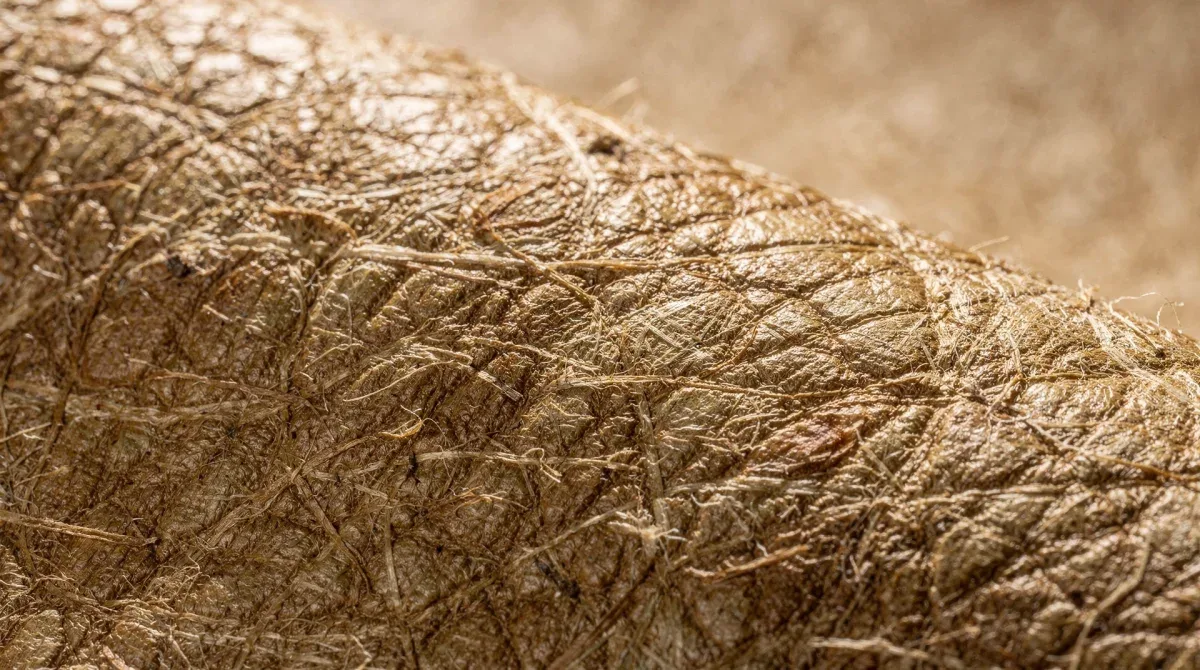
Designers are increasingly incorporating Piñatex into their collections, drawn by its eco-friendly credentials and aesthetic appeal. It proves that sustainability does not compromise style or performance, offering a viable and fashionable alternative for outerwear that resonates with environmentally conscious consumers. Its ability to mimic the drape and feel of leather while being entirely plant-based makes it a formidable contender in the sustainable fashion arena.
Mushroom leather: Mylo and beyond
Mushroom leather, particularly innovations like Mylo, represents a groundbreaking advancement in plant-based materials, leveraging the mycelium network of fungi to create a remarkably soft, pliable, and sustainable leather alternative. This biomaterial is cultivated in a controlled environment, offering a scalable and environmentally friendly solution for the fashion industry, especially for outerwear.
Mycelium is the intricate root structure of mushrooms, which can be grown rapidly and efficiently. By optimizing growth conditions, scientists and material innovators can guide the mycelium to form a dense, interconnected network that, once processed, resembles animal leather in both appearance and feel. This cultivation process is significantly less resource-intensive than traditional leather production.
The science of sustainable fungi fashion
The development of mushroom leather is a testament to biomimicry, where nature's designs inspire human innovation. Mylo, for instance, is produced in vertical farming facilities, drastically reducing land and water usage. The resulting material is not only soft and supple but also strong and durable, making it ideal for the rigors of outerwear.
- Rapid Growth: Mycelium grows quickly, allowing for efficient production cycles and scalability to meet industry demand.
- Low Environmental Impact: Requires minimal land, water, and energy, with a significantly smaller carbon footprint than animal leather.
- Versatile Texture: Can be engineered to exhibit various textures and finishes, from smooth to pebbled, offering design flexibility.
- Biodegradability: As a natural material, mushroom leather has the potential to be biodegradable, contributing to a circular economy.

The adoption of mushroom leather by major fashion brands underscores its potential to revolutionize outerwear. Its luxurious hand-feel combined with its strong sustainability profile makes it a highly desirable material. This fungi-based innovation is not just an alternative; it's a step forward in creating truly sustainable and high-performance fashion, pushing the boundaries of what is possible in design and material science.
AppleSkin: utilizing fruit waste for fashion
AppleSkin is another ingenious plant-based leather alternative that addresses both environmental waste and the demand for sustainable fashion. This material is derived from the pomace, or residual pulp, of apples left over from the fruit juice and compote industry. By repurposing this waste, AppleSkin transforms an otherwise discarded resource into a valuable textile for outerwear.
The process involves drying the apple pomace and then grinding it into a fine powder. This powder is then mixed with a binder and applied to a cotton or polyester base, creating a material that mimics the look and feel of traditional leather. This innovative approach reduces food waste and offers a compelling eco-friendly option for designers.
From orchard to atelier: a sustainable journey
The journey of AppleSkin from agricultural byproduct to a sophisticated fashion material highlights the potential for creativity and sustainability in material science. It offers a smooth, soft touch that is particularly appealing for outerwear, providing comfort without compromising on durability or style.
- Waste Reduction: Effectively upcycles apple industry waste, minimizing environmental impact and promoting a circular economy.
- Soft Hand-Feel: Known for its pleasant, smooth texture, making it comfortable for wear and appealing for luxury items.
- Variety of Finishes: Can be produced in various colors and finishes, offering flexibility for diverse design aesthetics.
- Water-Resistant: Often treated to provide a degree of water resistance, making it practical for outerwear applications.
AppleSkin's growing presence in the fashion industry, especially in outerwear, demonstrates a clear commitment to innovative sustainability. It provides a tangible example of how industries can collaborate to reduce waste and create beautiful, functional products. This material offers a compelling blend of eco-consciousness and aesthetic appeal, making it a favorite among designers seeking ethical and stylish solutions.
Cactus leather: Desserto's prickly innovation
Cactus leather, particularly the brand Desserto, has emerged as a remarkable plant-based alternative, offering a highly sustainable and aesthetically pleasing option for outerwear. This innovative material is derived from nopal cactus leaves, which are abundant in Mexico and require minimal water and resources to grow, presenting a robust solution to the environmental challenges of traditional leather.
The process of creating Desserto involves harvesting mature cactus leaves, which are then cleaned, mashed, and sun-dried. This natural drying process eliminates the need for energy-intensive artificial dryers. The resulting organic material is then processed into a textile that is not only soft and flexible but also incredibly durable, making it ideal for high-performance outerwear.
Sustainability rooted in the desert
Desserto's production method is inherently sustainable, reflecting a deep respect for natural resources. The nopal cactus is a resilient plant that thrives in arid conditions, requiring very little water compared to other crops. This makes cactus leather a particularly attractive option for sustainable fashion, minimizing environmental strain.
- Low Water Consumption: Nopal cacti require significantly less water than traditional crops, making it an environmentally sound choice.
- Durability: Offers excellent resistance to abrasion, tearing, and stretching, ensuring longevity for outerwear garments.
- Softness and Flexibility: Provides a luxurious hand-feel that is comparable to animal leather, enhancing comfort and drape.
- Breathability: The natural properties of the cactus allow for a degree of breathability, contributing to wearer comfort.
Cactus leather is quickly gaining traction in the fashion world, with brands recognizing its superior qualities and strong sustainability credentials. Its ability to perform robustly in outerwear, coupled with its elegant appearance, positions it as a leading contender in the race for truly sustainable materials. Desserto proves that innovation can thrive in harmony with nature, offering a responsible and stylish choice for the future of fashion.
The future of outerwear: blending sustainability and style
The emergence of plant-based leather alternatives is not just a passing trend; it signifies a fundamental shift in the fashion industry, particularly in outerwear. These materials are paving the way for a future where sustainability and high style are not mutually exclusive but intrinsically linked. As consumer awareness grows and technological advancements continue, the adoption of these innovative materials will only accelerate.
Designers are increasingly challenged to create garments that are not only aesthetically pleasing but also ethically produced and environmentally responsible. Plant-based leathers offer a powerful solution, enabling the creation of outerwear that meets these complex demands. From the unique textures of Piñatex to the luxurious feel of mushroom leather, the options are diverse and exciting.
Key drivers for widespread adoption
- Technological Advancements: Ongoing research improves material performance, making them more durable, versatile, and cost-effective.
- Ethical Consumerism: A growing segment of consumers prioritizes products that align with their values, driving demand for cruelty-free and eco-friendly options.
- Brand Commitment: Major fashion brands are investing in sustainable materials to enhance their corporate social responsibility and appeal to a broader market.
- Circular Economy Principles: These materials often fit within circular economic models, reducing waste and promoting resource efficiency.
The future of outerwear will undoubtedly feature a rich tapestry of these plant-based innovations. As manufacturing processes become more efficient and scalable, these materials will become more accessible, democratizing sustainable fashion. The blend of cutting-edge technology, ecological consciousness, and creative design is setting a new standard for the industry, promising a future where fashion is both beautiful and responsible.
Navigating choices: selecting the right plant-based alternative
Choosing the right plant-based leather alternative for outerwear involves understanding the specific properties, aesthetic qualities, and environmental impact of each material. While all offer a sustainable edge over traditional leather, their unique characteristics make them suitable for different design applications and consumer preferences. Making an informed decision is key to maximizing both style and sustainability.
For instance, if a designer is looking for a material with a distinct, natural texture and a story of repurposing agricultural waste, Piñatex might be the ideal choice. Its robust nature also makes it suitable for everyday wear. Conversely, if extreme softness and a luxurious drape are paramount, mushroom leather like Mylo could be preferred, offering a high-end feel with a minimal ecological footprint.
Factors to consider when choosing plant-based leather
- Durability and Performance: Assess the material's resistance to wear, water, and temperature fluctuations, especially for functional outerwear.
- Aesthetic Appeal: Consider the texture, finish, and natural variations of the material and how they align with the desired design vision.
- Environmental Impact: Evaluate the full lifecycle of the material, from raw material sourcing to production processes and end-of-life options.
- Cost and Scalability: Understand the production costs and the material's availability at scale to meet manufacturing demands.
- Ethical Certifications: Look for certifications that verify sustainable and ethical production practices, ensuring transparency and trust.
AppleSkin, with its smooth finish and origin from fruit waste, offers a compelling option for those prioritizing waste reduction and a refined aesthetic. Cactus leather, or Desserto, stands out for its exceptional durability and minimal water footprint, making it a strong contender for resilient and stylish outerwear. Each material brings its own set of advantages, allowing designers to align their creative vision with their sustainability goals. The careful consideration of these factors ensures that the chosen plant-based alternative not only looks good but also contributes positively to the planet.
| Material | Key Benefit |
|---|---|
| Piñatex | Repurposes pineapple leaf waste, unique texture. |
| Mushroom Leather (Mylo) | Grown from mycelium, incredibly soft and pliable. |
| AppleSkin | Utilizes apple pomace waste, smooth finish. |
| Cactus Leather (Desserto) | Made from nopal cactus, highly durable and water-efficient. |
Frequently asked questions about plant-based leather
What are the primary environmental benefits of plant-based leather alternatives?▼Plant-based leather alternatives generally offer significant environmental advantages, including reduced water consumption, lower greenhouse gas emissions, and decreased land use compared to traditional animal leather. Many also repurpose agricultural waste, contributing to a more circular economy and minimizing landfill burden, enhancing overall sustainability.
How do plant-based leathers compare to traditional leather in terms of durability?▼While traditional leather is known for its durability, modern plant-based alternatives are engineered to offer comparable, and sometimes superior, performance. Materials like cactus leather (Desserto) and Piñatex are designed to be highly resistant to abrasion, tearing, and water, making them suitable for demanding applications like outerwear and ensuring longevity.
Are plant-based leather alternatives truly cruelty-free and ethical?▼Yes, plant-based leather alternatives are inherently cruelty-free as they do not involve animal products or animal farming. Their ethical credentials extend to their production processes, which often focus on sustainable sourcing, fair labor practices, and reduced environmental impact, aligning with the values of conscious consumers and ethical fashion movements.
Can plant-based leathers be recycled or are they biodegradable?▼The biodegradability and recyclability of plant-based leathers vary depending on their composition and finishing. Materials primarily derived from natural fibers, like mycelium-based leather, often have a higher potential for biodegradability. However, many alternatives use binders or coatings that can affect their end-of-life options, prompting ongoing research for fully circular solutions.
What is the role of technology in advancing plant-based leather alternatives?▼Technology plays a crucial role in the development and refinement of plant-based leather alternatives. Innovations in material science, bio-engineering, and sustainable manufacturing processes enable the creation of materials with enhanced durability, texture, and aesthetic versatility. Technology also helps scale production efficiently and reduces the overall environmental footprint of these advanced textiles.
Conclusion
The movement towards plant-based leather alternatives is reshaping the outerwear landscape, offering innovative, sustainable, and ethical choices for designers and consumers alike. Materials such as Piñatex, mushroom leather, AppleSkin, and cactus leather are not merely replacements but represent a significant leap forward in fashion's journey towards greater responsibility. By embracing these materials, the industry is demonstrating that style, performance, and environmental stewardship can coexist harmoniously, paving the way for a more conscious and creative future in fashion.
