Master Your Weekly Grocery Shopping Run: 45-Minute Guide
Advertisements
A weekly grocery shopping run can become faster and more organized with meal planning, an aisle-by-aisle shopping list, a practical 45-minute schedule, and safe food storage habits.
A weekly grocery shopping run does not have to consume your entire afternoon or leave you wondering why your grocery bill keeps increasing.
With a practical plan, a well-organized shopping list, and a familiar store layout, you can aim to finish your shopping in approximately 45 minutes.
This guide explains how to prepare before leaving home, navigate each supermarket section, control spending, and store groceries safely afterward.
How to Plan a 45-Minute Grocery Shopping Run
Completing a weekly grocery shopping run in 45 minutes requires preparation, realistic expectations, and a clear understanding of your shopping needs.
The time required depends on store size, crowd levels, checkout lines, transportation needs, and the number of products on your list.
Rather than treating 45 minutes as a strict guarantee, use it as a practical target to organize your shopping routine.
Breaking Down the 45-Minute Shopping Schedule
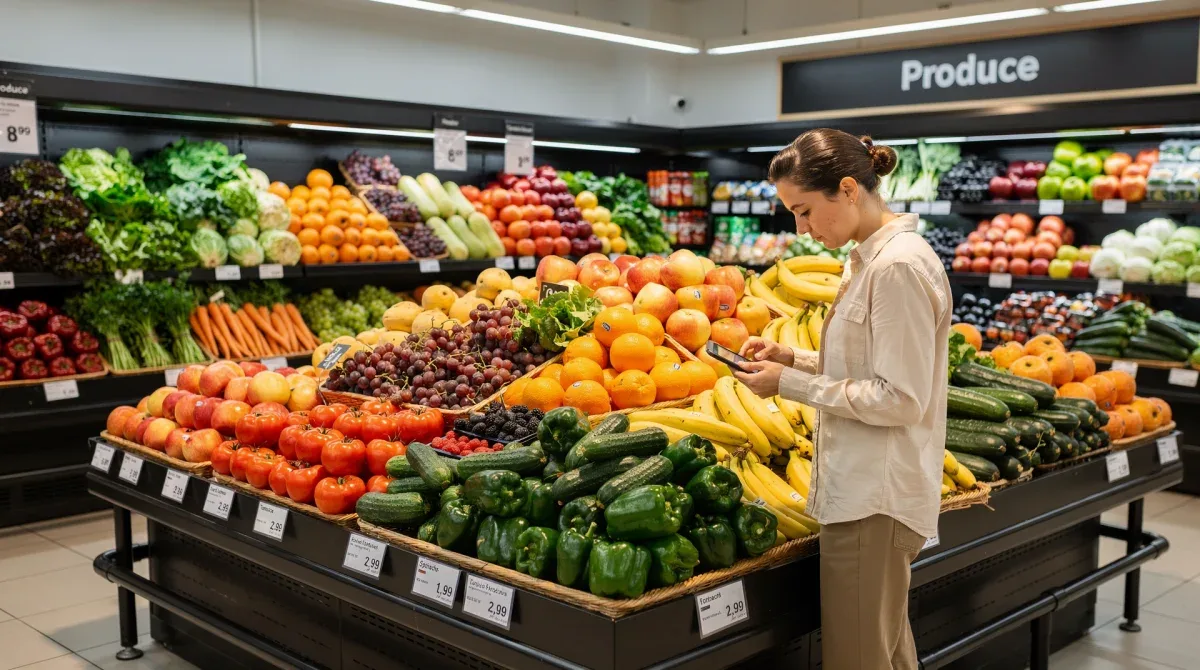
A simple approach is to reserve approximately ten minutes for fresh produce and another ten for pantry essentials and packaged foods.
Allow around ten minutes for other household products, ten minutes for refrigerated and frozen items, and five minutes for checkout.
These estimates should remain flexible because crowded stores, complicated purchases, and longer checkout lines may require additional time.
The Strategic Pre-Shopping Blueprint
Preparation is the foundation of an efficient weekly grocery shopping run, especially when you want to reduce unnecessary purchases.
Checking your kitchen inventory and deciding what to cook prevents forgotten ingredients and repeated visits to the supermarket.
These simple habits help transform grocery shopping into a predictable task rather than a collection of last-minute decisions.
Crafting Your Meal Plan for the Week
Start by selecting meals for the next several days, considering breakfasts, lunches, dinners, snacks, and any planned leftovers.
Choose recipes that share ingredients, such as vegetables, rice, beans, chicken, or pasta, to simplify preparation and reduce waste.
For additional ideas, explore meal planning strategies to save on groceries before creating your shopping list.
Planning Meals Around Your Schedule
Busy workdays may require simple recipes, while weekends can provide more time for preparing larger meals or batch cooking.
Consider how many people will eat at home and whether anyone needs packed lunches or meals prepared in advance.
A realistic meal plan supports your weekly grocery shopping run by identifying the ingredients you genuinely need.
Inventory and List Creation: The Core of Efficiency
Before shopping, inspect your refrigerator, freezer, cabinets, and pantry to identify products that are already available.
Checking existing supplies reduces duplicate purchases and encourages you to use ingredients before they deteriorate or expire.
This preparation makes your weekly grocery shopping run more focused and helps prevent unnecessary household spending.
Organizing Your List by Aisle
Arrange your shopping list according to the layout of the supermarket you visit most frequently.
Group products into sections such as produce, pantry staples, household supplies, dairy, meat, and frozen foods.
An aisle-based list helps minimize backtracking, allowing you to move through the store without repeatedly searching for forgotten items.
Using a Digital or Paper Shopping List
Digital shopping lists can be convenient for households where multiple people contribute products throughout the week.
Paper lists remain useful for shoppers who prefer a simple format without checking their phones while navigating aisles.
Either option can improve your weekly grocery shopping run when products are grouped clearly and quantities are specified.
Starting Your Grocery Shopping Run Efficiently
Arriving with a completed list helps you begin shopping immediately rather than spending time deciding what to purchase.
Choose a cart or basket appropriate for your shopping volume and review the store layout before entering the first aisle.
For a faster weekly grocery shopping run, follow a consistent route while allowing flexibility for the supermarket's organization.
Choosing the Best Time to Shop
Less crowded shopping periods may reduce the time spent navigating aisles and waiting at the checkout.
However, quiet hours vary by store location, staffing, delivery schedules, and local customer habits.
Observe your preferred supermarket over several visits to identify shopping times that work best for your schedule.
Produce Section: Selecting Fresh Fruits and Vegetables
Fresh produce is often one of the first sections customers encounter when entering a traditional supermarket.
Choose fruits and vegetables based on your meal plan, household preferences, and how quickly you expect to consume them.
During your weekly grocery shopping run, avoid buying excessive quantities simply because an attractive promotion is available.
How to Select Produce Quickly
Check fruits and vegetables for visible damage, excessive softness, or signs of deterioration before placing them in your cart.
Seasonal produce may offer good value, although local prices and availability can vary throughout the year.
Focus on practical quantities that match your planned meals rather than purchasing more than your household can use.
Pantry Staples and Packaged Goods
After selecting appropriate produce, continue through the aisles containing rice, pasta, canned goods, cereals, and other shelf-stable products.
Using a detailed list helps reduce time spent comparing unnecessary options or purchasing items unrelated to your meal plan.
This part of the weekly grocery shopping run is particularly useful for identifying products that can support several different meals.
Comparing Unit Prices Instead of Package Prices
Large packages are not automatically cheaper when compared with smaller alternatives, especially when promotions or brand differences apply.
Check the shelf label for prices per ounce, pound, or another standard measurement to compare products more accurately.
Consider storage space and expected consumption before purchasing bulk quantities that may remain unused.
Household Products and Non-Food Essentials
Cleaning supplies, toiletries, paper products, and other household essentials can add substantial amounts to grocery bills.
Keeping these products in a separate list category helps prevent unnecessary stops or forgetting frequently used supplies.
When organizing your weekly grocery shopping run, check what you already own before replacing household products.
Preventing Unnecessary Household Purchases
Many shoppers purchase cleaning supplies or toiletries repeatedly because they cannot remember what remains at home.
A simple inventory of commonly used products can reduce duplicate purchases and save valuable storage space.
Restock items based on actual consumption rather than buying additional supplies whenever an advertisement appears.
Dairy, Meat, and Frozen Foods: The Final Stretch
Refrigerated and frozen products should generally be selected toward the end of a shopping trip to limit unnecessary warming.
Raw meat, poultry, and seafood must remain separate from fresh produce and ready-to-eat foods to prevent cross-contamination.
During your weekly grocery shopping run, prioritize food safety even when shopping takes longer than the intended schedule.
Keeping Perishable Foods Safe
The FDA recommends refrigerating perishable groceries within two hours of purchase, or within one hour when temperatures exceed 90°F.
Use insulated bags or coolers with cold packs when transportation conditions make it difficult to keep products adequately chilled.
These precautions help protect food quality and reduce the likelihood of unsafe temperature exposure during transportation.
Separating Raw Meat From Other Groceries
Place raw meat, poultry, and seafood in separate bags to prevent juices from contacting fruits, vegetables, or prepared foods.
Inspect packaging for leaks or damage before placing products in your cart or shopping basket.
At home, store raw products securely and away from foods that will be consumed without further cooking.
Budgeting and Smart Grocery Savings
An organized weekly grocery shopping run can support better financial decisions by reducing unnecessary purchases and encouraging price comparisons.
Establish a realistic grocery budget using previous receipts, typical household consumption, and current prices at local stores.
Remember that saving money depends on actual spending rather than the number of discounts displayed on a receipt.
Leveraging Sales and Discounts
Review store flyers and available coupons before deciding which ingredients to include in your weekly meals.
Choose discounted products that you already need and avoid making additional purchases solely to qualify for promotions.
Compare final prices after discounts to determine whether the advertised deal offers meaningful savings.
When Store Brands Make Sense
Store-brand products may provide lower prices than name-brand alternatives in certain grocery categories.
Compare ingredients, package sizes, nutritional information, and unit prices instead of assuming all products offer identical value.
Select items that meet your household preferences and dietary requirements while fitting within your budget.
How to Avoid Impulse Purchases
Impulse buying can increase grocery expenses when shoppers add products without considering their actual needs.
Supermarkets frequently display promotions in prominent locations, including aisle ends, entrances, and checkout areas.
A prepared list helps keep your weekly grocery shopping run focused on planned meals and necessary household supplies.
Simple Ways to Stay Focused
Review your list before entering each section and check off products immediately after adding them to your cart.
When an unplanned item catches your attention, consider whether it fits your budget and will genuinely be used.
Avoid making shopping unnecessarily stressful by allowing reasonable flexibility for essential replacements or unexpected household needs.
Managing Grocery Shopping for Larger Households
Larger households may require additional planning because weekly consumption, meal preferences, and shopping quantities can vary considerably.
A shared grocery list helps household members communicate needs without creating multiple separate shopping trips.
For these families, a weekly grocery shopping run may take longer than 45 minutes, particularly when purchasing substantial quantities.
Coordinating Family Shopping Needs
Ask household members to contribute necessary items before the list is finalized to avoid forgotten purchases.
Organize quantities according to meals, snacks, and expected household activities for the upcoming week.
Keep the plan realistic by considering storage space, food preferences, and how quickly perishable products will be consumed.
Using Technology to Shop More Efficiently
Grocery applications can simplify list management, provide access to store promotions, and support shared household planning.
Some retailers also offer online ordering, pickup services, and delivery options that reduce the need to navigate physical aisles.
Technology can support your weekly grocery shopping run, although available features and additional service fees vary.
Benefits of Online Grocery Pickup
Online grocery pickup allows customers to select products before arriving at the store and collect prepared orders at scheduled times.
This option can reduce time spent inside supermarkets, especially for shoppers with established lists and limited schedules.
However, substitutions, service fees, product availability, and pickup delays should be considered when comparing convenience and cost.
Checkout Strategies That Save Time
Checkout is often one of the most unpredictable stages of a weekly grocery shopping run.
Waiting times depend on customer volume, cashier availability, payment procedures, and the number of products being purchased.
Choosing an appropriate checkout option may reduce delays, but actual results vary from store to store.
Preparing for a Faster Checkout
Keep payment methods accessible and organize your cart so products can be handled efficiently when reaching the register.
Consider self-checkout when available and appropriate for your order size, particularly when purchasing fewer items.
Review the receipt for unexpected charges or discounts that were not applied correctly before leaving the store.
Efficient Unpacking and Storage
Your weekly grocery shopping run is not fully complete until the purchased products are stored safely and organized for future use.
Refrigerated and frozen foods should be unpacked promptly to reduce unnecessary exposure to warmer temperatures.
Grouping products by category also helps simplify meal preparation and makes it easier to locate ingredients later.
Storing Refrigerated Products Safely
The FDA recommends maintaining refrigerator temperatures at 40°F or below and freezer temperatures at 0°F or below.
An appliance thermometer can help confirm that storage temperatures remain within recommended food safety ranges.
For additional kitchen organization, explore this refrigerator maintenance checklist and review your appliance's operating instructions.
Organizing Your Pantry After Shopping
Arrange shelf-stable items so products that should be used sooner remain visible and accessible.
Keep similar ingredients together, including pasta, grains, canned foods, snacks, and baking supplies.
Clear storage containers and simple labels may improve visibility, but they are optional rather than essential purchases.
Reducing Food Waste Through Better Planning
Food waste can increase when households purchase more produce, dairy, or prepared meals than they can reasonably consume.
Checking existing ingredients before shopping helps prioritize products that should be used first.
Thoughtful planning makes your weekly grocery shopping run more economical while supporting responsible household food management.
Using Leftovers and Flexible Recipes
Plan meals that can use leftover vegetables, cooked grains, or previously prepared ingredients in different combinations.
Recipes with interchangeable ingredients provide flexibility when a product is unavailable or a suitable alternative costs less.
Store cooked leftovers properly and follow recommended refrigeration and storage time limits to maintain food safety.
Official Food Safety Recommendations for Grocery Shopping
Food safety should remain a priority during every weekly grocery shopping run, regardless of how quickly the trip is completed.
The USDA recommends separating raw animal products from other foods and choosing refrigerated items toward the end of shopping.
These steps help reduce contamination risks while keeping temperature-sensitive products appropriately protected.
What the USDA Recommends
The USDA's official grocery shopping safety guidance explains how consumers can protect food while selecting and transporting groceries.
Its recommendations include avoiding damaged canned goods, keeping raw meats separate, and purchasing cold products last.
Following these practices is more important than meeting an arbitrary time limit when shopping for perishable foods.
Improving Your Shopping Routine Over Time
A successful weekly grocery shopping run becomes easier when you identify the steps that cause unnecessary delays.
After shopping, review whether your list was complete, your budget was realistic, and the store route worked efficiently.
Small adjustments can improve future trips without requiring strict schedules or complicated tracking systems.
Learning From Previous Shopping Trips
Keep previous grocery lists available so frequently purchased products can be added quickly during future planning sessions.
Notice which sections consistently take longer and adjust the order of your route when practical.
Over time, familiar shopping patterns can reduce decision-making and make your routine more predictable.
Common Mistakes That Slow Down Grocery Shopping
Arriving without a list often leads to repeated aisle visits, forgotten items, and more time spent comparing unnecessary purchases.
Ignoring food storage needs can also create difficulties when the trip includes refrigerated or frozen products.
A more organized weekly grocery shopping run addresses these problems through preparation rather than rushing through the store.
Why Shopping Too Quickly Can Backfire
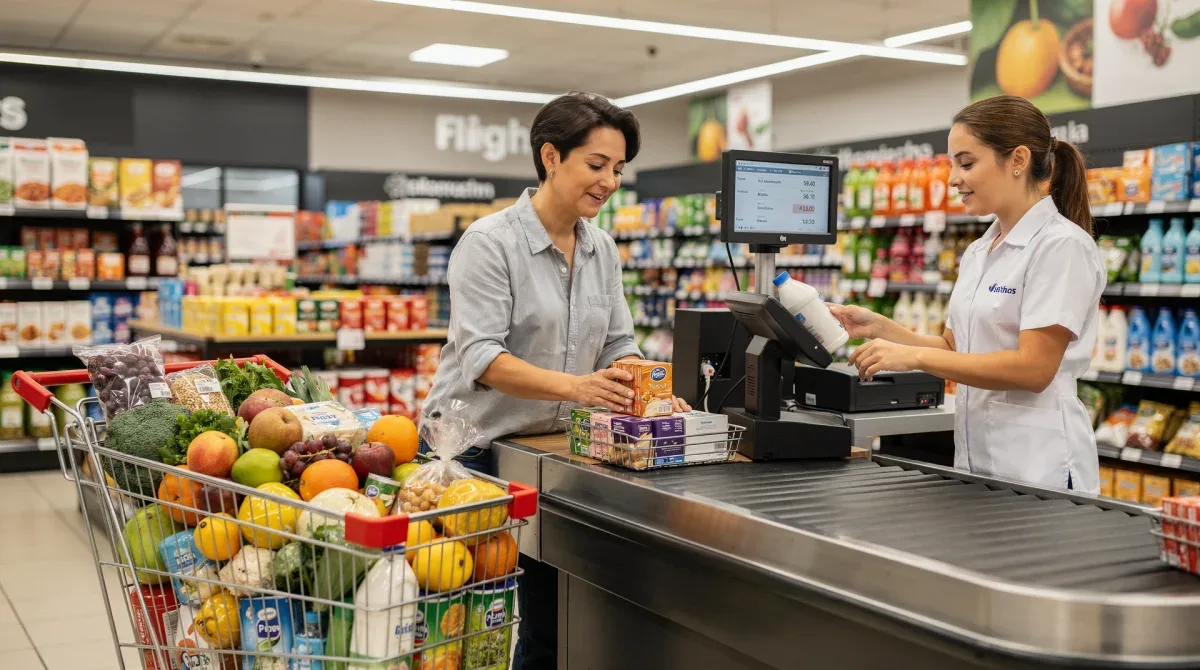
Moving too fast may cause shoppers to overlook product quantities, choose damaged packaging, or miss important food safety considerations.
Incorrect purchases can require additional store visits, eliminating the time that was supposedly saved during the original trip.
Efficiency should mean fewer unnecessary decisions and movements, not sacrificing accuracy, safety, or household needs.
Weekly Grocery Shopping Run: A Practical Summary
The most effective weekly grocery shopping run begins with a meal plan, an inventory check, and a well-organized list.
Inside the store, a predictable route and attention to prices can help reduce unnecessary stops and impulse purchases.
Safe handling of refrigerated foods and a short post-shopping review complete the process and improve future planning.
Key Point | Brief Description |
|---|---|
Pre-Shopping Plan | Plan meals and check existing ingredients before visiting the supermarket. |
Aisle-Optimized List | Group products according to the store layout to reduce unnecessary backtracking. |
45-Minute Target | Use a flexible time budget rather than assuming every shopping trip can finish in exactly 45 minutes. |
Budget Management | Compare unit prices, consider relevant promotions, and avoid unnecessary purchases. |
Food Safety | Keep raw meats separate and choose refrigerated and frozen products near the end of shopping. |
Post-Shopping Review | Store perishables promptly and review your purchases to improve future shopping trips. |
Frequently Asked Questions About Efficient Grocery Shopping
How can I complete my weekly grocery shopping run in 45 minutes?
Prepare meals in advance, check your inventory, organize your list by aisle, and follow a consistent store route. The 45-minute timeframe is a practical target, but actual shopping time depends on store conditions and order size.
What is the best way to organize an aisle-by-aisle grocery list?
Use your preferred supermarket's layout to group products into sections such as produce, pantry items, household supplies, dairy, meat, and frozen foods. Keeping similar products together reduces backtracking.
How can I avoid impulse purchases?
Create a shopping list based on planned meals and household needs. Compare prices carefully and avoid buying promotional products simply because they appear discounted.
Should I buy refrigerated and frozen foods last?
Yes. USDA guidance recommends selecting cold products near the end of the shopping trip and transporting them home promptly to maintain appropriate temperatures.
How much time should I spend planning my grocery trip?
Planning time varies by household, but a brief review of meals, inventory, and necessary purchases can reduce time spent making decisions in the store.
Can technology help with grocery shopping?
Yes. Shopping list applications, digital coupons, online ordering, and grocery pickup services can improve convenience when they match your needs and budget.
How can I save money without using many coupons?
Compare unit prices, consider store brands, plan meals around existing ingredients, and avoid buying products that are unlikely to be consumed.
Is buying groceries in bulk always cheaper?
No. Larger packages do not always have lower unit prices, and buying too much food can create additional waste. Compare costs and consider storage needs.
How should I store groceries after shopping?
Refrigerate and freeze perishable products promptly, keep raw meat separate from ready-to-eat foods, and organize shelf-stable ingredients in suitable storage areas.
What temperatures should my refrigerator and freezer maintain?
The FDA recommends maintaining refrigerators at 40°F or below and freezers at 0°F or below. An appliance thermometer helps verify the actual temperature.
What if I cannot finish shopping within 45 minutes?
That is normal. Large shopping lists, busy stores, additional family needs, and checkout delays may require more time. Focus on efficiency and food safety instead of treating the target as mandatory.
How can I improve my grocery shopping routine every week?
Review previous shopping lists, identify unnecessary purchases, organize frequently bought items, and adjust your route according to the supermarket layout.
Conclusion: Master Your Weekly Grocery Shopping Run
A well-planned weekly grocery shopping run can reduce unnecessary spending, simplify meal preparation, and make supermarket visits more manageable.
Organizing purchases by aisle, choosing cold foods last, and reviewing your household budget help create a more efficient shopping experience.
With consistent planning and realistic expectations, the 45-minute shopping target can become a useful guideline for maintaining an organized routine.