Refrigerator Maintenance Checklist: Prevent Spoilage, Extend Life
Advertisements
This quick refrigerator maintenance checklist covers six essential steps to help prevent food spoilage, improve energy efficiency, and reduce unnecessary appliance wear. Learn how to clean condenser coils, inspect door seals, monitor temperatures, and maintain proper ventilation.
Following a quick refrigerator maintenance checklist can help keep food at safer temperatures, reduce avoidable energy waste, and identify small problems before they become expensive repairs.
Refrigerators operate throughout the day, making proper maintenance important for household food storage and long-term appliance performance.
These six practical steps explain how to care for your refrigerator without specialized technical knowledge, while recognizing when professional assistance may be necessary.
The Critical Role of Refrigerator Maintenance
Your refrigerator helps preserve perishable foods by maintaining consistently low temperatures. When the appliance operates incorrectly, food safety and household expenses may be affected.
Problems such as damaged door seals, blocked airflow, or dirty accessible condenser coils can interfere with cooling performance and increase electricity consumption.
Including basic appliance care in your home maintenance checklist can help identify these issues before they become more serious.
Why Regular Refrigerator Care Matters
Routine inspections allow homeowners to notice unusual noises, temperature fluctuations, condensation, and other changes in refrigerator performance.
Addressing minor issues promptly may reduce unnecessary strain on certain components and help maintain appropriate food storage conditions.
However, maintenance cannot guarantee a specific appliance lifespan. Age, manufacturing quality, operating conditions, and component failures also influence durability.
Can Maintenance Really Add Five Years?
Regular refrigerator maintenance may contribute to longer appliance life by reducing avoidable operating problems and supporting efficient performance.
Nevertheless, there is no reliable universal guarantee that following six maintenance steps will extend every refrigerator's lifespan by five years.
The practical objective should be preventing avoidable damage, maintaining food safety, and recognizing when repairs or replacement become necessary.
Understanding the Impact of Neglect
Neglecting refrigerator maintenance can allow small issues to become more noticeable over time. Poor door sealing and obstructed ventilation are common examples.
These problems may cause temperature instability, excessive compressor operation, or increased moisture inside the appliance.
Regular inspection helps homeowners recognize warning signs and arrange appropriate maintenance rather than waiting for a complete breakdown.
Common Signs Your Refrigerator Needs Attention
Unexpected temperature changes, unusually long cooling cycles, or condensation around the doors may suggest that the appliance requires inspection.
Food spoiling earlier than expected can also indicate inadequate refrigeration, although improper storage practices may be another contributing factor.
If problems continue after basic checks, consult the manufacturer's troubleshooting instructions or contact a qualified appliance technician.
How Poor Maintenance Affects Energy Use
Refrigerators rely on effective heat exchange and appropriate airflow to remove heat from stored food and maintain the desired temperature.
Dust accumulation on accessible condenser coils or damaged door seals can make efficient operation more difficult in some appliance designs.
However, the amount of additional electricity consumed varies by model and operating conditions. Actual savings require measurement rather than assumptions.
Step 1: Clean the Condenser Coils Annually
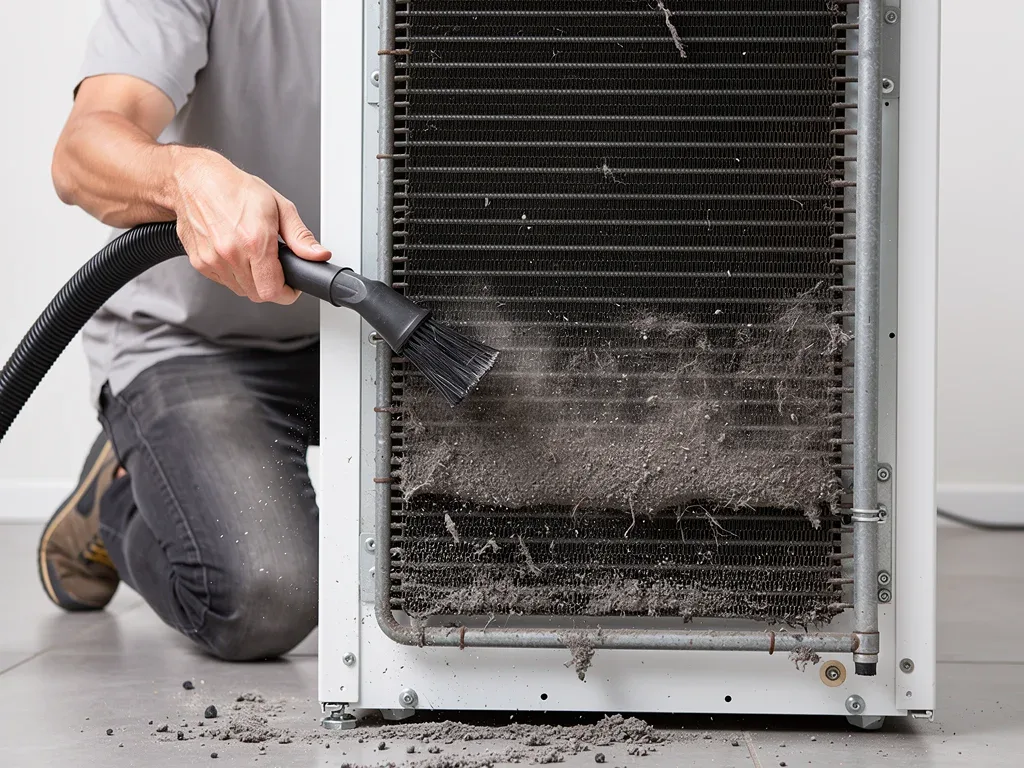
Condenser coils help release heat removed from the refrigerator's interior. Depending on the design, they may be located behind or underneath the appliance.
Dust and debris can accumulate around accessible coils, particularly in homes with pets or environments where airborne particles are common.
Cleaning may improve heat dissipation on models that require it. However, some modern refrigerators use designs that do not require routine consumer coil cleaning.
How to Clean Refrigerator Coils Safely
Begin by consulting the appliance manual to identify whether coil cleaning is recommended and how the coils can be accessed safely.
When instructed, disconnect the refrigerator from electrical power before cleaning and use a suitable soft brush or vacuum attachment without damaging components.
Avoid disturbing wiring or sealed refrigeration components. If the coils are inaccessible or the manufacturer advises against cleaning them, follow the model-specific guidance.
How Often Should Condenser Coils Be Cleaned?
For refrigerators with accessible coils that require maintenance, annual inspection can be a useful starting point.
Homes with substantial dust or pet hair may require more frequent attention, while other refrigerator designs have different maintenance requirements.
The manufacturer's recommended schedule should take priority. Cleaning intervals are not identical across every refrigerator brand and model.
When Professional Cleaning Is Necessary
Some refrigerator components are difficult to access without removing protective panels or working near electrical equipment.
If cleaning would require disassembly beyond the owner's manual instructions, consider arranging service from a qualified technician.
Professional assessment may also be appropriate when overheating, unusual compressor sounds, or persistent cooling problems occur.
Step 2: Check and Clean Door Gaskets Regularly
Refrigerator door gaskets create a seal that helps prevent warmer room air from entering the refrigerated compartment.
Over time, dirt, damage, or misalignment may interfere with proper sealing, allowing unwanted air exchange and additional moisture accumulation.
Inspecting and cleaning these seals is a practical part of a quick refrigerator maintenance checklist, especially when doors appear difficult to close.
How to Inspect Refrigerator Door Seals
Look for visible cracks, tears, loose sections, and areas where the gasket no longer sits evenly against the cabinet.
A simple paper or dollar-bill test can sometimes help identify weak contact by checking whether the closed door grips the paper.
However, this informal test is not a definitive diagnostic method. Door alignment and gasket design may affect results.
Cleaning Gaskets Without Damaging Them
Use a soft cloth with mild soap and water to remove residue from door seals, following the manufacturer's care instructions.
Clean around folds and corners where spills or debris may accumulate, then dry the surfaces thoroughly.
Avoid harsh chemicals or abrasive tools that may damage rubber or other gasket materials. Replace deteriorated seals according to the manufacturer's recommendations.
Why Door Alignment Matters
A refrigerator door may fail to close correctly if the appliance is poorly positioned, shelves are obstructed, or the hinges require attention.
Check that food containers and drawers do not interfere with closing the door.
If the door appears uneven or continues opening unexpectedly, consult the appliance manual before attempting adjustments.
Step 3: Keep the Interior Spotless and Organized
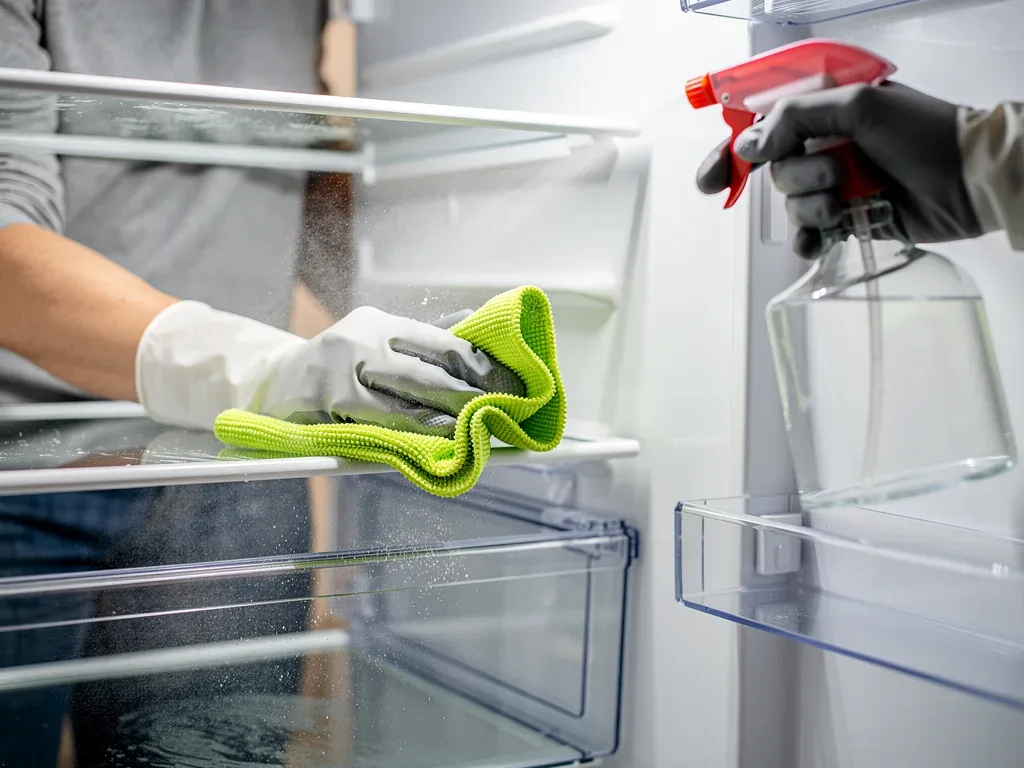
Cleaning the refrigerator interior helps reduce food residue, unpleasant odors, and opportunities for contamination between stored products.
Organization also makes it easier to identify expired items and maintain clear airflow around internal vents.
A consistent cleaning routine can support both food safety and the practical use of available refrigerator space.
How to Clean Refrigerator Shelves and Drawers
Remove spoiled food and wipe up spills promptly. Use suitable cleaning products according to the refrigerator manufacturer's instructions.
The FDA recommends cleaning interior surfaces with warm water and a mild liquid dishwashing detergent, then rinsing and drying appropriately.
Clean removable shelves and drawers carefully, avoiding sudden temperature changes that could damage certain materials.
Organizing Food for Better Airflow
Avoid blocking internal vents with large containers or tightly packed food items. Proper airflow helps the appliance maintain consistent temperatures.
Store raw meat, poultry, and seafood in leakproof containers or suitable packaging to reduce the risk of contaminating other foods.
Keep frequently used items easy to reach so the door does not remain open unnecessarily while searching for food.
Preventing Food Spoilage and Cross-Contamination
Refrigeration slows the growth of many microorganisms but does not make food safe indefinitely. Storage times and handling practices remain important.
Refrigerate perishable foods promptly, generally within two hours, or within one hour when exposed to temperatures above 90°F.
Use appropriate containers, follow safe storage recommendations, and discard food when safety cannot be established.
Step 4: Monitor and Adjust Temperature Settings
Temperature monitoring is one of the most important actions in refrigerator maintenance because food safety depends on adequate cooling.
The FDA recommends keeping the refrigerator at 40°F (4°C) or below and the freezer at 0°F (-18°C) or below.
ENERGY STAR suggests a refrigerator setting around 35°F to 38°F for efficient operation while maintaining appropriate food storage temperatures.
What Is the Ideal Refrigerator Temperature?
A practical refrigerator setting is approximately 37°F (3°C), provided the actual compartment temperature remains within recommended food safety limits.
Freezers should generally operate at 0°F (-18°C) or below for proper frozen food storage.
Actual temperatures can vary between locations inside the appliance. Monitoring helps identify whether adjustments are necessary.
Using an Appliance Thermometer
Place a refrigerator thermometer inside the fresh food compartment and another in the freezer to measure actual storage temperatures.
Check the readings regularly, particularly after changing settings, loading substantial groceries, or noticing unusual cooling behavior.
Built-in control settings do not always indicate the actual internal temperature, making independent thermometers useful for routine monitoring.
What to Do When Temperatures Are Too High
Start by checking whether the doors close completely and whether internal vents are blocked by food containers.
Review the temperature settings and allow the appliance sufficient time to stabilize after adjustments, following the manufacturer's instructions.
If food temperatures remain unsafe, seek technical assistance and follow FDA food safety guidance when deciding whether stored perishables must be discarded.
Step 5: Defrost Your Freezer Regularly (Non-Frost-Free Models)
Some manual-defrost freezers accumulate frost over time as moisture enters the compartment and freezes on cold surfaces.
Excessive buildup can reduce usable storage space and interfere with normal freezer operation, making periodic defrosting necessary.
However, frost-free models generally manage defrost cycles automatically and should not require routine manual defrosting under normal conditions.
When Should You Defrost a Manual-Freezer Model?
Follow the manufacturer's recommendations for acceptable frost thickness and the appropriate frequency of manual defrosting.
Some guidance suggests addressing buildup around one-quarter inch, but the exact threshold can vary by appliance design.
Do not assume that every freezer needs manual defrosting. Confirm the type of system before beginning maintenance.
How to Defrost a Freezer Safely
Follow the manufacturer's procedures and arrange safe temporary storage for frozen food before switching off or defrosting the appliance.
Allow frost to melt using approved methods. Never use sharp objects to chip away ice because they may damage the interior or refrigeration components.
Dry the interior before restarting the freezer and verify that it returns to a safe operating temperature before restocking food.
Why Excessive Frost May Indicate a Problem
Rapid or unusual frost accumulation may be associated with frequent door opening, inadequate sealing, or malfunctioning components.
In frost-free refrigerators, unexpected ice buildup may indicate that the automatic defrost system is not working properly.
If the problem continues, consult the appliance manual or arrange professional service rather than repeatedly removing frost without addressing the cause.
Step 6: Ensure Proper Ventilation and Leveling
Refrigerators need adequate ventilation to release heat during normal operation. Restricted airflow can interfere with cooling efficiency.
The appliance should also be positioned according to manufacturer requirements, including any necessary adjustment of leveling feet.
Correct installation helps doors close properly and supports the operating conditions intended by the manufacturer.
Maintaining Adequate Refrigerator Clearance
Check the installation manual for minimum clearance requirements around the refrigerator, including behind, above, and beside the cabinet where applicable.
ENERGY STAR recommends allowing air circulation behind the appliance and keeping it away from unnecessary heat sources.
Do not assume a few inches of clearance are sufficient for every design. Built-in and freestanding models may have different ventilation arrangements.
How to Check Refrigerator Leveling
Use a suitable level or follow the appliance manufacturer's specified adjustment method to evaluate the refrigerator's position.
Some refrigerators are designed with a slight backward tilt to support door closure, so perfectly horizontal positioning is not always the intended configuration.
Adjust leveling feet only as directed. Correct positioning can help avoid unnecessary door alignment problems.
Choosing the Best Refrigerator Location
Where possible, avoid positioning a refrigerator immediately beside ovens, heating equipment, or areas receiving intense direct sunlight.
High surrounding temperatures may increase the amount of heat the appliance must remove to maintain its interior conditions.
Proper installation and appropriate ventilation contribute to a broader approach to efficient home organization and appliance care.
Creating a Practical Refrigerator Maintenance Routine
A refrigerator maintenance plan should match the appliance's design and the household's typical usage rather than follow an identical schedule for every model.
Frequent temperature checks, prompt spill cleanup, and regular door inspections are straightforward ways to identify developing problems.
Less frequent tasks, such as coil maintenance or manual defrosting, should follow the manufacturer's recommendations.
Weekly Refrigerator Checks
Review refrigerator and freezer thermometer readings to confirm temperatures remain within recommended limits.
Remove visibly spoiled food, check containers for leaks, and ensure items do not block internal airflow.
Also confirm that doors close properly and that food packages are not interfering with the seals.
Monthly Cleaning and Inspection
Inspect door gaskets for residue or damage and clean them using an appropriate mild cleaning method.
Wipe shelves and drawers as needed, paying particular attention to spills and areas where food debris accumulates.
Observe whether the appliance is operating normally and note persistent unusual noises or temperature changes.
Annual Maintenance Tasks
Review the appliance manual to determine whether the condenser coils require periodic cleaning and whether other service checks are recommended.
Inspect ventilation areas and confirm that the refrigerator's position still meets manufacturer requirements.
For manual-defrost freezers, follow the prescribed defrost schedule. Consider professional service when problems cannot be resolved through approved maintenance.
Quick Refrigerator Maintenance Checklist: Key Takeaways
A quick refrigerator maintenance checklist provides a structured approach to maintaining cooling performance and reducing avoidable food storage problems.
The six essential tasks include condenser care, door seal inspection, interior cleaning, temperature monitoring, appropriate defrosting, and ventilation checks.
The following table summarizes the most important points to remember when caring for a household refrigerator.
Key Point | Brief Description |
|---|---|
Coil Cleaning | Inspect and clean accessible condenser coils when recommended by the manufacturer. |
Gasket Integrity | Check door seals for damage, dirt, and improper contact to help prevent warm air from entering. |
Temperature Control | Keep refrigerators at 40°F or below and freezers at 0°F or below, using appliance thermometers to verify readings. |
Ventilation & Leveling | Follow manufacturer clearance and positioning requirements to support airflow and proper door closure. |
Frequently Asked Questions About Refrigerator Maintenance
How often should I clean my refrigerator's condenser coils?
For models with accessible coils requiring regular cleaning, an annual inspection may be appropriate, with more frequent attention in dusty environments or homes with shedding pets. However, some modern refrigerators do not require consumer coil cleaning. Always follow the manufacturer's instructions.
What are the signs of a failing refrigerator door gasket?
Visible cracks, tears, loose sections, condensation, and doors that fail to seal properly may indicate gasket problems. A paper test can sometimes reveal weak contact, but it is not definitive. Inspect the gasket and door alignment, and consult the manufacturer if problems persist.
What is the ideal temperature range for a refrigerator?
The FDA recommends keeping the refrigerator at 40°F (4°C) or below and the freezer at 0°F (-18°C) or below. ENERGY STAR recommends a refrigerator setting of approximately 35°F to 38°F. Use appliance thermometers to confirm actual temperatures.
Can organizing my refrigerator improve its efficiency?
Proper organization can help maintain airflow and reduce the amount of time the refrigerator door remains open. Avoid blocking vents and overcrowding shelves. However, the effect on electricity consumption varies depending on appliance design and household usage.
How does routine maintenance extend my refrigerator's life?
Routine maintenance may reduce avoidable problems involving airflow, door sealing, cleanliness, and cooling performance. These measures can support reliable operation, but they cannot guarantee five additional years of service. Actual lifespan depends on the appliance, usage conditions, and component durability.
Impact and Implications: Why Refrigerator Care Matters
Following a quick refrigerator maintenance checklist can help homeowners maintain safer food storage temperatures, identify mechanical problems, and reduce unnecessary energy waste.
These preventive habits also support more organized household maintenance and may help reduce avoidable repairs. Learn how to incorporate them into a broader home care schedule.
Although no checklist can guarantee a refrigerator will last five additional years, consistent care can support dependable operation and help protect food, household budgets, and appliance performance.