Fabric Weight Guide: Choosing Quality Cotton T-Shirts
Advertisements
Understanding fabric weight, measured in GSM, is crucial for selecting high-quality cotton t-shirts, as it directly impacts durability, feel, and resistance to shrinkage, enabling informed consumer choices for lasting apparel.
Navigating the world of apparel can be daunting, especially when seeking garments that stand the test of time. This comprehensive fabric weight guide demystifies GSM levels, offering insights into how to choose quality cotton t-shirts that feel great, last longer, and resist the dreaded shrinkage.
What is GSM and Why Does it Matter for T-Shirts?
GSM, or grams per square meter, is a standard measurement used globally to indicate the weight and density of fabric. Essentially, it tells you how much a square meter of a particular fabric weighs. For cotton t-shirts, GSM is a critical indicator of quality, durability, and even the garment's feel against your skin. A higher GSM typically signifies a denser, more substantial fabric, which often translates to a better-quality product.
Understanding GSM allows consumers to look beyond brand names and make informed decisions based on tangible fabric properties. It's not just about the softness; it's about the integrity of the weave and the potential lifespan of your clothing. Ignoring GSM can lead to purchasing t-shirts that quickly lose shape, pill, or become transparent after just a few washes.
The Impact of GSM on T-Shirt Characteristics
Different GSM levels directly influence several key aspects of a cotton t-shirt. From how it drapes to its breathability, the fabric's weight is a fundamental characteristic that defines its overall performance and comfort. For instance, a lightweight t-shirt will feel different and serve a different purpose than a heavy-weight one.
- Durability: Higher GSM fabrics tend to be more robust and resistant to wear and tear, making them ideal for everyday use.
- Drape and Feel: Heavier fabrics often have a more structured drape and a luxurious feel, while lighter ones are softer and more fluid.
- Opacity: Lower GSM fabrics can be somewhat sheer, especially in lighter colors, whereas higher GSM ensures better coverage.
- Breathability: Lighter GSM fabrics are generally more breathable, making them suitable for warmer climates or active wear.
In conclusion, GSM is far more than just a number; it's a window into the quality and performance you can expect from your cotton t-shirt. By paying attention to this metric, you can significantly improve your chances of finding a garment that meets your expectations for comfort, durability, and style.
Decoding GSM Levels: Lightweight, Mid-Weight, and Heavyweight Cotton
Cotton t-shirts come in a spectrum of GSMs, broadly categorized into lightweight, mid-weight, and heavyweight. Each category offers distinct characteristics and is suited for different preferences and uses. Knowing these distinctions is key to selecting the perfect t-shirt for any occasion or climate.
This classification isn't arbitrary; it reflects the density of the cotton weave, which in turn dictates the fabric's properties. For example, a t-shirt designed for summer might prioritize breathability, while one intended for layering in cooler weather would focus on warmth and structure.
Understanding these categories empowers you to match your needs with the right fabric, ensuring satisfaction with your purchase.
Lightweight Cotton (100-150 GSM)
T-shirts in this GSM range are typically very soft, breathable, and feel almost like a second skin. They are perfect for hot weather, active wear, or as an undershirt. While comfortable, they might be more prone to showing wear over time and can sometimes be slightly sheer, especially in lighter colors.
These shirts are often favored for their airy feel and ease of movement. However, their delicate nature means they might require more careful handling during washing to prevent premature wear. They are an excellent choice for a casual, relaxed look where comfort is paramount.
Mid-Weight Cotton (160-200 GSM)
This is the sweet spot for many, offering a balance between comfort, durability, and breathability. Mid-weight cotton t-shirts are versatile, suitable for year-round wear, and provide good opacity without feeling too heavy. They are a popular choice for everyday casual wear and can be easily dressed up or down.
T-shirts in this category generally offer a good balance of softness and structure. They are less prone to wrinkling than lighter fabrics and tend to hold their shape better. This GSM range often represents the best value for money, providing a durable product without the premium price of heavier options.

Heavyweight Cotton (210+ GSM)
Heavyweight cotton t-shirts are known for their substantial feel, superior durability, and often a more structured, boxy fit. They are excellent for cooler weather, workwear, or anyone seeking a premium, long-lasting garment. While less breathable, their robust nature means they resist shrinking and stretching exceptionally well.
These shirts exude quality and often improve with age, becoming softer and more comfortable over time without losing their integrity. They are an investment piece, offering extended wear and a classic, rugged aesthetic that appeals to those who prioritize longevity and a sturdy feel in their clothing.
In summary, the GSM level dictates much about a t-shirt's performance and suitability. By knowing the differences between lightweight, mid-weight, and heavyweight cotton, you can confidently choose a t-shirt that perfectly aligns with your expectations for comfort, durability, and style.
The Link Between GSM, Quality, and Shrinkage Resistance
One of the most frustrating experiences with new clothing is when a perfectly fitting t-shirt shrinks after its first wash. While shrinkage can be influenced by several factors, including cotton type and manufacturing processes, fabric weight (GSM) plays a significant role in a t-shirt's resistance to this common issue. Generally, a higher GSM correlates with better shrinkage resistance and overall garment quality.
This isn't just about the quantity of cotton; it's about the density and stability of the fabric's weave. Denser fabrics, by their nature, have less room for fibers to contract during washing and drying, thus maintaining their original dimensions more effectively. This makes GSM a reliable indicator for predicting a t-shirt's longevity and stability.
Why Higher GSM Reduces Shrinkage
The fibers in cotton naturally absorb water and can swell, then contract as they dry. This process is what causes shrinkage. In fabrics with a lower GSM, the weave is looser, allowing more room for these contractions to occur without resistance. Conversely, higher GSM fabrics have a tighter, denser weave. This tighter construction provides a physical barrier against excessive fiber contraction, helping the garment retain its shape and size.
Furthermore, higher GSM fabrics often undergo more rigorous finishing processes during manufacturing. These processes, such as pre-shrinking or mercerization, further stabilize the fabric, making it even more resilient to shrinkage. When you invest in a higher GSM t-shirt, you're often investing in a fabric that has been engineered for stability and durability.
- Denser Weave: Tightly woven fabrics offer less space for fibers to pull together, minimizing shrinkage.
- Fiber Stability: More material per square meter means greater structural integrity against washing stresses.
- Manufacturing Processes: Quality higher GSM fabrics often include pre-shrinking, which reduces future size changes.
Ultimately, while no cotton garment is entirely immune to some degree of shrinkage, opting for t-shirts with a higher GSM significantly mitigates this risk. It's a key factor in ensuring your favorite cotton tee remains a perfect fit wash after wash, maintaining its aesthetic appeal and comfort for longer.
Beyond GSM: Other Factors Influencing T-Shirt Quality and Longevity
While GSM is an excellent starting point for assessing cotton t-shirt quality, it's by no means the only factor. A truly high-quality t-shirt is the result of a combination of elements, from the type of cotton used to the construction techniques employed. Understanding these additional aspects provides a more holistic view, allowing you to make even more discerning choices.
Focusing solely on GSM might lead you to overlook other crucial details that contribute to a garment's comfort, durability, and overall value. A comprehensive approach ensures you're investing in a t-shirt that not only feels good but also performs well and lasts for years. 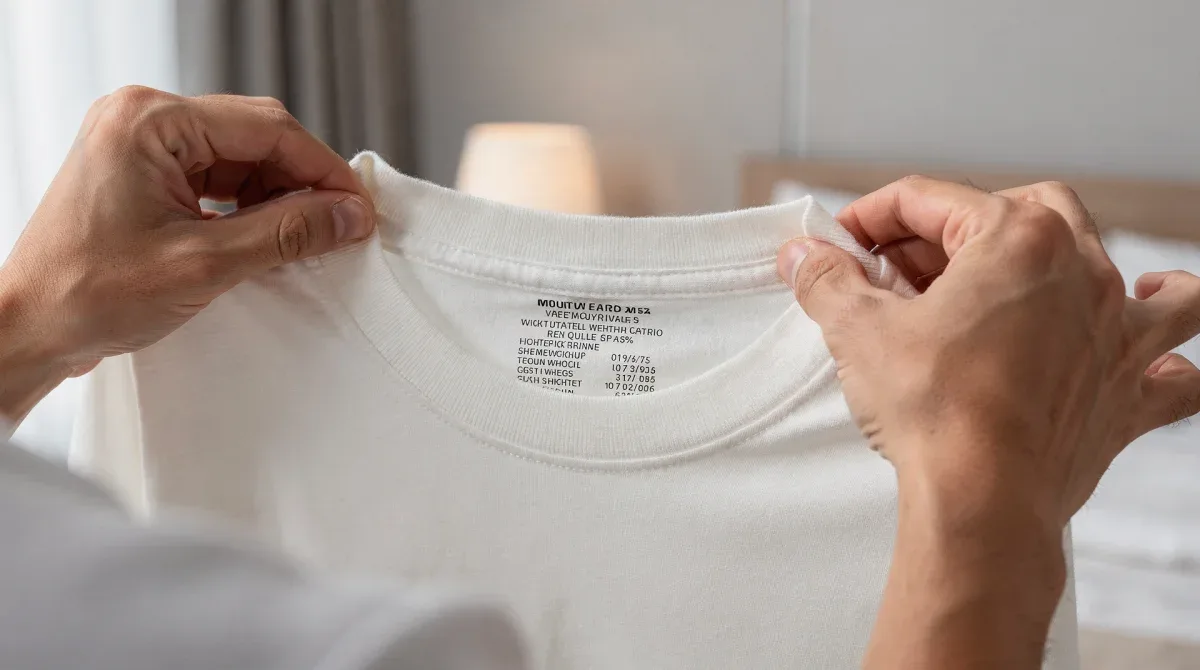
Cotton Type and Fiber Length
The type of cotton fiber used profoundly impacts the final fabric's quality. Long-staple cottons, such as Pima or Egyptian cotton, produce smoother, stronger yarns with fewer protruding fibers. This results in a softer fabric that is less prone to pilling and more resistant to tearing. Short-staple cotton, while more affordable, tends to create fabrics that are coarser and less durable.
The length of the cotton fiber directly correlates with the strength and integrity of the yarn spun from it. Longer fibers can be spun into finer, stronger threads, which in turn create a more durable and luxurious fabric. This superior fiber quality enhances the fabric's ability to resist wear and maintain its appearance over time, making it a crucial consideration alongside GSM.
Weave and Knit Construction
The way cotton fibers are woven or knitted together also plays a critical role. For t-shirts, knit constructions like jersey, interlock, or pique are common. Jersey knit is popular for its stretch and drape, but can sometimes curl at the edges. Interlock knit is denser and smoother, offering greater stability and less curling, often associated with higher quality.
Pique knit, with its textured surface, is typically found in polo shirts but can also be used for t-shirts, offering a distinct look and feel. The tightness and consistency of the knit directly influence the fabric's elasticity, recovery, and resistance to snagging. A well-constructed knit will ensure the t-shirt holds its shape and structure even after repeated wear and washing.
Dyeing and Finishing Processes
High-quality dyeing processes ensure colorfastness, meaning the color won't fade or bleed easily. Finishing treatments, such as enzyme washes or mercerization, can enhance softness, luster, and dimensional stability. Pre-shrinking is another vital finishing step that minimizes shrinkage in subsequent washes, a feature often found in premium t-shirts.
These processes are investments made by manufacturers to improve the garment's aesthetic appeal and functional performance. While they might add to the cost, they significantly contribute to the t-shirt's longevity and how well it maintains its original look and feel over its lifespan. Overlooking these details can lead to disappointment, even with a high GSM fabric.
In essence, a truly superior cotton t-shirt is a symphony of carefully selected materials and expert craftsmanship. While GSM provides a solid foundation, considering cotton type, weave, and finishing processes ensures you're choosing a garment that excels in all aspects of quality and longevity.
How to Identify Quality Cotton T-Shirts in Stores and Online
Armed with knowledge about GSM and other quality indicators, you're now better equipped to identify superior cotton t-shirts, whether you're browsing in a physical store or shopping online. The key is to know what to look for and how to interpret the available information. This proactive approach will save you from common pitfalls and ensure your wardrobe is filled with durable, comfortable garments.
Making informed choices requires a keen eye and a bit of detective work, but the rewards are long-lasting, high-quality t-shirts that you'll love to wear. Don't be swayed solely by price or brand; dig deeper into the product details to uncover the true value.
In-Store Inspection Tips
When shopping in person, you have the advantage of tactile examination. Start by checking the label for fabric composition and care instructions. While GSM isn't always explicitly listed, you can often infer it by feeling the fabric. A heavier, denser feel usually indicates a higher GSM.
- Feel the Fabric: Does it feel substantial and smooth, or thin and flimsy? High-quality cotton often has a soft yet firm hand.
- Check Opacity: Hold the shirt up to the light. Can you see through it easily? If so, it's likely a lower GSM and potentially less durable.
- Examine Stitching: Look for even, tight stitching, especially at seams and hems. Loose or uneven stitches are a sign of poor craftsmanship.
- Stretch and Recovery: Gently stretch a section of the fabric. Does it snap back into shape quickly, or does it stay stretched out? Good elasticity indicates quality.
These hands-on tests provide invaluable insights that simply aren't available when shopping online. Taking a few extra moments to perform these checks can make all the difference in your purchase satisfaction.
Online Shopping Strategies
Online shopping requires a different approach since you can't physically inspect the garment. Here, you'll rely heavily on product descriptions, customer reviews, and brand reputation. Always look for detailed product specifications.
- Read Product Descriptions: Look for mentions of GSM, cotton type (e.g., Pima, Egyptian), and any special finishing processes like pre-shrinking.
- Check Customer Reviews: Pay attention to comments regarding fabric quality, durability, shrinkage, and how the shirt held up after washing.
- Examine Product Photos: Zoom in on high-resolution images to assess fabric texture and the quality of stitching.
- Understand Brand Reputation: Some brands are known for their commitment to quality. Researching their manufacturing practices can also be helpful.
By diligently applying these strategies, you can significantly enhance your ability to identify and purchase high-quality cotton t-shirts, regardless of whether you're shopping in a brick-and-mortar store or from the comfort of your home. Investing a little time upfront can save you money and disappointment in the long run.
Caring for Your Cotton T-Shirts to Prevent Shrinkage and Prolong Life
Even the highest quality cotton t-shirt, chosen with careful consideration of its GSM, can fall victim to improper care. Shrinkage, fading, and premature wear are often a result of neglecting simple washing and drying guidelines. Extending the life of your favorite tees involves understanding and implementing best practices for laundry, ensuring they look great and fit well for years to come.
Proper care is an extension of smart purchasing. It’s about protecting your investment and preserving the integrity of the fabric. A little attention to detail in your laundry routine can make a significant difference in the longevity and appearance of your cotton garments. 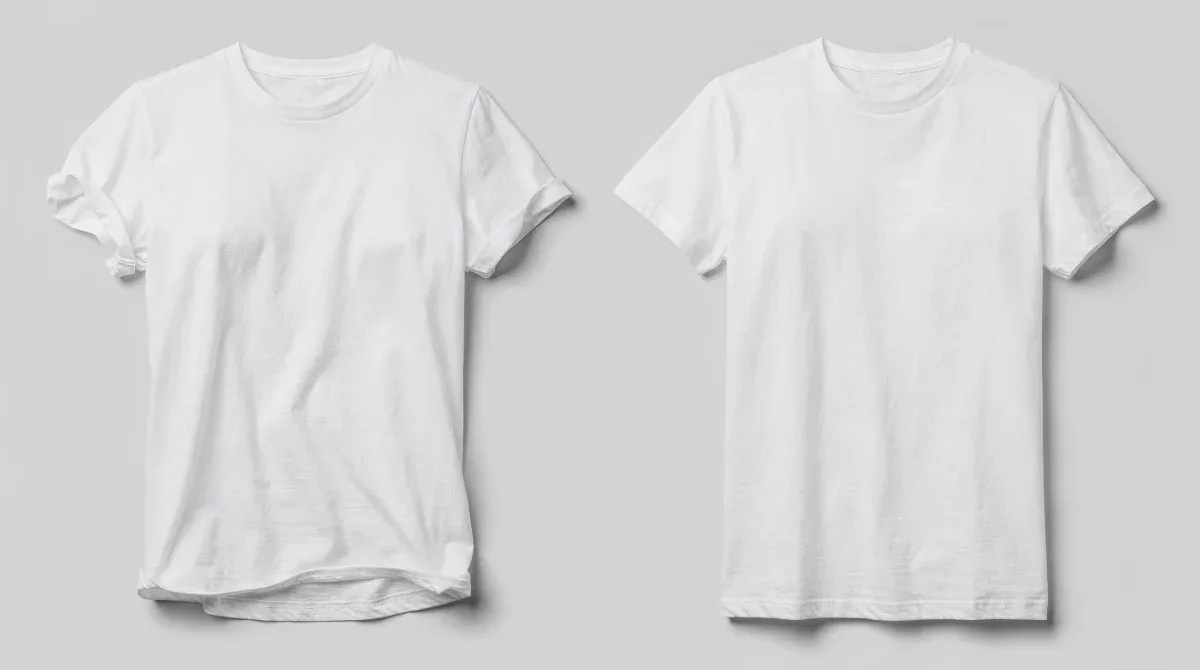
Washing Recommendations
The golden rule for cotton is cold water. Hot water can cause fibers to contract, leading to shrinkage and color fading. Use a gentle cycle to minimize agitation, which can stress fabric fibers and stitching. Turn t-shirts inside out before washing to protect the outer surface from abrasion and preserve any prints or embellishments.
When it comes to detergent, opt for a mild, color-safe formula. Avoid harsh chemicals like bleach, which can weaken cotton fibers and alter colors. Overloading the washing machine can also lead to inadequate cleaning and excessive friction, so ensure there's enough space for garments to move freely.
- Cold Water Wash: Always use cold water to prevent shrinkage and color fading.
- Gentle Cycle: Minimizes wear and tear on fabric and stitching.
- Turn Inside Out: Protects prints, colors, and the outer surface of the fabric.
- Mild Detergent: Preserves fabric integrity and color vibrancy.
Drying Best Practices
Tumble dryers are a common culprit for shrinkage in cotton garments due to the combination of heat and agitation. Air drying is the safest method to prevent shrinkage and extend the life of your t-shirts. If you must use a dryer, select a low heat setting and remove shirts while they are still slightly damp to minimize exposure to heat.
Over-drying can make cotton brittle and accelerate wear. Hanging t-shirts to dry on a line or a drying rack allows them to retain their natural shape and reduces the risk of heat-induced shrinkage. For best results, reshape garments gently before hanging them to ensure they dry smoothly and maintain their original form.
- Air Dry Whenever Possible: The most effective way to prevent shrinkage and prolong garment life.
- Low Heat Tumble Dry: If machine drying, use the lowest heat setting.
- Remove While Damp: Prevents over-drying and excessive heat exposure.
- Reshape Before Drying: Helps maintain the t-shirt's original form.
By diligently following these washing and drying recommendations, you can significantly prolong the life of your cotton t-shirts, ensuring they remain comfortable, well-fitting, and vibrant for many years to come. Proper care is an essential final step in the journey of choosing and enjoying quality apparel.
The Environmental and Ethical Implications of Fabric Weight Choices
Our choices in apparel, including the fabric weight of our cotton t-shirts, extend beyond personal comfort and durability; they carry significant environmental and ethical implications. The production of cotton, and subsequently its processing into various fabric weights, consumes resources and impacts ecosystems. Understanding these broader consequences allows for more conscious consumer decisions, aligning personal style with global responsibility.
Every garment has a lifecycle, from raw material to disposal, and each stage has an ecological footprint. By considering the environmental and ethical aspects of fabric weight, we contribute to a more sustainable fashion industry. This involves looking at water usage, chemical treatments, and labor practices associated with different production scales and qualities.
Resource Consumption and Production Efficiency
Producing cotton, regardless of its final fabric weight, is resource-intensive. Water, pesticides, and fertilizers are extensively used, particularly in conventional cotton farming. Heavier GSM fabrics, by their nature, require more raw cotton, which can mean a greater demand on these resources. However, the longevity often associated with higher GSM garments can offset this initial resource expenditure by reducing the frequency of replacement.
The efficiency of production processes also varies. Manufacturers committed to sustainability may employ technologies that reduce water usage or recycle chemicals, regardless of the fabric weight they produce. Consumers who prioritize ethical and environmental considerations might seek certifications like GOTS (Global Organic Textile Standard) or Oeko-Tex, which ensure stricter environmental and social standards throughout the supply chain.
Durability as a Sustainability Factor
Perhaps the most significant sustainability benefit of choosing higher GSM, quality cotton t-shirts is their enhanced durability. Fast fashion, characterized by low-cost, disposable clothing, contributes massively to landfill waste. By investing in garments that last longer, consumers reduce their overall consumption and the demand for new production.
A t-shirt that resists shrinking, fading, and pilling for years means fewer purchases over time, directly translating into less waste and a smaller carbon footprint. This shift from quantity to quality is a powerful act of environmental stewardship. Choosing a durable, well-made cotton t-shirt is not just a personal preference; it's a statement against the unsustainable practices of disposable fashion.
- Reduced Waste: Durable clothing means less frequent replacement, cutting down on textile waste.
- Lower Carbon Footprint: Less production over time translates to fewer emissions from manufacturing and transport.
- Ethical Production: Brands focusing on quality often invest in more ethical labor practices and sustainable sourcing.
In conclusion, while a heavier fabric might initially seem to require more resources, its potential for extended life often makes it a more sustainable choice in the long run. By making informed decisions about fabric weight and considering the broader impact of our purchases, we can contribute to a more responsible and sustainable fashion ecosystem.
| Key Point | Brief Description |
|---|---|
| GSM Definition | Grams per square meter, indicating fabric weight and density. Higher GSM usually means better quality. |
| GSM Categories | Lightweight (100-150 GSM), Mid-weight (160-200 GSM), and Heavyweight (210+ GSM) with distinct uses. |
| Shrinkage Resistance | Higher GSM fabrics, with their denser weave, are generally more resistant to shrinking and maintain shape better. |
| Care Tips | Wash in cold water, use gentle cycles, and air dry to preserve fabric integrity and prevent shrinkage. |
Frequently Asked Questions About Fabric Weight and T-Shirts
What is a good GSM for a high-quality cotton t-shirt?▼For a high-quality cotton t-shirt, a GSM between 160 and 200 is generally considered excellent. This range offers a good balance of durability, comfort, and breathability, making the shirt suitable for various occasions and ensuring it holds up well over time with proper care.
Does higher GSM always mean better quality?▼While higher GSM often correlates with better quality and durability, it's not the only factor. The type of cotton (e.g., long-staple), weave construction, and finishing processes also significantly impact overall quality. A very high GSM might indicate a heavy-duty shirt, which isn't always ideal for all preferences or climates.
Can a low GSM t-shirt still be durable?▼A low GSM t-shirt (e.g., 100-150 GSM) can be durable if made from high-quality, long-staple cotton and with good construction. However, it will inherently be less resistant to wear and tear compared to a higher GSM fabric. These shirts are often chosen for their lightweight feel rather than maximum durability.
How does pre-shrunk cotton relate to GSM and shrinkage?▼Pre-shrunk cotton has undergone a manufacturing process to minimize future shrinkage. While it's a crucial factor, it works in conjunction with GSM. A pre-shrunk, higher GSM fabric will offer superior shrinkage resistance compared to a non-pre-shrunk, lower GSM fabric, providing a more stable garment from the start.
What's the best way to find GSM information when shopping online?▼When shopping online, always check the product description or specifications section. Many reputable brands will list the fabric's GSM, cotton type, and any special treatments. If not explicitly stated, look for customer reviews that mention fabric weight or feel to get a better sense of the garment's density and quality.
Conclusion
Understanding the intricacies of fabric weight, particularly GSM levels, is a powerful tool for any discerning consumer aiming to build a wardrobe of lasting quality. This guide has illuminated how GSM directly impacts a cotton t-shirt's durability, feel, and crucial resistance to shrinkage, while also highlighting other vital factors like cotton type, weave, and ethical considerations. By applying this knowledge, you are empowered to move beyond superficial observations, making informed decisions that not only enhance your personal style and comfort but also contribute to a more sustainable consumption pattern. Investing in quality, in this context, means choosing garments that offer enduring value, reducing waste, and fostering a more conscious approach to fashion.
