Micro-Trend Trap: Fast Fashion's 60-Day Relevance Loss
Advertisements
The micro-trend trap reveals that a significant 70% of fast fashion purchases become irrelevant within 60 days, fueled by accelerated trend cycles and the industry's continuous push for newness.
Have you ever bought a trendy item, only to find it collecting dust in your closet a few weeks later? You're not alone. The phenomenon known as the micro-trend trap illustrates why a staggering 70% of fast fashion purchases lose their relevance within 60 days, leaving consumers with fleeting satisfaction and overflowing wardrobes. This article delves into the mechanisms behind this rapid obsolescence and explores how it impacts both our personal finances and the environment.
Understanding the Micro-Trend Phenomenon
Micro-trends are hyper-specific, short-lived fashion trends that emerge and fade with astonishing speed, often fueled by social media platforms and the relentless pace of fast fashion production. Unlike classic styles or broader macro-trends, micro-trends have an extremely limited shelf life, designed to be consumed and discarded quickly. This rapid cycle encourages constant purchasing, creating a treadmill of consumption that is hard to step off.

The rise of social media platforms, particularly TikTok and Instagram, has dramatically accelerated the spread of micro-trends. Influencers and content creators often showcase new styles, which then go viral almost overnight. This creates a powerful sense of urgency and FOMO (fear of missing out) among consumers, who rush to acquire these items before they become outdated. The accessibility and affordability of fast fashion brands make it easy for consumers to participate in these fleeting trends, further embedding the micro-trend trap into modern consumer behavior.
The Role of Social Media in Trend Acceleration
- Viral Challenges: Specific clothing items or styling methods become part of viral challenges, driving demand.
- Influencer Marketing: Paid partnerships and organic endorsements from influencers create immediate desire.
- Algorithmic Exposure: Social media algorithms push trending content, ensuring widespread visibility.
- Instant Gratification: The ability to see, desire, and purchase an item almost instantly contributes to impulse buying.
Ultimately, understanding the micro-trend phenomenon is crucial for navigating the modern fashion landscape. It's a cycle designed for quick consumption, where the allure of novelty often overshadows the true value and longevity of a garment. Recognizing this mechanism is the first step toward making more deliberate and sustainable fashion choices.
The Mechanics of Fast Fashion Production
Fast fashion operates on a business model designed for speed and volume, churning out new collections almost weekly to keep up with the demand for micro-trends. This production model is characterized by rapid design, manufacturing, and distribution, allowing brands to quickly replicate runway looks or viral social media styles at incredibly low prices. The goal is to maximize sales by offering a constant stream of novelties, encouraging consumers to buy more frequently.
The industry's efficiency in translating trends from concept to store shelves in mere weeks is both its strength and its downfall. While it provides consumers with affordable access to the latest styles, it also necessitates compromises in quality and ethical production. Garments are often made from cheap, synthetic materials and constructed with minimal durability, ensuring they won't last beyond a few washes – conveniently aligning with the short lifespan of a micro-trend.
The Supply Chain's Role in Rapid Turnaround
- Global Manufacturing: Production centers in Asia and other regions allow for lower costs and faster scaling.
- Just-in-Time Production: Minimizing inventory and producing items only when demand is confirmed.
- Advanced Logistics: Efficient shipping and distribution networks ensure products reach stores quickly.
- Digital Design: Use of technology to accelerate design processes and pattern making.
The mechanics of fast fashion production are intrinsically linked to the micro-trend trap. By creating a system where clothing is cheap, quickly produced, and designed for obsolescence, fast fashion brands perpetuate a cycle of endless consumption. This model not only impacts consumer spending habits but also has significant environmental and social consequences, making it a critical area for re-evaluation.
The Economic Impact on Consumers
The allure of inexpensive, trendy clothing can be deceptive. While individual fast fashion items are cheap, the cumulative cost of frequent purchases adds up significantly, trapping consumers in a cycle of spending that often leads to financial strain. The perceived value of these items is low, as their short lifespan means they offer little long-term utility or return on investment. Consumers often end up with wardrobes full of clothes they no longer want or wear, representing wasted money.
This constant need to update one's wardrobe to keep pace with micro-trends can prevent consumers from investing in higher-quality, more durable pieces that offer better value over time. The disposable nature of fast fashion normalizes the idea of buying new items for every occasion, rather than thoughtfully curating a versatile and lasting collection. This behavior depletes savings and diverts funds from more meaningful expenditures, ultimately impacting personal financial health.
Hidden Costs of Cheap Clothing
- Frequent Replacements: Low quality leads to items wearing out quickly, requiring new purchases.
- Storage Costs: Accumulation of unworn clothing can lead to the need for larger storage spaces or decluttering services.
- Disposal Fees: Some municipalities may charge for textile waste disposal, adding to the cost.
- Opportunity Cost: Money spent on fleeting trends could be invested in higher-quality items or savings.
The economic impact of the micro-trend trap on consumers is substantial, extending beyond the initial purchase price. It encourages a mindset of disposability that is detrimental to both personal finances and the environment. Recognizing these economic implications is vital for breaking free from the cycle of overconsumption and making more financially sound fashion decisions.
Environmental Consequences of Rapid Cycles
The relentless pace of micro-trends and fast fashion production has devastating environmental consequences. The sheer volume of clothing produced and discarded contributes significantly to pollution, resource depletion, and waste accumulation. From the cultivation of raw materials to manufacturing, transportation, and disposal, every stage of the fast fashion lifecycle leaves a heavy ecological footprint.
Synthetic fibers, commonly used in fast fashion due to their low cost, are derived from fossil fuels and do not biodegrade, lingering in landfills for hundreds of years. The dyeing and finishing processes consume vast amounts of water and chemicals, often polluting local water sources. Furthermore, the transportation of goods globally contributes to greenhouse gas emissions, exacerbating climate change. The rapid obsolescence of micro-trends only intensifies these issues, as garments are worn fewer times before being discarded, accelerating the journey from factory to landfill.
Textile Waste and Pollution
- Landfill Burden: Millions of tons of textiles are discarded annually, overwhelming waste management systems.
- Microplastic Contamination: Synthetic fabrics shed microfibers during washing, polluting oceans and food chains.
- Chemical Runoff: Dyes and processing chemicals contaminate water sources, harming ecosystems and communities.
- Resource Depletion: High demand for raw materials like cotton and synthetic fibers strains natural resources.
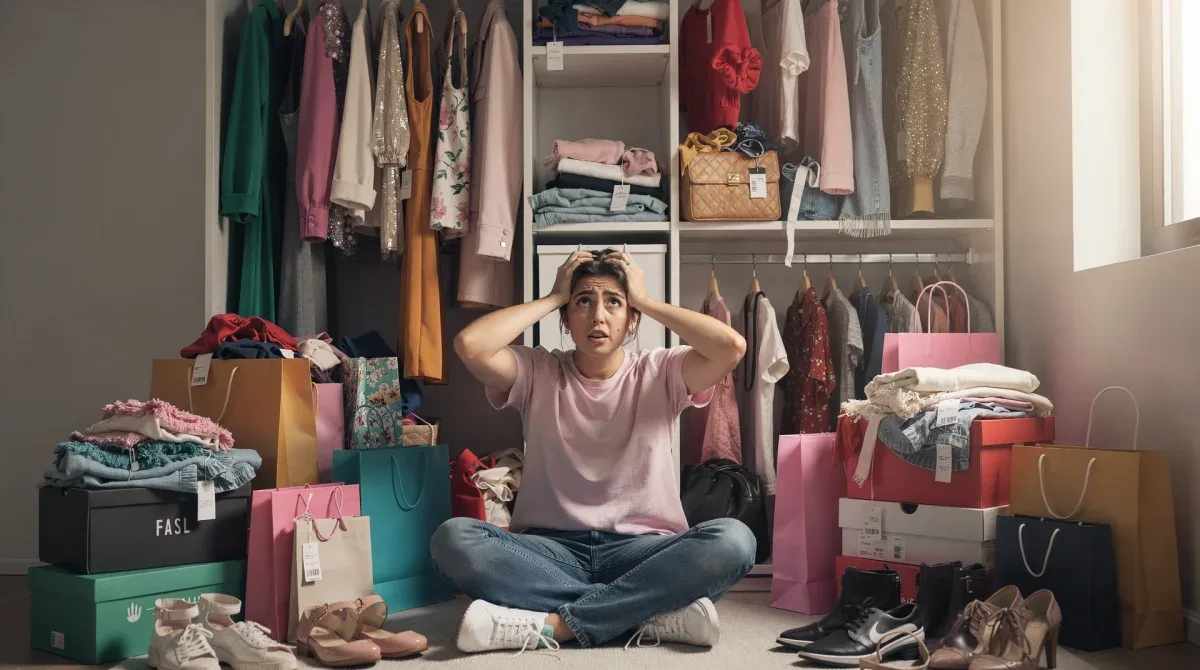
The environmental consequences of rapid fashion cycles are undeniable and far-reaching. Moving away from the micro-trend trap is not just about personal style; it's about mitigating a global ecological crisis. Consumers and industry alike have a responsibility to foster more sustainable practices and prioritize longevity over fleeting trends.
Breaking Free from the Micro-Trend Trap
Escaping the micro-trend trap requires a conscious shift in mindset and consumer behavior. Instead of chasing every new trend, consumers can adopt strategies that prioritize longevity, quality, and personal style. This involves a move towards more mindful consumption, where purchases are deliberate and considered, rather than impulsive responses to fleeting fads. Building a versatile wardrobe composed of timeless pieces can significantly reduce the need for constant updates and diminish the impact of rapid trend cycles.
Embracing sustainable fashion practices, such as buying second-hand, repairing clothes, or investing in ethically produced garments, offers viable alternatives to the fast fashion model. These approaches not only reduce environmental impact but also encourage a deeper appreciation for clothing and its craftsmanship. By educating ourselves on the true cost of fast fashion, we can make choices that align with our values and contribute to a more sustainable future for the industry.
Strategies for Mindful Consumption
- Wardrobe Audits: Regularly assess your existing clothing to understand what you truly need.
- Investment Pieces: Prioritize high-quality, durable items that will last for years.
- Second-Hand Shopping: Explore thrift stores, consignment shops, and online marketplaces for unique finds.
- Capsule Wardrobe: Build a versatile collection of interchangeable pieces to maximize outfit options.
- Repair and Repurpose: Extend the life of garments through mending, alteration, or creative repurposing.
Breaking free from the micro-trend trap is a journey, not a destination. It involves continuous learning, conscious decision-making, and a willingness to challenge the norms of fast fashion. By adopting mindful consumption strategies, individuals can cultivate a more sustainable and personally fulfilling relationship with their clothing.
Cultivating a Sustainable Wardrobe
Cultivating a sustainable wardrobe goes beyond simply avoiding fast fashion; it involves a holistic approach to how we acquire, care for, and eventually dispose of our clothing. This means prioritizing items made from environmentally friendly materials, supporting brands with ethical labor practices, and extending the lifespan of garments through proper care and repair. A sustainable wardrobe is one that reflects conscious choices, minimizing environmental harm and maximizing personal value.
The foundation of a sustainable wardrobe lies in quality over quantity. Investing in fewer, well-made pieces that are versatile and align with your personal style ensures they will be worn repeatedly and for a longer duration. This approach reduces waste, saves money in the long run, and allows for greater creativity in styling. It also encourages a deeper connection to our clothing, fostering appreciation for craftsmanship and design.
Key Principles of Sustainable Fashion
- Durability: Choose garments designed to last, resisting wear and tear.
- Ethical Production: Support brands that ensure fair wages and safe working conditions.
- Eco-Friendly Materials: Opt for organic cotton, linen, hemp, Tencel, or recycled fibers.
- Circular Economy: Participate in clothing swaps, donate, or recycle textiles responsibly.
- Mindful Care: Wash clothes less frequently, use cold water, and air dry to conserve energy.
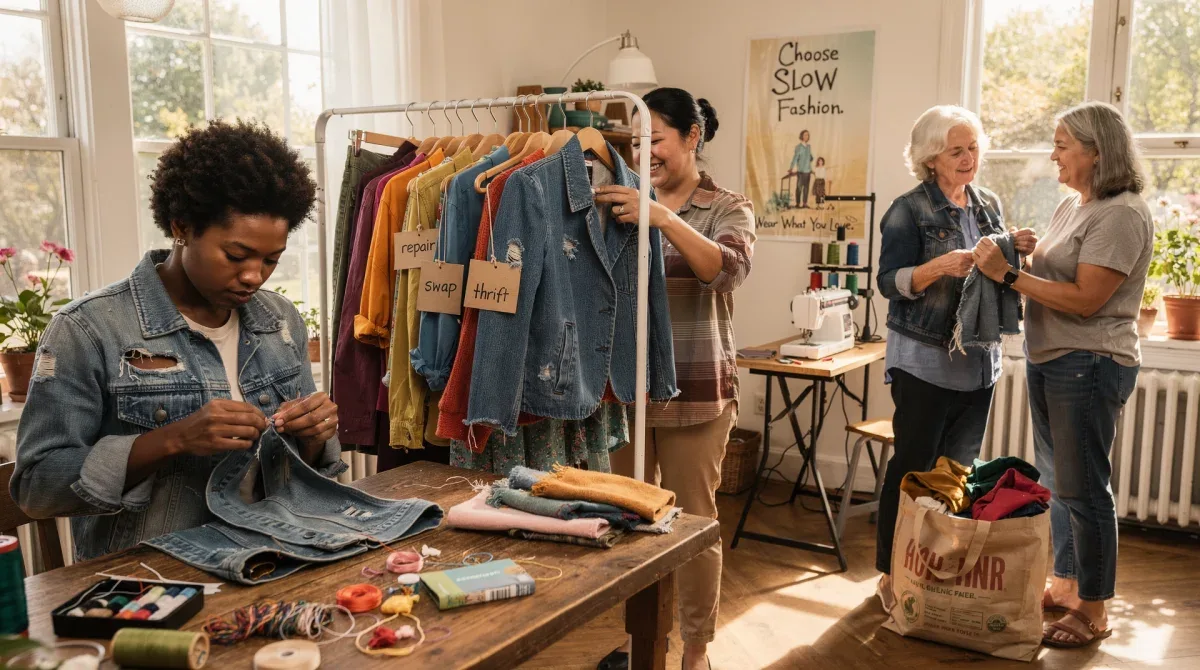
Cultivating a sustainable wardrobe is a powerful statement against the disposable nature of fast fashion and the micro-trend trap. It empowers individuals to make choices that are better for their finances, their style, and the planet, fostering a more responsible and meaningful engagement with fashion.
The Future of Fashion: Slow vs. Fast
The fashion industry stands at a crossroads, with a growing tension between the dominant fast fashion model and the emerging slow fashion movement. While fast fashion continues to push rapid consumption and micro-trends, slow fashion advocates for a more deliberate, ethical, and sustainable approach to clothing. The future of fashion will likely be shaped by how these two philosophies evolve and influence consumer choices and industry practices.
Slow fashion emphasizes quality, craftsmanship, and timeless design, encouraging consumers to buy less and choose well. It prioritizes transparency in supply chains, fair labor practices, and environmentally responsible production methods. This contrasts sharply with fast fashion's focus on speed, low cost, and trend-driven obsolescence. As consumers become more aware of the environmental and social costs of their clothing, the demand for sustainable and ethical alternatives is growing, pushing the industry towards a more responsible future.
The Rise of Conscious Consumerism
Conscious consumerism is gaining momentum as more people seek to align their purchasing decisions with their values. This involves researching brands, understanding product lifecycles, and choosing options that minimize negative impacts on the environment and society. The shift towards conscious consumerism is a powerful force driving change within the fashion industry, challenging the status quo of fast fashion.
- Ethical Sourcing: Consumers demand to know where and how their clothes are made.
- Environmental Impact: Preference for brands with sustainable practices and eco-friendly materials.
- Longevity: Desire for durable items that offer long-term value.
- Transparency: Brands are increasingly expected to be open about their supply chains and production methods.
The future of fashion is not just about what we wear, but how we wear it and what values our choices represent. The battle between slow and fast fashion highlights a fundamental choice: continue down the path of rapid consumption and environmental degradation, or embrace a more thoughtful, sustainable, and ultimately more fulfilling approach to personal style. The micro-trend trap serves as a stark reminder of the urgency of this decision.
| Key Point | Brief Description |
|---|---|
| Micro-Trend Definition | Hyper-specific, short-lived fashion trends, often fueled by social media, that quickly emerge and fade. |
| 60-Day Relevance Loss | 70% of fast fashion purchases lose relevance within two months due to rapid trend cycles. |
| Economic Impact | Frequent cheap purchases accumulate to significant spending, often leading to financial strain. |
| Environmental Cost | Fast fashion contributes to massive textile waste, pollution, and resource depletion. |
Frequently asked questions about the micro-trend trap
What exactly is a micro-trend?▼A micro-trend is a highly specific and extremely short-lived fashion trend that gains popularity rapidly, often through social media, and then quickly fades. Unlike broader fashion trends, micro-trends have a very limited lifespan, typically lasting only a few weeks or months, driving frequent consumer purchases.
Why do fast fashion purchases lose relevance so quickly?▼Fast fashion items lose relevance quickly due to the industry's rapid production cycle and the constant introduction of new micro-trends. Social media accelerates this by showcasing new styles daily, creating a desire for novelty that makes previous purchases feel outdated almost immediately.
How does the micro-trend trap affect my finances?▼While individual fast fashion items are cheap, the continuous cycle of buying new micro-trends leads to significant cumulative spending. This can deplete your budget, prevent investment in durable pieces, and result in a wardrobe full of unworn, low-quality garments, representing wasted money.
What are the environmental impacts of micro-trends?▼The rapid consumption fueled by micro-trends exacerbates textile waste, pollution from dyeing and manufacturing, and resource depletion. Cheap, synthetic materials used in fast fashion contribute to microplastic pollution and take centuries to decompose in landfills, harming ecosystems.
How can I break free from the micro-trend trap?▼Break free by practicing mindful consumption: prioritize quality over quantity, invest in timeless pieces, explore second-hand shopping, and repair or repurpose existing garments. Cultivating a capsule wardrobe and supporting sustainable brands also helps reduce reliance on fleeting micro-trends.
Conclusion
The micro-trend trap, where 70% of fast fashion purchases become irrelevant within 60 days, highlights a critical issue in modern consumer culture. This cycle, fueled by social media and rapid production, has profound economic, environmental, and personal implications. By understanding its mechanisms and consciously choosing mindful consumption over fleeting fads, individuals can reclaim their personal style, protect their finances, and contribute to a more sustainable and ethical future for the fashion industry. Breaking free from this trap is not just about changing buying habits, but about fostering a deeper, more responsible relationship with our clothing and the world around us.
