Digital Equity Initiative: 2026 Broadband Subsidy Qualifications
Advertisements
The Federal Digital Equity Initiative, through its 2026 National Broadband Subsidy Revisions, aims to expand internet access by defining specific eligibility criteria for individuals and households, focusing on underserved communities and addressing socioeconomic barriers to digital inclusion.
The landscape of digital access in the United States is undergoing significant transformation, particularly with the 2026 National Broadband Subsidy Revisions under the Federal Digital Equity Initiative. This pivotal initiative aims to bridge the persistent digital divide, ensuring that more Americans have access to affordable, high-speed internet. Understanding who qualifies under these updated guidelines is crucial for individuals, families, and communities looking to leverage these vital resources.
Understanding the Federal Digital Equity Initiative
The Federal Digital Equity Initiative represents a monumental commitment by the U.S. government to ensure that all Americans have the skills, technology, and access needed to participate fully in the digital world. This goes beyond just providing internet; it encompasses digital literacy, device access, and technical support. The initiative recognizes that reliable internet access is no longer a luxury but a fundamental necessity for education, employment, healthcare, and civic engagement.
Its foundational goal is to address the systemic inequalities that have left millions without adequate broadband. These disparities often fall along socioeconomic, geographic, and demographic lines, creating significant barriers to opportunity. The 2026 revisions are designed to refine and strengthen the program's reach, making it more effective and responsive to the evolving needs of the population.
The Evolution of Digital Equity Policies
Historically, efforts to expand internet access have seen various iterations, from early dial-up subsidies to current broadband programs. The shift towards a comprehensive digital equity framework acknowledges that connectivity alone is insufficient. It requires a holistic approach that considers the entire ecosystem of digital inclusion.
- Early Initiatives: Focused primarily on infrastructure development in underserved areas.
- Broadband Adoption Programs: Aimed at making internet services more affordable for low-income households.
- Digital Literacy Training: Recognized the need for skills development alongside access.
- Device Access Programs: Addressed the barrier of not owning necessary equipment.
The current initiative builds on these lessons, integrating them into a cohesive strategy that seeks to eliminate all forms of digital exclusion. The 2026 revisions are a testament to the government's adaptive approach, incorporating feedback and data to optimize the program's impact.
In conclusion, the Federal Digital Equity Initiative is a multifaceted program designed to ensure universal digital access and literacy. Its evolution reflects a deeper understanding of the complexities of the digital divide, with the 2026 revisions poised to make the initiative even more impactful by streamlining eligibility and expanding support.
Key Changes in the 2026 National Broadband Subsidy Revisions
The 2026 National Broadband Subsidy Revisions introduce several significant changes aimed at improving the efficiency and effectiveness of the federal program. These modifications are a direct response to lessons learned from previous iterations and an evolving understanding of the digital landscape. The goal is to maximize the impact of federal dollars, ensuring they reach those who need assistance most and are used to provide meaningful connectivity.
One of the primary areas of revision concerns the income thresholds and household definitions. Previously, some criteria might have unintentionally excluded deserving households or created administrative burdens. The new guidelines aim for greater clarity and broader inclusion where appropriate, while also tightening certain aspects to prevent misuse.
Revised Eligibility Criteria
The updated criteria for 2026 seek to simplify the application process and align eligibility with other federal assistance programs, reducing the need for applicants to provide redundant information. This streamlined approach is expected to increase participation rates among eligible individuals.
- Income Threshold Adjustments: Income limits are now more closely tied to the Federal Poverty Guidelines, with regional adjustments to account for varying costs of living across the United States.
- Household Definition Clarification: The definition of a household has been refined to better accommodate multi-generational families and non-traditional living arrangements, ensuring that all members who could benefit are considered.
- Expanded Program Linkages: Automatic eligibility through participation in other federal programs, such as SNAP, Medicaid, and certain housing assistance programs, has been broadened.
These adjustments are crucial for making the program more accessible and equitable. They reflect a commitment to reaching communities that have historically faced significant barriers to digital inclusion, including rural populations, tribal communities, and urban underserved areas.
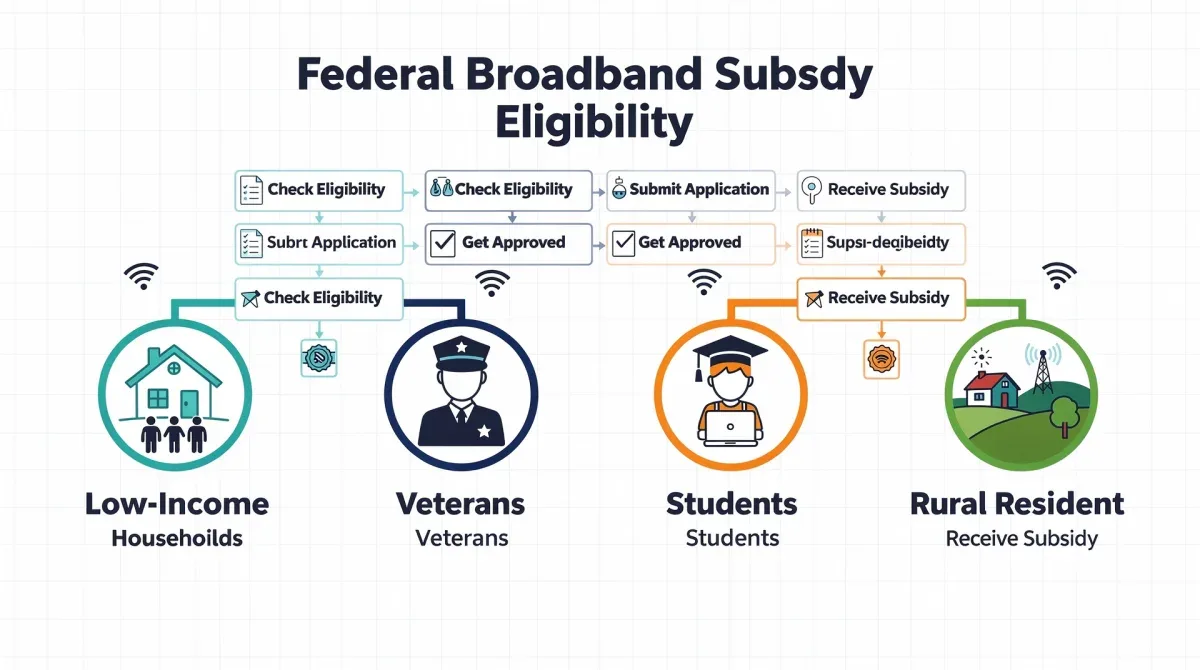
In essence, the 2026 revisions are about creating a more inclusive and efficient system for broadband subsidy distribution. By adjusting income thresholds, clarifying household definitions, and expanding program linkages, the initiative aims to simplify access for those who qualify and ensure the program's resources are effectively utilized to close the digital divide.
Who Qualifies: Specific Eligibility Categories

Understanding the specific eligibility categories under the 2026 National Broadband Subsidy Revisions is paramount for anyone seeking to benefit from the Federal Digital Equity Initiative. The program is designed to cast a wide net, ensuring that various demographics facing digital exclusion can access support. These categories are carefully defined to address different facets of socioeconomic vulnerability and geographic isolation.
The revisions emphasize a targeted approach, prioritizing those who are most likely to be disconnected due to financial constraints, disability, age, or location. This includes a strong focus on low-income households, veterans, individuals with disabilities, and residents of tribal lands, among others.
Low-Income Households and Federal Program Participants
A significant portion of the subsidy is directed towards households meeting specific income criteria or those already enrolled in other federal assistance programs. This cross-program eligibility simplifies the application process and reduces administrative burden for applicants.
- Income-Based Eligibility: Households with incomes at or below 200% of the Federal Poverty Guidelines are generally eligible. This threshold is designed to encompass a broad range of low-income families and individuals.
- SNAP/Medicaid Recipients: Automatic qualification is granted to households where at least one member receives benefits from the Supplemental Nutrition Assistance Program (SNAP) or Medicaid.
- Federal Public Housing Assistance: Participants in federal public housing programs, including Section 8, also qualify for the broadband subsidy.
- SSI and Veterans Pension: Individuals receiving Supplemental Security Income (SSI) or Veterans Pension and Survivors Benefits are eligible, recognizing their specific needs.
These provisions ensure that the program reaches a broad spectrum of financially vulnerable individuals and families, leveraging existing federal frameworks to streamline access to broadband support.
Other Qualifying Demographics
Beyond income and federal program participation, the 2026 revisions also recognize other groups that face significant barriers to digital equity. These categories acknowledge the diverse challenges that contribute to the digital divide.
For instance, students who receive Pell Grants are now specifically included, recognizing the critical role of internet access in higher education. This ensures that financial aid for tuition also extends to cover essential connectivity, supporting academic success.
Furthermore, residents of tribal lands are given special consideration, reflecting the historical disparities in infrastructure and access within these communities. The initiative aims to provide robust support to tribal nations in developing and sustaining their digital infrastructure and ensuring their members can access affordable internet services.
In summary, the eligibility criteria for the 2026 revisions are comprehensive, designed to support a wide array of individuals and households. By focusing on low-income thresholds, existing federal program participation, and specific demographics like students and tribal residents, the initiative strives for broad and equitable digital inclusion.
The Application Process for Broadband Subsidies
Navigating the application process for the National Broadband Subsidies under the Federal Digital Equity Initiative can seem daunting, but the 2026 revisions aim to make it more straightforward and user-friendly. The government has focused on creating accessible pathways for enrollment, both online and through community partners, to ensure that all eligible individuals can successfully apply.
The process typically involves verifying identity, income, and participation in other qualifying programs. Transparency and ease of access are key objectives, with resources available to guide applicants through each step. Understanding the required documentation and where to submit your application can significantly expedite the process.
Step-by-Step Application Guide
The application process is designed to be as simple as possible, with multiple avenues for assistance. Most applicants will find the online portal to be the most convenient method, but in-person support is also available.
- Check Eligibility: Before applying, verify if you meet the income thresholds or participate in any of the qualifying federal programs. The official program website provides a comprehensive eligibility checker.
- Gather Documents: Prepare necessary documentation such as proof of income (pay stubs, tax returns), identification (driver's license, state ID), and proof of participation in federal programs (award letters, benefit statements).
- Choose Application Method: You can apply online through the official Federal Digital Equity Initiative portal, or you can apply through participating internet service providers (ISPs) that offer the subsidy directly. Some community organizations also provide application assistance.
- Complete the Application: Fill out the application form accurately, providing all requested information. Double-check for any errors or omissions before submission.
- Await Approval: Once submitted, your application will be reviewed. You will typically receive a notification of approval or denial within a few weeks. If approved, you can then select a participating ISP and begin receiving the subsidy.
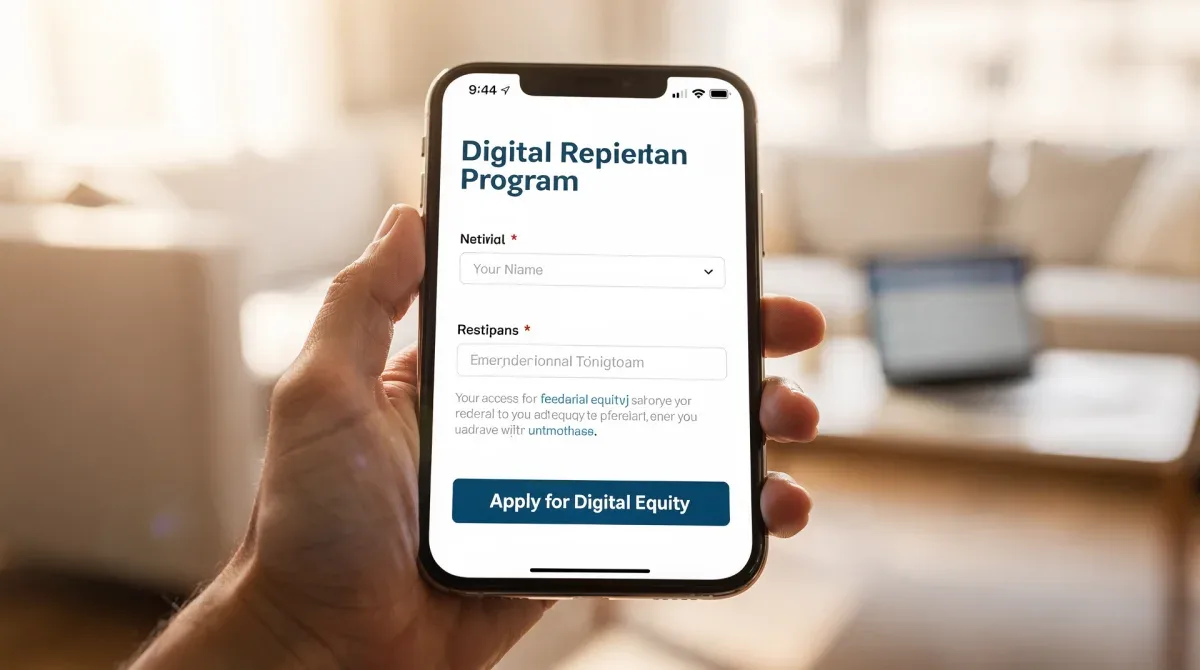
The government has also emphasized the role of community outreach and support. Many local libraries, non-profits, and social service agencies are equipped to provide hands-on assistance with the application, particularly for those who may not have internet access or are less familiar with online forms.
In essence, the application process for broadband subsidies has been refined to be more user-friendly and accessible. By providing clear steps, multiple application avenues, and community support, the Federal Digital Equity Initiative aims to ensure that eligible individuals can easily secure the connectivity they need.
Impact of Digital Equity on Underserved Communities
The Federal Digital Equity Initiative, particularly with its 2026 National Broadband Subsidy Revisions, promises to have a transformative impact on underserved communities across the United States. These communities, often characterized by lower income levels, geographic isolation, or specific demographic challenges, have historically faced significant barriers to digital inclusion. The initiative aims to dismantle these barriers, fostering greater equity and opportunity.
Closing the digital divide means more than just providing internet access; it means empowering individuals and communities with the tools and skills necessary to thrive in an increasingly digital world. This includes improved educational outcomes, enhanced economic opportunities, better access to healthcare, and increased civic participation.
Transforming Education and Employment
For underserved communities, reliable and affordable internet access can be a game-changer in education and employment. Students in these areas often struggle with remote learning or completing homework assignments due to lack of connectivity, putting them at a significant disadvantage.
- Enhanced Educational Opportunities: Access to online learning platforms, digital libraries, and educational resources levels the playing field for students, regardless of their socioeconomic background.
- Workforce Development: Broadband allows individuals to access online job training programs, certifications, and remote work opportunities, expanding their career prospects beyond local limitations.
- Entrepreneurship Support: Small businesses and entrepreneurs in underserved areas can leverage the internet to reach broader markets, access funding, and utilize digital tools for growth.
By providing consistent access, the initiative directly supports academic achievement and economic mobility, breaking cycles of poverty and disadvantage.
Healthcare Access and Civic Engagement
Beyond education and employment, digital equity profoundly impacts healthcare access and civic engagement, particularly for vulnerable populations. Telehealth services have become indispensable, yet inaccessible without reliable internet.
Furthermore, digital platforms are increasingly vital for accessing government services, participating in local governance, and staying informed about community issues. Without digital access, individuals can become isolated from essential services and civic life.
The initiative's focus on underserved communities ensures that these vital connections are established, promoting better health outcomes and fostering more engaged, informed citizens. This comprehensive approach underscores the profound societal benefits of universal digital inclusion.
In conclusion, the Federal Digital Equity Initiative is set to profoundly transform underserved communities. By addressing disparities in education, employment, healthcare, and civic engagement, the initiative empowers these populations, fostering greater equity and opening doors to new opportunities in the digital age.
Challenges and Future Outlook for Digital Equity
While the Federal Digital Equity Initiative and its 2026 National Broadband Subsidy Revisions represent a significant step forward, the path to universal digital equity is not without its challenges. Implementing such a large-scale program across a diverse nation like the United States requires continuous adaptation, robust oversight, and sustained commitment. Understanding these challenges is crucial for ensuring the long-term success and effectiveness of the initiative.
One of the persistent challenges lies in infrastructure development, especially in remote and rural areas where the cost of deploying high-speed broadband remains prohibitive. While subsidies help with affordability, the underlying physical infrastructure must be in place first. Furthermore, ensuring digital literacy and access to devices for all eligible individuals presents another layer of complexity that goes beyond just providing internet service.
Overcoming Implementation Hurdles
Effective implementation requires addressing a range of practical and logistical issues. These hurdles can slow down progress and impact the reach of the initiative if not managed proactively.
- Infrastructure Gaps: Despite significant investment, many areas still lack the necessary physical infrastructure for high-speed internet. Bridging these gaps requires continued public-private partnerships and innovative deployment strategies.
- Digital Literacy Barriers: Providing internet access is only part of the solution; many individuals lack the basic skills to effectively use digital tools. Comprehensive digital literacy programs are essential alongside connectivity.
- Device Access: Even with affordable internet, the cost of devices (computers, tablets) can be a barrier. Programs for subsidized or free devices are critical to ensuring full digital participation.
- Program Awareness: Ensuring that all eligible individuals are aware of the subsidies and how to apply remains a challenge, requiring extensive outreach and community engagement.
Addressing these challenges will require a multi-pronged approach that combines technological solutions, educational initiatives, and targeted community outreach.
The Long-Term Vision for Digital Inclusion
The future outlook for digital equity is optimistic, largely due to the sustained commitment from federal, state, and local governments, alongside private sector involvement. The 2026 revisions are a testament to an evolving strategy that learns from past experiences and adapts to new realities.
The long-term vision extends beyond merely connecting homes; it aims to create a digitally literate and empowered populace. This involves fostering a culture where digital skills are as fundamental as traditional literacy, and where technology serves as a tool for upward mobility and civic engagement for everyone.
In conclusion, while significant challenges remain in achieving universal digital equity, the Federal Digital Equity Initiative is poised to make substantial progress. By strategically addressing infrastructure, literacy, device access, and program awareness, the initiative is laying the groundwork for a more inclusive and connected future for all Americans.
Resources and Support for Applicants
For those interested in applying for the Federal Digital Equity Initiative's broadband subsidies under the 2026 revisions, a wealth of resources and support channels are available. Navigating federal programs can sometimes be complex, but the initiative has prioritized creating accessible information and assistance to ensure that eligible individuals can successfully enroll and benefit from the program.
These resources range from official government websites with detailed FAQs and eligibility checkers to local community organizations offering hands-on application support. Knowing where to turn for help can make a significant difference in the application process.
Official Information Channels
The primary source for accurate and up-to-date information regarding the Federal Digital Equity Initiative is the official government portal. This platform is designed to be a one-stop shop for all program-related inquiries.
- Program Website: The official website provides comprehensive details on eligibility, application procedures, participating internet service providers, and frequently asked questions. It is regularly updated with the latest revisions and guidelines.
- Help Desks and Hotlines: Dedicated help desks and toll-free hotlines are available to answer specific questions and provide personalized guidance to applicants. These services are staffed by knowledgeable representatives who can assist with various aspects of the application.
- Online Tools: Many online tools are available, including eligibility calculators and document checklists, to help applicants prepare their materials and determine their qualification status before beginning the formal application process.
These official channels are crucial for ensuring that applicants receive correct information directly from the source, minimizing confusion and potential errors.
Community and Local Support Networks
Beyond official government channels, a robust network of community and local organizations plays a vital role in supporting applicants. These groups often have a deep understanding of local needs and can provide tailored assistance.
Local libraries frequently serve as digital hubs, offering public internet access, computers, and even staff assistance for online applications. Non-profit organizations focused on social services, education, or technology access often host workshops, provide one-on-one counseling, and help with document preparation. These community partners are particularly valuable for individuals who may not have personal internet access or who require language assistance.
In essence, a comprehensive support system is in place to assist applicants with the Federal Digital Equity Initiative. By utilizing official government resources and engaging with local community networks, eligible individuals can confidently navigate the application process and secure the broadband subsidies they need to connect to the digital world.
| Key Point | Brief Description |
|---|---|
| Eligibility Revisions 2026 | Updated income thresholds and household definitions for broader inclusion. |
| Qualifying Categories | Includes low-income households, federal program participants (SNAP, Medicaid), veterans, and Pell Grant recipients. |
| Application Process | Streamlined online and in-person options with required documentation for verification. |
| Impact on Communities | Aims to enhance education, employment, healthcare, and civic engagement in underserved areas. |
Frequently Asked Questions About Digital Equity
What is the primary goal of the Federal Digital Equity Initiative?▼The primary goal is to ensure that all Americans have the necessary skills, technology, and access to affordable, high-speed internet. It aims to bridge the digital divide by addressing barriers like cost, lack of devices, and insufficient digital literacy, promoting full participation in the digital economy and society.
How do the 2026 revisions change eligibility for the broadband subsidy?▼The 2026 revisions update income thresholds to align with federal poverty guidelines and clarify household definitions. They also expand automatic eligibility through participation in more federal assistance programs like SNAP, Medicaid, and now include Pell Grant recipients for easier access.
What documents are needed to apply for the broadband subsidy?▼Applicants typically need proof of identity, proof of income (e.g., pay stubs, tax returns), or documentation proving participation in qualifying federal programs (e.g., benefit letters for SNAP or Medicaid). Specific requirements may vary, so checking the official website is recommended.
Can I apply if I already have an internet service?▼Yes, if you meet the eligibility criteria, you can apply for the subsidy even if you already have internet service. The subsidy is designed to make existing services more affordable or to help you upgrade to a higher-speed plan through a participating provider.
Where can I find help with my application?▼You can find help through the official Federal Digital Equity Initiative website, dedicated help hotlines, and participating internet service providers. Additionally, many local libraries, community centers, and non-profit organizations offer in-person assistance and guidance for applicants.
Conclusion
The Federal Digital Equity Initiative, with its significant 2026 National Broadband Subsidy Revisions, marks a crucial turning point in the nation's effort to achieve universal digital inclusion. By refining eligibility criteria, streamlining the application process, and targeting underserved communities, the initiative is poised to empower millions of Americans with the essential connectivity needed to thrive in the modern world. While challenges in infrastructure and digital literacy persist, the comprehensive approach and sustained commitment underscore a promising future where access to high-speed internet is a right, not a privilege, fostering greater equity and opportunity for all.