Multi-Generational Living: 28% Growth in US Households
Advertisements
The rapid growth of multi-generational living, marked by a 28% increase in shared household dynamics across the United States, is a profound social shift influenced by economic factors, cultural shifts, and evolving family support systems.
The landscape of American households is undergoing a significant transformation, with multi-generational living growth experiencing a notable 28% increase in shared household dynamics. This shift is not merely a statistical anomaly but a profound societal evolution, reshaping how families live, interact, and support one another in the modern era.
Understanding the rise of multi-generational households
The concept of multi-generational living, where three or more generations reside under one roof, is deeply rooted in human history, yet its recent resurgence in the United States signals a compelling response to contemporary challenges and opportunities. This trend, particularly the 28% increase, reflects a complex interplay of economic pressures, changing demographics, and evolving social values.
Historically, shared living arrangements were common, driven by necessity and cultural norms. However, the post-World War II era in the U.S. saw a significant move towards nuclear family structures. The current reversal indicates that many families are finding renewed value in cohabitation, driven by both practical benefits and emotional enrichment. This societal pivot is challenging traditional notions of independence and family structure, bringing both advantages and complexities.
Economic drivers behind the shift
One of the most significant factors propelling the growth of multi-generational living is economic necessity. The rising cost of living, including housing, childcare, and elder care, has made independent living increasingly difficult for many individuals and families. Shared households offer a practical solution to these financial burdens, allowing resources to be pooled and expenses to be distributed among more income earners.
- Housing affordability: Skyrocketing housing prices and rental costs in many urban and suburban areas make it challenging for young adults to afford their own homes and for seniors to maintain independent living without financial strain.
- Childcare expenses: The exorbitant cost of childcare often forces parents to seek alternative solutions, with grandparents readily available under the same roof providing a cost-effective and loving option.
- Elder care costs: As the population ages, the need for elder care increases. Home-based care within a multi-generational setting can significantly reduce the financial burden of assisted living facilities or in-home professional care.
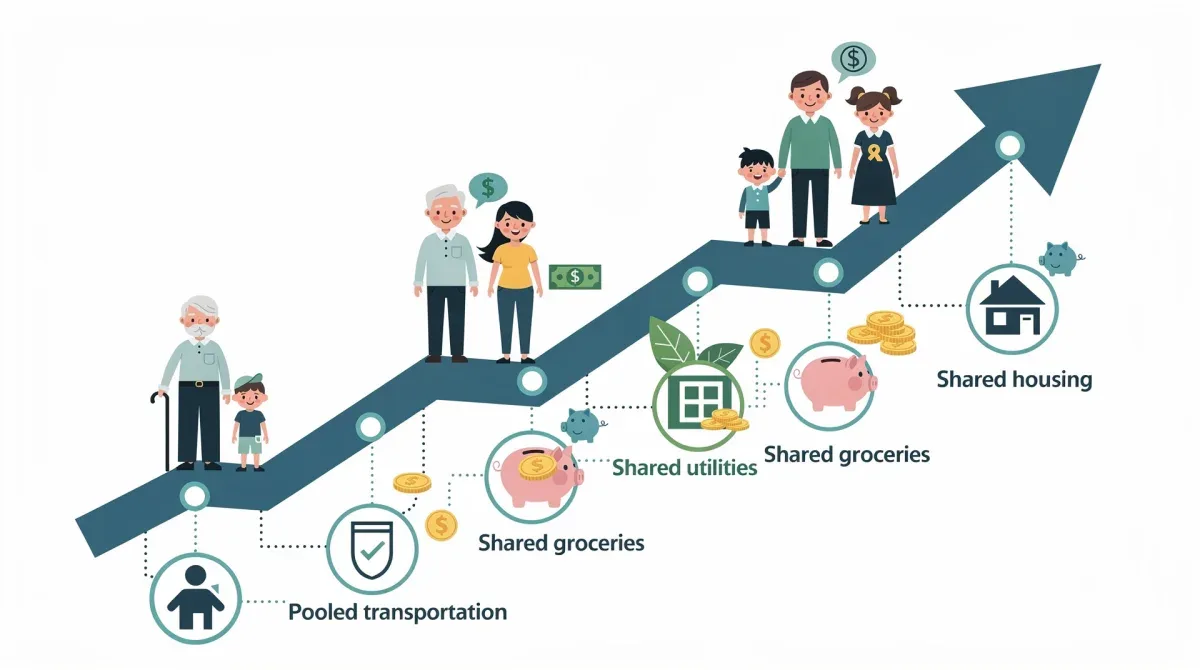
Beyond these immediate financial benefits, multi-generational living can also facilitate wealth building and intergenerational transfers of knowledge and assets. For example, older generations might contribute to a down payment on a larger home, while younger generations handle maintenance and daily expenses, creating a symbiotic financial relationship. This collaborative approach to finances not only eases immediate burdens but also fosters long-term financial stability for the entire family unit.

In conclusion, the resurgence of multi-generational living is a multifaceted phenomenon, with economic factors playing a pivotal role. The financial advantages, coupled with the inherent support systems, make this living arrangement an increasingly attractive option for families navigating the complexities of modern life. Understanding these drivers is crucial to appreciating the broader implications of this significant social trend.
Demographic shifts and cultural influences
Beyond economics, demographic shifts and evolving cultural perspectives are powerful forces contributing to the 28% increase in multi-generational living. The changing age structure of the population, coupled with a growing appreciation for diverse cultural traditions, is reshaping household compositions across the United States.
The aging of the baby boomer generation, combined with declining birth rates in some demographics, means there are more older adults who may require support, and fewer younger individuals to provide it in traditional nuclear family settings. This creates a natural impetus for families to consolidate households, ensuring that elders receive the care they need while maintaining family bonds.
Cultural values and immigrant populations
Cultural values also play a significant role in the acceptance and promotion of multi-generational households. Many immigrant communities in the U.S. traditionally embrace multi-generational living as a norm, viewing it as a cornerstone of family strength, mutual support, and cultural preservation. As these communities grow and integrate, their living practices influence broader societal trends.
- Strong family ties: For many cultures, living with extended family is a deeply ingrained value, fostering strong intergenerational bonds and a sense of collective responsibility.
- Caregiving tradition: Providing care for elderly parents or grandparents at home is often seen as a filial duty and a way to honor elders, rather than outsourcing it to external institutions.
- Cultural preservation: Multi-generational homes can serve as vital hubs for passing down traditions, language, and cultural practices to younger generations, ensuring their continuity.
Furthermore, there's a growing appreciation among younger generations for the wisdom and experience that older family members bring. This isn't just about practical help; it's about a desire for deeper connections and a richer family life. The isolation often associated with modern individualistic lifestyles is being challenged by a renewed interest in communal living, where shared experiences and mutual support are prioritized.
In summary, the demographic shifts, particularly the aging population, combined with the strong cultural traditions of many American families and immigrant communities, are foundational to the sustained growth of multi-generational living. These factors underscore a broader societal movement towards more interconnected and supportive family structures, moving beyond purely economic considerations.
Benefits extending beyond financial savings
While economic advantages are a primary driver, the benefits of multi-generational living extend far beyond mere financial savings. The 28% increase in these households highlights a growing recognition of the profound social, emotional, and practical advantages that come with living together. These benefits contribute significantly to the well-being of all family members, from the youngest to the oldest.
The enhanced social support system within a multi-generational home can act as a buffer against life's stresses. Children often thrive with multiple caregivers and role models, gaining diverse perspectives and a richer sense of family history. Adults benefit from shared responsibilities and emotional companionship, while seniors often experience reduced loneliness and a greater sense of purpose by contributing to daily family life.
Enhanced emotional well-being and support
One of the most compelling non-financial benefits is the significant boost to emotional well-being. Living with family members across different generations can foster stronger bonds, provide a built-in support network, and reduce feelings of isolation.
- Reduced loneliness: Especially for seniors, living with family can combat loneliness and provide constant companionship and engagement.
- Shared responsibilities: The distribution of household tasks, childcare, and elder care among multiple adults can alleviate stress and burnout for individual family members.
- Intergenerational learning: Grandparents can share life wisdom and skills with younger generations, while children can introduce elders to new technologies and ideas, fostering a dynamic learning environment.
Beyond these, the presence of multiple generations can create a more resilient family unit. During times of crisis, illness, or unemployment, the collective strength and resources of a multi-generational household offer a safety net that single-family units might lack. This inherent support system fosters a sense of security and belonging that is invaluable in an unpredictable world.
Ultimately, the rise of multi-generational living is driven by a holistic understanding of well-being. Families are increasingly recognizing that the emotional richness, practical support, and enhanced quality of life offered by these arrangements are just as, if not more, important than the financial savings alone. This comprehensive view underpins the sustained growth of this living model.
Challenges and considerations for shared households
Despite the numerous benefits, the rapid growth of multi-generational living also brings its own set of unique challenges and considerations. Navigating these complexities effectively is crucial for the success and harmony of shared household dynamics. The 28% increase means more families are encountering these issues, necessitating thoughtful planning and communication.
Living with multiple generations under one roof requires a delicate balance of individual needs and collective harmony. Differences in lifestyle, communication styles, personal space requirements, and financial expectations can lead to friction if not addressed proactively. Establishing clear boundaries and open channels of communication from the outset is paramount to mitigating potential conflicts.

Navigating privacy and personal space
One of the most frequently cited challenges in multi-generational homes is the issue of privacy and personal space. Each generation has different expectations regarding solitude and individual autonomy, which can be difficult to accommodate in a shared environment.
- Defining personal zones: Clearly designating private areas for each family member, such as bedrooms or specific sitting areas, can help maintain a sense of personal space.
- Respecting boundaries: Establishing ground rules about knocking before entering, noise levels, and shared common areas is essential for mutual respect.
- Lifestyle differences: Varying sleep schedules, entertainment preferences, and social habits across generations can lead to conflicts if not openly discussed and compromised upon.
Beyond personal space, financial arrangements also require careful consideration. Deciding how to share expenses, contribute to household income, and manage joint accounts can be a source of tension. It is advisable to have transparent discussions about financial contributions, responsibilities, and future planning to avoid misunderstandings. Legal agreements or written understandings can also be beneficial in clarifying these arrangements.
In conclusion, while multi-generational living offers significant advantages, it is not without its hurdles. Successfully navigating issues of privacy, personal space, financial contributions, and communication requires patience, empathy, and a commitment from all family members to work together. Addressing these challenges head-on ensures that the shared living experience remains positive and sustainable.
Designing homes for multi-generational comfort
As multi-generational living continues its rapid ascent, evidenced by the 28% increase in shared households, the demand for homes designed to accommodate diverse family needs is also growing. Architects, builders, and homeowners are increasingly focusing on creating spaces that foster togetherness while respecting individual privacy and accessibility requirements. This involves thoughtful planning and innovative design solutions.
The ideal multi-generational home is not just a larger house; it’s a strategically laid-out space that allows for both communal interaction and private retreat. This might involve separate living suites, multiple master bedrooms, or adaptable common areas that can serve various functions throughout the day. The goal is to create an environment where every family member feels comfortable, respected, and has their needs met.
Key design elements for shared living
Effective multi-generational home design incorporates several key elements to enhance comfort and functionality for all residents. These elements address the specific requirements of different age groups and promote harmonious cohabitation.
- Separate living spaces: Incorporating distinct living areas, such as a basement apartment, an in-law suite, or even a second master bedroom with its own bathroom, provides essential privacy.
- Universal design principles: Features like wider doorways, zero-entry showers, grab bars, and ramps ensure accessibility for individuals with mobility challenges, benefiting both seniors and young children.
- Multiple common areas: Having more than one living room, dining area, or kitchen allows for flexibility and reduces potential conflicts over shared spaces.
Furthermore, considerations for noise reduction, such as soundproofing between units or strategic placement of bedrooms, can significantly improve the living experience. Outdoor spaces also play a crucial role, providing areas for recreation, relaxation, and family gatherings. Gardens, patios, or dedicated play areas can enhance the overall quality of life for everyone in the household.
In essence, designing for multi-generational comfort is about creating flexible, adaptable, and inclusive environments. It’s an investment in the long-term harmony and well-being of the family, ensuring that the physical structure of the home supports the complex and evolving dynamics of shared living. This proactive approach is vital for the success of these increasingly common household arrangements.
The future trajectory of multi-generational living
The significant 28% increase in multi-generational living is not merely a fleeting trend but a strong indicator of a shifting societal paradigm with a considerable future trajectory. As demographic and economic pressures persist and cultural values continue to evolve, multi-generational households are poised to become an even more entrenched feature of the American landscape. Understanding this trajectory is crucial for urban planners, policymakers, and families alike.
Several factors suggest that this growth will continue, if not accelerate. The ongoing challenges of housing affordability, the rising costs of childcare and elder care, and the desire for stronger family bonds are not likely to diminish in the near future. Instead, these elements will likely reinforce the appeal and necessity of shared living arrangements, driving further innovation in housing and community development.
Policy and community support
As multi-generational living becomes more prevalent, there will be an increasing need for policy and community support to facilitate these arrangements. Local governments and housing authorities will likely need to adapt zoning laws, building codes, and community resources to better serve the needs of diverse, multi-generational households.
- Flexible zoning laws: Reforming zoning to allow for accessory dwelling units (ADUs) or duplex conversions can make it easier for families to create multi-generational living spaces.
- Community programs: Developing community programs that support intergenerational activities and offer resources for shared living challenges can strengthen these households.
- Financial incentives: Offering tax breaks or grants for families investing in multi-generational home modifications could further encourage this trend.
Moreover, the rise of technology will continue to play a role in enhancing multi-generational living. Smart home systems can improve accessibility and safety for seniors, while digital communication tools can help manage schedules and foster connection among busy family members. The integration of technology can streamline daily life and reduce potential sources of friction within shared households.
In conclusion, the future of multi-generational living appears robust and dynamic. It represents a powerful response to the evolving needs of families in the 21st century, offering a resilient model for support, connection, and economic stability. As society continues to adapt, multi-generational households will undoubtedly remain a vital component of the social fabric.
Navigating the legal and financial aspects
The 28% increase in multi-generational living underscores the growing importance of understanding the legal and financial intricacies involved in these shared arrangements. While the emotional and practical benefits are clear, families embarking on this path must proactively address potential legal and financial hurdles to ensure a smooth and equitable living situation for everyone involved. This often requires careful planning and, at times, professional advice.
Establishing clear agreements from the outset can prevent misunderstandings and conflicts down the line. This includes determining property ownership, outlining financial contributions, and addressing inheritance planning. Without proper documentation, complex situations can arise, especially in the event of unforeseen circumstances or changes in family dynamics. Proactive legal and financial planning is an investment in the long-term harmony of the household.
Essential legal considerations
Several legal aspects demand attention when establishing a multi-generational household, particularly concerning property and estate planning. These considerations ensure that the interests of all parties are protected and that future transitions are handled smoothly.
- Property ownership structures: Deciding whether the property will be jointly owned, owned by one individual with a life estate for others, or structured as a trust, has significant implications for taxes, inheritance, and control.
- Living agreements: Creating a formal living agreement, even if informal initially, can outline responsibilities, financial contributions, rules for shared spaces, and dispute resolution mechanisms.
- Estate planning: Updating wills, trusts, and power of attorney documents is crucial to reflect the multi-generational living arrangement and ensure that assets are distributed according to family wishes.
On the financial front, transparent discussions about shared expenses, individual contributions, and emergency funds are paramount. Families should consider creating a joint budget, establishing a system for bill payments, and agreeing on how major household repairs or improvements will be funded. Furthermore, understanding the tax implications of multi-generational living, such as property tax exemptions or caregiver tax credits, can lead to significant savings.
In conclusion, while the idea of multi-generational living is often driven by emotional and practical needs, neglecting the legal and financial dimensions can lead to considerable stress and conflict. By taking the time to plan, document agreements, and seek professional advice when necessary, families can create a secure and equitable foundation for their shared household, ensuring its long-term success and stability.
| Key Aspect | Brief Description |
|---|---|
| Growth Rate | Multi-generational households increased by 28% in the US, reflecting a significant social trend. |
| Key Drivers | Economic pressures, changing demographics, and cultural values are primary factors. |
| Benefits | Financial savings, enhanced emotional support, and intergenerational learning. |
| Challenges | Privacy concerns, financial agreements, and communication differences. |
Frequently asked questions about multi-generational living
What defines a multi-generational household?▼A multi-generational household typically consists of three or more generations living together under one roof. This can include grandparents, parents, and children, or other combinations of extended family members sharing living spaces and often resources, driven by various social and economic factors.
Why is multi-generational living increasing in the US?▼The increase is primarily due to economic pressures like high housing costs, rising childcare and elder care expenses, and evolving cultural preferences. Many families also seek stronger social support, reduced loneliness, and the benefits of shared responsibilities in a complex modern world.
What are the main benefits of multi-generational living?▼Benefits include significant financial savings through shared expenses, enhanced emotional support and companionship, built-in childcare and elder care, and opportunities for intergenerational learning and cultural exchange, fostering stronger family bonds and resilience.
What challenges do multi-generational households face?▼Common challenges involve navigating privacy and personal space, managing financial contributions and expectations, resolving communication differences between generations, and ensuring fair distribution of household responsibilities. Proactive planning and open dialogue are essential.
How can homes be designed for multi-generational comfort?▼Effective design includes creating separate living suites or multiple master bedrooms, incorporating universal design principles for accessibility, and providing multiple common areas. Thoughtful layouts and soundproofing can enhance both togetherness and individual privacy, catering to diverse needs.
Conclusion
The 28% increase in multi-generational living across the United States is a powerful testament to its growing relevance in contemporary society. This trend, fueled by a confluence of economic imperatives, demographic shifts, and a renewed appreciation for family cohesion, offers a robust framework for navigating modern challenges. While presenting its own set of complexities, the benefits of shared support, financial stability, and emotional enrichment make multi-generational households an increasingly attractive and sustainable living model for countless families, shaping the future of community and domestic life.