Navigating the U.S. Tech Talent Gap: 2026 Recruitment & Retention

The persistent U.S. tech talent gap demands innovative recruitment and retention strategies by 2026, requiring companies to proactively adapt to technological shifts and workforce expectations to secure and maintain skilled professionals.
Navigating the U.S. tech talent gap is more critical than ever as we approach 2026, posing significant challenges and opportunities for companies striving to innovate and grow. The landscape of technology evolves at an unprecedented pace, making the acquisition and retention of skilled professionals a top priority for businesses across the nation.
Understanding the Evolving Tech Landscape
The U.S. tech landscape is a dynamic ecosystem, constantly reshaped by emerging technologies and shifting market demands. Companies must not only keep pace but anticipate future trends to remain competitive.
This rapid evolution creates a unique set of challenges in talent acquisition. As new specialties emerge, the pool of qualified candidates often struggles to keep up, leading to fierce competition for top talent.
Key Technological Drivers
Several technological advancements are fueling this demand for specialized skills. Understanding these drivers is crucial for strategic workforce planning.
- Artificial Intelligence and Machine Learning: The widespread adoption of AI and ML across industries necessitates experts in data science, algorithm development, and ethical AI.
- Cybersecurity: With increasing cyber threats, demand for cybersecurity professionals continues to outpace supply, making secure systems a paramount concern.
- Cloud Computing: Cloud architecture, migration, and management skills are essential as more businesses shift their operations to cloud-based platforms.
- Data Analytics and Big Data: The ability to interpret vast datasets to inform business decisions is highly valued, driving demand for data analysts and engineers.
Beyond these specific areas, a general proficiency in digital transformation and agile methodologies is becoming a baseline expectation. Companies that fail to recognize and invest in these areas risk falling behind their competitors.
The tech landscape’s constant flux means that skills acquired today may become obsolete tomorrow. This emphasizes the need for continuous learning and development within the workforce, a factor that progressive companies are increasingly integrating into their talent strategies.
The Current State of the U.S. Tech Talent Gap
The U.S. tech talent gap is not a new phenomenon, but it is intensifying. Reports consistently highlight a significant disparity between the number of available tech positions and the supply of qualified candidates.
This gap has far-reaching consequences, impacting innovation, project timelines, and overall economic growth. Businesses are often forced to delay critical initiatives or scale back ambitions due to a lack of skilled personnel.
Quantifying the Shortage
While exact figures vary by source and methodology, the consensus is clear: there aren’t enough tech professionals to meet current and projected demand. Certain roles, such as AI specialists and cybersecurity experts, face particularly acute shortages.
- Projected Demand: By 2026, several million new tech jobs are expected to be created, further widening the gap if current trends persist.
- Skills Mismatch: Many graduates lack the specific, hands-on skills required by employers, pointing to a disconnect between academic curricula and industry needs.
- Geographic Disparities: While tech hubs face intense competition, other regions struggle to attract and retain tech talent, exacerbating the national problem.
The economic implications of this talent gap are substantial. Companies often incur higher recruitment costs, increased salaries, and potential loss of market share to competitors who successfully attract talent. Moreover, it can stifle entrepreneurial activity and slow down technological adoption.
Addressing this gap requires a multifaceted approach, involving collaboration between educational institutions, government bodies, and the private sector. It’s a national challenge that demands a collective effort to cultivate a robust tech workforce for the future.
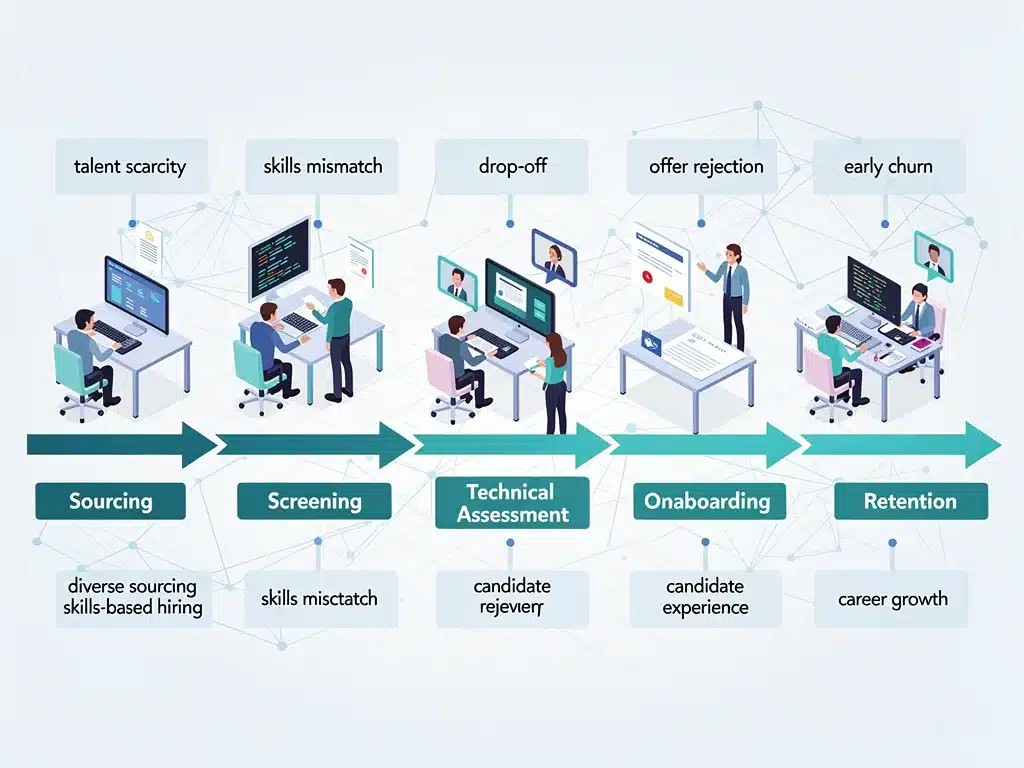
The current state of the U.S. tech talent gap underscores the urgency for organizations to implement proactive and innovative strategies to secure the human capital necessary for growth and competitive advantage in the rapidly evolving digital economy.
Innovative Recruitment Strategies for 2026
To effectively address the U.S. tech talent gap, companies must move beyond traditional recruitment methods and embrace innovative approaches. The competition for skilled professionals is too fierce to rely on outdated practices.
Recruitment in 2026 will be characterized by a blend of technology-driven solutions and human-centric approaches, focusing on candidate experience and long-term potential.
Leveraging AI and Data Analytics in Hiring
Artificial intelligence and data analytics are transforming how companies identify, attract, and evaluate candidates. These tools can streamline processes and reduce unconscious bias.
- Predictive Analytics: Using data to forecast future hiring needs and identify potential talent pools before shortages become critical.
- AI-Powered Sourcing: Algorithms can scan vast databases of profiles to find candidates with specific skills and experiences, even those not actively seeking new roles.
- Automated Screening: AI can help filter applications, freeing up recruiters to focus on more strategic tasks and personalized interactions.
- Skill-Based Hiring: Moving beyond traditional resumes to assess candidates based on demonstrable skills and potential, often through coding challenges or project-based assessments.
Beyond technology, a significant shift in mindset is required. Companies should view recruitment not merely as filling a vacancy but as building a relationship with potential employees. This involves transparent communication, clear career pathing, and a focus on cultural fit from the outset.
Another critical aspect of innovative recruitment is diversifying talent pipelines. This means looking beyond traditional universities and considering candidates from coding bootcamps, vocational programs, and even self-taught individuals who demonstrate strong aptitude and passion for technology. Embracing a wider range of backgrounds can bring fresh perspectives and skills to a team.
Effective Retention Strategies in a Competitive Market
Recruiting top tech talent is only half the battle; retaining them in a highly competitive market is equally, if not more, challenging. High turnover rates can be costly, impacting productivity, morale, and institutional knowledge.
Effective retention strategies in 2026 will focus on fostering a supportive work environment, offering meaningful career development, and providing competitive, holistic compensation packages.
Prioritizing Employee Well-being and Flexibility
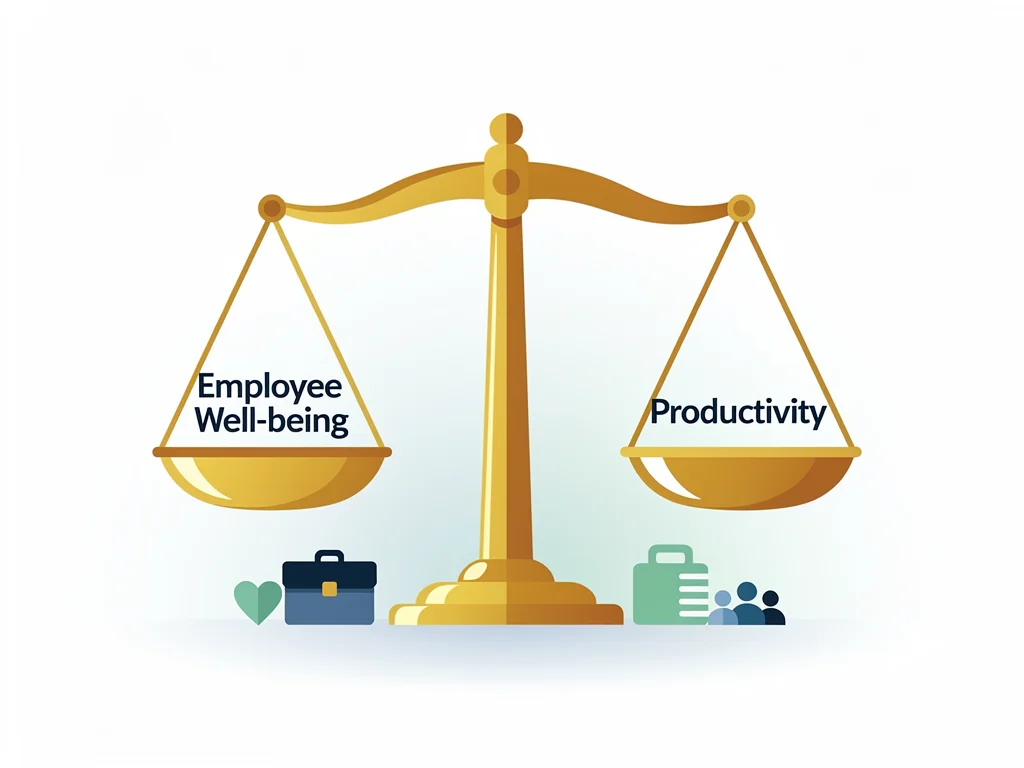
The modern tech professional values work-life balance and mental well-being more than ever. Companies that prioritize these aspects are more likely to retain their valuable employees.
- Flexible Work Arrangements: Offering remote work options, flexible hours, and hybrid models to accommodate diverse needs and preferences.
- Mental Health Support: Providing access to mental health resources, counseling services, and promoting a culture where well-being is openly discussed and supported.
- Work-Life Integration: Encouraging employees to disconnect and recharge, preventing burnout, and promoting a healthy balance between professional and personal life.
Beyond well-being, career growth opportunities are paramount for tech professionals. They seek continuous learning, skill development, and clear pathways for advancement. Companies should invest in internal training programs, mentorship initiatives, and opportunities for employees to work on challenging, impactful projects that align with their career aspirations.
Furthermore, fostering a strong company culture built on trust, transparency, and inclusivity is a powerful retention tool. Employees want to feel valued, heard, and part of a larger mission. Regular feedback mechanisms, recognition programs, and opportunities for collaboration can significantly enhance employee loyalty and reduce the likelihood of them seeking opportunities elsewhere.
Cultivating a Strong Employer Brand and Culture
In the quest to bridge the U.S. tech talent gap, a strong employer brand and a vibrant company culture are invaluable assets. These elements differentiate an organization from its competitors and attract candidates who align with its values.
An employer brand is more than just a logo; it’s the reputation a company has as an employer, shaped by its values, employee experiences, and public perception.
Building an Authentic and Inclusive Culture
An authentic company culture is one that is genuinely lived and breathed by its employees, not just a set of values posted on a wall. Inclusivity plays a crucial role in attracting and retaining diverse talent.
- Transparent Communication: Fostering open dialogue, sharing company vision and challenges, and ensuring employees feel informed and heard.
- Diversity, Equity, and Inclusion (DEI) Initiatives: Implementing concrete programs that promote diversity in hiring, ensure equitable opportunities, and create an inclusive environment where all employees feel they belong.
- Employee Recognition: Regularly acknowledging and rewarding contributions, both big and small, to reinforce positive behaviors and boost morale.
- Purpose-Driven Work: Connecting employees’ daily tasks to the company’s larger mission and societal impact, providing a sense of purpose and meaning.
A positive culture goes hand-in-hand with an attractive employer brand. When employees are genuinely happy and engaged, they become powerful advocates for the company, sharing their positive experiences and attracting like-minded individuals. This organic word-of-mouth marketing is often more effective than any paid advertising campaign.
Moreover, companies should actively solicit employee feedback and act upon it. This demonstrates a commitment to continuous improvement and shows that employee opinions are valued. A culture of continuous feedback, coupled with a willingness to adapt and evolve, can significantly enhance both the employer brand and overall employee satisfaction, making it easier to navigate the competitive tech talent market.
Strategic Partnerships and Workforce Development
Addressing the persistent U.S. tech talent gap requires a collaborative approach that extends beyond individual company efforts. Strategic partnerships and robust workforce development initiatives are essential to cultivate a sustainable pipeline of skilled professionals.
No single entity can solve this complex challenge alone. By working together, businesses, educational institutions, and government agencies can create more effective solutions.
Collaborating with Academia and Vocational Programs
Bridging the gap between academic learning and industry needs is crucial. Partnerships with universities, community colleges, and vocational schools can ensure that curricula are aligned with current and future tech demands.
- Internship and Apprenticeship Programs: Offering hands-on experience to students and recent graduates, providing them with practical skills and a pathway to employment.
- Curriculum Development Input: Industry experts collaborating with educators to design courses that teach relevant technologies and methodologies.
- Guest Lecturers and Mentorships: Professionals sharing their real-world experience with students, inspiring and guiding the next generation of tech talent.
- Research Partnerships: Collaborating on R&D projects that benefit both academic research and industry innovation, while also developing talent.
Beyond formal education, investing in internal upskilling and reskilling programs is a vital component of workforce development. Many existing employees possess foundational skills that can be adapted to new tech roles with targeted training. This not only fills critical skill gaps but also boosts employee morale and loyalty by demonstrating a commitment to their professional growth.
Government initiatives and funding can also play a significant role. Policies that support STEM education, provide incentives for tech companies to invest in training, and facilitate immigration for highly skilled tech workers can collectively contribute to alleviating the talent shortage. A holistic approach, involving all stakeholders, is the most effective way to build a resilient and capable tech workforce for 2026 and beyond.
| Key Strategy | Brief Description |
|---|---|
| Innovative Recruitment | Utilizing AI, data analytics, and skill-based hiring to identify and attract diverse tech talent. |
| Effective Retention | Prioritizing employee well-being, offering flexible work, and fostering continuous career development. |
| Employer Branding | Building an authentic, inclusive company culture that attracts and retains talent through strong reputation. |
| Strategic Partnerships | Collaborating with academia, vocational programs, and government for workforce development and skill alignment. |
Frequently Asked Questions About Tech Talent
The primary cause is the rapid pace of technological innovation, which creates demand for specialized skills faster than the existing workforce or educational systems can supply them. A skills mismatch between graduates and industry needs also contributes significantly.
Companies can attract top talent by embracing AI-powered recruitment, prioritizing skill-based hiring over traditional credentials, offering competitive compensation and benefits, and cultivating a strong, inclusive employer brand that resonates with modern tech professionals.
Company culture is paramount. A positive, inclusive, and supportive culture, coupled with transparent communication and opportunities for growth, significantly enhances employee loyalty and satisfaction, reducing turnover in the competitive tech market.
Yes, remote and hybrid work options are highly beneficial. They expand the talent pool beyond geographical limitations, allowing companies to tap into a wider array of skilled professionals and offering the flexibility many tech workers now expect and value.
Businesses can partner effectively by collaborating on curriculum development, offering internships and apprenticeships, providing industry experts as guest lecturers, and engaging in joint research projects to align academic output with real-world industry demands.
Conclusion
Navigating the U.S. tech talent gap in 2026 demands a proactive, multi-faceted approach from organizations. The insights shared underscore that success hinges not just on innovative recruitment tactics, but equally on robust retention strategies, a compelling employer brand, and strategic collaborations. As the tech landscape continues its relentless evolution, companies that prioritize continuous learning, employee well-being, and genuine inclusivity will be best positioned to attract, develop, and retain the skilled professionals critical for future innovation and sustained growth. The challenge is significant, but with strategic foresight and adaptive practices, the U.S. tech industry can transform this gap into an opportunity for enduring strength and leadership.