The Great Resignation’s 2026 Evolution: US Workforce Shifts

By 2026, the Great Resignation is evolving into a more nuanced landscape, driven by a significant 15% shift in US workforce priorities emphasizing flexibility, well-being, and a stronger sense of purpose beyond traditional compensation.
The landscape of work in the United States is undergoing a profound transformation, with the echoes of the Great Resignation continuing to shape employee expectations. By 2026, this phenomenon has evolved, revealing a crucial 15% shift in US workforce priorities that demands attention from both employers and policymakers. Understanding this dynamic change is not merely academic; it is essential for fostering sustainable growth, retaining top talent, and building resilient organizations in the years to come.
The enduring legacy of the Great Resignation
The initial wave of the Great Resignation, triggered by the pandemic, saw millions of American workers voluntarily leaving their jobs. This mass exodus was initially driven by a combination of factors, including burnout, a desire for better pay, and a reevaluation of life priorities. However, as we look towards 2026, the nature of this movement has matured. It’s no longer just about leaving; it’s about discerning what truly matters in a professional environment and actively seeking it out.
This evolution signifies a deeper, more structural change in the relationship between employees and employers. The power dynamic has shifted, empowering workers to demand more than just a paycheck. They are now actively seeking workplaces that align with their values, support their well-being, and offer genuine opportunities for growth and fulfillment. Companies that fail to recognize and adapt to these new demands risk falling behind in the competitive talent market.
From mass exodus to selective pursuit
While the sheer volume of resignations might have stabilized, the underlying sentiment driving the Great Resignation persists. The current phase, often termed the ‘Great Re-evaluation’ or ‘Great Renegotiation,’ is characterized by employees being more strategic in their career moves. They are not just quitting impulsively; they are carefully considering their next steps, often leveraging their experience and new skills to secure roles that offer a better overall package of benefits, not solely financial ones.
- Burnout prevention: Employees are prioritizing roles that offer sustainable workloads and foster mental health.
- Skill development: Opportunities for continuous learning and career advancement are highly valued.
- Ethical alignment: Workers seek companies whose values resonate with their personal beliefs.
The enduring legacy of this period is a more informed and empowered workforce. Employees are keenly aware of their market value and are less willing to tolerate suboptimal working conditions. This ongoing pressure forces organizations to innovate their talent strategies and create environments where employees feel valued and supported, reflecting a significant shift in US workforce priorities.
The pivotal 15% shift in US workforce priorities
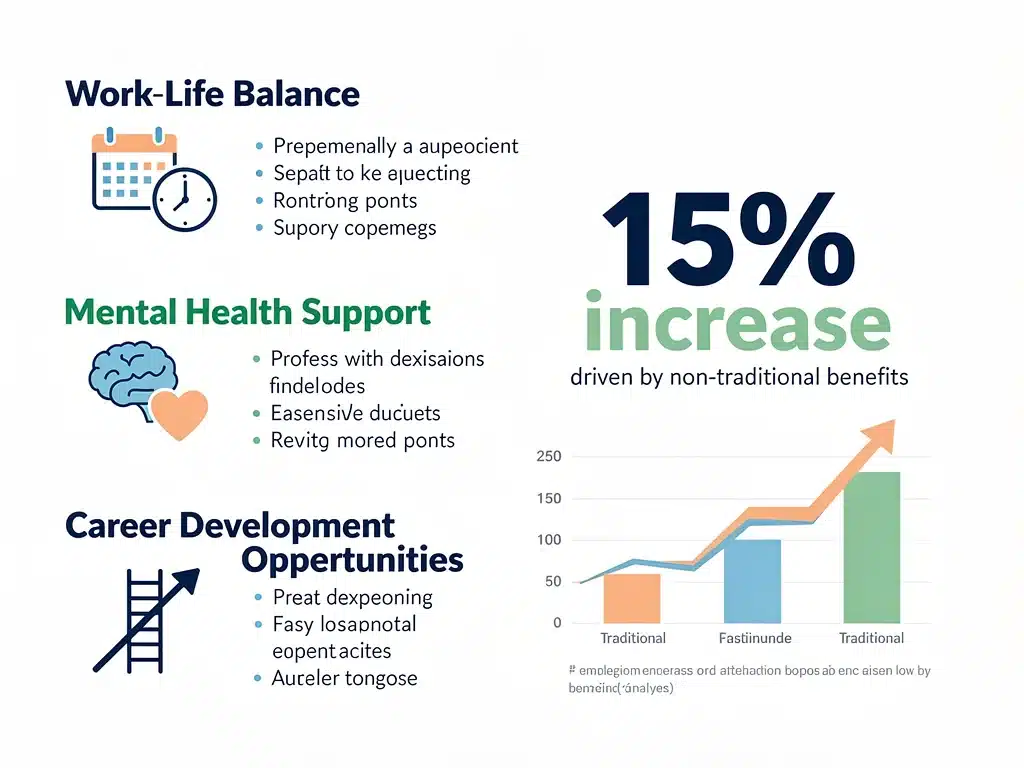
Recent analyses indicate a definitive 15% shift in how the US workforce prioritizes aspects of their employment. This isn’t a marginal tweak; it’s a substantial realignment that places non-traditional benefits and work structures on par with, or even above, conventional motivators like salary increases. This shift reflects a maturing understanding among employees that true job satisfaction extends far beyond monetary compensation, encompassing a broader spectrum of personal and professional needs.
This critical 15% shift is observable across various demographics and industries, suggesting a widespread cultural change rather than an isolated trend. It challenges businesses to move beyond superficial perks and genuinely invest in policies and cultures that address these evolving priorities. Ignoring this shift could lead to decreased engagement, higher turnover, and a struggle to attract high-caliber talent in an increasingly competitive landscape.
Key drivers of the new priorities
Several interconnected factors are driving this fundamental change in what employees seek from their jobs. The pandemic undeniably accelerated many of these trends, forcing individuals to confront their work-life balance and the intrinsic value of their time. The rise of remote work also demonstrated that productivity is not solely tied to physical presence in an office, opening up new possibilities for flexible arrangements.
- Work-life integration: The desire for seamless blending of personal and professional lives, rather than strict separation.
- Mental health and well-being: Prioritizing employers who offer robust support systems for mental and physical health.
- Purpose and impact: Seeking roles that offer a clear sense of meaning and contribute positively to society.
- Flexibility and autonomy: Demanding control over work schedules, location, and how tasks are performed.
These drivers collectively underscore a move towards a more human-centric approach to work. Employees are seeking environments where they can thrive holistically, not just professionally. The 15% shift in US workforce priorities is a clear signal that the era of expecting employees to conform entirely to rigid corporate structures is rapidly fading.
Flexibility and autonomy: the new currency
Perhaps the most prominent aspect of the 15% shift in US workforce priorities is the elevated importance of flexibility and autonomy. The ability to choose where, when, and how work gets done has moved from a desirable perk to a non-negotiable expectation for many. This isn’t just about remote work; it encompasses flexible hours, compressed workweeks, and greater control over project assignments. Employees have experienced the benefits of this freedom and are unwilling to regress to more rigid models.
Organizations that embrace flexibility are finding themselves with a distinct competitive advantage. They are able to tap into a wider talent pool, including individuals who might otherwise be constrained by geographical limitations or personal responsibilities. Moreover, trust and autonomy often lead to increased employee satisfaction and productivity, as individuals feel respected and empowered in their roles.
Redefining the workday structure
The traditional 9-to-5, five-day-a-week model is increasingly being challenged. Many employees now prefer asynchronous work, where they can complete tasks at times that best suit their productivity cycles, rather than adhering to a strict, synchronized schedule. This shift requires a re-evaluation of performance metrics, moving away from hours clocked towards tangible outcomes and impact.
- Asynchronous work models: Allowing employees to work on their own schedules, focusing on results.
- Hybrid work options: Offering a blend of in-office and remote work to maximize individual and team effectiveness.
- Results-only work environment (ROWE): Empowering employees to manage their time as long as they meet objectives.
The emphasis on flexibility is not a temporary fad; it is a fundamental reordering of how work is conceived. Companies that continue to insist on outdated, rigid structures will struggle to attract and retain talent who prioritize this newfound freedom, directly impacting their ability to compete in the evolving labor market.
The paramount importance of well-being and mental health
Another significant component of the 15% shift in US workforce priorities is the heightened focus on employee well-being and mental health. The pandemic brought mental health challenges to the forefront, destigmatizing conversations around stress, anxiety, and burnout. Employees are now actively seeking employers who demonstrate a genuine commitment to their holistic health, beyond just offering basic health insurance.
This includes access to mental health resources, initiatives that promote work-life balance, and a culture that openly supports employees through personal and professional challenges. Companies are realizing that a healthy workforce is a productive workforce, and investing in well-being is not merely a cost but a strategic investment in human capital. It’s about creating a supportive environment where employees feel safe to bring their whole selves to work.
Comprehensive well-being programs
Forward-thinking organizations are developing comprehensive well-being programs that go beyond reactive measures. These programs often integrate proactive strategies to prevent burnout, foster resilience, and create a positive work environment. The goal is to build a culture where employees feel supported and empowered to prioritize their health.
- Access to therapy and counseling: Providing easy and confidential access to mental health professionals.
- Stress management workshops: Offering tools and techniques to cope with work-related stress.
- Paid time off (PTO) policies: Encouraging employees to take breaks and disconnect to recharge.
- Ergonomic support: Ensuring comfortable and healthy working conditions, whether in-office or remote.
The shift towards prioritizing well-being signifies a recognition that employees are not just cogs in a machine; they are individuals with complex needs. Employers who fail to address these needs risk not only losing talent but also facing decreased morale and productivity across their workforce.
Purpose-driven work and ethical alignment
Beyond flexibility and well-being, the 15% shift in US workforce priorities also highlights a growing demand for purpose-driven work and ethical alignment. Employees, particularly younger generations, are increasingly seeking roles that offer a sense of meaning and contribute to something larger than themselves. They want to work for organizations whose values align with their own, and they are willing to leave jobs that don’t meet this criterion.
This means companies must articulate a clear mission, demonstrate corporate social responsibility, and ensure their internal practices reflect their stated values. Transparency and authenticity are key; employees can quickly discern performative gestures from genuine commitment. A strong sense of purpose can be a powerful motivator, fostering loyalty and engagement that financial incentives alone cannot achieve.
Building a values-driven culture
Creating a purpose-driven culture requires more than just a mission statement; it demands consistent action and communication. Companies need to involve employees in their social impact initiatives, provide opportunities for volunteering, and ensure their business practices are ethical and sustainable. This commitment to values becomes a core part of the employer brand, attracting individuals who share a similar ethos.
- Clear mission and vision: Communicating how individual roles contribute to the company’s broader impact.
- Corporate social responsibility (CSR) initiatives: Engaging employees in philanthropic and environmental efforts.
- Ethical leadership: Demonstrating integrity and transparency at all levels of management.
The pursuit of purpose and ethical alignment is a powerful force shaping the modern workforce. Organizations that genuinely embed these principles into their operations will find themselves better positioned to attract and retain employees who are driven by more than just financial gain, contributing significantly to the evolving US workforce priorities.
Implications for employers and the future of work
The 15% shift in US workforce priorities presents both challenges and opportunities for employers. Those who adapt proactively will thrive, while those who resist change risk obsolescence. The future of work demands a more agile, empathetic, and employee-centric approach to talent management. This means re-evaluating everything from recruitment strategies to performance reviews and compensation packages.
Employers must invest in understanding what truly motivates their current and prospective employees. This requires regular feedback mechanisms, open communication channels, and a willingness to experiment with new models of work. The era of one-size-fits-all employment is over; customization and personalization are becoming increasingly important in attracting and retaining top talent.
Strategies for adaptation
To navigate this evolving landscape, employers can adopt several key strategies. These approaches focus on fostering a culture of trust, support, and continuous development, aligning with the new demands of the workforce. It’s about creating an ecosystem where employees feel valued, heard, and empowered to contribute their best work.
- Redesigning employee value propositions (EVPs): Highlighting flexibility, well-being, and purpose alongside compensation.
- Investing in leadership training: Equipping managers to lead hybrid teams with empathy and effectiveness.
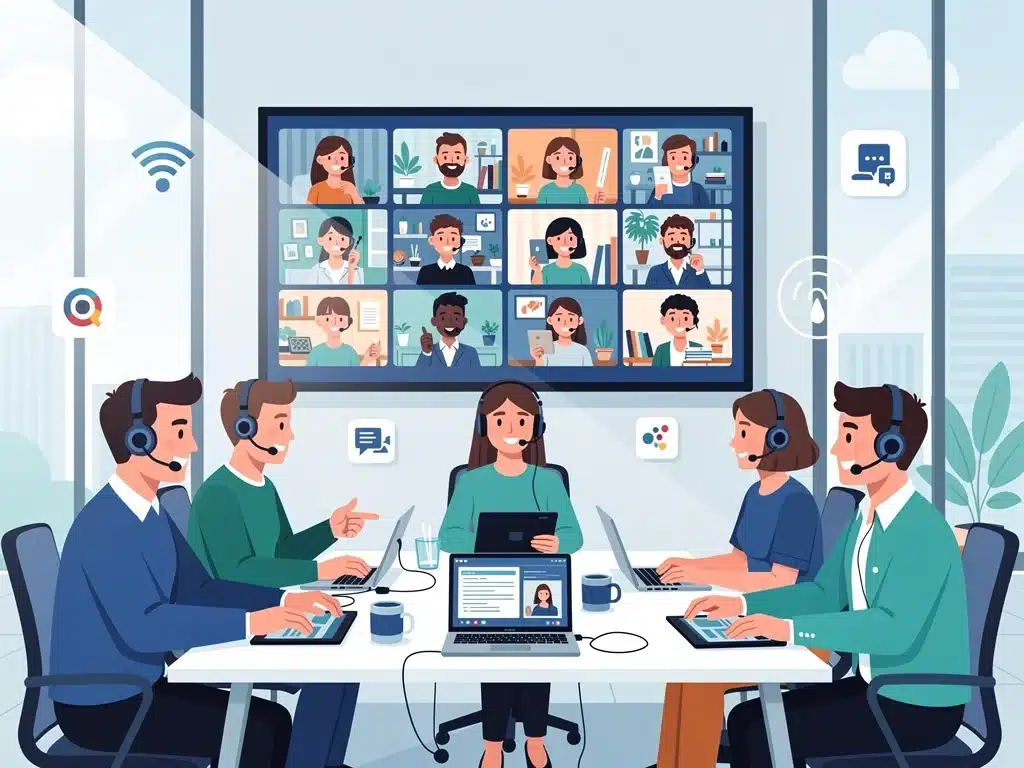
- Leveraging technology: Implementing tools that facilitate seamless remote collaboration and communication.
- Promoting diversity, equity, and inclusion (DEI): Creating an inclusive environment where all employees feel they belong.
The implications are clear: the future belongs to organizations that prioritize their people. By embracing the evolving nature of work and responding thoughtfully to the 15% shift in US workforce priorities, companies can build resilient, engaged, and high-performing teams for 2026 and beyond. This proactive approach will define success in the upcoming years, transforming challenges into strategic advantages.
| Key Priority | Brief Description |
|---|---|
| Flexibility & Autonomy | Workers prioritize control over where, when, and how they work. |
| Well-being Support | Emphasis on mental health resources and work-life balance initiatives. |
| Purpose-Driven Work | Desire for roles with meaning and alignment with personal values. |
| Growth & Development | Seeking continuous learning and clear career advancement opportunities. |
Frequently asked questions about workforce shifts
The 15% shift refers to a significant increase in the importance employees place on non-traditional factors like flexibility, well-being, and purpose, often ranking them above or on par with salary and traditional benefits. This marks a profound change in employee expectations.
Employers must adapt their talent strategies, focusing on enhanced flexibility, robust well-being programs, and clear purpose alignment. Failure to do so risks higher turnover, difficulty attracting top talent, and decreased employee engagement and productivity.
While the initial mass exodus has stabilized, its underlying drivers have evolved. It’s now more of a ‘Great Re-evaluation,’ where employees are more discerning and strategic in seeking roles that align with their updated priorities, including the 15% shift.
Mental health and overall well-being have become paramount. Employees expect comprehensive support, including access to resources, stress management, and a culture that actively promotes work-life balance and psychological safety, influencing their career choices.
Companies should redefine their employee value proposition to highlight flexibility, well-being support, and a strong sense of purpose. Investing in ethical leadership, inclusive cultures, and continuous development opportunities will also be crucial for attraction.
Conclusion
The evolution of the Great Resignation into 2026 marks a significant and irreversible shift in US workforce priorities. The observed 15% realignment towards flexibility, well-being, and purpose-driven work underscores a new era where employees demand more than just financial compensation. For organizations, this means a fundamental re-evaluation of their talent strategies, culture, and operational models. Embracing these changes is not merely a reactive measure but a proactive step towards building a sustainable, engaged, and productive workforce for the future. Companies that prioritize human-centric practices will undoubtedly emerge as leaders in this transformed labor landscape, ensuring both employee satisfaction and long-term organizational success.