Sustainable Fashion 2026: Build an Eco-Friendly Wardrobe
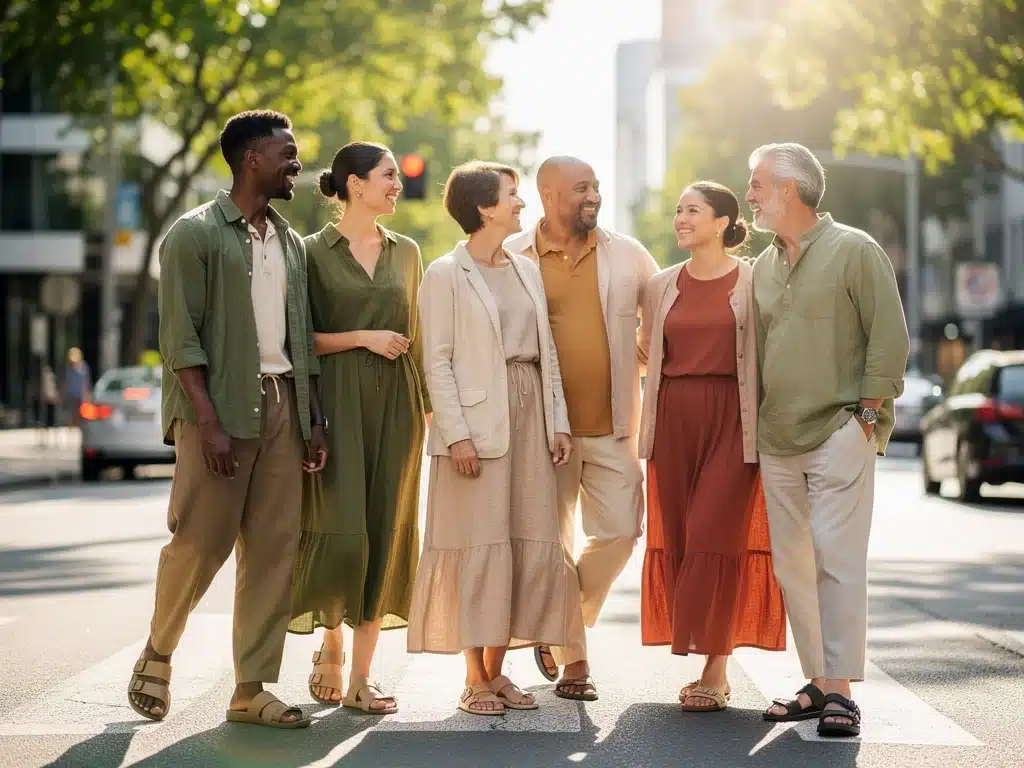
Building an eco-friendly wardrobe in 2026 involves thoughtful consumption, embracing ethical brands, extending garment life, and supporting circular fashion models to minimize environmental impact.
As we navigate 2026, the conversation around sustainability continues to intensify, particularly within the fashion industry. Embracing sustainable fashion 2026 is no longer a niche trend but a critical imperative for conscious consumers seeking to minimize their environmental footprint and champion ethical practices. This guide will explore five practical ways to cultivate an eco-friendly wardrobe that aligns with your values and style.
Understanding the Impact of Fast Fashion
The rapid consumption and disposal cycle of fast fashion have profound environmental and social consequences. From excessive water usage in cotton cultivation to the release of microplastics from synthetic fabrics and the exploitation of labor in manufacturing, the industry’s traditional model is unsustainable. Recognizing this impact is the first step towards making informed, eco-conscious choices for your wardrobe.
In 2026, consumers are increasingly aware of these issues, driving a shift towards more transparent and responsible brands. The demand for garments made with sustainable materials, fair labor practices, and reduced carbon footprints is growing, pushing the industry to innovate and adapt.
The Environmental Toll
The environmental impact of fast fashion is multifaceted, affecting various ecosystems and contributing significantly to climate change. Understanding these aspects helps underscore the urgency of adopting sustainable practices.
- Water Pollution: Dyeing and finishing processes release toxic chemicals into waterways, harming aquatic life and human communities.
- Waste Generation: The sheer volume of discarded clothing clogs landfills, as many items are not biodegradable.
- Carbon Emissions: Production, transportation, and disposal of garments contribute heavily to greenhouse gas emissions.
- Resource Depletion: Intensive farming of conventional cotton depletes soil and requires vast amounts of water and pesticides.
Beyond the environmental concerns, ethical issues surrounding labor practices remain a significant problem. Many garment workers, often in developing countries, face poor working conditions, low wages, and limited rights. This human cost further highlights the need for a more equitable and sustainable fashion system.
Choosing to engage with sustainable fashion 2026 means actively seeking out brands that prioritize both ecological health and social welfare. It’s about looking beyond the price tag and considering the true cost of our clothing, both to the planet and to the people who make our garments.
Embracing Ethical and Sustainable Brands
One of the most direct ways to build an eco-friendly wardrobe is by consciously choosing brands that prioritize sustainability and ethical practices. In 2026, the market offers an increasing number of brands committed to transparency, fair labor, and environmental stewardship. This involves researching their supply chains, material sourcing, and overall business philosophy to ensure alignment with your values.
Look for certifications such as GOTS (Global Organic Textile Standard), Fair Trade, or B Corp, which signify a commitment to specific environmental and social standards. These certifications help cut through the noise of greenwashing and provide credible assurance of a brand’s claims.
Key Characteristics of Sustainable Brands
Identifying truly sustainable brands requires a discerning eye. It’s not just about what they say, but what they do across their entire operation.
- Transparent Supply Chains: Brands that openly share information about their factories, material suppliers, and production processes.
- Sustainable Materials: Use of organic cotton, linen, hemp, recycled fabrics, Tencel, or innovative bio-based materials.
- Ethical Labor Practices: Ensuring fair wages, safe working conditions, and respect for workers’ rights throughout their supply chain.
- Reduced Waste: Implementing strategies like zero-waste design, upcycling, or take-back programs for old garments.
- Water and Energy Conservation: Utilizing methods that minimize water consumption and energy use in manufacturing.
Supporting these brands sends a powerful message to the wider fashion industry, encouraging more companies to adopt responsible practices. Every purchase becomes a vote for a more sustainable future. As consumers become more educated, the demand for truly ethical and eco-friendly options will only continue to grow, making sustainable fashion 2026 a mainstream reality.
Furthermore, many sustainable brands are also focusing on timeless designs and high-quality construction, moving away from fleeting trends. This emphasis on durability naturally extends the lifespan of clothing, further reducing waste and promoting a more mindful approach to personal style. By investing in these pieces, you’re not just buying clothes; you’re investing in longevity and ethical production.
Maximizing Garment Lifespan Through Care and Repair
Extending the life of your clothing is a cornerstone of an eco-friendly wardrobe. The longer a garment is worn, the lower its environmental impact per wear. This involves conscious care practices, timely repairs, and thoughtful storage. In 2026, a growing community embraces the philosophy of ‘mend and make do,’ rejecting the disposable nature of fast fashion.
Simple habits like washing clothes less frequently, using cold water, and air-drying can significantly reduce energy consumption and preserve fabric integrity. Understanding fabric care labels is crucial, as different materials require specific attention to maintain their quality and appearance over time.
The Art of Repair and Upcycling
Repairing clothes might seem daunting, but it’s a valuable skill that empowers you to take control of your wardrobe and foster a deeper connection with your garments. Basic mending, like sewing on a button or patching a small tear, can dramatically extend an item’s usability.
- Basic Mending: Learning to sew on buttons, mend small holes, or re-stitch seams can save many items from the landfill.
- Professional Alterations: For more complex repairs or to tailor ill-fitting garments, seeking a local tailor can breathe new life into clothing.
- Upcycling Projects: Transforming old or damaged items into something new, like turning old jeans into shorts or fabric scraps into accessories, reduces waste creatively.
- Stain Removal Expertise: Knowing how to treat common stains effectively can prevent garments from being prematurely discarded.
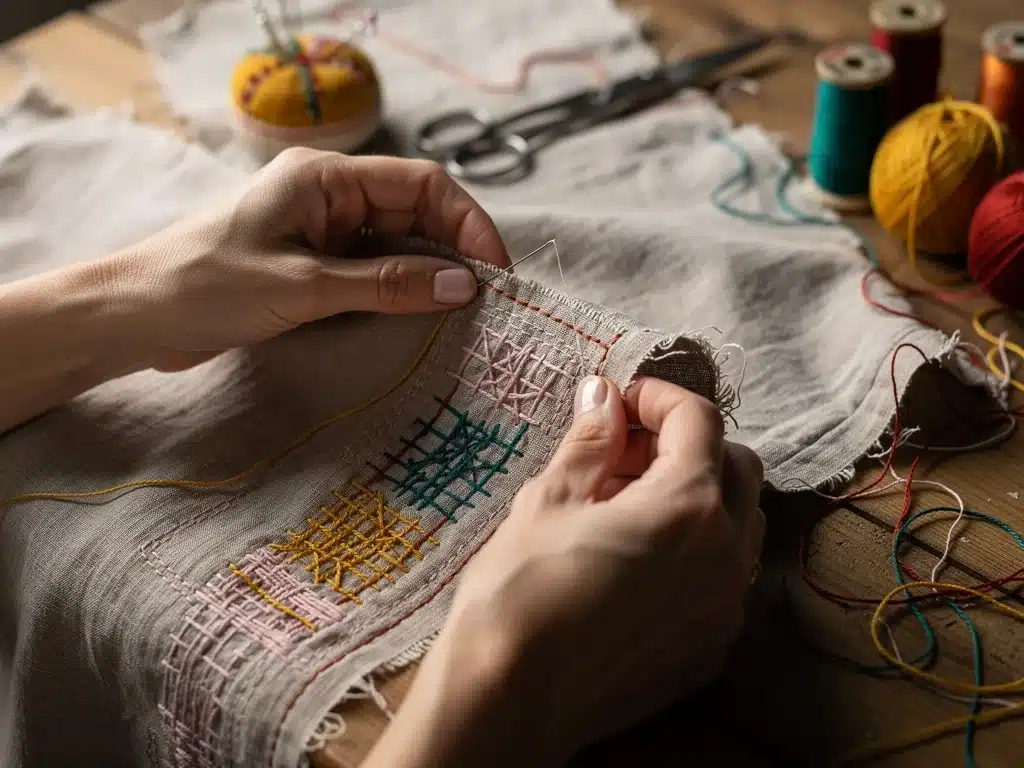
Beyond repair, upcycling offers an exciting avenue for creativity and sustainability. Old textiles can be transformed into new garments, accessories, or household items, diverting waste from landfills and reducing the demand for new production. This practice aligns perfectly with the ethos of sustainable fashion 2026, promoting resourcefulness and minimizing environmental impact.
By embracing care and repair, you not only contribute to a more sustainable planet but also cultivate a more personal and meaningful relationship with your clothing. It’s a shift from passive consumption to active stewardship, ensuring that your wardrobe serves you longer and more effectively.
Exploring Secondhand and Vintage Options
One of the most impactful ways to build an eco-friendly wardrobe is by embracing secondhand and vintage clothing. This approach directly reduces the demand for new production, conserves resources, and minimizes textile waste. In 2026, the market for pre-owned fashion is booming, with numerous online platforms, thrift stores, and vintage boutiques making it easier than ever to find unique and stylish pieces.
Shopping secondhand isn’t just about finding affordable clothes; it’s about giving garments a second life, breaking the cycle of fast fashion, and discovering items with character and history. Each pre-owned piece has a story, adding a unique dimension to your personal style that mass-produced items often lack.
Where to Find Pre-Loved Treasures
The accessibility of secondhand fashion has expanded significantly, offering diverse avenues for conscious shoppers.
- Thrift Stores and Charity Shops: Local stores offer a treasure trove of affordable clothing, often supporting good causes.
- Consignment Stores: Curated selections of higher-end or designer pre-owned items.
- Online Marketplaces: Platforms like ThredUp, Poshmark, Depop, and The RealReal connect buyers and sellers of pre-owned fashion globally.
- Vintage Boutiques: Specializing in older, often unique pieces that stand the test of time.
- Clothing Swaps: Organized events where individuals exchange unwanted clothes, promoting circularity within communities.
Embracing secondhand clothing also encourages a more creative approach to dressing. Without the pressure of current trends, you can develop a truly personal style that reflects your individuality. It’s an opportunity to experiment with different eras and aesthetics, creating a wardrobe that is uniquely yours and inherently sustainable.
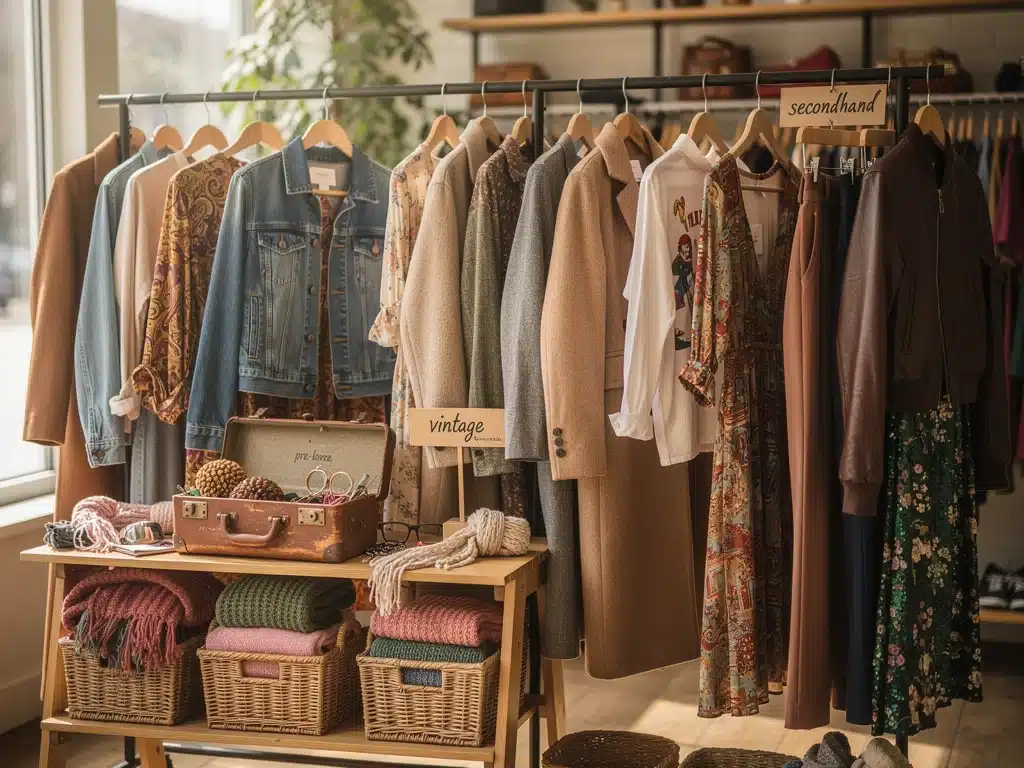
By choosing pre-owned items, you actively participate in the circular economy, keeping textiles in use and out of landfills. This practice is vital for achieving the goals of sustainable fashion 2026 and beyond, demonstrating that style and sustainability can go hand in hand without compromise. It challenges the notion that new is always better, proving that value can be found in what already exists.
Investing in Quality Over Quantity
The philosophy of ‘buy less, choose well, make it last’ is central to building a truly eco-friendly wardrobe. Instead of succumbing to the allure of cheap, trend-driven fast fashion, conscious consumers in 2026 are increasingly prioritizing quality, durability, and timeless design. This shift involves making thoughtful investments in garments that are built to last, reducing the need for frequent replacements.
High-quality clothing often means better materials, superior craftsmanship, and a design aesthetic that transcends fleeting trends. While the initial cost might be higher, the cost-per-wear often proves to be lower over the garment’s extended lifespan, making it a financially savvy and environmentally responsible choice.
Benefits of a Minimalist, High-Quality Wardrobe
Adopting a minimalist approach to your wardrobe offers several advantages beyond environmental benefits.
- Reduced Clutter: Fewer items mean a more organized closet and less decision fatigue.
- Enhanced Style: A curated collection of versatile, well-fitting pieces allows for endless outfit combinations.
- Long-Term Savings: Investing in durable items reduces the need for constant repurchases.
- Lower Environmental Impact: Less production, less waste, and fewer resources consumed.
When considering a new purchase, ask yourself critical questions: Is this item versatile? Will it last? Do I truly love it? Can I see myself wearing it for years to come? These questions help cultivate a more intentional approach to shopping, moving away from impulse buys towards considered investments. This mindset is crucial for sustainable fashion 2026, encouraging a more thoughtful relationship with our clothes.
Furthermore, a wardrobe built on quality pieces often means supporting brands that prioritize ethical manufacturing and sustainable materials. These brands typically invest more in their production processes, resulting in garments that not only look good but also do good. By choosing quality, you’re not just making a personal style statement; you’re casting a vote for a more responsible and enduring fashion industry.
Supporting Circular Fashion Initiatives
Circular fashion is a transformative concept that aims to keep clothing and textiles in use for as long as possible, designing out waste and pollution, and regenerating natural systems. In 2026, supporting circular initiatives is crucial for creating a truly sustainable wardrobe. This includes participating in rental services, engaging in clothing swaps, utilizing take-back programs, and properly recycling textiles.
The goal is to move away from the linear ‘take-make-dispose’ model of fast fashion towards a system where resources are continuously reused and recycled. This not only reduces waste but also minimizes the demand for virgin resources, significantly lowering the environmental impact of our clothing choices.
Key Aspects of Circular Fashion
Understanding the different facets of circular fashion helps consumers actively participate in this evolving system.
- Rental and Subscription Services: Renting special occasion wear or even everyday items reduces individual ownership and maximizes garment utility.
- Take-Back Programs: Many brands now offer to collect old garments for recycling or resale, ensuring products don’t end up in landfills.
- Textile Recycling: Proper disposal of unwearable textiles through dedicated recycling points prevents them from becoming waste and allows materials to be repurposed.
- Clothing Swaps and Resale: Participating in community swaps or selling unwanted items on platforms extends their life cycle.
Participating in these initiatives means actively engaging with a system designed to conserve resources and reduce environmental harm. Rental services, for example, allow access to a diverse wardrobe without the need for constant purchases, especially for items worn infrequently. This is a practical and stylish way to embrace sustainable fashion 2026 without compromising on choice or aesthetics.
Moreover, supporting brands that implement circular design principles—like designing for durability, repairability, and recyclability from the outset—is essential. These brands are at the forefront of innovation, creating products that are inherently more sustainable throughout their entire lifecycle. By seeking out and engaging with these models, consumers become active participants in shaping a more resilient and responsible fashion ecosystem.
Educating Yourself and Advocating for Change
Building an eco-friendly wardrobe extends beyond personal consumption choices; it also involves continuous education and advocacy for systemic change within the fashion industry. In 2026, informed consumers are powerful agents of change, capable of influencing brands, policies, and broader societal norms. Staying updated on sustainable practices, emerging technologies, and ethical challenges is key to making truly impactful decisions.
This isn’t just about what you buy, but also about the conversations you have, the brands you support (or challenge), and the information you share. A well-informed consumer base is essential for driving the industry towards greater accountability and sustainability.
Ways to Further Your Impact
Beyond individual purchasing decisions, there are several ways to contribute to the larger movement towards sustainable fashion.
- Follow Sustainable Fashion News: Stay informed about industry developments, innovations, and challenges through reputable sources.
- Engage with Brands: Ask questions about their supply chains, materials, and labor practices. Your inquiries can influence their policies.
- Support Advocacy Groups: Contribute to or follow organizations working to promote ethical and sustainable fashion.
- Share Knowledge: Educate friends and family about the importance of sustainable choices, fostering a wider community of conscious consumers.
- Participate in Campaigns: Join initiatives that call for greater transparency, fair wages, and environmental protection in the fashion sector.
By deepening your understanding of the complexities of the fashion industry, you become better equipped to navigate choices and identify genuine efforts towards sustainability. This knowledge empowers you to differentiate between true commitment and mere greenwashing, ensuring that your efforts contribute to real progress. The collective power of educated consumers is a driving force for positive transformation.
Advocacy, whether through social media, petitions, or direct engagement with policymakers, amplifies the message that sustainable fashion 2026 is not just a trend but a necessity. By speaking up and demanding higher standards, you contribute to a future where ethical and eco-friendly practices are the norm, not the exception, making a lasting difference far beyond your own closet.
| Key Practice | Brief Description |
|---|---|
| Ethical Brand Support | Prioritizing brands with transparent supply chains, sustainable materials, and fair labor practices. |
| Care & Repair | Extending garment life through proper care, mending, and upcycling to reduce waste. |
| Secondhand Shopping | Choosing pre-owned clothing from thrift stores, vintage shops, or online platforms. |
| Circular Initiatives | Participating in rental, take-back, and recycling programs to keep textiles in use. |
Frequently Asked Questions About Sustainable Fashion
Sustainable fashion focuses on environmentally friendly and ethically responsible production and consumption of clothing. In 2026, it’s crucial due to escalating climate concerns, resource depletion, and social injustices within the fast fashion industry. It promotes longevity, fair labor, and reduced environmental impact, advocating for a more responsible approach to clothing.
Look for transparency in their supply chain, use of certified sustainable materials (e.g., organic cotton, recycled fabrics), ethical labor practices, and commitments to reducing waste and water usage. Certifications like GOTS, Fair Trade, or B Corp can also be strong indicators of genuine sustainability efforts. Avoid brands with vague claims or greenwashing tactics.
Yes, buying secondhand clothing is one of the most eco-friendly fashion choices. It extends the life of existing garments, significantly reduces the demand for new production, conserves resources like water and energy, and prevents textiles from ending up in landfills. It’s a direct way to participate in the circular economy and reduce your fashion footprint.
Circular fashion aims to keep clothing in use for as long as possible through design, reuse, and recycling. You can participate by renting clothes, utilizing brand take-back programs for old garments, joining clothing swap events, and ensuring unwearable textiles are sent to proper recycling facilities rather than trash.
Not at all. While some sustainable items might have a higher upfront cost, their durability often leads to better value over time. Secondhand and vintage options offer unique style at affordable prices. Many sustainable brands are also creating fashionable, timeless pieces, proving that you can be both stylish and eco-conscious without compromise. It’s about thoughtful choices.
Conclusion
Building an eco-friendly wardrobe in 2026 is an accessible and impactful journey that extends far beyond individual consumption. By embracing ethical brands, extending garment lifespans through diligent care and repair, exploring the rich world of secondhand and vintage fashion, and actively supporting circular economy initiatives, we collectively contribute to a more sustainable future. This shift requires conscious choices, a willingness to learn, and a commitment to valuing quality over fleeting trends. As consumers, our power to drive change is immense; every thoughtful decision we make helps reshape the fashion industry towards greater responsibility and environmental stewardship. The path to sustainable fashion 2026 is not just about changing our closets, but about transforming our relationship with clothing and the planet.