2026 Fabric Labeling: Your Guide to 100% Recycled Synthetics
Advertisements
The 2026 fabric labeling rules are set to redefine how 100% recycled synthetics are identified, offering consumers greater transparency and empowering more informed purchasing decisions regarding sustainable textiles.
Understanding 2026 fabric labeling rules is becoming crucial for conscious consumers as new regulations are poised to transform how we perceive and purchase textiles, especially those claiming to be 100% recycled synthetics. These changes aim to enhance transparency and combat greenwashing, ensuring that what you buy truly aligns with its environmental claims. This guide will walk you through the upcoming shifts, helping you navigate the evolving landscape of sustainable fashion and make more informed decisions.
The Dawn of New Transparency: Why 2026 Fabric Labeling Matters
The year 2026 marks a pivotal moment for the textile industry and consumers alike, with the introduction of stringent new fabric labeling rules. These regulations are not merely bureaucratic updates; they represent a significant step towards greater transparency and accountability, particularly concerning recycled synthetic materials. For years, consumers have grappled with ambiguous claims and a lack of standardized information, making it challenging to distinguish genuinely sustainable products from those merely paying lip service to environmental responsibility. The upcoming changes are designed to address these issues head-on, providing clear guidelines for manufacturers and reliable information for buyers.
The impetus behind these new rules stems from a growing global awareness of environmental impact, coupled with consumer demand for ethical and sustainable products. As more brands incorporate recycled synthetics into their collections, the need for verifiable claims becomes paramount. Without clear standards, the market can become flooded with products whose environmental benefits are questionable, undermining consumer trust and hindering genuine progress towards a circular economy. These new regulations seek to standardize the labeling process, ensuring that terms like '100% recycled' carry a consistent and verifiable meaning across the industry.
The Challenge of Greenwashing and the Need for Clarity
Greenwashing, the practice of making unsubstantiated or misleading claims about the environmental benefits of a product, has been a persistent problem in the fashion industry. Consumers, eager to support sustainable initiatives, are often misled by vague terminology or broad environmental statements that lack concrete backing. The 2026 fabric labeling rules are a direct response to this challenge, aiming to provide a robust framework that minimizes the potential for deceptive marketing. By requiring specific criteria to be met for recycled content claims, these rules empower consumers to make truly informed choices.
- Standardized Definitions: Clear definitions for 'recycled content' and 'post-consumer waste' will be established.
- Verification Processes: Manufacturers will need to provide documented evidence of recycled material sources and processing.
- Mandatory Disclosure: Labels must clearly state the percentage of recycled content and the type of synthetic material.
- Enforcement Mechanisms: Regulatory bodies will have stronger tools to penalize non-compliant brands.
Ultimately, the new 2026 fabric labeling rules are about building trust. They aim to create a level playing field where brands committed to genuine sustainability can differentiate themselves, and consumers can confidently invest in products that align with their values. This shift will likely encourage more manufacturers to adopt sustainable practices, knowing that their efforts will be recognized and verified.
Decoding 100% Recycled Synthetics: What the New Labels Will Reveal
The core of the 2026 fabric labeling changes lies in providing unequivocal information about 100% recycled synthetics. This specific focus addresses the increasing prevalence of materials like recycled polyester (rPET) and recycled nylon in everything from activewear to everyday apparel. Previously, a 'recycled' label could sometimes be ambiguous, leaving consumers to wonder about the actual percentage of recycled content or its origin. The new rules aim to eliminate this ambiguity, offering a precise and transparent picture of a garment's composition.
Under the new regulations, a label claiming '100% recycled synthetic' will signify that the entire synthetic fiber content of the product is derived from recycled sources. This is a crucial distinction, as some products might contain only a small percentage of recycled material while still broadly marketing themselves as 'recycled.' The 2026 rules will demand greater specificity, ensuring that consumers know exactly what they are purchasing. This level of detail extends beyond just the percentage, encompassing the type of recycled material and its source.
Types of Recycled Content and Their Origins
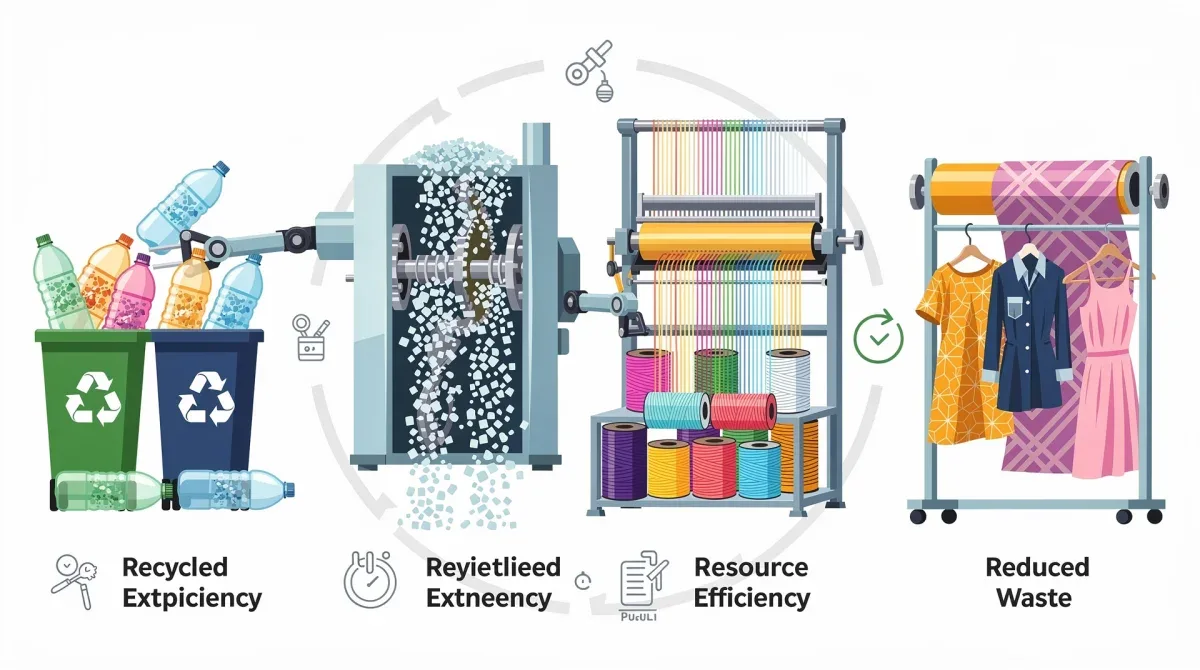
Understanding the distinction between pre-consumer and post-consumer recycled content is vital, and the new labels are expected to clarify this. Pre-consumer waste refers to materials diverted from the waste stream during the manufacturing process, such as fabric scraps or discarded yarn. Post-consumer waste, on the other hand, comes from products that have served their intended purpose and been discarded by consumers, like plastic bottles or old garments. Both are valuable, but post-consumer recycling often represents a more complete closed-loop system.
- Post-Consumer Recycled (PCR): Materials derived from end-of-life products, like plastic bottles, fishing nets, or discarded textiles. This is often seen as the gold standard for circularity.
- Pre-Consumer Recycled (PCW): Waste generated during the manufacturing process, such as off-cuts, defective products, or excess fibers. While beneficial, it's distinct from materials that have completed a use cycle.
- Chemical vs. Mechanical Recycling: Labels might also indicate the recycling method. Mechanical recycling involves melting and re-spinning fibers, while chemical recycling breaks down polymers to their molecular level for re-synthesis, often yielding higher quality but more energy-intensive results.
By providing this granular information, the 2026 fabric labeling rules will empower consumers to make choices that align with their specific environmental priorities. Whether prioritizing products made from discarded plastic bottles or those that minimize manufacturing waste, the labels will offer the necessary data to guide these decisions.

Navigating the New Labels: What to Look For as a Consumer
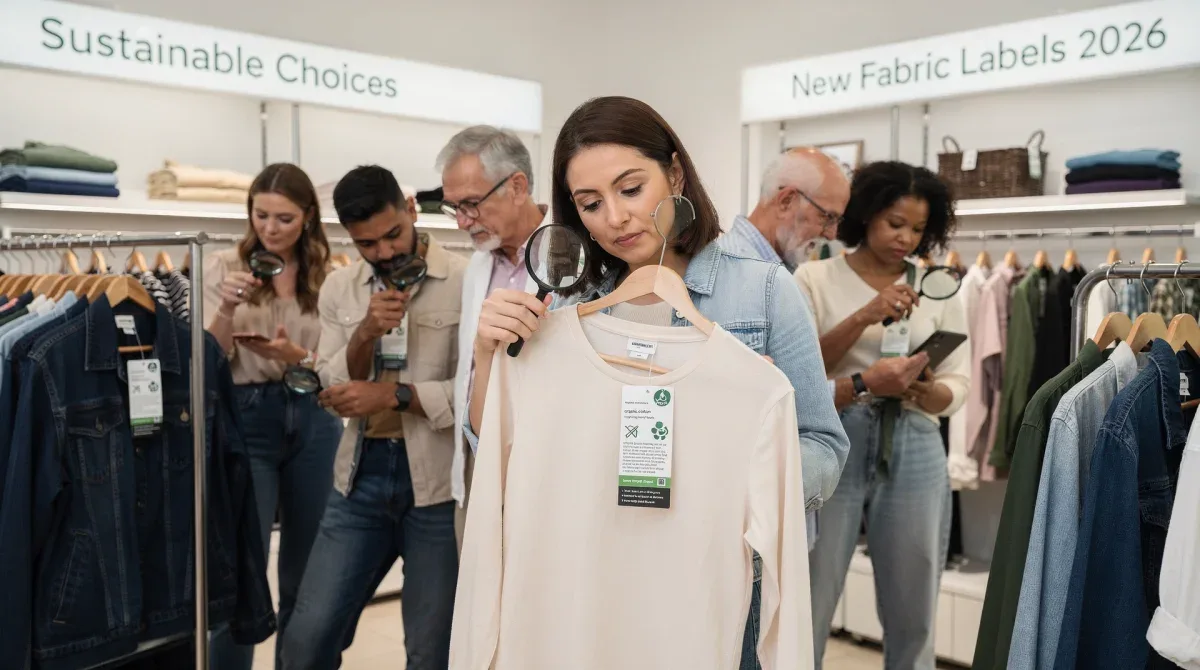
As the 2026 fabric labeling rules come into effect, knowing what to look for on garment tags will become an essential skill for the environmentally conscious shopper. Beyond simply seeing the word 'recycled,' consumers will need to pay attention to specific details that verify the claims being made. This shift requires a more discerning eye and a foundational understanding of the terminology used, transforming the act of shopping into a more informed and impactful process.
The primary elements to scrutinize will be the explicit percentage of recycled content and the type of synthetic fiber. For instance, a label might state '100% Recycled Polyester (Post-Consumer)' or '60% Recycled Nylon (Pre-Consumer).' These details move beyond vague assertions, offering concrete information about the material's journey. Additionally, certifications from third-party organizations, while not always mandated by these specific rules, will continue to serve as valuable indicators of a brand's commitment to sustainability and adherence to rigorous standards.
Key Information Points on Future Labels
The new labels are designed to be comprehensive yet clear, providing critical information without overwhelming the consumer. It's about empowering quick, accurate assessments at the point of purchase. Look for these specific indicators to ensure you're making an informed decision about recycled synthetics.
- Exact Percentage: Always verify that the label explicitly states '100%' if you are seeking fully recycled synthetic products.
- Material Type: Identify the specific synthetic material, such as polyester, nylon, or spandex, and confirm it's recycled.
- Source of Recycled Content: Look for indicators like 'post-consumer' or 'pre-consumer' to understand the origin of the recycled material.
- Certification Logos: While not part of the mandatory 2026 labeling, reputable certifications (e.g., GRS - Global Recycled Standard, RCS - Recycled Content Standard) provide independent verification.
By focusing on these key points, consumers can confidently differentiate between genuinely sustainable options and those that might only offer partial recycled content or ambiguous claims. This vigilance at the point of purchase is critical for driving demand for truly circular and responsible products.
Impact on the Fashion Industry: Shifting Towards a Circular Economy
The implementation of the 2026 fabric labeling rules will send ripple effects throughout the fashion industry, compelling brands to re-evaluate their sourcing, manufacturing, and marketing strategies. This isn't just about compliance; it's about accelerating the shift towards a more circular economy, where waste is minimized, and resources are kept in use for as long as possible. The increased transparency will put pressure on brands to invest more heavily in verifiable recycled materials and robust supply chain management.
Manufacturers will need to establish more sophisticated tracking systems to accurately document the origin and composition of their recycled synthetics. This includes working closely with suppliers to ensure that raw materials meet the new standards and that claims can be substantiated with verifiable data. For many brands, this will necessitate significant investments in research and development, supply chain auditing, and potentially, new manufacturing processes. The goal is to move beyond mere compliance to genuinely embed sustainability into their core operations.
Challenges and Opportunities for Brands
While the new rules present challenges, they also open up significant opportunities for innovation and market differentiation. Brands that embrace transparency and genuinely commit to sustainable practices stand to gain consumer trust and loyalty in an increasingly conscious market. The competitive landscape will likely evolve, favoring those who can credibly demonstrate their environmental credentials.
- Supply Chain Overhaul: Brands must ensure their entire supply chain, from raw material suppliers to fabric mills, adheres to the new verification standards for recycled content.
- Innovation in Recycling: Increased demand for verifiable recycled synthetics could spur innovation in textile recycling technologies, particularly for hard-to-recycle materials.
- Enhanced Consumer Trust: Transparent labeling fosters greater trust, potentially leading to increased sales and brand loyalty among environmentally conscious consumers.
- Operational Costs: Initial investments in new tracking systems, audits, and potentially higher-cost verified recycled materials could impact profit margins in the short term.
In essence, the 2026 fabric labeling rules are not just a regulatory hurdle but a catalyst for systemic change. They encourage the industry to move away from linear 'take-make-dispose' models and embrace circular principles, ultimately fostering a more sustainable and responsible fashion ecosystem.
Beyond the Label: The Broader Implications for Sustainable Consumption
While the 2026 fabric labeling rules specifically target recycled synthetics, their broader implications extend far beyond the garment tag. These regulations are part of a larger movement towards greater accountability and transparency in consumer goods, influencing purchasing habits and driving demand for genuinely sustainable products across various sectors. By empowering consumers with clearer information, these rules encourage a more critical and conscious approach to consumption.
The increased focus on verifiable recycled content will likely educate consumers about the complexities of sustainability, helping them understand the difference between various types of recycled materials and the processes involved. This heightened awareness can lead to a demand for similar transparency in other product categories, fostering a more informed and engaged consumer base. Ultimately, the goal is to shift societal norms towards valuing durability, repair, and circularity over fast fashion and disposability.
Empowering Consumer Choice and Driving Market Change
The power of consumer choice cannot be overstated. When equipped with accurate and reliable information, consumers can collectively steer market trends, rewarding brands that prioritize genuine sustainability and challenging those that fall short. The 2026 fabric labeling rules provide a crucial tool in this empowerment, making it easier for individuals to align their purchases with their values.
- Informed Decisions: Consumers can make choices based on verified environmental claims, reducing the risk of greenwashing.
- Increased Demand for Sustainable Products: Clear labeling will likely boost demand for truly recycled and sustainable textiles, pushing brands to innovate.
- Industry Accountability: Brands will be held to higher standards, knowing that their claims are under scrutiny by informed consumers and regulatory bodies.
- Education and Awareness: The rules contribute to a broader public understanding of sustainable materials and their environmental benefits.
These regulations are a testament to the idea that small changes in labeling can have significant ripple effects, fostering a more sustainable marketplace and encouraging a deeper consideration of the environmental impact of our everyday purchases.
Preparing for the Future: Tips for Sustainable Shopping in 2026 and Beyond
As 2026 approaches and the new fabric labeling rules take effect, adapting your shopping habits will be key to maximizing the benefits of this increased transparency. Sustainable shopping is an ongoing journey, and these new regulations offer a powerful tool to make that journey more effective. By being proactive and informed, you can confidently navigate the evolving landscape of sustainable fashion and ensure your purchases truly contribute to a healthier planet.
Beyond just reading labels, consider adopting a holistic approach to your wardrobe. This includes prioritizing quality over quantity, exploring second-hand options, and learning basic garment care and repair. The most sustainable garment is often the one you already own or one that has a long lifespan. When you do buy new, leverage the upcoming labeling changes to make the most impactful and environmentally responsible choices possible.
Actionable Steps for Conscious Consumers
Embracing the new era of transparency means being an active and engaged consumer. Here are some practical tips to help you prepare for and leverage the 2026 fabric labeling rules effectively:
- Educate Yourself: Understand the terminology used on labels, especially regarding 'post-consumer' vs. 'pre-consumer' recycled content.
- Prioritize Verified Claims: Look for explicit percentages and clear material sources on labels. Don't shy away from asking brands for more information if a label seems vague.
- Support Certified Brands: While not mandatory, brands with third-party certifications (e.g., Global Recycled Standard) demonstrate an extra layer of commitment and verification.
- Consider the Entire Lifecycle: Think about how a garment is made, how long it will last, and how it can be recycled or repurposed at the end of its life.
- Advocate for Change: Use your voice as a consumer to demand greater transparency and sustainability from brands, encouraging them to adopt best practices.
By integrating these practices into your shopping routine, you not only make more sustainable choices for yourself but also contribute to a larger movement that pushes the entire fashion industry towards more responsible and ethical production methods. The 2026 fabric labeling rules are a tool, and how we use them collectively will shape the future of fashion.
| Key Aspect | Brief Description |
|---|---|
| Enhanced Transparency | New rules ensure clear, verifiable information on recycled content, combating greenwashing. |
| 100% Recycled Synthetics | Labels must explicitly state exact percentages and type of recycled synthetic material. |
| Consumer Empowerment | Armed with better information, consumers can make more informed and sustainable purchasing decisions. |
| Industry Shift | Brands are pressured to adopt more circular practices and verifiable sustainable sourcing. |
Frequently Asked Questions About 2026 Fabric Labeling
What are the main goals of the new 2026 fabric labeling rules?▼The primary goals are to increase transparency for consumers, combat greenwashing in the fashion industry, and standardize claims regarding recycled synthetic materials. This aims to ensure that labels accurately reflect the environmental benefits of products, fostering greater trust and accountability.
How will '100% recycled synthetic' claims change under the new rules?▼Labels will need to explicitly state that the entire synthetic fiber content is from recycled sources. This means no more vague 'recycled content' claims without specifying the exact percentage and often the type and origin (pre-consumer or post-consumer) of the recycled material.
What should I look for on a label to ensure a product is truly sustainable?▼Look for explicit percentages of recycled content, the specific type of synthetic material (e.g., recycled polyester), and whether it's post-consumer or pre-consumer waste. Also, keep an eye out for reputable third-party certifications like the Global Recycled Standard (GRS).
Will these new rules impact the price of clothing made with recycled synthetics?▼Initially, some brands might face increased costs due to investments in new tracking systems, supply chain audits, and potentially higher-priced verified recycled materials. However, increased demand and innovation could lead to more competitive pricing over time as sustainable practices become normalized.
How can consumers contribute to the success of these new labeling rules?▼Consumers can contribute by actively seeking out and purchasing products with clear, verified labels, asking questions to brands about their sourcing, and supporting companies that demonstrate genuine commitment to sustainability. Your informed choices drive market demand for ethical practices.
Conclusion
The impending 2026 fabric labeling rules represent a significant stride towards a more transparent and accountable fashion industry, particularly concerning 100% recycled synthetics. By providing consumers with clear, verifiable information, these regulations empower us to make more informed purchasing decisions and actively participate in the shift towards a circular economy. This new era of labeling is not merely about compliance; it's a catalyst for change, pushing brands to innovate and encouraging a deeper, more conscious approach to consumption. As we move forward, an educated consumer base, armed with the knowledge to decode these labels, will be instrumental in shaping a truly sustainable future for fashion.
