The Working Caregiver's Playbook: Structuring Medication Schedules
Advertisements
Medication schedules can become difficult to manage when a working caregiver supports children, older relatives, and their own healthcare needs. Clear organization helps reduce confusion.
Different prescriptions may involve specific doses, timing instructions, and refill requirements. Coordinating these details across three generations requires consistent communication and reliable records.
This guide explains how to organize family medication information, use reminders responsibly, and coordinate with healthcare professionals while balancing employment and caregiving.
Understanding the Multi-Generational Medication Challenge
Managing medication schedules across several family members requires attention to individual prescriptions. Each person may have different healthcare needs and treatment instructions.
Working caregivers also balance professional commitments with appointments, pharmacy visits, and daily responsibilities. Without organization, important information may become difficult to locate.
A structured system can support continuity and reduce avoidable mistakes. However, medication decisions must remain consistent with instructions from qualified healthcare professionals.
Developing a Centralized Medication Management System
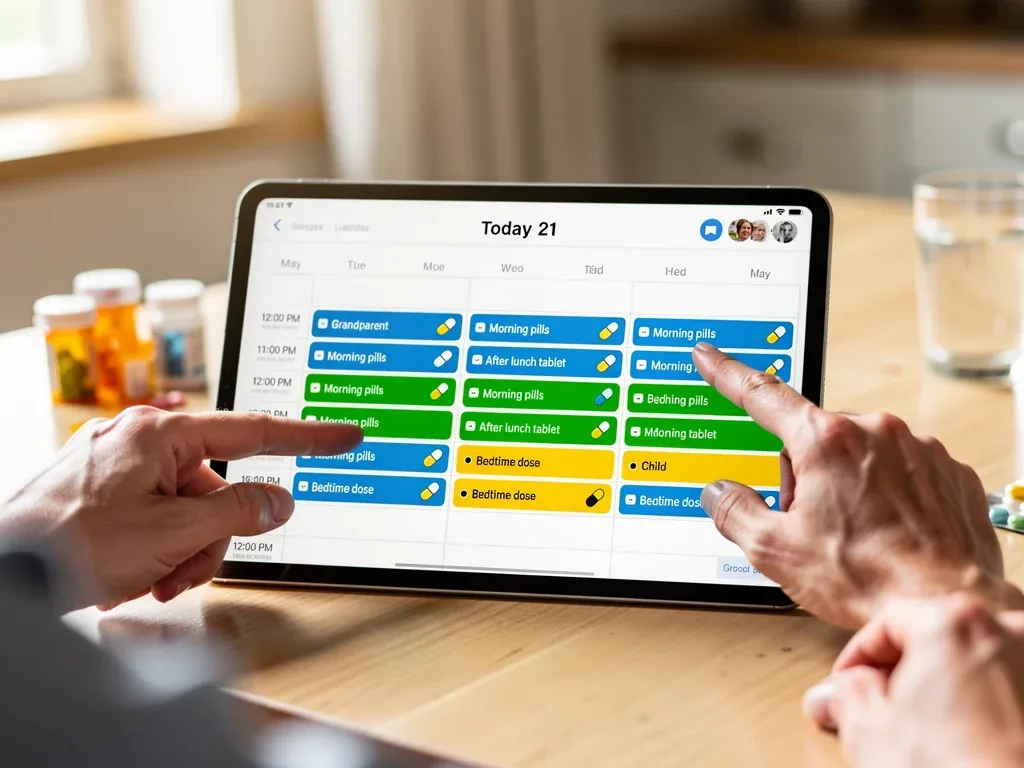
A centralized system provides caregivers with a consistent way to organize medication information. It can include written lists, refill dates, and contact details for healthcare providers.
When managing medication schedules, keep each family member's records clearly separated. This helps prevent confusion between prescriptions belonging to different individuals.
Records may be centralized, but medicines themselves should remain in appropriate, secure storage. Follow labeling instructions and keep medications away from children and unauthorized access.
Leveraging Digital Tools for Scheduling
Digital calendars and reminder applications can help caregivers remember scheduled medication times. Some tools also allow authorized family members to coordinate responsibilities.
For complex medication schedules, notifications can support adherence when they reflect verified prescription instructions. Alerts should not be treated as confirmation that a dose was taken.
Choose tools with suitable privacy controls and a simple interface. Keep an alternative record available in case a device loses power or connectivity.
Medication Reminder Apps: Create separate reminders based on each person's prescribed instructions.
Shared Calendars: Coordinate healthcare tasks among authorized caregivers.
Dose Records: Document administration when appropriate to avoid uncertainty about completed doses.
Smart Dispensers: Consider compatible devices when recommended and suitable for the user's abilities.
Crafting Individualized Medication Schedules
Each family member needs a medication plan based on their own prescriptions. A shared household calendar should never replace individual treatment instructions.
Accurate medication schedules document medication names, prescribed amounts, administration instructions, and relevant healthcare contacts. The details must come from verified medical records.
Use readable formatting and clear labels to distinguish each person. Review the records whenever a healthcare professional changes a prescription.
Strategies for Elderly Family Members
Older adults may benefit from clearly printed instructions and accessible reminders. However, their ability to manage medications varies with individual circumstances.
When organizing medication schedules, consider vision, memory, dexterity, and personal preferences. Involve the individual in decisions whenever possible.
Pill organizers can help in suitable situations, but some medicines require original packaging or special handling. Consult a pharmacist before repackaging prescriptions.
Readable Instructions: Use large print and clear medication labels when helpful.
Daily Routines: Link reminders to regular activities only when compatible with prescribed timing.
Individual Participation: Encourage appropriate involvement in medication management.
Professional Review: Ask healthcare providers to assess complicated or changing regimens.
Medication Safety for Children
Children's medication instructions may depend on age, weight, diagnosis, and the prescribed formulation. Caregivers should never estimate a dose from another family member's prescription.
For household medication schedules, keep pediatric medications clearly identified and stored securely. Confirm instructions with the child's healthcare provider or pharmacist.
Adults responsible for administration should communicate when a dose has been given. This is especially important when several caregivers share responsibilities.
Managing Your Own Medication and Wellness
Working caregivers may focus heavily on family responsibilities while overlooking their own healthcare needs. Personal appointments and prescribed treatments also deserve attention.
Including personal medication schedules within the planning system can make responsibilities easier to coordinate. However, each individual's health information should remain appropriately protected.
A sustainable caregiving routine also considers rest, nutrition, and personal support. These factors may influence a caregiver's ability to manage daily responsibilities.
Prioritizing Caregiver Self-Care
Caregiving responsibilities can create time pressure and emotional strain. Scheduling personal healthcare tasks is an important part of maintaining a manageable routine.
When organizing family medication schedules, allocate time for your own prescriptions and medical appointments. Avoid treating personal healthcare as optional.
Seeking practical support from relatives or qualified services may reduce workload. Additional ideas about stress management are discussed in this stress reduction guide.
Personal Appointments: Reserve time for routine healthcare and prescription renewals.
Shared Responsibilities: Delegate suitable tasks to trusted, capable individuals.
Rest and Recovery: Maintain reasonable periods for personal rest when possible.
Emotional Support: Consider support groups or professional assistance when needed.
Coordinating with Healthcare Providers and Pharmacies
Clear communication with healthcare professionals is essential when multiple family members use medications. Prescribers and pharmacists can clarify treatment instructions.
Accurate medication schedules should reflect the most recent authorized prescriptions. Changes should never be based solely on assumptions or suggestions from reminder software.
Caregivers should also understand privacy and authorization requirements. Access to another adult's medical information may require appropriate consent.
Streamlining Pharmacy Interactions
Pharmacies can assist with medication instructions, refill planning, and questions about administration. Consistent communication helps caregivers manage ongoing treatment needs.
For complicated medication schedules, ask pharmacists about potential interactions within each individual's medication list. Different family members' prescriptions must not be mixed.
Delivery services and refill reminders may reduce logistical difficulties. Availability, costs, and eligibility depend on the pharmacy and prescription.
Pharmacy Coordination: Consider consistent pharmacy records for each individual when practical.
Refill Planning: Monitor prescription renewal dates and remaining supplies.
Medication Lists: Maintain current information for healthcare appointments.
Professional Questions: Verify uncertain instructions directly with a pharmacist or prescriber.
Building a Support Network and Delegation Strategies
Supporting three generations can require more time than one caregiver can consistently provide. A reliable support network may help distribute appropriate responsibilities.
Shared medication schedules should identify who is responsible for each task. Clear communication helps prevent uncertainty about whether a scheduled dose was administered.
Delegation must reflect each person's abilities and any applicable care requirements. Some medication tasks require training or qualified professional assistance.
Effective Delegation for Medication Tasks
Begin by identifying tasks that can be safely shared, such as appointment coordination, pharmacy collection, or updating authorized records. Responsibilities should be clearly defined.
When multiple caregivers oversee medication schedules, they need a reliable way to communicate completed activities. Avoid assuming that someone else handled a dose.
For complex administration requirements, consult healthcare professionals about appropriate training and supervision. Backup plans should also account for unexpected absences.
Clear Responsibilities: Assign specific tasks to suitable caregivers.
Communication Records: Document completed doses when appropriate and authorized.
Backup Care: Identify qualified alternatives for scheduling conflicts or emergencies.
Professional Support: Use trained services for tasks requiring specialized assistance.
Addressing Common Challenges and Troubleshooting
Even carefully organized systems can encounter missed reminders, prescription changes, or difficulties with medication administration. A clear response plan helps caregivers manage uncertainty.
For medication schedules, avoid improvising when a dose is missed or duplicated. Instructions differ between medications and individual circumstances.
Contact a pharmacist or prescribing professional for specific guidance. Urgent symptoms or suspected serious medication errors require immediate appropriate medical assistance.
Troubleshooting Medication Adherence Issues
People may have difficulty following treatment instructions because of side effects, cost, confusion, or problems swallowing tablets. Understanding the cause is important.
When medication schedules become difficult to follow, discuss the situation with a healthcare professional. An authorized change in formulation or routine may be possible.
Caregivers should use respectful communication and avoid pressuring individuals without understanding their concerns. Persistent difficulties deserve professional assessment.
Identify Barriers: Discuss practical problems such as side effects or difficulty swallowing.
Review Instructions: Confirm prescribed administration details before changing routines.
Request Professional Advice: Ask whether an alternative formulation or schedule is appropriate.
Maintain Communication: Encourage individuals to share concerns about their medications.
Responding to Missed or Uncertain Doses
A missed dose should not automatically be replaced with an extra dose. The appropriate response depends on the medication and the time involved.
When medication schedules contain an uncertain administration record, verify available information before taking further action. Never assume that doubling a dose is safe.
Contact a pharmacist or healthcare professional for instructions specific to the prescription. If a serious adverse reaction or overdose is suspected, seek urgent medical assistance.
Regular Review and Adjustment of Schedules
Medication regimens can change when healthcare needs evolve. New prescriptions, discontinued treatments, and revised instructions require accurate record updates.
Reviewing medication schedules regularly helps caregivers identify outdated information. A review should also occur whenever a healthcare professional changes treatment.
Some families benefit from periodic medication reviews with clinicians or pharmacists. The appropriate frequency depends on the complexity of each person's care.
Key Aspects of Schedule Review
Start by comparing the medication list with current prescription labels and authorized medical instructions. Confirm that each record belongs to the correct person.
For household medication schedules, review refill needs, administration directions, and any documented treatment changes. Resolve discrepancies with the relevant healthcare professional.
Update reminder systems and shared records after changes are confirmed. Outdated alerts should be removed to reduce the possibility of confusion.
Medication Verification: Compare records with current authorized prescriptions.
Administration Instructions: Confirm dose, timing, and special directions.
Refill Management: Check prescription availability and renewal needs.
Digital Updates: Synchronize reminders with verified treatment instructions.
Professional Review: Discuss concerns about interactions, side effects, or treatment complexity.
Protecting Medication Information and Family Privacy
Organizing healthcare information across multiple generations requires attention to privacy. Personal medical records should be accessible only to appropriate individuals.
Digital medication schedules may contain sensitive information about diagnoses and treatments. Shared access should follow individual consent and applicable privacy requirements.
Use secure accounts and appropriate device protections. Avoid distributing unnecessary prescription details through unprotected group messages or public platforms.
Keeping Physical and Digital Records Secure

Medication records should remain easy for authorized caregivers to access when needed. At the same time, unnecessary disclosure should be avoided.
For shared medication schedules, consider individual profiles and controlled access permissions. Not every helper requires access to complete medical histories.
Secure storage and reliable backups can help preserve important information. Review access whenever caregiving responsibilities change.
Conclusion
Organized medication schedules can support safer coordination when working caregivers assist several generations. Individual records and verified instructions form the foundation.
Digital reminders, pharmacy communication, and shared responsibilities may reduce administrative difficulties. However, these tools cannot replace clinical judgment or professional medication guidance.
Regular reviews, privacy protections, and caregiver well-being are equally important. A practical system should remain flexible enough to accommodate changing family needs.
Key Point | Brief Description |
|---|---|
Centralized System | Organize individual medication records within a consistent, secure family management process. |
Digital Tools | Use appropriate reminders and tracking tools based on verified prescription instructions. |
Support Network | Coordinate responsibilities among authorized and appropriately qualified caregivers. |
Regular Review | Update records whenever treatment changes and seek professional medication reviews as needed. |
Frequently Asked Questions About Medication Management
How can I manage multiple medication schedules efficiently?▼
Maintain a separate verified medication list for each person and use a centralized planning system. Reminders, clear caregiver responsibilities, and regular communication with healthcare professionals can help prevent confusion.
What digital tools are best for medication reminders?▼
Medication reminder applications, shared calendars, and suitable smart dispensers can support organization. The best option depends on accessibility, privacy, individual needs, and the accuracy of prescription information entered into the system.
How do I ensure elderly family members take their medication?▼
Use clear instructions, accessible reminders, and suitable organizational tools. Involve older adults in decisions when possible and ask pharmacists whether pill organizers are appropriate. Never change prescribed doses or timing without professional guidance.
Is it important for a working caregiver to prioritize their own health?▼
Yes. Working caregivers should maintain their own medical appointments, prescribed treatments, and opportunities for rest. Delegating appropriate tasks and seeking support may help manage ongoing caregiving responsibilities.
How often should medication schedules be reviewed and updated?▼
Review schedules whenever a medication is started, stopped, or changed. Periodic checks with healthcare providers or pharmacists are also useful, especially when treatment regimens are complicated. The best review interval depends on individual circumstances.
Impact and Implications
Effective medication schedules can improve communication and organization for families balancing work and caregiving. Clear responsibilities help minimize uncertainty.
Digital tools and consistent recordkeeping may make daily tasks more manageable. However, safety depends on accurate instructions and appropriate professional oversight.
Caregivers may also benefit from exploring mindful living practices, sleep routines, time management methods, and digital well-being strategies as they develop sustainable family care routines.