Weekend Deep-Cleaning Schedule: 4-Hour Home Transformation
Advertisements
A Weekend Deep-Cleaning Schedule helps transform your living space through four hours of focused household tasks. This practical method prioritizes essential cleaning without consuming your entire weekend.
By dividing responsibilities into manageable time blocks, homeowners can address kitchens, bathrooms, bedrooms, and common areas. A clear routine helps minimize distractions and maintain steady progress.
With thoughtful preparation and realistic expectations, four hours can deliver noticeable improvements. This guide explains how to organize supplies, tackle priority rooms, and maintain cleanliness afterward.
Mastering the Weekend Deep-Cleaning Schedule: The 4-Hour Advantage
Deep cleaning often feels like an exhausting project requiring an entire weekend. However, a structured Weekend Deep-Cleaning Schedule makes essential household tasks easier to manage within four focused hours.
This approach emphasizes practical priorities rather than attempting every possible cleaning task. Concentrating on frequently used spaces creates visible improvements while reducing unnecessary effort.
A defined timeline also helps maintain motivation and prevents individual chores from taking too long. The objective is a cleaner, more comfortable home without sacrificing valuable leisure time.
The Psychology Behind a Focused Clean
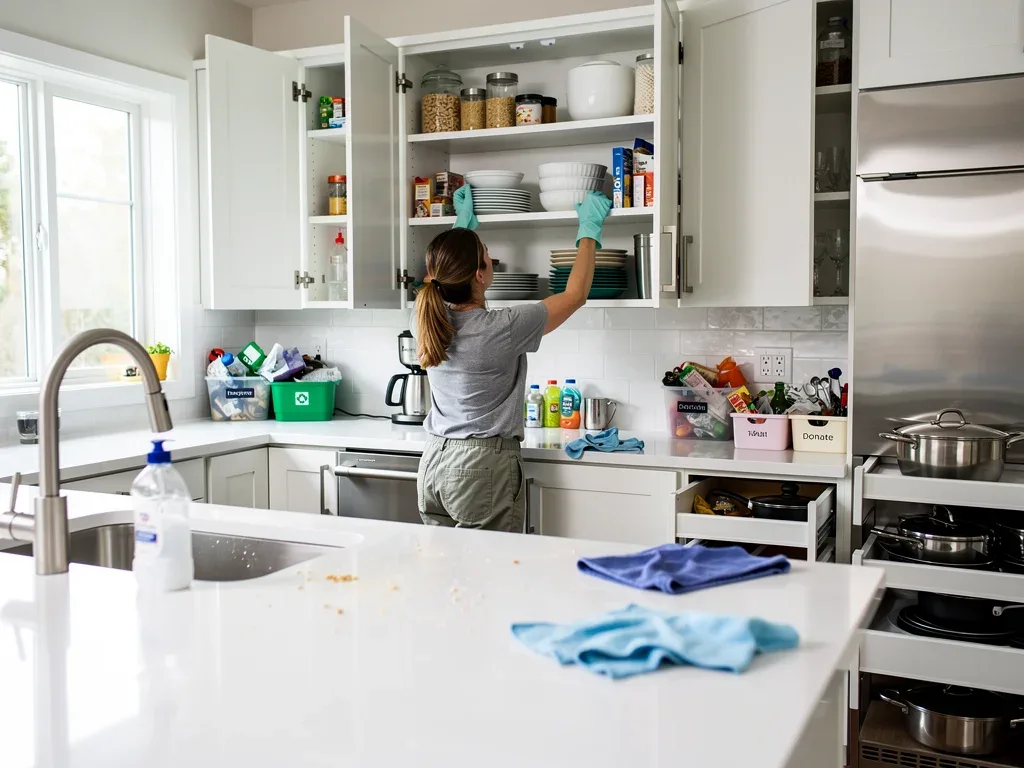
A cluttered environment can make everyday activities feel more demanding. Following a Weekend Deep-Cleaning Schedule provides clear steps that may reduce the overwhelming feeling associated with household maintenance.
Dividing large responsibilities into smaller tasks makes progress easier to recognize. Completing each timed section can encourage motivation and reinforce a sense of accomplishment.
Cleaning also creates an opportunity to establish more organized surroundings. A comfortable, orderly living space may support relaxation and make daily routines feel easier.
Reduces feelings of being overwhelmed by large cleaning tasks.
Encourages motivation through manageable, timed activities.
Creates a more comfortable and organized living environment.
Strategic Planning: Your Blueprint for a 4-Hour Transformation
Successful cleaning begins with preparation rather than immediate scrubbing. A reliable Weekend Deep-Cleaning Schedule identifies priority spaces, assigns realistic time limits, and organizes necessary supplies beforehand.
Start by examining which rooms receive the most daily activity. Kitchens, bathrooms, entrances, and shared living areas often deserve attention because dirt accumulates quickly.
Gathering equipment before starting prevents repeated interruptions. Planning an efficient route between rooms also helps reduce unnecessary movement and maintain cleaning momentum.
Assembling Your Deep-Cleaning Arsenal
Preparing cleaning supplies in advance makes a Weekend Deep-Cleaning Schedule more efficient. Keep frequently used products together in a portable container for convenient access throughout the house.
Microfiber cloths, suitable surface cleaners, a vacuum, and a mop cover many common household requirements. Select products based on manufacturer recommendations and material compatibility.
Use protective gloves when appropriate and ensure adequate ventilation while cleaning. Never combine incompatible chemicals, particularly bleach with ammonia or acidic products.
Microfiber cloths for dusting and wiping surfaces.
Multi-surface cleaners and appropriate bathroom or kitchen products.
Vacuum cleaner with attachments, mop, and bucket.
Protective gloves and trash bags for safe waste disposal.
The 4-Hour Breakdown: Maximizing Every Minute
A practical Weekend Deep-Cleaning Schedule divides 240 minutes among priority rooms and finishing tasks. Establishing time limits helps maintain focus and prevents unnecessary delays.
The first two hours concentrate on kitchens, entrances, bathrooms, and bedrooms. The remaining time addresses common areas, floors, trash removal, and final organization.
Actual cleaning requirements depend on household size and existing conditions. Larger homes or heavily soiled spaces may require additional sessions for complete deep cleaning.
Hour 1: Kitchen Blitz and Entryway Refresh
Begin your Weekend Deep-Cleaning Schedule with the kitchen and entryway. These frequently used spaces accumulate crumbs, fingerprints, clutter, and everyday dirt.
Clear countertops before wiping surfaces with appropriate cleaning products. Address the stovetop, microwave, and sink while paying attention to visible spills and residue.
Finish by organizing shoes and coats near the entrance. Wiping frequently touched surfaces and vacuuming the entryway creates an immediate improvement.
Kitchen: Clear counters, clean sink, stovetop, and microwave (35 minutes).
Entryway: Vacuum, wipe surfaces, organize shoes and coats (25 minutes).
Hour 2: Bathroom Brilliance and Bedroom Tidy-Up
The second hour of your Weekend Deep-Cleaning Schedule focuses on bathroom hygiene and bedroom organization. Both spaces benefit from consistent attention and properly selected cleaning products.
Apply bathroom cleaners according to label instructions before scrubbing approved surfaces. Clean the toilet, sink, shower, and mirrors while keeping cleaning tools separated appropriately.
Move into the bedroom to remove visible clutter, dust accessible surfaces, and straighten bedding. These simple actions make personal spaces more inviting.
Bathroom: Clean toilet, shower or bathtub, sink, mirror, and accessible surfaces (40 minutes).
Bedroom: Dust surfaces, make the bed, and organize belongings (20 minutes).
Living Spaces and Final Touches: The Third and Fourth Hours
The second half of a Weekend Deep-Cleaning Schedule concentrates on shared living spaces and essential finishing tasks. These activities help create a consistent level of cleanliness throughout the home.
Living rooms and dining areas benefit from dust removal, surface wiping, and organizing everyday items. Frequently used furniture also deserves attention during this stage.
The final hour brings everything together through floor care and waste disposal. Completing these tasks helps ensure visible progress across multiple rooms.
Hour 3: Living Room and Dining Area Revitalization
During the third hour, your Weekend Deep-Cleaning Schedule moves into living and dining areas. These spaces often contain dust, misplaced objects, and surfaces requiring regular attention.
Begin by dusting accessible shelves, decorative objects, and furniture. Use suitable cleaning methods for electronics, delicate materials, and other sensitive household items.
Continue by vacuuming rugs and accessible floor sections before wiping dining furniture. Straightening cushions and organizing loose belongings provides a refreshed appearance.
Living Room: Dust furniture, vacuum or sweep, and wipe surfaces (30 minutes).
Dining Area: Clean the table and chairs, organize belongings, and address remaining surfaces (30 minutes).
Hour 4: Floors, Trash, and Air Quality
The final hour of your Weekend Deep-Cleaning Schedule addresses flooring, waste collection, and finishing details. This stage helps complete the work performed throughout the previous hours.
Mop appropriate hard floors using cleaning products compatible with their materials. Avoid excessive water on moisture-sensitive surfaces and allow floors to dry safely.
Empty household trash containers and complete any remaining wipe-downs. Opening windows when outdoor conditions permit can improve ventilation without relying on fragrances.
Floor Care: Mop suitable hard floors throughout the home (30 minutes).
Waste Disposal: Empty trash containers and complete final wipe-downs (20 minutes).
Ventilation: Refresh indoor air and organize cleaning supplies (10 minutes).
Maintaining Momentum: Beyond the 4-Hour Deep Clean
Completing a Weekend Deep-Cleaning Schedule provides a useful reset, but maintaining results requires consistent habits. Small daily activities can prevent clutter from accumulating between cleaning sessions.
Routine surface wiping, waste disposal, and basic organization reduce the number of demanding chores awaiting attention. Consistency makes future weekend cleaning sessions easier.
Households can also adjust their routines according to family schedules and available time. The goal is sustainable cleanliness without creating unnecessary pressure.
Daily Habits for Lasting Cleanliness
Daily maintenance strengthens the results of a Weekend Deep-Cleaning Schedule. Spending a few minutes on common household responsibilities can reduce the need for repeated intensive cleaning.
Make the bed each morning and wipe kitchen counters after preparing meals. Return frequently used objects to their designated storage spaces whenever possible.
Consider a brief evening reset for shared areas. These manageable activities help preserve order while keeping household maintenance from becoming overwhelming.
Make your bed daily to establish a tidy bedroom.
Wipe down kitchen surfaces after preparing meals.
Organize common areas before going to bed.
Beyond the Surface: The Deeper Impact of a Clean Home
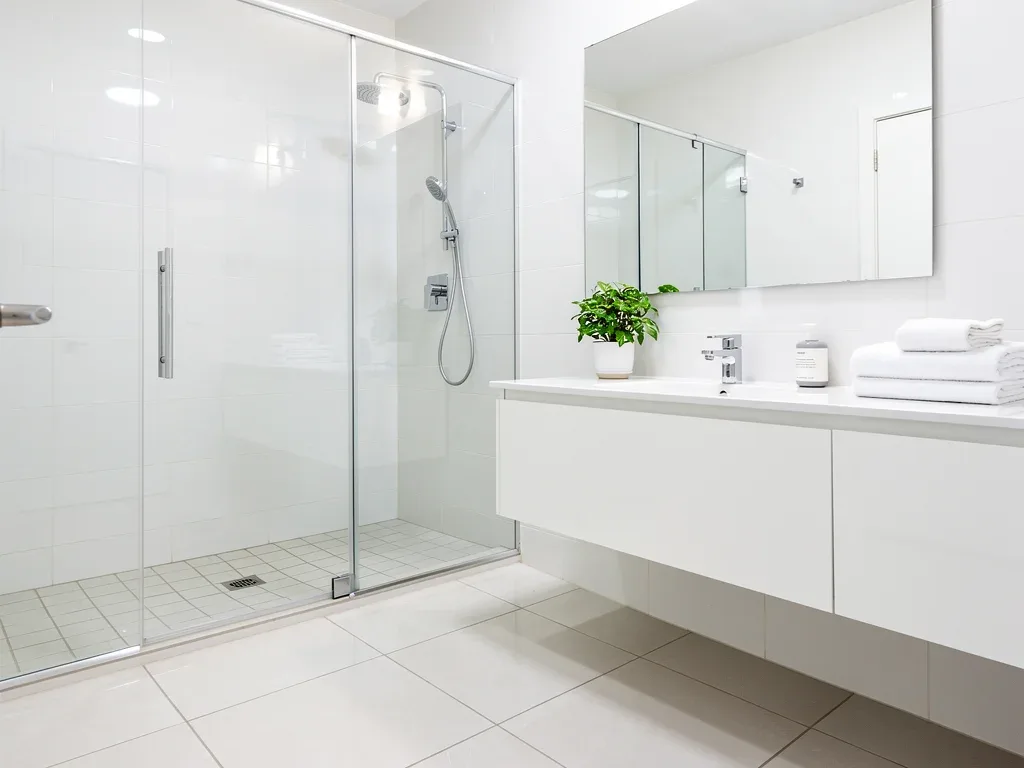
A consistent Weekend Deep-Cleaning Schedule offers benefits beyond improving appearances. Organized surroundings can make household activities more convenient and help create a comfortable daily environment.
Reducing visible clutter may also make it easier to locate belongings and concentrate on important responsibilities. Individual experiences vary according to personal preferences and living conditions.
Maintaining a pleasant home environment contributes to practical daily comfort. Regular cleaning helps support hygiene, organization, and more manageable household routines.
Enhancing Well-being Through Organization
Following a Weekend Deep-Cleaning Schedule can create opportunities to reassess household organization. Sorting belongings and removing unnecessary clutter helps simplify shared and personal spaces.
A structured approach also makes progress more visible. Completing smaller responsibilities may provide a satisfying sense of achievement without requiring an entire weekend.
Thoughtful organization supports practical convenience by keeping essential items accessible. These benefits can make everyday household activities feel less demanding.
Creates organized surroundings with less visible clutter.
Supports concentration by reducing unnecessary distractions.
Encourages a sense of accomplishment through manageable tasks.
Key Point | Brief Description |
|---|---|
Strategic Planning | Prioritizes important tasks within the four-hour cleaning period. |
Timed Execution | Allocates specific periods to different rooms and responsibilities. |
Continuous Maintenance | Uses regular household habits to preserve cleanliness. |
Well-being Impact | Supports comfort, organization, and a more manageable living environment. |
Frequently Asked Questions About Deep Cleaning
What is the most effective approach to a Weekend Deep-Cleaning Schedule?▼
The most effective approach begins with identifying priority rooms, gathering appropriate supplies, and creating manageable time blocks. A structured four-hour routine helps distribute effort across important household tasks while minimizing interruptions.
Can I really deep clean my entire living space in just 4 hours?▼
A focused Weekend Deep-Cleaning Schedule can produce noticeable results in four hours, particularly in smaller or regularly maintained homes. However, comprehensive deep cleaning of every surface may require additional time depending on household size, accumulated dirt, and specific cleaning needs.
What supplies are essential for an efficient deep clean?▼
Useful supplies include microfiber cloths, appropriate multi-surface cleaners, bathroom products, a vacuum cleaner, mop, bucket, gloves, and trash bags. Preparing these items before starting your Weekend Deep-Cleaning Schedule helps avoid unnecessary interruptions.
How do I maintain cleanliness after a deep clean?▼
Simple daily habits can preserve results between cleaning sessions. Make the bed, wipe frequently used surfaces, dispose of household waste, and organize common areas regularly. These activities support the effectiveness of your Weekend Deep-Cleaning Schedule.
What are the psychological benefits of a clean living space?▼
An organized home may improve comfort, reduce distractions, and provide a sense of accomplishment. While individual experiences differ, maintaining tidy surroundings can support more convenient routines and a pleasant living environment. A structured Weekend Deep-Cleaning Schedule provides a practical method for achieving these improvements.
What This Means for Your Home
Establishing a Weekend Deep-Cleaning Schedule creates a practical framework for addressing essential household responsibilities. Four focused hours can provide noticeable improvements when tasks are prioritized effectively.
Preparation, realistic time limits, and consistent daily maintenance make the routine more sustainable. Homeowners can adapt individual tasks according to household size, cleaning needs, and available equipment.
The greatest advantage of a structured Weekend Deep-Cleaning Schedule is maintaining a cleaner home without unnecessarily sacrificing leisure time. Regular organization helps extend these results throughout the week.