Sustainable 3-Tier Recycling Station for Your Kitchen
Advertisements
How to Establish a Sustainable 3-Tier Recycling and Composting Station in Your Kitchen explains how to organize household waste into separate categories for recycling, composting, and disposal.
With suitable containers, clear labels, and an easy cleaning routine, homeowners can create a practical waste management system that fits their available kitchen space.
A 3-tier recycling and composting station offers a practical way to organize household waste, making it easier to separate recyclable materials, organic food scraps, and items destined for regular trash collection.
Instead of placing everything in one container, this approach encourages better sorting habits while helping households understand how everyday decisions can affect waste generation and resource recovery.
This guide explains how to choose suitable bins, organize limited kitchen space, manage compostable materials, prevent unpleasant odors, and adapt the system to local recycling and composting requirements.
Understanding the Core Principles of a 3-Tier System
A 3-tier recycling and composting station divides household waste into three main categories: recyclable materials, organic waste suitable for composting, and items that cannot be accepted by available recovery programs.
Each category requires a designated container and clear instructions, helping household members identify where packaging, food scraps, and general waste should be placed after everyday activities.
The system works best when its sorting rules follow local collection requirements, since recyclable materials and accepted compostables vary depending on the services available in each community.
Selecting the Right Equipment for Your Kitchen
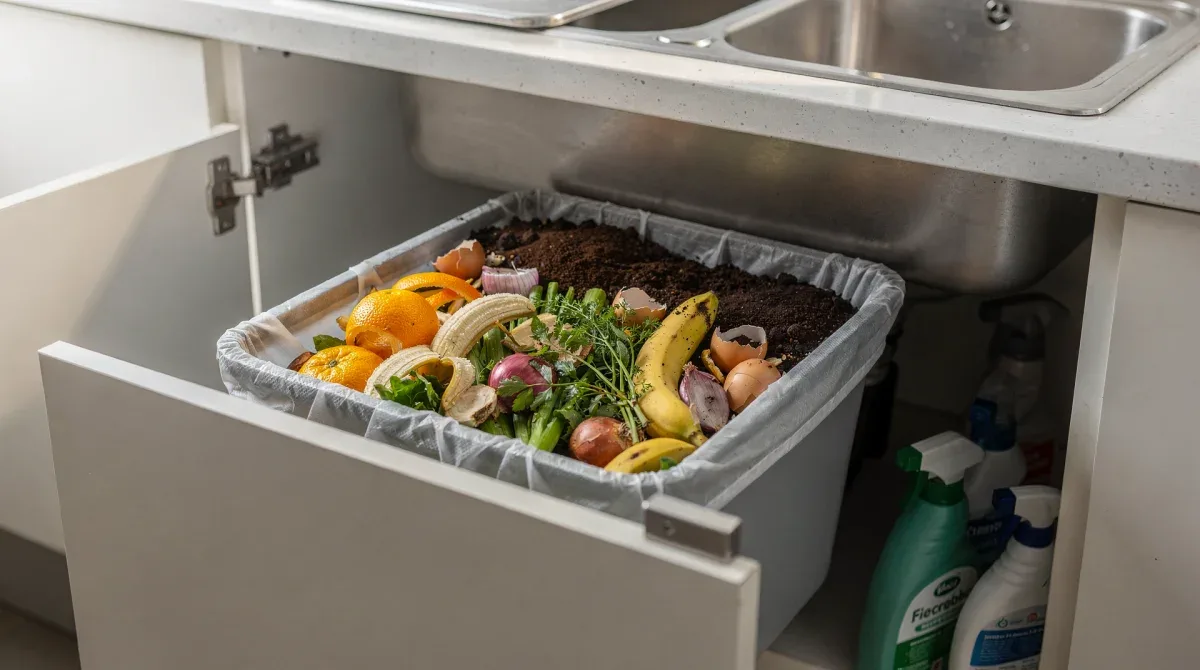
Choosing equipment for a 3-tier recycling and composting station begins with evaluating available space, the quantity of waste produced, and how frequently household containers can be emptied.
Some kitchens accommodate freestanding three-compartment bins, while smaller layouts may benefit from stackable containers, cabinet organizers, or pull-out storage solutions installed beneath countertops.
Durable materials, removable liners, secure lids, and washable surfaces can make the station easier to maintain, particularly when organic food scraps are stored indoors before collection or composting.
Choosing Bins for Recyclables
Recycling containers should be large enough for typical household packaging while remaining easy to empty, transport, and clean without creating unnecessary clutter around food preparation areas.
Some municipalities accept mixed recyclable materials, while others require residents to separate paper, plastic, metal, and glass before placing them outside for collection.
When establishing a 3-tier recycling and composting station, check local recycling instructions before purchasing additional containers, ensuring that the chosen equipment matches the actual collection process.
Clear Labels: Identify recyclable materials accepted by the local collection program.
Accessible Containers: Choose bins that are convenient for everyday household use.
Easy Cleaning: Select durable surfaces that can be washed regularly.
Integrating Composting into Your Kitchen Routine
Composting provides a way to manage certain organic materials through controlled biological decomposition, eventually producing a soil amendment that can support gardening and landscaping activities.
A 3-tier recycling and composting station typically includes a small covered container for collecting appropriate food scraps before they are transferred to an outdoor composting system or approved collection service.
Residents without access to backyard composting can explore community gardens, municipal collection programs, or suitable indoor vermicomposting arrangements when these options are available and practical.
What to Compost and What to Avoid
For conventional backyard composting, common ingredients include fruit and vegetable scraps, coffee grounds, paper coffee filters, crushed eggshells, and suitable untreated plant materials.
Meat, dairy products, fats, oils, pet waste, and certain treated materials should generally be excluded from home compost piles because they may attract pests or create safety problems.
The U.S. Environmental Protection Agency's official home composting guide explains suitable ingredients, materials to avoid, and the importance of combining carbon-rich and nitrogen-rich materials with sufficient air and moisture.
Suitable Ingredients: Fruit peels, vegetable scraps, coffee grounds, and crushed eggshells.
Carbon-Rich Materials: Dry leaves, untreated wood chips, and suitable shredded cardboard.
Common Exclusions: Meat, dairy, oils, pet waste, and contaminated materials.
Local Requirements: Commercial collection programs may accept materials that backyard systems cannot process.
Optimizing Space and Layout for Efficiency
A functional 3-tier recycling and composting station should be positioned where household members can sort waste conveniently without blocking cabinets, walkways, or essential food preparation surfaces.
Under-sink cabinets, pantry corners, and designated areas near the main trash container are common options, depending on available storage and the amount of waste generated.
Separating organic collection from clean recyclable storage may also help prevent spills, moisture transfer, and contamination that could complicate recycling or create unpleasant kitchen conditions.
Creative Storage Solutions
Small kitchens often benefit from vertical storage, compact compartments, and removable containers that can be accessed without requiring additional floor space or extensive renovations.
Stackable bins may work well for dry recyclable materials, while a smaller covered compost caddy can be positioned near the preparation counter for convenient daily use.
When designing a 3-tier recycling and composting station, prioritize accessibility, stable positioning, and sufficient clearance to remove containers for cleaning and emptying.
Vertical Storage: Use suitable shelving or stackable containers to conserve floor space.
Cabinet Inserts: Consider pull-out organizers designed for waste separation.
Removable Caddies: Keep organic scraps in containers that can be emptied easily.
Maintaining Hygiene and Odor Control
Maintaining a clean 3-tier recycling and composting station helps reduce unpleasant smells, discourage pests, and prevent food residue from accumulating inside waste containers.
Organic scraps should be transferred regularly to the intended composting system, particularly during warm weather when moisture and food decomposition can create stronger odors.
Recycling containers also benefit from periodic cleaning, while packaging should be prepared according to local guidance to prevent food contamination without unnecessary water consumption.
Tips for Odor Management
Odor control begins with reducing the amount of time food scraps remain inside the kitchen and using containers that are appropriately sized for the household's waste generation.
Secure lids, removable liners, and regular washing can help maintain cleanliness, although activated carbon filters and other accessories should be considered optional rather than essential.
For a 3-tier recycling and composting station, choosing a practical emptying schedule is generally more effective than relying entirely on fragrances or deodorizing products to hide persistent odors.
Frequent Emptying: Remove organic scraps before excessive moisture and odors develop.
Regular Washing: Clean containers with appropriate household cleaning products.
Dry Storage: Keep accepted recyclable materials reasonably clean and dry.
Educating Household Members on Proper Sorting
The success of a 3-tier recycling and composting station depends on whether everyone in the household understands the categories and follows consistent sorting instructions.
Simple labels with examples of common items can help reduce confusion, especially when packaging contains several materials or displays recycling symbols that do not guarantee local acceptance.
Household members should also understand that placing unsuitable items in recycling or composting containers may contaminate the collected materials and interfere with recovery processes.
Simple Guidelines for Everyone
A practical sorting guide should focus on items that appear frequently in the kitchen, including beverage containers, cardboard packaging, vegetable scraps, and contaminated household waste.
Children and other household members can participate by learning basic distinctions between containers, provided instructions are age-appropriate and safe for everyone involved.
Reviewing the rules occasionally helps keep the 3-tier recycling and composting station functional when municipal programs change or new packaging materials become common.
Visual Instructions: Display examples of accepted items near each container.
Consistent Habits: Demonstrate correct sorting during everyday activities.
Periodic Reviews: Update labels when local collection requirements change.
Long-Term Benefits and Community Impact
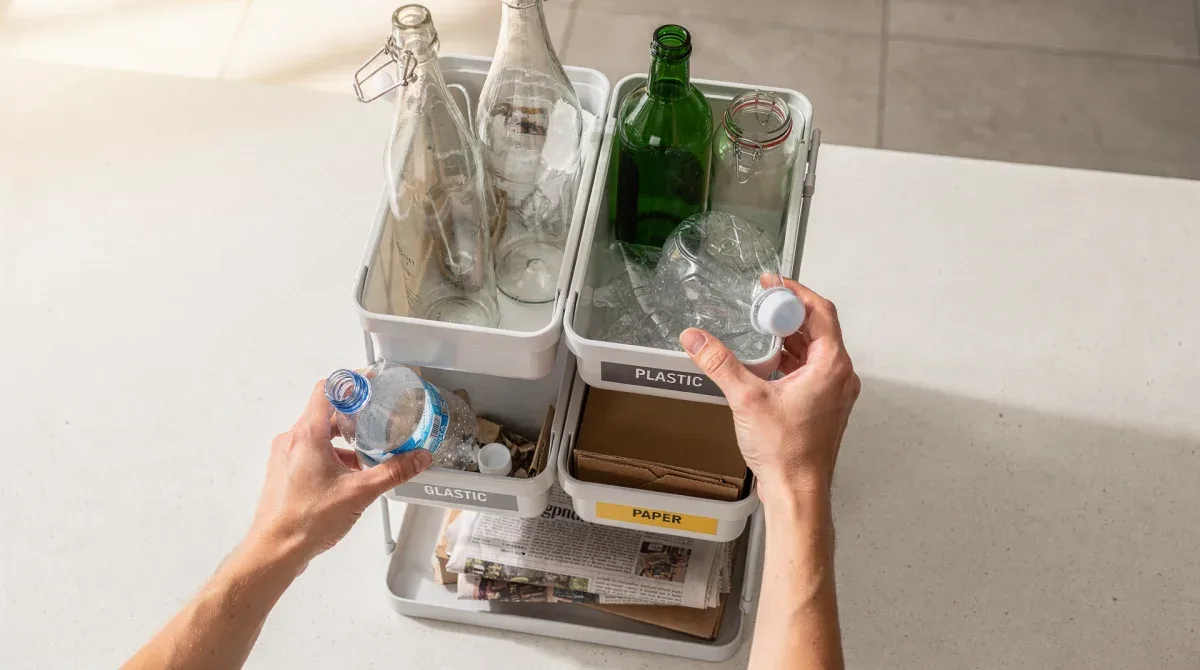
A well-maintained 3-tier recycling and composting station can encourage households to pay closer attention to consumption patterns, packaging waste, and opportunities to reuse materials before disposal.
When recyclable materials reach appropriate processing facilities and organic waste enters suitable composting systems, resource recovery can reduce the amount of material sent to conventional disposal facilities.
These benefits depend on correct sorting and available local services, making household participation most effective when combined with reliable collection infrastructure and community waste reduction programs.
Adapting to Local Recycling and Composting Programs
Municipal recycling systems vary in the materials they accept, collection schedules, preparation requirements, and methods used to process household waste after pickup.
A 3-tier recycling and composting station should therefore reflect local program requirements rather than relying exclusively on general recycling symbols, packaging claims, or assumptions about what can be processed.
Before establishing a routine, review official municipal guidance for accepted recyclables, compostable materials, collection locations, and any restrictions affecting food scraps or household packaging.
Key Point | Brief Description |
|---|---|
System Setup | Choose suitable containers for recyclable materials, organic scraps, and general waste. |
Composting Integration | Collect appropriate kitchen scraps and transfer them to an approved composting system. |
Odor Control | Empty organic containers regularly, use suitable lids, and maintain clean surfaces. |
Education & Compliance | Teach household members correct sorting methods and follow local collection requirements. |
Frequently Asked Questions About Kitchen Recycling
What is a 3-tier recycling and composting station?▼
A 3-tier recycling and composting station is a household waste organization system with three categories: recyclable materials, organic scraps intended for composting, and general trash. It helps residents separate waste consistently while following applicable local recycling and composting requirements.
How do I choose the right bins for my kitchen?▼
Consider available space, household waste volume, ease of cleaning, and local collection rules. Freestanding multi-compartment bins, stackable containers, and cabinet organizers may all be suitable, provided each category remains clearly identified and accessible.
What can I compost from my kitchen?▼
Common backyard composting ingredients include fruit and vegetable scraps, coffee grounds, paper coffee filters, and crushed eggshells. Meat, dairy products, grease, and pet waste should generally be excluded from ordinary backyard compost piles. Local collection services may have different acceptance rules.
How can I prevent odors in my recycling and composting station?▼
Empty food scrap containers regularly, use appropriately fitted lids, wash bins when necessary, and avoid allowing excess liquid to accumulate. Activated carbon filters may provide additional odor control, but proper cleaning and frequent removal of organic waste remain important.
Is it really worth the effort to set up a 3-tier system?▼
A 3-tier recycling and composting station can make waste separation more convenient and support responsible recycling and composting habits. Its environmental benefits depend on correct sorting, available processing facilities, and consistent household participation.
Looking Ahead: The Future of Home Waste Management
The growing interest in sustainable living practices highlights the value of practical household systems that help people reduce unnecessary waste and organize materials for reuse or recovery.
A 3-tier recycling and composting station provides a flexible starting point that can adapt to improvements in municipal collection services, composting infrastructure, and household waste reduction habits.
By choosing appropriate containers, maintaining clear sorting instructions, and following local guidelines, households can create a manageable routine that supports cleaner kitchens and more responsible resource use.