Pantry Audit Guide: Cut Food Waste by 25% Annually
Advertisements
Auditing your home pantry twice annually can significantly reduce food waste by 25%, leading to substantial savings and fostering more sustainable consumption habits within your household.
Embarking on a journey to reduce household food waste can feel daunting, but a systematic approach to your pantry can yield remarkable results. This step-by-step guide to auditing your home pantry twice a year to cut food waste by 25% offers practical, actionable strategies that not only save money but also contribute to a more sustainable lifestyle. By taking control of your food inventory, you can transform your kitchen into an efficient, waste-reducing powerhouse.
Understanding the impact of food waste
Food waste is a pervasive issue with far-reaching environmental, economic, and social consequences. Many households contribute to this problem unintentionally, often due to forgotten items in the back of the pantry or overbuying. Recognizing the scale of this issue is the first step toward effective mitigation.
Globally, approximately one-third of all food produced for human consumption is lost or wasted. In the United States, this amounts to roughly 30-40% of the food supply, with a significant portion occurring at the consumer level. This translates to billions of dollars lost annually and a substantial environmental footprint from wasted resources like water, energy, and land.
The environmental toll
When food is wasted, all the resources used to produce, process, transport, and store it are also wasted. Moreover, when organic waste ends up in landfills, it decomposes anaerobically, producing methane, a potent greenhouse gas that contributes significantly to climate change. Reducing food waste at home directly lessens this environmental burden.
- Resource Conservation: Less food waste means less water, energy, and land are needed for production.
- Greenhouse Gas Reduction: Diverting food from landfills helps decrease methane emissions.
- Biodiversity Protection: Reducing demand for food can lessen pressure on ecosystems.
Economic implications for households
Beyond the environmental impact, food waste hits household budgets directly. The average American family wastes hundreds, if not thousands, of dollars on food that never gets eaten each year. This money could be saved, invested, or used for other essential expenses. A well-managed pantry is a key component of financial prudence.
By regularly auditing your pantry, you gain a clearer picture of what you have, what you need, and what might be nearing its expiration. This knowledge empowers smarter shopping decisions, prevents duplicate purchases, and ensures that the food you buy is actually consumed. It’s a simple yet powerful strategy for financial health.
Understanding the multifaceted impact of food waste—from environmental degradation to economic strain on families—underscores the importance of proactive measures like a pantry audit. This awareness sets the stage for implementing practical strategies that benefit both your household and the planet.
Phase 1: preparation and initial purge
Before diving into the actual audit, proper preparation is crucial. This initial phase involves gathering your tools and embarking on a thorough purge, laying the groundwork for an effective and lasting organizational system. Think of it as clearing the canvas before painting a masterpiece of efficiency.
A successful pantry audit begins with an empty slate, or as close to it as you can get. This means removing everything from your pantry shelves, drawers, and any other storage areas. This might seem like a monumental task, but it is essential for a complete and accurate inventory.

Gathering your tools
Having the right equipment on hand will make the process smoother and more efficient. Don't underestimate the power of a few simple items to streamline your audit. These tools are designed to help you clean, categorize, and document your inventory effectively.
- Cleaning Supplies: Wipes, spray cleaner, and a vacuum or dustpan for crumbs.
- Containers: Airtight containers, jars, and bins for organizing dry goods.
- Labels: A label maker or permanent marker and tape for clear identification.
- Note-taking: A notepad and pen, or a digital device, for inventory lists.
- Donation Box: A designated box for items you plan to donate.
- Trash Bag: For expired or spoiled items.
The great pantry clear-out
With your tools ready, it's time to empty the pantry. Take everything out, placing items on your kitchen counter or a temporary table. This step allows you to see the true scope of your pantry's contents and makes cleaning much easier. As you remove items, briefly inspect them for obvious spoilage or damage.
Once empty, give your pantry a thorough cleaning. Wipe down shelves, vacuum crumbs, and address any spills or sticky spots. A clean pantry is not only more hygienic but also provides a fresh start for your new organizational system. This foundational step ensures that your efforts are built upon a clean and sanitary base.
After the initial clean, begin the purge. This is where you make critical decisions about what stays and what goes. Be ruthless but also practical. The goal is to eliminate items that are no longer safe, useful, or desired, making space for a more functional pantry.
- Check Expiration Dates: Discard anything past its prime.
- Assess Quality: Toss opened items that look suspicious or have been there too long.
- Identify Duplicates: Note if you have excessive amounts of the same item.
- Consider Usage: Remove items you realistically won't use.
This preparation and purge phase is foundational. It sets the stage for a successful audit by decluttering your physical space and your mental approach to food storage. By being thorough now, you pave the way for a more organized and waste-free future.
Phase 2: detailed inventory and categorization
With your pantry clean and purged, the next crucial step is to conduct a detailed inventory and categorize your remaining items. This phase transforms chaos into order, providing a clear snapshot of your food assets and enabling smarter purchasing and consumption habits. It's about knowing exactly what you have at your fingertips.
Taking a meticulous inventory allows you to truly understand your current stock. This goes beyond just seeing what's there; it involves noting quantities, expiration dates, and potential uses. This detailed record is invaluable for meal planning and preventing future waste.
Creating your inventory list
As you bring items back into the pantry, systematically record them. A simple spreadsheet or a dedicated notebook can serve this purpose. Be as specific as possible, including brand, quantity, and expiration dates. This list will become your primary reference tool for managing your pantry effectively.
- Item Name: Be precise (e.g., "canned black beans," not just "beans").
- Quantity: Note the exact number of units.
- Expiration/Best By Date: Crucial for prioritizing consumption.
- Location: (Optional) Where in the pantry it will be stored.
Reviewing this list helps you identify patterns in your consumption and purchasing. Do you frequently buy items you already have? Are certain foods consistently expiring before you can use them? These insights are vital for adjusting your shopping habits and reducing waste.
Categorizing for efficiency
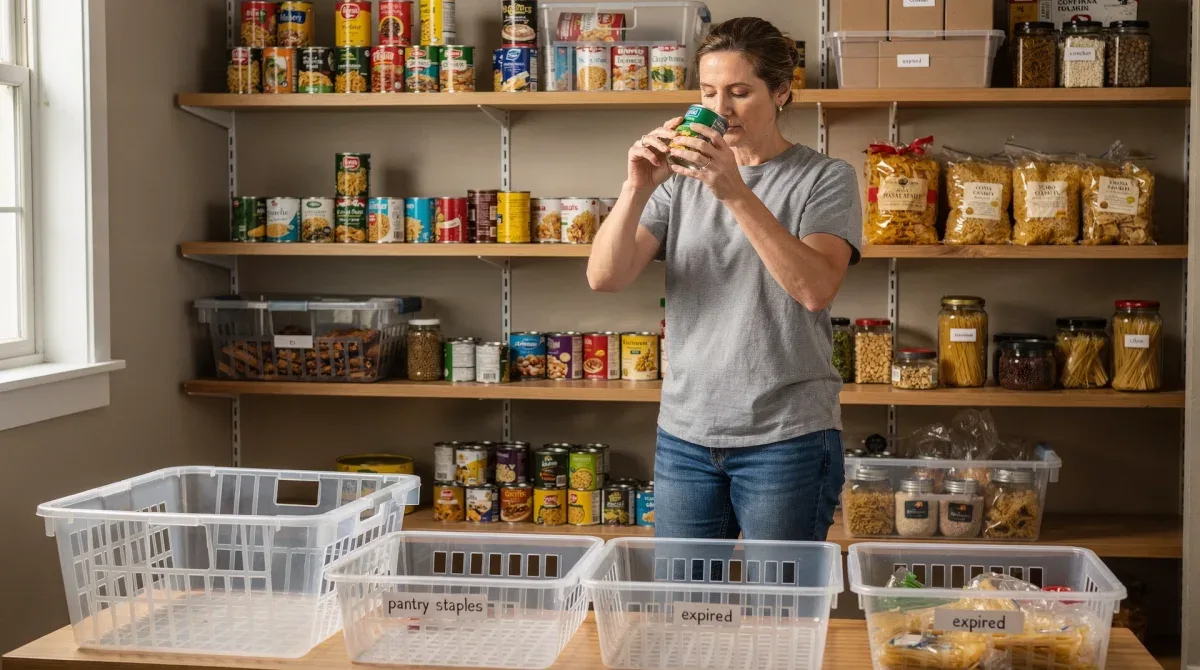
Once inventoried, categorize your items logically. Grouping similar foods together makes them easier to find and helps you see your stock at a glance. This organizational structure is key to maintaining an efficient pantry and preventing items from getting lost or forgotten.
Consider categories that make sense for your cooking style and household needs. Common categories include dry goods (pasta, rice, grains), canned goods, baking supplies, snacks, spices, oils, and condiments. Within these categories, you can further organize by size, frequency of use, or even alphabetically.
- Dry Goods: Pasta, rice, quinoa, lentils, flour, sugar.
- Canned Goods: Vegetables, fruits, beans, soups.
- Baking Supplies: Baking soda, powder, chocolate chips, extracts.
- Snacks: Granola bars, crackers, nuts, dried fruit.
- Spices & Herbs: Alphabetical or by cuisine.
- Oils & Vinegars: Cooking oils, specialty oils, various vinegars.
Utilize clear containers for dry goods to easily see contents and quantities. Labeling these containers and shelves is paramount. Clear labels reduce confusion and ensure that everyone in the household knows where things belong. This consistency is essential for long-term organization.
This phase of detailed inventory and categorization is labor-intensive but yields significant returns. It not only organizes your physical pantry but also provides the data needed to make informed decisions about your food supply, moving you closer to that 25% reduction in food waste.
Phase 3: strategic organization and storage
After inventorying and categorizing, the next step is to strategically organize and store your pantry items. This phase is about optimizing your space for accessibility, visibility, and longevity of your food. A well-organized pantry is a pantry where food gets used, not forgotten.
Effective organization isn't just about neatness; it's about creating a system that supports your goal of reducing food waste. This involves placing items intelligently, utilizing storage solutions, and implementing a rotation system to ensure older items are used first.
Implementing the 'first in, first out' (FIFO) system
The FIFO principle is a cornerstone of effective pantry management. It dictates that the oldest items (those purchased first or with the earliest expiration dates) should be used before newer ones. This simple system prevents food from expiring before it can be consumed.
When restocking, always place new items behind older ones. For example, if you buy a new bag of flour, place it at the back of the shelf, moving the existing flour to the front. This ensures a natural rotation and minimizes the chances of food going bad unnoticed. Labeling with purchase dates can further aid this process.
- Front Placement: Always bring older items to the front of the shelf.
- Date Marking: Use a marker to write purchase or expiration dates prominently.
- Batch Cooking: Prioritize older ingredients in your meal planning.
Optimizing shelf space and visibility
Maximizing your pantry's storage capacity while maintaining visibility is an art. Utilize vertical space with stackable containers, tiered shelf organizers, or even tension rods to create extra hanging storage. The key is to make every item visible at a glance, preventing hidden treasures that turn into forgotten waste.
Clear containers are your best friend for dry goods. They allow you to see exactly how much you have and when you're running low, eliminating the need to rummage through opaque packaging. Grouping similar items in bins or baskets also helps keep shelves tidy and makes retrieving specific categories effortless.
Consider dedicated zones for different types of food. For instance, a "quick meal" zone with pasta, sauce, and canned protein can be a lifesaver on busy nights. A "baking supplies" zone keeps all your ingredients in one place. This intentional zoning reduces search time and encourages efficient use of ingredients.
Strategic organization extends beyond just physical placement. It's about creating a flow that supports your cooking habits and minimizes friction. By arranging your pantry thoughtfully, you empower yourself to make the most of every ingredient, significantly contributing to your goal of reducing food waste.
Phase 4: meal planning and smart shopping
A well-organized pantry is a powerful tool, but its full potential is realized when integrated with thoughtful meal planning and smart shopping strategies. This synergy is critical for making the most of your inventory and preventing new items from becoming future waste. It's about closing the loop between what you have, what you need, and what you buy.
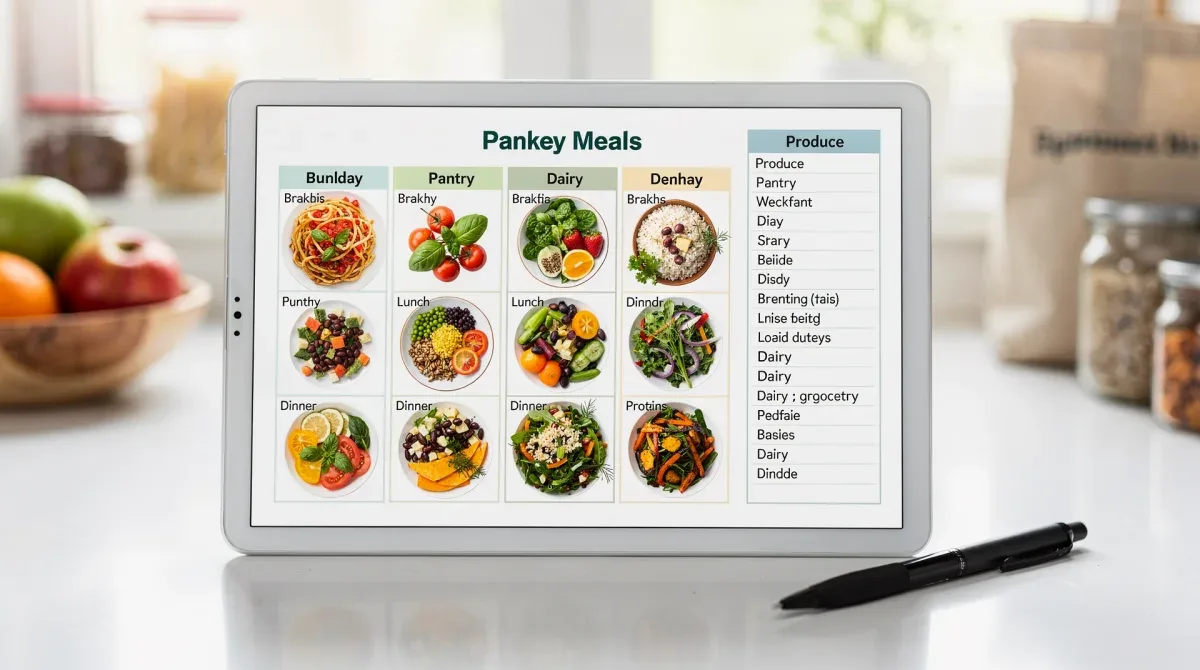
Meal planning transforms your inventory list from a static document into a dynamic guide for consumption. By planning meals around what you already have, you actively work to use up older ingredients and reduce the need for impulse purchases.
Planning meals around your inventory
Before writing your grocery list, consult your pantry inventory. Identify items that are nearing their expiration date or those you have in abundance. Challenge yourself to incorporate these items into your weekly meal plan. This creative approach ensures nothing goes to waste.
Think about versatile ingredients. For example, a can of chickpeas can be used in a curry, a salad, or roasted for a snack. Having a mental (or written) list of potential uses for your pantry staples makes meal planning more flexible and efficient. This proactive approach is key to reducing waste.
- Check Dates First: Prioritize ingredients that need to be used soon.
- Identify Staples: Build meals around your existing dry goods and canned items.
- Batch Cooking: Prepare larger portions of dishes using expiring ingredients to freeze for later.
Developing a smart shopping list
Once your meal plan is set, create a precise grocery list based on the ingredients you still need. Avoid going to the store without a list, as this often leads to impulse buys and duplicate purchases that contribute to food waste. Stick to your list rigorously.
Consider the quantities you truly need. Buying in bulk can seem economical, but if you can't consume the entire amount before it spoils, it's a false economy. Adjust your purchases to match your household's consumption rate. This conscious approach to buying prevents unnecessary accumulation.
- Be Specific: List exact items and quantities needed for your recipes.
- Avoid Impulse Buys: Stick strictly to your list.
- Check Sales Wisely: Only buy sale items if they fit your plan and won't go to waste.
- Shop Less Frequently: Consolidate trips to reduce opportunities for unplanned purchases.
Integrating meal planning with smart shopping habits is a powerful combination for reducing food waste. It ensures that every item you bring into your home has a purpose and a plan for consumption, thereby maximizing its value and minimizing its environmental footprint. This holistic approach is essential for long-term success.
Phase 5: ongoing maintenance and adaptation
Auditing your pantry twice a year is a significant step, but maintaining a waste-reducing kitchen requires ongoing effort and a willingness to adapt. This final phase focuses on embedding these practices into your daily routine, ensuring your pantry remains a beacon of efficiency and sustainability, not just after a major overhaul.
The goal is to move beyond periodic audits to a state of continuous, mindful pantry management. This involves small, consistent actions that collectively prevent the accumulation of forgotten items and ensure a steady flow of consumption.
Weekly mini-audits and rotation
Between your bi-annual deep dives, implement weekly mini-audits. This doesn't need to be an arduous task; a quick scan of your pantry shelves before grocery shopping can make a huge difference. Look for items nearing their expiration dates, assess quantities, and make a mental note of what needs to be used soon.
Regularly rotate items as you put away new groceries. This reinforces the FIFO principle and prevents older items from getting pushed to the back. It becomes a habit, a small but impactful action that contributes to your larger goal of waste reduction. Think of it as a continuous, low-effort maintenance cycle.
- Quick Scan: Before shopping, quickly check for items to use.
- Immediate Rotation: Place new items behind older ones as you unpack.
- "Eat Me First" Box: Designate a bin for items that need immediate consumption.
Adapting to seasonal changes and lifestyle shifts
Your pantry needs are not static; they evolve with seasons, family changes, and lifestyle shifts. Be prepared to adapt your inventory and meal planning to these changes. For example, summer might call for lighter, fresh ingredients, while winter might involve more hearty, long-storage items.
If your family's eating habits change, or if you find yourself with more or less time for cooking, adjust your purchasing and storage strategies accordingly. Flexibility is key to sustainable waste reduction. Don't be afraid to tweak your system if it's not working optimally for your current circumstances.
This ongoing maintenance and adaptation ensure that your pantry system remains relevant and effective. It's a journey, not a destination, and by consistently applying these principles, you can sustain your 25% reduction in food waste and continue to reap the economic and environmental benefits.
Benefits beyond waste reduction
While the primary goal of auditing your home pantry is to cut food waste by 25%, the benefits extend far beyond this single metric. Engaging in regular pantry management cultivates a host of positive impacts on your household, contributing to a more organized, financially sound, and environmentally conscious lifestyle. These ripple effects often become as valuable as the initial objective.
The systematic approach to your pantry instills a sense of order and control in your kitchen, which can spread to other areas of your home. A well-organized pantry reduces stress, saves time, and enhances the overall efficiency of your daily routines. It transforms a potentially overwhelming task into a streamlined process.
Financial savings and budget control
By reducing food waste, you are directly saving money. Every item you use instead of discarding is money recovered. This practice encourages more mindful spending at the grocery store, as you become acutely aware of your existing inventory and avoid unnecessary purchases. Over time, these savings can be substantial.
A clear inventory also helps in budget planning. You can accurately assess what staples you have on hand and what you genuinely need, leading to more precise grocery budgets. This predictability in food expenses contributes to overall financial stability and allows for better allocation of funds to other household priorities.
- Reduced Grocery Bills: Buying only what you need and using what you have.
- Avoid Impulse Buys: A clear plan prevents unnecessary spending.
- Better Budgeting: Predictable food expenses for better financial planning.
Improved meal planning and creativity
With a clear understanding of your pantry contents, meal planning becomes significantly easier and more enjoyable. You can quickly identify ingredients available for upcoming meals, fostering creativity in the kitchen. This often leads to trying new recipes or adapting existing ones to utilize what you have on hand, reducing monotony in your diet.
Having an organized pantry means less time spent searching for ingredients and more time cooking and enjoying your meals. This efficiency can make healthy home cooking more appealing and less daunting, leading to better dietary habits and a more fulfilling culinary experience for the entire family.
Environmental stewardship and sustainability
Beyond the direct reduction of methane emissions from landfills, reducing food waste embodies a broader commitment to environmental stewardship. It signifies a conscious effort to conserve resources, minimize your carbon footprint, and support a more sustainable food system. This personal action collectively contributes to global environmental health.
By becoming more efficient in your food consumption, you set an example for others and contribute to a cultural shift towards greater respect for food resources. This aligns with broader movements towards sustainable living and responsible consumption, making your household a part of the solution to a global challenge.
The benefits of a regular pantry audit extend far beyond just cutting food waste. They encompass financial well-being, culinary enjoyment, reduced stress, and a profound contribution to environmental sustainability. It's a holistic approach that enriches daily life in numerous meaningful ways.
Troubleshooting common pantry audit challenges
Even with the best intentions, conducting a pantry audit can present a few common challenges. Recognizing these hurdles and having strategies to overcome them can make the process smoother and more effective, ensuring you stick to your goal of reducing food waste. Anticipating these issues allows for proactive solutions.
From dealing with overwhelming quantities to managing family participation, a proactive approach to potential difficulties can prevent frustration and keep your audit on track. It's about problem-solving to maintain momentum and achieve lasting results.
Dealing with excessive quantities or expired items
One of the biggest challenges can be discovering an overwhelming amount of food, especially expired items. It can feel discouraging, but it's a normal part of the process. Don't let it deter you; view it as an opportunity to reset and prevent future waste.
For large quantities of non-expired but unused items, consider donating them to local food banks or sharing with neighbors. For expired items, dispose of them responsibly. If you find a pattern of certain items consistently expiring, adjust your purchasing habits for those specific products.
- Donate Usable Excess: Give non-expired, unwanted items to food banks.
- Compost if Possible: For spoiled food, consider composting if available.
- Adjust Shopping: Reduce future purchases of frequently expired items.
Maintaining consistency and family involvement
Another common challenge is maintaining consistency with the new system, especially if you live with others. Getting everyone in the household on board is crucial for long-term success. Communication and clear expectations are key.
Involve family members in the audit process and explain the benefits. Assign small, manageable tasks, such as checking expiration dates or rotating items. Make the system intuitive with clear labels and designated spots, so it's easy for everyone to follow. Visual aids, like a shared inventory list or meal plan, can also help.
Regular check-ins and positive reinforcement can encourage continued participation. Remember, it's a collective effort. If the system is too complex, simplify it. The goal is sustainability, not perfection. Adapting the system to fit your family's dynamics will ensure its longevity.
By addressing these common challenges head-on, you can navigate the pantry audit process with greater ease and effectiveness. Proactive problem-solving ensures that your efforts to reduce food waste are not just a one-time event but a sustainable practice embedded in your daily life.
| Key Audit Phase | Brief Description |
|---|---|
| Preparation & Purge | Empty, clean, and discard expired or unwanted items to create a fresh start. |
| Inventory & Categorize | Document all items, noting quantities and dates, then group them logically. |
| Organization & Storage | Implement FIFO, optimize space, and use containers for visibility and accessibility. |
| Meal Planning & Shopping | Plan meals using existing inventory and create precise grocery lists to avoid waste. |
Frequently asked questions about pantry audits
How often should I audit my pantry to be effective?▼Auditing your pantry twice a year, ideally at the start of spring and fall, is highly effective. This frequency allows you to clear out seasonal items, check expiration dates, and reorganize before major holidays or changes in consumption patterns. Consistent bi-annual checks help maintain optimal stock levels and prevent accumulation of unused food.
What are the immediate benefits of a pantry audit?▼Immediately after a pantry audit, you'll experience a more organized space, a clearer understanding of your food inventory, and a reduction in forgotten or expired items. This leads to easier meal planning, smarter grocery shopping, and noticeable savings on your food budget. It also fosters a sense of control over your household food supply.
Can a pantry audit truly reduce food waste by 25%?▼Yes, implementing a systematic pantry audit, coupled with consistent meal planning and smart shopping, can realistically reduce food waste by 25% or more. The key is the regular assessment of inventory, proactive consumption of expiring goods, and avoiding duplicate purchases. Many households report even higher reductions once these habits are ingrained.
What's the best way to involve my family in the pantry audit process?▼Involve your family by explaining the benefits of reducing waste and saving money. Assign age-appropriate tasks, such as checking dates, labeling, or helping with meal planning. Make it a fun, collaborative effort, and maintain open communication about the system. Clear organization and consistent habits will make it easier for everyone to participate.
What if I find too many expired items during the audit?▼Don't be discouraged if you find many expired items; view it as a learning opportunity. Dispose of spoiled food responsibly. For non-expired but unused items, consider donating them. Use this discovery to adjust future shopping habits, buying smaller quantities or diversifying your purchases to prevent similar accumulation. It's a chance to reset and improve.
Conclusion
Implementing a comprehensive, bi-annual pantry audit is more than just a chore; it's a strategic investment in your household's financial well-being, environmental impact, and daily efficiency. By following a structured, step-by-step approach, you can systematically reduce food waste by 25%, transforming your kitchen into a model of sustainability. The benefits extend beyond mere waste reduction, fostering smarter shopping habits, enhancing meal creativity, and contributing to a more organized and mindful lifestyle. Embrace this powerful practice, and watch your pantry become a cornerstone of a more sustainable home.