Offline Social Clubs: Rebuilding Community Connections in 2026
Advertisements
Offline Social Clubs in 2026 are attracting attention as Americans explore new ways to make friends, share interests, and strengthen neighborhood relationships. Although a nationwide 40% increase in clubs has not been independently verified, recent studies show growing interest in selected in-person activities alongside persistent challenges involving loneliness and community participation.
Inside the 40% Surge in Offline Social Clubs: How Americans Are Rebuilding Local Community Connections in 2026 explores the renewed interest in face-to-face gatherings. From walking groups to book clubs, shared activities offer opportunities to build relationships beyond digital platforms.
Recent research points to growing interest in certain in-person events, particularly among younger adults. However, the frequently cited 40% increase in offline social clubs lacks an identifiable nationwide measurement, making it important to distinguish specific event trends from broader participation patterns.
This guide examines how offline social clubs in 2026 support neighborhood interaction, encourage shared experiences, and create opportunities for community involvement. It also explores economic implications, accessibility, technology, and practical ways for Americans to participate.
The Resurgence of Local Community Connections
Interest in offline social clubs reflects a desire for meaningful interaction through activities that bring people together in physical spaces. Book discussions, recreational sports, gardening, and creative workshops offer opportunities for repeated contact.
Unlike one-time encounters, recurring gatherings give participants opportunities to recognize familiar faces and gradually develop relationships. These experiences may strengthen neighborhood ties, although their effectiveness depends on participation and the quality of interactions.
Recent evidence suggests interest in selected community activities is growing, but national social participation remains uneven. Understanding both developments provides a more accurate picture of American community life in 2026.
Drivers Behind the Offline Social Clubs Surge
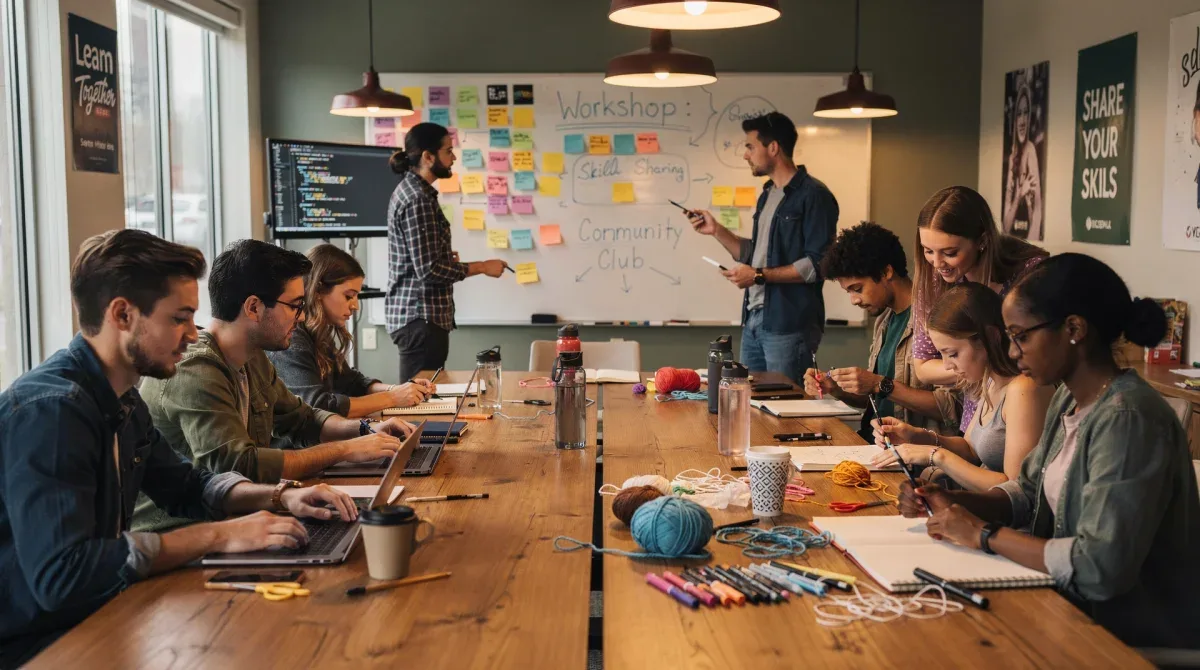
Several factors may contribute to interest in face-to-face gatherings, including changing work routines, the desire to meet neighbors, and the appeal of shared activities. Digital communication remains useful, but some people seek additional opportunities for in-person interaction.
Eventbrite's 2026 Social Study reported that 79% of surveyed adults aged 18 to 35 planned to attend more events during the year. This indicates interest in participation, although intentions do not necessarily translate into attendance.
Concerns about mental well-being may also motivate participation. Clubs can provide regular social opportunities, but they should not be presented as guaranteed solutions to loneliness or mental health conditions.
Demographic Shifts and Participation
Younger adults may encounter social clubs through digital event platforms, recreational activities, and community organizations. Interest-based gatherings can make introductions easier because participants already share a reason to attend.
Older adults may prefer groups centered on volunteering, recreation, lifelong learning, or neighborhood involvement. However, preferences vary within every age group, and no single activity is suitable for everyone.
Intergenerational participation can create opportunities for exchanging experiences and developing relationships across age groups. Successful local community connections depend on respectful interaction, accessibility, and shared interests rather than demographic assumptions.
What Recent Participation Data Actually Shows
Eventbrite's 2026 reporting identified increased participation in selected event categories, including a reported 151% increase in puzzle competitions during a specified comparison period in the United States.
Meanwhile, a September 2026 Data for Progress survey found that reported attendance at club meetings was lower than in comparable historical survey questions from 1995. The organization cautioned that methodological differences limit precise comparisons.
These findings illustrate why the claim of a universal 40% increase in offline social clubs cannot be treated as established. Specific activities may grow even while broader indicators of social participation remain weak.
Understanding the Impact on Urban and Suburban Landscapes
Physical gathering spaces can influence how communities interact by giving residents opportunities to meet outside their homes and workplaces. Libraries, parks, recreation centers, and neighborhood businesses may all accommodate recurring activities.
Urban neighborhoods often offer multiple venues within relatively short distances, while suburban areas may depend more heavily on transportation access and available community facilities. These differences can influence participation.
The growth of individual clubs may encourage greater use of local spaces, but the broader impact depends on attendance, funding, and neighborhood characteristics. Stronger community life does not automatically produce measurable changes in property values or economic growth.
How Public Spaces Support Social Interaction
Parks and community centers can provide accessible settings for walking groups, outdoor classes, and cultural activities. Their usefulness often depends on location, safety, maintenance, and scheduling.
Public libraries may also host reading groups, workshops, and educational gatherings that bring residents together. These activities can support learning while introducing participants to others with similar interests.
Community organizers should consider accessibility when selecting venues. Convenient locations, clear directions, and appropriate facilities may help reduce barriers to participation in local social clubs.
Community Clubs in Suburban Neighborhoods
Suburban neighborhoods sometimes have fewer centralized gathering areas than dense urban districts. Residents may therefore organize activities through schools, recreation facilities, neighborhood associations, or privately hosted meetings.
Walking groups, gardening clubs, and local hobby meetups can offer practical opportunities for residents to connect without traveling long distances. Participation may be easier when activities are scheduled around everyday routines.
However, transportation limitations and venue availability can create challenges. Community organizers should evaluate whether participants can reach events comfortably and safely before establishing recurring gatherings.
Economic Implications of Community Building
Local gatherings may bring customers to cafes, restaurants, bookstores, and other neighborhood businesses. A recurring club meeting can create opportunities for spending before, during, or after the activity.
Creative workshops may also purchase supplies from local retailers or collaborate with instructors and service providers. These arrangements can support participating businesses, although their economic effects depend on actual event activity.
It would be inaccurate to assume that offline social clubs in 2026 automatically increase property values or produce measurable economic growth. Those outcomes require separate evidence and may vary considerably between communities.
Innovation in Club Models and Activities
Modern social clubs can take many forms, from informal gatherings organized by neighbors to structured programs managed by nonprofit organizations or businesses. Their flexibility allows groups to address different interests and participation preferences.
Some gatherings focus on learning a skill, while others prioritize recreation, volunteering, or cultural activities. Recurring participation can create opportunities for developing familiarity without requiring members to pursue the same personal goals.
The variety of available activities makes offline social clubs adaptable to different community settings. However, organizers must still manage practical issues involving venues, communication, costs, and participant expectations.
Book Clubs and Shared Reading Experiences
Book clubs provide a familiar example of interest-based social interaction. Participants can discuss selected readings, exchange interpretations, and develop connections through recurring conversations.
Some groups follow traditional formats with scheduled discussions, while others organize quieter reading gatherings that require less direct interaction. These alternatives may appeal to participants with different social preferences.
Libraries, bookstores, and community organizations can provide suitable meeting environments. The most important consideration is creating expectations that allow participants to feel comfortable contributing at their own pace.
Walking Groups, Running Clubs, and Outdoor Activities
Walking and running groups combine physical activity with opportunities for social interaction. They may appeal to individuals who prefer shared movement rather than meetings centered entirely on conversation.
Outdoor activities can also provide recurring opportunities to explore parks and neighborhood spaces. Participants should choose routes and activity levels suited to their abilities and local conditions.
Organizers can improve accessibility by clearly communicating pace, distance, meeting points, and required equipment. These details help potential members decide whether a particular group matches their needs.
Skill-Sharing Workshops and Creative Communities
Creative workshops bring participants together through activities such as painting, photography, crafts, cooking, and practical skill development. Working on a shared task can make conversation feel more natural.
These groups may also create opportunities for local instructors and experienced participants to share knowledge. However, workshop quality depends on appropriate materials, instruction, and organization.
For people seeking local community connections, skill-based gatherings offer a structured starting point. Shared interests provide common ground while allowing relationships to develop gradually outside formal lessons.
Technology's Role in Offline Connections
Technology can help individuals discover in-person gatherings through event listings, neighborhood platforms, and online communities. Digital communication often serves as the first step toward participation.
Organizers may use online tools for scheduling, registration, reminders, and communicating changes. These systems can reduce administrative work and help members stay informed between meetings.
Rather than treating online and offline interaction as opposing experiences, many offline social clubs combine them. Digital tools support discovery and coordination, while the main activities take place through direct participation.
Why Low-Pressure Social Activities Are Appealing
Not everyone enjoys events built around formal networking or continuous conversation. Some people prefer gatherings where interaction develops naturally while participants focus on an activity.
Eventbrite's 2026 Social Study describes interest in these experiences as soft socializing. The concept emphasizes participating in an event without making direct social interaction the only objective.
For newcomers, a shared activity can provide a comfortable starting point. However, individual preferences differ, and organizers should avoid assuming that every participant wants the same level of engagement.
The Appeal of Activity-Based Meetups
Activities such as puzzles, board games, crafts, and gardening provide participants with a common task. This can reduce the need to begin conversations without a shared topic.
People may enjoy attending these gatherings for the activity itself, even when they do not immediately develop close friendships. Participation can still provide enjoyable experiences and opportunities for future interaction.
Organizers should communicate whether events are competitive, instructional, or informal. Clear expectations help participants decide whether a meetup suits their interests and comfort levels.
Making First-Time Attendance Easier
Joining an unfamiliar group can feel intimidating, particularly when participants do not know anyone attending. Clear event descriptions and welcoming procedures can make the experience more predictable.
Providing information about meeting locations, fees, activities, and accessibility helps newcomers prepare. An optional introduction or designated contact person may also be useful.
Successful community-building activities do not require participants to become friends immediately. A respectful environment that allows repeated attendance can support relationships as familiarity develops.
Challenges and Opportunities for Expansion
Although in-person gatherings can offer social opportunities, maintaining a club requires ongoing coordination. Organizers may face difficulties involving attendance, venue expenses, scheduling, and volunteer availability.
Membership growth can also introduce challenges when participants have different expectations. Clear communication and reasonable procedures can help groups manage these differences.
The future of offline social clubs in 2026 depends partly on whether activities remain accessible and sustainable. Community interest alone does not guarantee that every group can continue operating over time.
Managing Costs and Membership Fees
Some groups operate without membership fees by using public spaces or volunteer support. Others require payments to cover venue rentals, equipment, supplies, or professional instruction.
Organizers should communicate costs clearly before participants register. Unexpected expenses can discourage attendance, particularly when activities are marketed as accessible community events.
Flexible pricing or occasional free sessions may help some groups reach more participants. However, financial arrangements should reflect actual operating costs and available resources rather than unsupported assumptions about funding.
Maintaining Attendance and Engagement
Recurring clubs depend on members having reasons to return. Consistent scheduling, enjoyable activities, and respectful communication can help create a positive participation experience.
However, attendance naturally changes as people manage employment, family responsibilities, transportation, and other commitments. Occasional absences should not automatically be interpreted as a lack of interest.
Collecting feedback can help organizers adapt activities without constantly changing the club's purpose. A manageable schedule and realistic expectations may support long-term participation.
Building Trust and Setting Expectations
Community clubs benefit from clear expectations about respectful conduct, privacy, and participation. Written guidelines may be especially useful for groups involving minors or activities with safety considerations.
Organizers should also consider how personal contact information and photographs are collected or shared. Participants deserve to understand whether their information will appear in public event materials.
Trust usually develops through consistent experiences rather than marketing claims. Responsible organization can help local social clubs create environments where participants feel comfortable returning.
Policy and Community Support for Social Clubs
Local governments, libraries, nonprofit organizations, and neighborhood associations can help facilitate community activities through available facilities and established programs. The type of assistance varies by jurisdiction.
Some organizers may be able to reserve public meeting rooms or participate in existing recreation programs. Others may need permits, insurance, or additional approvals depending on event size and location.
These arrangements demonstrate how public and community institutions can support social interaction. However, the availability of grants, reduced fees, or other assistance should not be assumed without checking local policies.
Building Inclusive and Accessible Clubs
Accessibility influences whether residents can participate in community activities. Location, transportation, fees, scheduling, and physical accommodations may create barriers for different individuals.
Organizers can improve participation by providing clear accessibility information and considering multiple meeting times. Choosing an appropriate venue may be especially important for people with mobility limitations.
Inclusive offline social clubs should welcome different backgrounds without pressuring participants to share personal information or interact in a particular way. Respectful communication helps create a more comfortable environment.
Partnerships With Local Organizations
Libraries, schools, recreation centers, and nonprofit organizations may provide opportunities for partnerships. These arrangements can connect club organizers with facilities, participants, and relevant community resources.
Local businesses may also collaborate by hosting workshops or offering appropriate meeting spaces. However, organizers should clarify financial expectations and responsibilities before establishing a recurring arrangement.
Partnerships work best when the participating organizations share realistic goals and communicate consistently. Community support can assist club operations without guaranteeing attendance or long-term success.
How to Find an Offline Social Club Near You
Finding a suitable group begins with identifying activities you genuinely enjoy. Interest in reading, exercise, volunteering, art, or local history can provide useful starting points for discovering nearby gatherings.
Libraries, recreation departments, neighborhood organizations, and public event directories may list opportunities. Online platforms can also help users locate scheduled in-person activities.
Before attending, verify the event's location, registration requirements, cost, and organizer details. Taking these steps can make participation in offline social clubs in 2026 more convenient and predictable.
Start With Libraries and Community Centers
Public libraries frequently provide information about local educational and cultural activities. Some host book discussions, workshops, and programs that encourage participation from residents.
Community centers and recreation departments may offer group activities designed for different ages and interests. Availability depends on the services provided in each area.
Check official calendars or contact the organization directly to confirm current opportunities. A relevant club may already exist nearby without being widely advertised through social media.
Use Event Platforms to Discover Local Activities
Event listing platforms can help people explore gatherings based on location, dates, and interests. Search terms such as book club, walking group, workshop, or neighborhood meetup may provide useful results.
However, online listings can become outdated, and some events require advance registration. Participants should confirm details before traveling or submitting payment.
Digital tools can simplify the discovery process while keeping the actual experience centered on meeting people in person. This combination is increasingly relevant to local community connections.
Choose Activities That Fit Your Schedule
A club is more likely to become part of a routine when its meetings are convenient and enjoyable. Consider travel distance, event duration, and the frequency of scheduled gatherings.
Some people prefer weekly sessions, while others find monthly participation easier to maintain. There is no universal frequency required to benefit from shared activities.
Try a small number of groups before committing to a membership. A comfortable atmosphere and realistic schedule may matter more than the size or popularity of the organization.
How to Start a Local Social Club in 2026
Creating a club can be a practical option when suitable activities are not available nearby. A small gathering centered on a shared interest may provide an initial opportunity to bring residents together.
Successful organization requires a clear purpose, convenient meeting arrangements, and realistic expectations. Clubs do not necessarily need formal structures immediately, although legal or administrative requirements may apply to certain activities.
For residents interested in rebuilding local community connections, beginning with a manageable group can help identify genuine interest before expanding the event schedule.
Define a Simple Purpose and Activity
Start by identifying an activity that participants can enjoy together, such as reading, walking, gardening, or learning a practical skill. A specific purpose makes the club easier to explain.
Choose activities that match the available space, equipment, and organizer experience. More complicated events may require additional preparation and safety considerations.
A straightforward concept can make the first meeting less demanding. Participants should understand what they will do and whether any materials or preparation are required.
Organize the First Meeting
Select a suitable venue and establish a reasonable meeting duration. Communicate the date, time, location, accessibility details, and any costs before inviting participants.
Public or community-managed facilities may require reservations or permissions. Confirm these arrangements before advertising the event to avoid unnecessary changes.
During the meeting, focus on the planned activity and allow interactions to develop naturally. A small but positive gathering can provide useful feedback for organizing future sessions.
Develop a Sustainable Routine
After the first gathering, ask participants whether they would like to meet again and which aspects worked well. Their feedback can inform scheduling and activity choices.
A manageable recurring schedule is often easier to maintain than an ambitious calendar requiring extensive volunteer coordination. Additional activities can be introduced when resources permit.
For offline social clubs, sustainability depends on genuine participation and responsible organization. Regular communication helps maintain continuity without placing unrealistic obligations on members.
The Future of American Social Fabric in 2026
Interest in face-to-face events highlights the continued importance of shared physical spaces. However, contemporary American community life includes both encouraging examples of participation and persistent concerns about social disconnection.
Research from Social Connection in America in September 2026 indicated that approximately four in ten surveyed Americans experienced moderate to severe loneliness. This finding underscores the importance of avoiding overly optimistic assumptions about national social trends.
Clubs, neighborhood events, and volunteer opportunities may contribute to stronger relationships when they provide welcoming and consistent experiences. Their broader effects depend on the accessibility and quality of community participation.
Long-Term Societal Benefits
Strong social connections are associated with important aspects of health and well-being. The U.S. Surgeon General's advisory on social connection identifies relationships and community participation as relevant to individual and societal outcomes.
However, these findings do not establish that joining a particular club automatically improves mental health or extends lifespan. Individual experiences, relationship quality, and broader circumstances influence outcomes.
Community participation can still provide opportunities for friendship, volunteering, learning, and mutual support. These activities may contribute to stronger neighborhoods without guaranteeing specific health or economic effects.
Balancing Online and Offline Communities
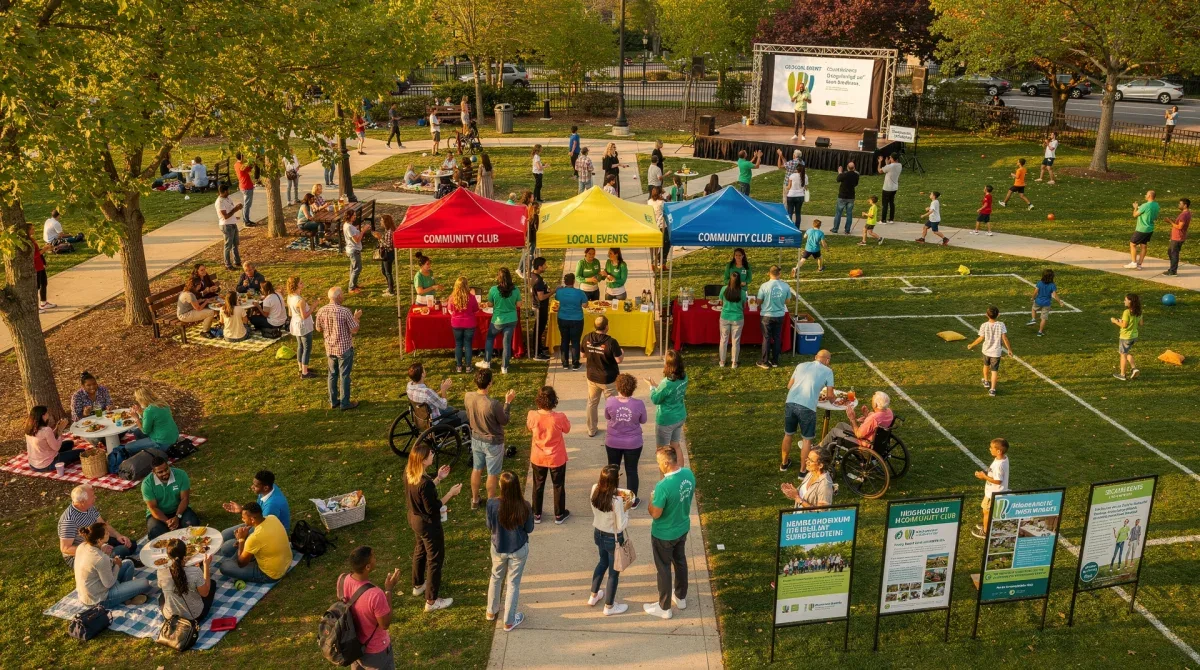
Online communities remain meaningful for many Americans, especially when they provide access to people who share uncommon interests or live far apart. Their role should not be dismissed when discussing in-person gatherings.
A Pew Research Center survey published in October 2026 found that nearly four in ten U.S. adults belonged to an online community. The results also showed that people hold differing views about the value of digital relationships.
Rather than replacing online interaction, offline social clubs in 2026 can complement it. Digital platforms help people discover opportunities, while physical gatherings create additional ways to build connections.
Key Findings on Offline Social Clubs in 2026
Recent research suggests that selected in-person activities are attracting interest, particularly among younger adults. However, these developments should not be confused with proof of a nationwide 40% expansion in social clubs.
Americans continue experiencing challenges involving loneliness and participation, while community organizations explore different ways to support local interaction. The resulting picture is more complex than a single growth percentage suggests.
The following table summarizes important considerations for offline social clubs and local community connections, distinguishing verified findings from potential benefits and practical support mechanisms.
Key Trend | Impact Description |
|---|---|
Offline Social Clubs Surge | Selected in-person event categories show growth, but a nationwide 40% increase in social clubs has not been independently established. |
Economic Revitalization | Community gatherings may support participating local businesses, although broader economic and property value effects are not guaranteed. |
Enhanced Well-being | Meaningful social relationships can support well-being, but joining a club does not guarantee relief from loneliness or mental health conditions. |
Policy & Community Support | Libraries, local governments, nonprofit organizations, and community facilities may provide venues or other resources, depending on local availability. |
Frequently Asked Questions About Offline Social Clubs
What is driving the 40% surge in offline social clubs?
A nationwide 40% increase in offline social clubs has not been independently verified. However, recent reports show increased interest in selected in-person activities, including community events and hobby-based gatherings. Potential motivations include shared interests, opportunities to meet neighbors, and a desire for additional face-to-face interaction. These factors may encourage participation, but they do not establish a single national growth rate.
How are these clubs rebuilding local community connections?
Offline social clubs create opportunities for people to meet repeatedly through shared activities such as reading, recreation, volunteering, and creative workshops. Regular gatherings can help participants become familiar with neighbors and develop relationships over time. Their effectiveness depends on accessibility, welcoming environments, and continued participation. Membership alone does not guarantee meaningful friendships, but well-organized activities can provide opportunities for connection.
What types of offline social clubs are most popular in 2026?
Popular examples of in-person gatherings include book clubs, walking and running groups, hobby workshops, recreational games, and neighborhood events. Eventbrite has reported growth in selected categories such as puzzle competitions, but this does not establish a definitive nationwide ranking of all club types. Participation varies by location, age, available facilities, and individual interests. The most suitable club is often one that matches a person's schedule and preferences.
Are there economic benefits to the rise of offline social clubs?
Community gatherings may benefit participating businesses when members purchase food, supplies, services, or event space. Cafes, bookstores, recreation facilities, and local instructors can potentially receive additional customers through recurring activities. However, the scale of these benefits depends on actual attendance and spending. Broader claims about property value increases or significant economic growth require separate evidence and cannot be assumed for every neighborhood.
How is technology being used to support offline social clubs?
Digital platforms help organizers advertise events, manage registrations, communicate schedules, and connect with potential members. Social media groups and local event directories can also help residents discover nearby activities. Technology therefore serves as a practical organizational tool rather than necessarily replacing face-to-face interaction. Many clubs combine online coordination with in-person meetings to make participation more convenient and accessible.
Perspectives
Inside the 40% Surge in Offline Social Clubs: How Americans Are Rebuilding Local Community Connections in 2026 explores an important development in American social life. While the headline's 40% figure remains unverified, documented interest in selected gatherings highlights the appeal of shared experiences.
Book clubs, outdoor activities, workshops, and neighborhood organizations can create practical opportunities for social interaction. Their benefits depend on how effectively they welcome participants, manage resources, and maintain ongoing activities.
As communities continue adapting to changing social habits, the relationship between digital tools and physical gathering spaces will remain important. For individuals hoping to strengthen local community connections, finding accessible activities and participating consistently can be a practical starting point.