Right-to-Repair: Protecting Consumer Ownership in 2026
Advertisements
The 2026 national right-to-repair regulatory framework protects consumer ownership rights by mandating manufacturers provide necessary tools, parts, and information, ensuring individuals can repair their own products.
The discussion around consumer rights and product longevity has never been more critical. In 2026, the implementation of the national right-to-repair framework marks a pivotal moment, fundamentally reshaping how consumers interact with their purchased goods. This comprehensive regulatory shift is designed to empower individuals, ensuring they retain true ownership over their devices and appliances, rather than being beholden to manufacturers for every repair. We delve into the core tenets of this framework and its profound implications for everyday life.
Understanding the National Right-to-Repair Framework
The national right-to-repair framework, enacted in 2026, represents a significant legislative achievement aimed at addressing decades of manufacturer-imposed restrictions on product repair. This framework is not merely a collection of guidelines; it is a legally binding mandate that fundamentally shifts power dynamics from corporations to consumers.
At its heart, the framework seeks to ensure that when you buy a product, you truly own it. This means having the ability to repair it yourself, take it to an independent repair shop, or choose the most cost-effective solution without facing artificial barriers. The legislation was born out of growing frustration among consumers and environmental advocates over planned obsolescence and the exorbitant costs associated with manufacturer-exclusive repair services.
Key Pillars of the Legislation
The 2026 framework is built upon several foundational principles that collectively work to protect consumer ownership. These pillars ensure a holistic approach to repair accessibility, covering various aspects of product lifecycle and service.
- Access to Parts: Manufacturers are now legally required to make genuine OEM (Original Equipment Manufacturer) parts available for purchase by independent repair shops and consumers at fair and reasonable prices. This eliminates monopolies on parts distribution.
- Access to Tools: Specialized diagnostic tools, software, and equipment previously reserved for authorized service centers must now be sold or licensed to independent repair providers and, in some cases, directly to consumers.
- Access to Information: Comprehensive repair manuals, schematics, and diagnostic information must be published and made accessible to the public. This empowers individuals and independent technicians to understand and troubleshoot complex devices.
- Fair Pricing: The framework includes provisions to prevent manufacturers from gouging prices on parts and tools, ensuring that repair remains a viable and affordable option for consumers.
These pillars collectively dismantle the barriers that have historically prevented consumers from exercising their full ownership rights. The framework acknowledges that a product's value extends beyond its initial purchase, encompassing its entire usable lifespan and the consumer's ability to maintain it.
Empowering Consumers Through Repair Accessibility
One of the most immediate and tangible benefits of the national right-to-repair framework is the empowerment it grants to consumers. No longer are individuals forced into a limited set of expensive repair options or compelled to replace perfectly functional devices due to minor issues.
This newfound accessibility to repair resources transforms the consumer experience. It fosters a sense of self-reliance and economic independence, allowing people to make informed decisions about their possessions. The framework recognizes that consumers are capable of managing their own property, provided they have the necessary resources.
Economic Benefits for Households
The economic implications for American households are substantial. By increasing competition in the repair market and making DIY repairs feasible, the framework is projected to save consumers billions of dollars annually. This is particularly impactful for low-income families who often bear the brunt of expensive product replacements.
- Reduced Repair Costs: Competition from independent shops drives down prices, making repairs more affordable than manufacturer-exclusive services.
- Extended Product Lifespan: Easier access to parts and information means devices can be kept in service longer, reducing the need for frequent upgrades and new purchases.
- DIY Savings: For those inclined, the ability to perform repairs at home significantly cuts down on labor costs, offering direct savings.
Beyond direct monetary savings, the framework also contributes to a more sustainable consumption model. By extending the life of products, it reduces electronic waste (e-waste) and the environmental impact associated with manufacturing new goods. This aligns with broader societal goals of sustainability and responsible resource management. The framework ensures that the initial investment in a product yields a longer, more valuable return for the consumer.
Impact on Independent Repair Businesses and Innovation
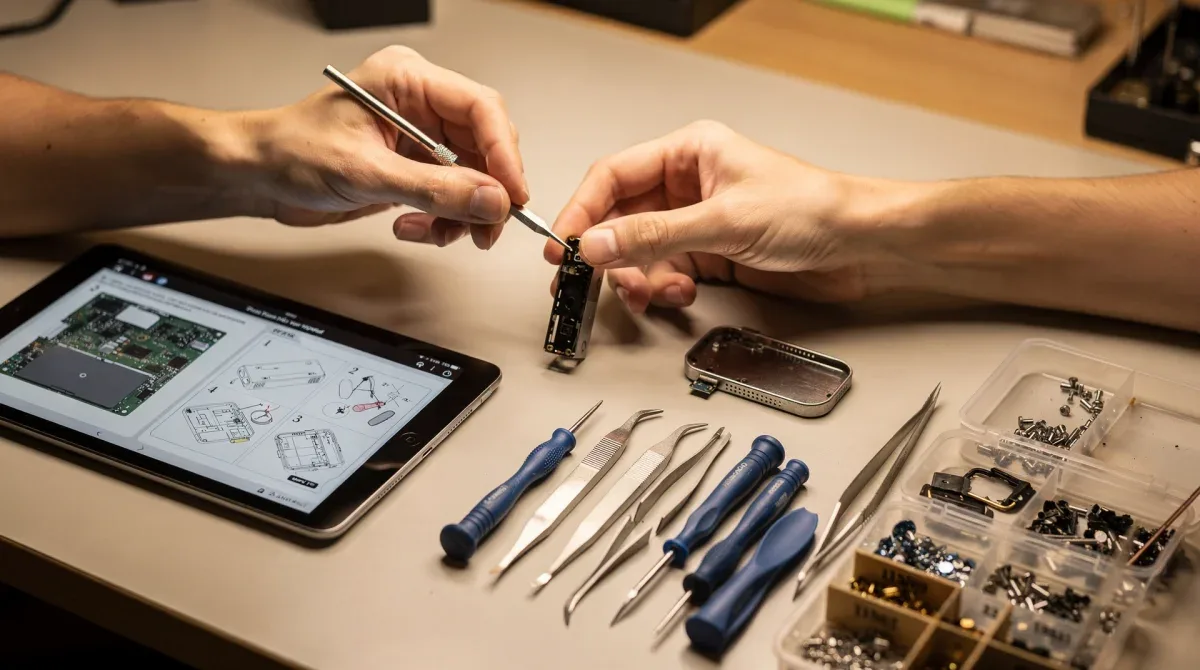
The national right-to-repair framework is not just a win for consumers; it's a lifeline for independent repair businesses across the nation. For years, these small businesses have struggled against restrictive practices by manufacturers, often unable to access the proprietary parts, tools, and diagnostic information needed to compete effectively. The 2026 legislation levels the playing field, fostering a more competitive and innovative repair ecosystem.
With guaranteed access to essential repair resources, independent shops can now offer a wider range of services, better pricing, and more convenient options for consumers. This surge in competition is expected to drive down repair costs overall, benefiting everyone. It also encourages local economic growth, as these businesses create jobs and keep money circulating within their communities.

Fostering a Culture of Innovation
Beyond direct business growth, the framework also stimulates innovation within the repair sector. When independent technicians have access to the same resources as manufacturers, they are free to develop new repair techniques, specialized tools, and more efficient diagnostic processes.
- New Repair Solutions: Independent shops can innovate faster, finding creative ways to fix common issues that might not be prioritized by large manufacturers.
- Specialized Services: The ability to access parts and schematics allows for highly specialized repair services that cater to niche markets or older device models.
- Community Knowledge Sharing: A more open environment encourages the sharing of repair knowledge and best practices among independent technicians, elevating the overall standard of service.
This vibrant, competitive landscape benefits consumers by offering a broader array of repair choices and better service quality. It also pushes manufacturers to improve their product design and support, knowing that their products will be scrutinized and repaired by a wider network of experts. Ultimately, the framework cultivates a more robust and responsive market for product maintenance and longevity.
Addressing Manufacturer Concerns and Compliance
While the national right-to-repair framework is widely celebrated by consumers and independent repair advocates, its implementation has naturally raised concerns among manufacturers. These concerns often revolve around intellectual property, product safety, and the potential impact on their business models. The 2026 legislation, however, includes provisions designed to address these issues while upholding consumer rights.
Manufacturers have voiced worries about the unauthorized use of proprietary designs, the risk of improper repairs leading to safety hazards, and the potential erosion of their brand reputation. The framework acknowledges these legitimate concerns and establishes clear guidelines for compliance, ensuring a balanced approach.
Ensuring Responsible Implementation
The regulatory body overseeing the framework has put in place robust mechanisms to ensure that manufacturers comply with the new mandates without compromising product integrity or safety. This includes clear definitions of what constitutes a 'fair and reasonable' price for parts and tools, as well as standards for information disclosure.
- Intellectual Property Protection: The framework carefully delineates between providing repair information and infringing on core intellectual property. Manufacturers are not required to disclose trade secrets unrelated to repair functionality.
- Safety Standards: While empowering consumers, the framework does not absolve them of responsibility. It encourages proper repair practices and maintains that manufacturers are not liable for damages caused by incorrect or unauthorized repairs.
- Data Security: Specific provisions address data security concerns, particularly for devices storing sensitive personal information, ensuring that repair access does not create new vulnerabilities.
Compliance is mandatory, and significant penalties are in place for manufacturers who fail to adhere to the framework's requirements. This ensures that the legislation has real teeth and effectively transforms the market. The goal is to create an environment where manufacturers continue to innovate and produce quality products, while also respecting the consumer's fundamental right to repair and extend the life of their purchases.
Environmental and Sustainability Benefits
Beyond the immediate economic and consumer empowerment aspects, the national right-to-repair framework in 2026 delivers substantial environmental and sustainability benefits. In an era where climate change and resource depletion are pressing global concerns, extending the lifespan of products is a critical step towards a more circular economy.
The current linear economic model—take, make, dispose—is inherently unsustainable. Electronic waste, or e-waste, is one of the fastest-growing waste streams globally, laden with hazardous materials that can leach into the environment. By making repairs more accessible and affordable, the framework directly combats this problem, reducing the volume of products prematurely discarded.
Reducing E-Waste and Resource Consumption
Every repair that keeps a device out of a landfill is a victory for the environment. The framework's emphasis on product longevity translates into a significant reduction in waste generation and the associated environmental footprint.
- Decreased Landfill Burden: Fewer discarded electronics mean less e-waste accumulating in landfills, mitigating the release of toxic substances.
- Lower Carbon Emissions: Manufacturing new products is energy-intensive. Extending product life reduces the demand for new production, thereby lowering carbon emissions from factories and transportation.
- Conservation of Raw Materials: Each new device requires mining and processing of finite raw materials. Repairing existing products conserves these valuable resources, promoting more sustainable consumption patterns.
The framework encourages a shift in consumer mindset, moving away from a disposable culture towards one that values maintenance and longevity. This cultural change, supported by accessible repair options, is vital for achieving broader sustainability goals. It represents a proactive policy intervention that addresses environmental challenges at the product lifecycle stage, offering a tangible path towards a more responsible consumption future.
Looking Ahead: The Future of Consumer Ownership in 2026 and Beyond
The implementation of the national right-to-repair framework in 2026 is not an endpoint but rather a significant milestone in the ongoing evolution of consumer ownership rights. This legislation sets a powerful precedent, influencing future policy decisions and potentially expanding its scope to cover an even broader array of products and services. The initial success and widespread adoption of the framework are likely to catalyze further advancements in consumer protection.
As technology continues to advance and products become increasingly complex, the principles embedded within the right-to-repair framework will become even more crucial. The legislation creates a foundation upon which future policies can be built, ensuring that consumer rights keep pace with technological innovation.

Potential for Further Expansion and Global Influence
The success of the U.S. national framework is expected to have ripple effects globally. Other nations grappling with similar issues of planned obsolescence and consumer frustration are likely to look to this model as a blueprint for their own legislative efforts. This could lead to a worldwide movement towards stronger repair rights.
- Broader Product Categories: Future iterations of the framework might extend to less obvious categories, such as agricultural equipment, medical devices, or even software-as-a-service models, where repair and access are equally important.
- Enhanced Digital Rights: As products become more software-dependent, future regulations could delve deeper into digital ownership and the right to modify or repair embedded software.
- International Harmonization: Increased global cooperation on right-to-repair standards could lead to more consistent policies across borders, simplifying compliance for manufacturers and benefiting international consumers.
The long-term vision is a marketplace where product durability, repairability, and consumer choice are paramount. The 2026 framework is a bold step towards realizing this vision, ensuring that consumer ownership rights are robustly protected in an increasingly interconnected and technologically advanced world. It represents a commitment to sustainability, economic fairness, and the fundamental right of individuals to control their own property.
| Key Aspect | Brief Description |
|---|---|
| Consumer Empowerment | Ensures individuals have the right to repair their own products, choose independent repair shops, and access necessary resources. |
| Access to Resources | Mandates manufacturers provide parts, tools, and repair manuals to consumers and independent repair businesses. |
| Economic Benefits | Reduces repair costs, extends product lifespan, and fosters competition in the repair market, saving consumers money. |
| Environmental Impact | Significantly reduces e-waste and promotes a more sustainable, circular economy by encouraging product longevity. |
Frequently Asked Questions About Right-to-Repair
What does the national right-to-repair framework mean for average consumers?▼For average consumers, the framework means greater freedom and affordability in repairing their electronic devices and appliances. You can now access genuine parts, necessary tools, and repair manuals directly, or choose from a wider network of independent repair shops without manufacturer restrictions.
Which types of products are covered by the 2026 right-to-repair law?▼The 2026 national right-to-repair law primarily covers consumer electronics and home appliances. This includes smartphones, laptops, tablets, washing machines, refrigerators, and more. The specific list may expand over time as the framework evolves and adapts to new product categories.
How does this framework impact independent repair shops?▼Independent repair shops are significantly boosted by this framework. They gain essential access to parts, tools, and diagnostic information previously restricted by manufacturers. This enables them to compete more effectively, offer diverse services, and ultimately thrive, creating a more competitive repair market.
Are manufacturers still responsible for warranties if I repair my own device?▼The framework clarifies that performing your own repair or using an independent shop does not automatically void your warranty, provided the repair is done correctly and does not introduce new damage. Manufacturers cannot deny warranty claims based solely on the use of non-authorized repair services.
What are the environmental benefits of the right-to-repair framework?▼The environmental benefits are substantial. By extending product lifespans through easier repairs, the framework dramatically reduces electronic waste (e-waste) sent to landfills. It also decreases the need for new manufacturing, thereby conserving raw materials and lowering carbon emissions associated with production.
Conclusion
The national right-to-repair regulatory framework enacted in 2026 represents a monumental stride towards redefining consumer ownership in the United States. By dismantling barriers to repair, it empowers individuals, stimulates economic growth for independent businesses, and fosters a more sustainable consumption culture. This comprehensive legislation ensures that when you purchase a product, you truly own it, with the freedom to maintain, repair, and extend its life, rather than being forced into a cycle of planned obsolescence. The framework not only protects consumer rights but also paves the way for a more responsible, equitable, and environmentally conscious marketplace for years to come.