Spotting High-End Garment Construction: 7 Stitching Clues
Advertisements
Identifying high-end garment construction requires a keen eye for detail, focusing on specific stitching clues that differentiate premium fashion from its mass-produced counterparts, reflecting superior craftsmanship and durability.
Have you ever wondered what truly separates a designer piece from a fast-fashion item? It often comes down to the unseen details. Learning how to spot high-end garment construction is a skill that empowers you to make informed fashion choices, appreciating the artistry and durability embedded in premium fashion.
The foundation of superior stitching: what defines quality?
Understanding what constitutes superior stitching is the first step in discerning quality. It's not merely about aesthetics; it’s about the garment's integrity, longevity, and how it drapes and feels on the body. High-end construction prioritizes precision and durability, ensuring that each stitch contributes to a cohesive, well-made final product.
Stitch density and uniformity
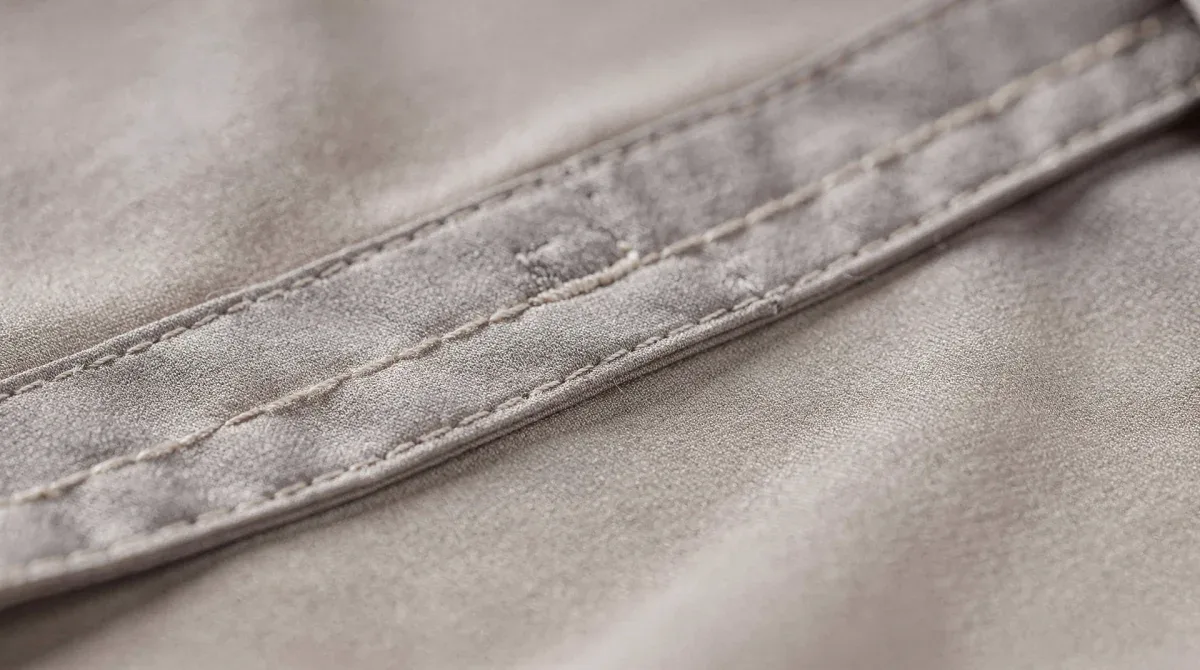
One of the most immediate indicators of quality is the density and uniformity of stitches. In premium garments, stitches are typically smaller and more numerous per inch. This creates a stronger, more durable seam that is less prone to unraveling or puckering. Uniformity means each stitch is the same length and tension, resulting in a smooth, even line.
- High stitch count: More stitches per inch mean greater strength and a cleaner finish.
- Even tension: Consistent thread tension prevents puckering or gaping along seams.
- Straight lines: Stitches should follow a perfectly straight or smoothly curved line, without wavering.
When examining a garment, run your fingers along the seams. A high-quality seam will feel smooth and flat, with no visible irregularities. The threads should blend seamlessly into the fabric, rather than standing out or looking strained. This meticulous attention to detail is a hallmark of high-end garment construction, reflecting the time and skill invested in its creation.
Seam finishes: a window into craftsmanship
The way seams are finished on the inside of a garment speaks volumes about its overall quality. Fast fashion often uses quick, cost-effective methods, while high-end pieces feature finishes designed for durability, comfort, and a polished appearance. These internal details are often hidden but are crucial for the garment's longevity.
French seams and flat-felled seams
French seams are a classic sign of quality, especially in delicate fabrics like silk, chiffon, or fine cotton. This technique encloses the raw edge of the fabric within the seam itself, preventing fraying and creating a clean, elegant finish. Flat-felled seams, commonly found in denim and sportswear, are incredibly strong and durable, laying flat against the fabric to reduce bulk and irritation.

- French seams: Ideal for sheer or lightweight fabrics, providing a beautiful, enclosed finish.
- Flat-felled seams: Extremely robust, often seen in jeans and shirts, offering strength and a neat exterior.
- Bound seams: Raw edges are encased in a separate binding strip, common in unlined jackets or coats.
Beyond these, look for bound seams, where raw edges are encased in a separate fabric binding, or serged seams that are tightly overlocked with multiple threads. Even serged seams in high-end garments will be neat, consistent, and trimmed close to the fabric, unlike the often messy, loose serging found in lower-quality items. The choice of seam finish is always deliberate, chosen to suit the fabric and the garment's intended wear, further demonstrating thoughtful construction.
Pattern matching: a subtle sign of luxury
Pattern matching might seem like a minor detail, but it requires extra fabric and meticulous planning, making it a clear indicator of a high-end garment. When patterns align perfectly across seams, pockets, and closures, it signifies that no expense was spared in the garment's creation, and that precision was paramount.
Aligning stripes, plaids, and prints
In a truly premium piece, stripes will meet seamlessly at side seams, plaids will match across the front closure and pockets, and intricate prints will flow uninterrupted. This isn't just about aesthetics; it demonstrates a commitment to detail and a refusal to cut corners. It means the manufacturer used more fabric and took more time during the cutting and sewing stages.
- Stripes: Should align perfectly at side seams, sleeves, and collars.
- Plaids: Must match horizontally and vertically across all major seams and design elements.
- Prints: Complex patterns should appear continuous, especially on prominent garment sections.
The absence of pattern matching, particularly on easily visible areas, often points to a mass-produced item where efficiency and cost-saving take precedence over aesthetic perfection. Even on less conspicuous areas, a high-end garment will show an effort to align patterns, even if not perfectly. This attention to detail elevates a garment from merely functional to truly luxurious, making it a crucial clue when learning how to spot high-end garment construction.
Buttonholes and buttons: small details, big impact
Buttons and buttonholes are frequently overlooked, yet they offer significant clues about a garment's quality. In high-end fashion, these small components receive exceptional attention, reflecting both durability and a refined aesthetic. They are not mere fasteners but integral parts of the design.
Finely crafted buttonholes
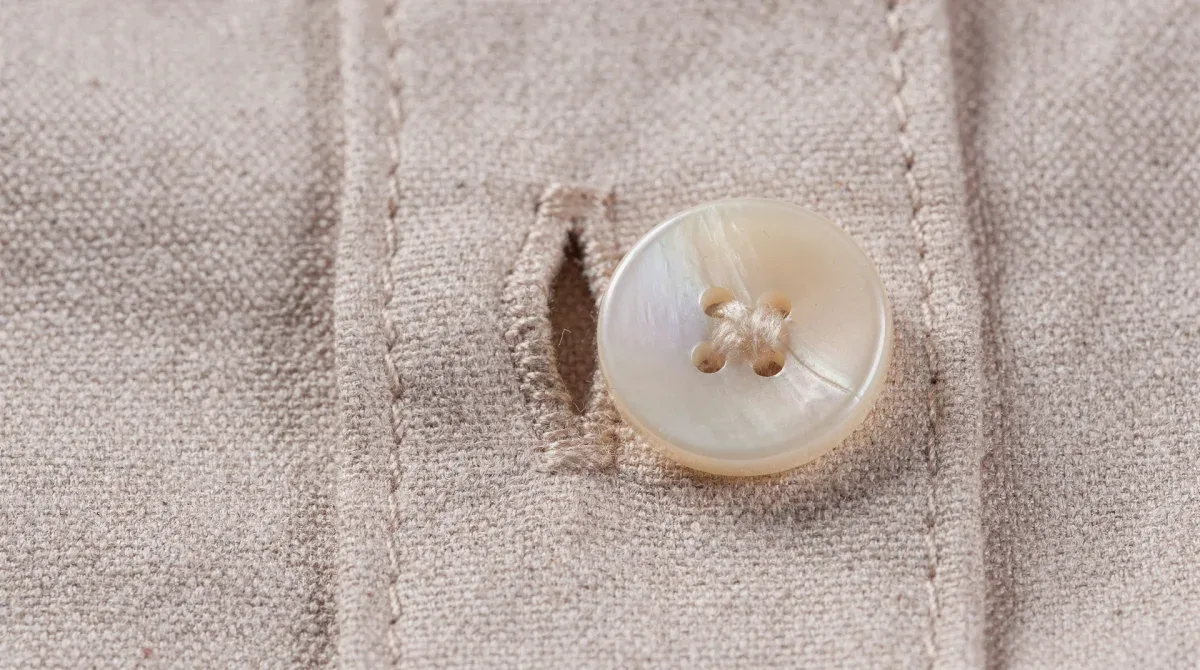
High-end buttonholes are densely stitched, with no loose threads, and have a clean, precise opening. They are often reinforced with gimp (a thick cord) to prevent stretching and ensure longevity. Hand-stitched buttonholes, while rare, are the epitome of luxury, showcasing incredible skill and durability. The stitching should be even, tight, and consistent around the entire opening, securing the fabric layers.
- Dense stitching: Prevents fraying and ensures the buttonhole holds its shape.
- Clean opening: Edges should be crisp and free of loose fibers.
- Reinforcement: Gimp or extra stitching adds strength and prevents stretching over time.
The buttons themselves should also be of high quality. Look for natural materials like mother-of-pearl, horn, bone, or high-grade metal. They should be securely attached with a shank (a small stem of thread) that allows the fabric to lay smoothly without puckering. Buttons on premium garments often feel substantial and are chosen to complement the fabric and overall design. Poorly executed buttonholes or cheap plastic buttons are immediate red flags, indicating a compromise on quality.
Lining and interlining: the hidden structure
The internal structure of a garment, particularly its lining and interlining, plays a critical role in its drape, comfort, and longevity. These hidden layers are essential for shaping the garment, protecting the outer fabric, and providing a smooth finish. High-end construction pays meticulous attention to these components.
Quality linings and proper attachment
A good lining should be made from a breathable, durable fabric like Bemberg rayon, silk, or cupro, which allows the garment to glide smoothly over other clothing. It should be neatly sewn, with clean seams and adequate ease to prevent pulling or tearing. In high-end jackets and coats, the lining will often be hand-stitched into place, creating a fluid, unrestrictive fit.
- Premium fabrics: Linings should be made from natural or high-quality synthetic fibers for comfort and breathability.
- Smooth finish: Linings should be free of wrinkles, puckers, or visible raw edges.
- Proper ease: The lining should not restrict movement or pull at the outer fabric.
Interlining, a layer sewn between the outer fabric and the lining, adds structure, warmth, and resilience. It’s particularly important in tailored garments like suits and coats. Look for signs of quality interlining in lapels, collars, and cuffs—they should feel firm but not stiff, retaining their shape without appearing rigid. Fused interlinings, where a stiff material is glued to the fabric, are common in mass-produced items and can bubble or delaminate over time. High-end garments often use sewn-in canvas or hair canvas interlinings, which mold to the body and allow the fabric to breathe, showcasing true expertise in high-end garment construction.
Zippers and hardware: functional artistry
Just like buttons, zippers and other hardware components are more than just functional elements; they are integral to the garment's quality and aesthetic. The choice and application of these elements can significantly influence the overall feel and durability of a piece. High-end fashion uses superior hardware that performs flawlessly and complements the design.
Robust zippers and secure attachments
Premium garments feature zippers from reputable manufacturers like YKK (especially their higher-grade lines) or Riri, known for their smooth operation and durability. The zipper teeth should be metal or high-quality plastic, and the pull tab should feel substantial, not flimsy. The zipper should be sewn in neatly and securely, often with a matching fabric placket to conceal it, ensuring a clean finish and preventing snags.
- Quality brands: Look for recognized zipper brands known for durability and smooth action.
- Metal or robust plastic teeth: Indicates longevity and resistance to wear.
- Secure stitching: Zippers should be firmly attached with even, strong stitching, without puckering the fabric.
Beyond zippers, inspect any other hardware such as buckles, clasps, or D-rings. These should be made of solid metal, not hollow or lightweight plastic, and have a consistent finish. They should be securely attached to the garment, often reinforced with extra stitching or leather backing to withstand stress. The hardware's weight and feel should convey quality, and its design should align with the garment's overall aesthetic. Any signs of cheap, flimsy, or poorly attached hardware are strong indicators that the garment is not truly high-end, regardless of its exterior appearance. This meticulous approach to even the smallest details is a hallmark of premium craftsmanship.
Hemming techniques: the finishing touch
The hem of a garment is its final statement, and in high-end fashion, this finishing touch is executed with precision and care. A well-constructed hem adds weight, helps the garment drape beautifully, and prevents fraying, contributing significantly to both its appearance and longevity. Sloppy hemming is an immediate giveaway of lower quality.
Invisible and hand-stitched hems
Many premium garments feature invisible hems, where the stitching is barely visible from the outside. This is often achieved through blind stitching, which catches only a few threads of the main fabric, creating a clean, seamless look. Hand-stitched hems are particularly common in tailored trousers, skirts, and formal wear, offering flexibility and a natural drape that machine stitching cannot always replicate.
- Blind stitch: Creates an almost invisible finish on the exterior of the garment.
- Hand-stitched hems: Provide superior drape and flexibility, a hallmark of bespoke tailoring.
- Generous hem allowance: High-end garments often have wider hems, adding weight and allowing for alterations.
In addition to the stitching technique, consider the hem allowance. High-end garments typically have a more generous hem allowance, meaning there's more fabric folded up inside. This adds weight to the hem, improving the drape of the garment, and also provides material for future alterations, making the piece more adaptable and long-lasting. Look for hems that lie flat, are free of puckering, and have consistent width all around. The thread used for hemming should match the fabric perfectly, and the stitches should be small and even. This attention to the very edge of the garment underscores the overall commitment to quality in high-end garment construction.
| Key Clue | What to Look For |
|---|---|
| Stitch Quality | High density, even tension, straight lines. |
| Seam Finishes | French, flat-felled, or neatly bound seams. |
| Pattern Matching | Perfect alignment across seams and closures. |
| Hardware Quality | Durable zippers (YKK, Riri), natural buttons, secure attachments. |
Frequently asked questions about garment quality
What is the most important stitching clue for high-end garments?▼The most important stitching clue is consistent stitch density and uniformity. High-end garments feature small, even stitches per inch, indicating meticulous craftsmanship and superior durability, which prevents unraveling and enhances structural integrity.
How do French seams indicate quality?▼French seams signify quality by enclosing raw fabric edges within the seam, preventing fraying and creating a clean, polished interior finish. This technique is labor-intensive and commonly used in delicate fabrics, showcasing attention to detail.
Why is pattern matching important in premium fashion?▼Pattern matching in premium fashion is crucial because it requires extra fabric and precise cutting. When patterns align perfectly across seams and pockets, it demonstrates a commitment to aesthetic perfection and a refusal to compromise on material or labor costs.
What should I look for in high-quality buttonholes?▼High-quality buttonholes are densely stitched, have no loose threads, and feature a clean, precise opening. They are often reinforced to prevent stretching, ensuring durability and a refined appearance that withstands frequent use.
Do linings affect garment quality?▼Yes, linings significantly affect garment quality. Premium linings made from breathable fabrics like silk or Bemberg rayon provide comfort, improve drape, and protect the outer fabric. They should be neatly sewn with proper ease, indicating superior internal construction.
Conclusion
Mastering how to spot high-end garment construction is an invaluable skill for any discerning consumer. By paying close attention to these seven stitching clues—stitch quality, seam finishes, pattern matching, buttonholes and buttons, lining and interlining, zippers and hardware, and hemming techniques—you can confidently differentiate between fleeting fashion and enduring quality. These details are not merely aesthetic; they are testament to the craftsmanship, durability, and thoughtful design that define true premium fashion. Investing in garments with superior construction means investing in pieces that will look better, feel more comfortable, and last longer, ultimately offering greater value and satisfaction in your wardrobe choices.
