Streamlining Weekly Errand Day: 5 Route-Optimization Rules
Advertisements
Streamlining your weekly errand day through five route-optimization rules can help reduce unnecessary travel, manage appointments, avoid traffic congestion, lower fuel consumption, and complete routine household tasks within a realistic two-hour target.
Organizing your weekly errand day can help you spend less time traveling between destinations while completing essential household responsibilities more efficiently and with fewer interruptions.
Effective route optimization combines geographical planning, thoughtful scheduling, traffic awareness, and task consolidation to create a practical approach to managing routine errands throughout the week.
This guide presents five essential route-optimization rules, a practical two-hour schedule, and additional strategies for reducing unnecessary travel while maintaining flexibility when unexpected situations arise.
The Importance of Efficient Errand Management
A poorly organized weekly errand day can consume valuable personal time through unnecessary travel, repeated visits, unexpected waiting periods, and inefficient movement between different destinations.
For households across the United States, organizing routine responsibilities around work schedules and family commitments can help create more manageable weekly routines and reduce unnecessary transportation expenses.
Establishing a structured approach to everyday errands allows individuals to identify opportunities for saving time while maintaining realistic expectations concerning traffic, service availability, and unexpected delays.
How Poor Planning Increases Travel Time
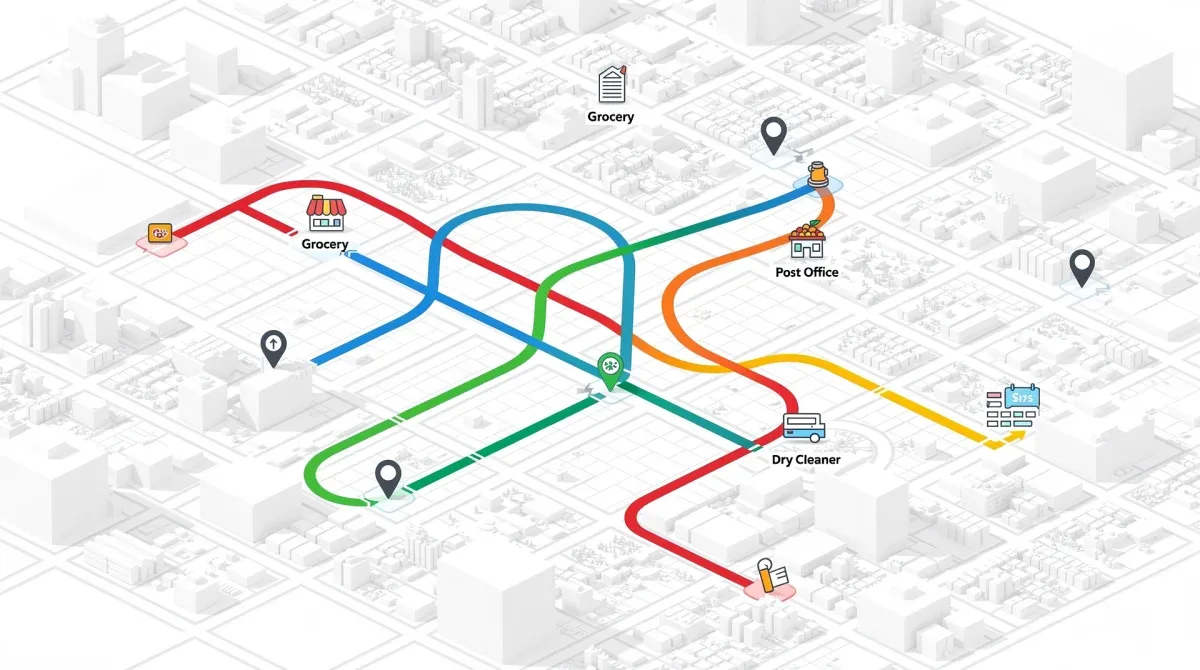
Visiting destinations without considering their geographical relationships can result in repeated journeys through the same neighborhoods, increasing the time and distance required to complete routine tasks.
Arriving at businesses during busy periods or outside their operating hours can create additional delays, potentially requiring separate visits that could have been avoided through preparation.
Organizing your weekly errand day around confirmed operating hours and logical travel sequences can help reduce unnecessary interruptions and improve the overall efficiency of routine activities.
Setting a Realistic Two-Hour Target
A two-hour errand schedule can be achievable when destinations are reasonably close, individual tasks require limited time, and significant traffic or appointment delays do not occur.
However, rural travel distances, medical appointments, extensive grocery shopping, and unpredictable service requirements may make this timeframe unsuitable for certain individuals or particular weekly responsibilities.
The objective should be developing a more efficient weekly errand day without creating unnecessary pressure to meet a rigid deadline or compromising personal safety during travel.
Understanding the Core Principles of Route Optimization
Route optimization involves arranging multiple destinations into a practical travel sequence that considers distance, expected travel time, operating hours, accessibility, and individual task requirements.
Similar principles are used in commercial logistics, although personal errand planning typically involves simpler routes, fewer destinations, and greater flexibility concerning the order of individual activities.
Applying route optimization to a weekly errand day can help identify efficient travel sequences without requiring specialized logistics knowledge or expensive professional route-planning software.
Mapping Your Errand Locations
Begin by identifying every destination you intend to visit, including grocery stores, pharmacies, banks, postal services, dry cleaners, and other businesses associated with routine household responsibilities.
Record their addresses, opening hours, expected service times, and any appointment requirements before arranging them into a logical sequence using a digital or physical map.
Visualizing all destinations together helps identify geographical clusters and potential opportunities to complete several errands during a single visit to a shopping center or neighborhood.
Understanding Distance Versus Travel Time
The shortest route by distance does not necessarily provide the fastest journey because traffic congestion, road conditions, speed limits, and intersection delays can influence actual travel times.
A slightly longer route may sometimes offer more predictable travel conditions, particularly when it avoids heavily congested roads or areas experiencing temporary construction activities.
Effective route optimization therefore considers the complete journey rather than assuming that minimizing mileage will always produce the most efficient weekly errand day.
Leveraging Technology for Smart Planning
Digital mapping applications can provide estimated travel times, traffic information, alternative directions, and useful details concerning the locations and operating hours of selected businesses.
Some applications support multiple destinations, although automatic stop sequencing and advanced route optimization features are not universally available across all navigation services.
Reviewing suggested routes before departure allows individuals to identify potential difficulties and establish an appropriate travel sequence without needing to make unnecessary adjustments while driving.
Rule 1: Group Errands by Proximity and Type
The first rule for an efficient weekly errand day involves grouping destinations according to their geographical proximity, operating requirements, and the nature of individual household tasks.
Completing several responsibilities within the same neighborhood or shopping center can reduce unnecessary movement between different areas and create opportunities to simplify the overall travel sequence.
This approach works particularly well when individuals identify businesses offering multiple services or locate alternative destinations that are closer to their existing planned route.
Creating Geographical Clusters
Divide your errands into geographical clusters based on their locations, such as downtown businesses, neighborhood shopping centers, suburban retail areas, and destinations near your home.
Whenever practical, complete all necessary activities within one cluster before traveling to another, reducing the likelihood of returning to previously visited areas during the same journey.
Organizing your weekly errand day through geographical clusters can simplify decision-making while providing a clearer understanding of how individual destinations fit into the complete itinerary.
Combining Similar Tasks in One Location
Some shopping centers and large retailers provide access to multiple services, allowing individuals to complete grocery shopping, pharmacy purchases, banking activities, and other tasks nearby.
Identifying these opportunities before departure may reduce the number of separate destinations, particularly when individual services remain suitable for your purchasing requirements and available budget.
However, geographical convenience should be evaluated alongside product availability, service quality, pricing, and other practical considerations rather than automatically choosing the closest available business.
Avoiding Unnecessary Backtracking
Backtracking occurs when a planned journey repeatedly returns through areas that have already been visited, often because individual destinations were not arranged into an efficient sequence.
Reviewing the overall route before leaving home can help identify repeated road segments and opportunities to rearrange flexible errands into a more practical order.
A well-organized weekly errand day may also benefit from creating a circular route that returns home after completing the final group of nearby destinations.
Rule 2: Prioritize Time-Sensitive and Fixed-Appointment Stops
Time-sensitive errands should receive priority because their completion depends on specific appointments, business operating hours, collection deadlines, or other conditions that cannot easily be adjusted.
Establishing these fixed commitments before arranging flexible errands creates a practical scheduling framework that reduces the likelihood of missing important appointments or requiring additional trips.
Examples include medical appointments, scheduled vehicle services, prescription collections, package pickups, and businesses that operate within relatively limited hours.
Building Your Route Around Fixed Appointments
Identify the appointment or deadline with the least scheduling flexibility and determine a realistic arrival time that accounts for expected travel conditions and parking requirements.
Arrange nearby flexible errands before or after this commitment, allowing sufficient time to complete each task without creating unnecessary pressure to reach the next destination.
This approach helps maintain an organized weekly errand day while protecting important appointments from delays caused by less urgent shopping or administrative responsibilities.
Allowing Extra Time for Unexpected Waiting
Medical offices, banks, pharmacies, and customer service counters may experience unpredictable waiting periods, even when individuals arrive at their destinations according to a carefully prepared schedule.
Including a modest time buffer between essential appointments and flexible errands can help absorb minor delays without requiring immediate changes to the entire planned route.
If a particular task requires substantially longer than expected, consider postponing less important activities instead of attempting to recover lost time through unsafe or rushed travel.
Checking Business Hours Before Departure
Business operating hours may vary according to weekdays, weekends, holidays, staffing conditions, and other circumstances that influence the availability of individual products or services.
Confirming current operating hours before leaving home can help prevent unnecessary journeys to closed businesses and reduce the possibility of needing additional trips later.
For important collections or specialized services, verifying availability directly with the business may provide additional certainty when organizing your weekly errand day.
Rule 3: Optimize Routes Around Traffic Patterns and Peak Hours
Traffic congestion can substantially increase travel times, particularly when multiple errands require movement through busy commercial districts, major intersections, and densely populated urban areas.
Planning journeys around expected traffic conditions can help individuals identify more suitable departure times and reduce unnecessary delays associated with regularly congested transportation routes.
However, actual traffic conditions remain unpredictable, making flexible scheduling an important complement to estimated travel times provided by navigation applications.
Strategic Scheduling to Avoid Congestion
Mid-morning and early afternoon may provide less congested travel opportunities in certain locations, depending on local commuting patterns, school schedules, and commercial activity.
Individuals with flexible schedules can compare different departure periods to identify when their usual destinations are easier to access and businesses are less crowded.
Choosing suitable travel periods can improve the efficiency of a weekly errand day without requiring individuals to travel faster or follow unnecessarily complicated routes.
Using Real-Time Traffic Information
Navigation applications may provide updated information concerning traffic congestion, road closures, construction activities, estimated arrival times, and alternative routes between planned destinations.
Review these conditions before beginning your journey and reassess them only when safely parked or through appropriate hands-free navigation arrangements that do not distract from driving.
Real-time information can support route optimization, although recommended alternatives should still be evaluated according to road safety, accessibility, and individual transportation requirements.
Considering Parking and Walking Time
Travel time does not end when a vehicle reaches its destination because finding parking, walking to the entrance, and accessing individual services also require time.
Busy shopping centers and downtown business districts may involve substantial parking delays, potentially making alternative destinations more convenient despite requiring slightly longer driving distances.
Including these additional activities in your weekly errand day schedule creates more realistic time estimates and helps prevent repeated delays between planned responsibilities.
Rule 4: Minimize Unnecessary Left Turns and Complex Intersections
In countries such as the United States, left turns across oncoming traffic can involve additional waiting, particularly at busy intersections without dedicated turning signals.
When practical, arranging destinations to reduce difficult turning movements may help simplify navigation and avoid some delays associated with crossing heavily traveled roads.
However, reducing left turns is a conditional route-optimization strategy rather than a universal requirement that guarantees shorter travel times or lower fuel consumption.
Planning Around Difficult Intersections
Review the roads surrounding your planned destinations to identify intersections that regularly experience congestion, restricted turning movements, or complicated access arrangements during busy periods.
Where suitable alternatives exist, consider arranging your travel sequence to access nearby businesses without repeatedly crossing heavily congested traffic lanes.
These adjustments may simplify a weekly errand day, particularly when several destinations are located along the same commercial roadway or within adjacent shopping areas.
Balancing Turning Delays Against Additional Mileage
Avoiding a left turn may occasionally require traveling farther, making it important to evaluate whether the alternative route provides a meaningful improvement in expected travel conditions.
Protected left-turn lanes, traffic signals, and less congested intersections may offer efficient travel opportunities without requiring unnecessary detours or additional vehicle mileage.
Choose routes according to actual conditions and safe driving practices rather than automatically prioritizing right turns regardless of additional distance or travel requirements.
Prioritizing Safety Over Route Optimization
Efficient route planning should never encourage unsafe turning movements, sudden lane changes, excessive speed, prohibited maneuvers, or distracted interactions with navigation applications while driving.
When a suggested route becomes unsuitable, continue following applicable traffic regulations and identify a safe opportunity to reassess your directions or planned destination sequence.
The purpose of organizing a weekly errand day is to reduce unnecessary inconvenience while maintaining responsible transportation habits and protecting passengers and other road users.
Rule 5: Batch Tasks and Consolidate Trips
Task batching involves organizing multiple routine responsibilities into fewer journeys, reducing the need to repeatedly travel between home and separate destinations throughout the week.
The official FuelEconomy.gov guidance on planning and combining trips explains how consolidating errands can reduce unnecessary driving and improve fuel efficiency compared with repeated short trips.
Establishing a weekly errand day can therefore provide practical transportation benefits while making it easier to manage household responsibilities through a single organized itinerary.
Creating a Centralized Weekly Task List
Maintain a central list of errands that require attention, including necessary purchases, returns, prescription collections, administrative responsibilities, appointments, and other routine household activities.
Updating this list throughout the week allows individuals to identify related tasks and organize destinations before the next planned period for completing household errands.
A centralized task list can help reduce forgotten responsibilities and unnecessary additional travel while supporting a more consistent approach to route optimization.
Determining Which Errands Can Wait
Not every household task requires immediate completion, making it useful to distinguish urgent responsibilities from routine activities that can reasonably wait until a scheduled journey.
Nonurgent purchases, product returns, and similar responsibilities may be grouped with other nearby activities, provided applicable deadlines and personal requirements remain satisfied.
This approach helps prevent a weekly errand day from becoming overloaded while reducing unnecessary isolated journeys for tasks that could otherwise be completed together.
Leveraging Digital Tools for Task Management
Digital notes, calendar applications, reminders, and task management platforms can help individuals organize necessary errands according to their deadlines, locations, and estimated completion times.
Location-based organization can make it easier to identify tasks that belong within the same geographical cluster or around a previously scheduled appointment.
However, a simple written list may provide equally practical results for individuals who prefer straightforward planning methods without relying on additional digital tools.
How to Complete Your Weekly Errand Day in Under Two Hours
A realistic two-hour schedule requires considering travel time, parking, service requirements, shopping duration, and a reasonable allowance for unexpected interruptions during the planned journey.
The following example demonstrates how five nearby errands could be organized into a 110-minute schedule, assuming suitable operating conditions and relatively short distances between destinations.
This hypothetical itinerary provides a practical planning framework rather than guaranteeing that every household can complete identical responsibilities within the same timeframe.
Minutes 0–15: Preparation and Initial Travel
Begin by reviewing your shopping list, confirming necessary documents, collecting items scheduled for return, and ensuring that you have everything required for the planned errands.
Check traffic conditions and confirm the availability of important services before departing, allowing sufficient time for the initial journey to your first destination.
Preparing these items in advance can help prevent unnecessary delays and reduce the likelihood of returning home before completing the remaining weekly errand day activities.
Minutes 15–40: Pharmacy and Banking Tasks
Visit a nearby pharmacy to collect prepared prescriptions or purchase necessary household products, using available advance-ordering services when these options meet your individual requirements.
Continue to a nearby bank or other financial service location if an in-person visit is necessary and the required services are currently available.
Completing these tasks within the same geographical cluster may reduce additional travel, although actual waiting periods depend on customer demand and service availability.
Minutes 40–60: Postal Services and Product Returns
Proceed to a nearby postal service location or designated collection point to complete necessary shipping, package collection, or product return responsibilities.
Prepare shipping labels, packaging, receipts, and return authorizations before departure to reduce the time needed to organize these materials at the service location.
Combining these administrative responsibilities into one segment of your weekly errand day can provide a clearer schedule before proceeding to more extensive shopping activities.
Minutes 60–95: Grocery Shopping
Complete grocery shopping using an organized list that identifies essential products and reduces unnecessary movement between different sections of the store.
Advance ordering and scheduled grocery pickup may provide alternative options when available, particularly for individuals purchasing familiar products that do not require extensive in-store selection.
Scheduling groceries near the end of the journey can also reduce the time refrigerated and frozen products remain outside appropriate storage conditions.
Minutes 95–110: Return Home and Organize Purchases
After completing the final shopping task, return home using a suitable route that accounts for current traffic conditions and any remaining transportation requirements.
Unload groceries and other purchased items promptly, prioritizing refrigerated products, frozen foods, and items requiring immediate attention or appropriate household storage.
This illustrative weekly errand day finishes after approximately 110 minutes, leaving ten additional minutes within the two-hour target for minor unexpected delays.
Practical Preparation Before Leaving Home
Preparing necessary items before departure can help reduce delays involving forgotten documents, missing shopping lists, incomplete return arrangements, and other avoidable administrative difficulties.
Effective preparation complements route optimization by ensuring that time spent at each destination is used efficiently rather than resolving problems that could have been addressed beforehand.
Establishing consistent preparation habits can support a more organized weekly errand day while reducing the mental effort associated with managing multiple responsibilities.
Organizing Documents and Return Items
Collect relevant receipts, identification documents, shipping labels, reusable shopping bags, payment cards, and other materials required to complete the individual errands included in your schedule.
Keep related documents and products together to simplify access when visiting specific businesses, particularly when handling multiple returns, collections, or administrative responsibilities.
Review any special requirements before leaving home, including appointment confirmations, proof of purchase, packaging instructions, or identification necessary to collect ordered products.
Preparing an Organized Grocery List
An organized grocery list can help individuals identify essential purchases before entering the store, reducing unnecessary browsing and repeated movement between different shopping sections.
Grouping products according to their likely locations, such as produce, dairy, frozen foods, and household supplies, may help create a more practical shopping sequence.
Review available household supplies before your weekly errand day to avoid unnecessary purchases and reduce the likelihood of forgetting essential products during the scheduled shopping trip.
Using Advance Ordering and Collection Services
Some pharmacies, retailers, and grocery stores offer advance ordering, scheduled collections, or curbside pickup services that can reduce the time spent completing selected errands.
These options may be useful when purchases are straightforward, product availability can be confirmed beforehand, and collection windows align with the overall travel itinerary.
Compare any additional fees and service restrictions before using these arrangements, ensuring that the convenience provided remains compatible with your household budget.
Reducing Fuel Consumption During Your Weekly Errands
Combining routine errands into fewer journeys may help reduce vehicle mileage and fuel consumption, particularly when the alternative involves multiple separate trips from home.
However, actual fuel savings depend on travel distance, vehicle characteristics, road conditions, driving habits, weather, and the overall efficiency of the planned journey.
A well-organized weekly errand day can complement broader efforts to reduce transportation expenses without relying on unsupported assumptions about guaranteed financial savings.
Comparing Individual Trips With a Consolidated Route
Consider a hypothetical household that normally drives a combined 30 miles each week through several separate journeys completed for shopping and other routine responsibilities.
If geographical clustering and task batching reduce the combined distance to 20 miles, the household would avoid approximately ten miles of driving during that week.
Actual fuel savings would depend on vehicle efficiency and operating conditions, but this example illustrates how reducing duplicated travel can lower overall transportation requirements.
Maintaining Efficient Driving Habits
Smooth acceleration, appropriate braking, observance of speed limits, and avoiding unnecessary idling can contribute to more efficient vehicle operation under suitable driving conditions.
Maintaining recommended tire pressures and following vehicle maintenance instructions may also support efficient operation while helping preserve appropriate transportation safety and reliability.
Combining responsible driving habits with weekly errand day planning can provide a more comprehensive approach to managing transportation costs and unnecessary fuel consumption.
Alternative Transportation for Efficient Errands
Driving is not necessarily the most practical transportation option for every routine responsibility, especially when destinations are close together or conveniently accessible through other travel methods.
Walking, cycling, public transportation, and combined travel arrangements may offer suitable alternatives depending on local infrastructure, accessibility requirements, travel distances, and the items being transported.
Evaluating transportation options can help individuals develop a weekly errand day strategy that reflects their actual circumstances rather than assuming every task requires a vehicle.
Completing Nearby Errands on Foot
When several businesses are located within a walkable shopping district, parking once and completing nearby errands on foot may reduce repeated short vehicle movements.
This approach can also provide opportunities to avoid additional parking searches, particularly when individual destinations are located within the same commercial or neighborhood area.
Consider pedestrian safety, weather conditions, personal mobility requirements, and the weight of purchased products before incorporating walking into your planned errand route.
Using Public Transportation or Cycling
Public transportation may provide convenient access to selected destinations, particularly in urban areas where frequent services connect residential neighborhoods with major commercial districts.
Cycling may also suit certain shorter errands when appropriate routes, secure parking, suitable carrying equipment, and reasonable weather conditions are available.
Compare total travel time, accessibility, carrying requirements, and transportation costs when choosing the most appropriate method for individual weekly errand day activities.
Implementing a Flexible Yet Structured Approach
Although route optimization provides a useful framework for organizing routine activities, unexpected delays and changes may require adjustments to an originally prepared itinerary.
Temporary business closures, product shortages, traffic disruptions, and extended service times can influence the practicality of completing every task within the intended two-hour period.
Maintaining flexibility allows individuals to protect important priorities without treating every deviation from the weekly errand day schedule as an unsuccessful outcome.
Responding to Unexpected Errands
When an additional responsibility arises, evaluate its urgency, geographical location, estimated completion time, and compatibility with other tasks already included in the planned route.
If the task is urgent and reasonably close to your current destinations, incorporating it may remain practical without significantly disrupting the remainder of the journey.
Otherwise, consider adding the responsibility to a future scheduled trip rather than unnecessarily extending the current itinerary or compromising previously established commitments.
Managing Unexpected Traffic or Business Closures
Unexpected congestion or unavailable services may require selecting an alternative route, visiting a different business, or postponing an individual task until another suitable opportunity.
Review available alternatives when safely stopped, considering whether additional travel would provide sufficient practical value compared with rescheduling the affected responsibility.
Building flexibility into your weekly errand day can help prevent minor disruptions from creating unnecessary stress or requiring unsafe decisions during transportation.
Reviewing and Refining Your Errand Strategy
After completing your errands, identify which destinations required more time than expected and whether particular travel segments created unnecessary delays during the journey.
These observations can help improve future route planning by identifying more suitable departure times, alternative businesses, and tasks that could be grouped differently.
Regularly refining your weekly errand day strategy allows the planning process to reflect actual personal experiences rather than relying exclusively on theoretical travel estimates.
Common Mistakes That Make Errands Take Longer
Several routine planning mistakes can increase the time required to complete errands, even when individual destinations are reasonably close and expected travel conditions are favorable.
Recognizing these issues can help individuals improve route optimization while establishing more realistic schedules that account for the complete requirements of their household responsibilities.
Effective planning should concentrate on eliminating avoidable inefficiencies rather than attempting to complete every activity as quickly as possible regardless of surrounding circumstances.
Leaving Home Without a Complete Task List
Departing without a prepared task list may lead to forgotten purchases, missing documents, unnecessary detours, and additional journeys to complete responsibilities overlooked during the initial trip.
Maintain an updated list throughout the week and review outstanding tasks before beginning your scheduled journey to identify any items requiring preparation or confirmation.
This simple habit can improve the reliability of your weekly errand day and reduce the mental effort associated with remembering multiple unrelated responsibilities.
Underestimating Service and Waiting Times
Estimating only driving time can produce unrealistic schedules because individual errands may involve queues, customer service interactions, shopping activities, payment processing, and parking requirements.
Allow reasonable time for these activities when creating your itinerary, particularly for destinations that regularly experience unpredictable customer demand or require specialized assistance.
Including realistic service estimates helps avoid overloading the planned route and makes the two-hour target more achievable under appropriate circumstances.
Scheduling Too Many Destinations
Attempting to combine every outstanding household responsibility into one journey may create an excessively demanding schedule that becomes difficult to complete within the available timeframe.
Identify essential tasks first, then determine which additional responsibilities can reasonably be included without compromising important commitments or creating unnecessary travel pressure.
A successful weekly errand day should prioritize practical efficiency, allowing less urgent tasks to remain scheduled for another occasion when necessary.
The Future of Personal Logistics and Route Optimization
Digital navigation and task management technologies continue offering new possibilities for organizing transportation, monitoring traffic conditions, coordinating appointments, and managing recurring household responsibilities.
Future developments may provide more personalized route recommendations, improved estimates of service availability, and stronger integration between calendars, shopping applications, and transportation planning tools.
However, effective weekly errand day planning will continue depending on accurate information, realistic scheduling decisions, responsible travel habits, and appropriate flexibility when circumstances change.
Artificial Intelligence and Personalized Planning
Artificial intelligence tools may help individuals organize lists of destinations, identify geographical clusters, compare potential travel sequences, and suggest alternative approaches to managing routine responsibilities.
These recommendations can provide useful planning assistance, although their accuracy depends on available information concerning traffic conditions, operating hours, geographical accessibility, and individual preferences.
Consumers should verify important details independently rather than assuming that every automated route recommendation accurately reflects current conditions or personal transportation requirements.
Integrating Calendars and Household Responsibilities
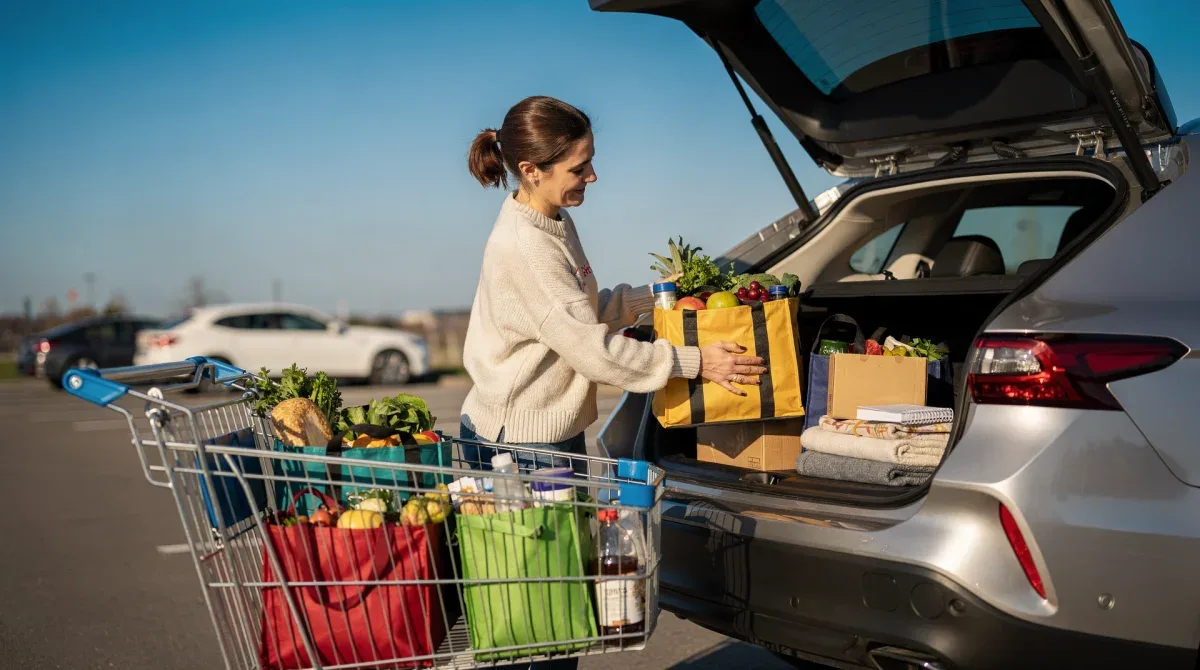
Digital calendars can help individuals coordinate appointments, collection deadlines, shopping responsibilities, and other recurring household activities within a broader personal or family schedule.
Combining calendar reminders with destination lists may make it easier to identify flexible errands that can be completed around previously scheduled professional or personal commitments.
These tools can complement a weekly errand day strategy while helping households maintain an organized overview of their responsibilities without unnecessary scheduling complexity.
Comparing the Five Essential Route-Optimization Rules
Each route-optimization rule addresses a different source of unnecessary travel time, including geographical inefficiencies, appointment conflicts, traffic congestion, complicated intersections, and repeated individual journeys.
Combining these strategies provides a practical framework for organizing your weekly errand day while considering the specific transportation and scheduling requirements of individual households.
The following table summarizes the five essential rules and additional planning considerations that may help individuals complete their routine responsibilities within a realistic timeframe.
Key Rule | Brief Description |
|---|---|
Rule 1: Group by Proximity | Combine nearby errands into geographical clusters to reduce unnecessary travel and backtracking. |
Rule 2: Prioritize Time-Sensitive Tasks | Schedule fixed appointments and important deadlines before arranging flexible responsibilities. |
Rule 3: Optimize for Traffic | Review expected traffic conditions and select suitable departure times and travel routes. |
Rule 4: Simplify Intersections | Avoid unnecessarily complicated turning movements when safer and more efficient alternatives exist. |
Rule 5: Batch Tasks | Consolidate compatible errands into fewer journeys to reduce repeated travel. |
Advance Preparation | Organize shopping lists, documents, returns, and appointment confirmations before departure. |
Time Buffers | Include reasonable allowances for parking, queues, service delays, and unexpected interruptions. |
Digital Navigation | Use suitable mapping services to review destinations, traffic conditions, and route alternatives. |
Advance Ordering | Consider scheduled pickups and prepared orders when they offer practical time-saving opportunities. |
Continuous Improvement | Review previous journeys and adjust future schedules according to actual travel and waiting times. |
Frequently Asked Questions About Weekly Errand Day Optimization
What is the most important first step for streamlining weekly errands?
Create a comprehensive task list that includes destinations, operating hours, appointment requirements, deadlines, and any documents or products necessary to complete each responsibility.
How can technology help with route optimization?
Digital mapping applications can provide estimated travel times, traffic information, alternative directions, and destination details. Some applications also support multiple stops and automatic route sequencing, although available features vary between services.
Is it always better to avoid left turns?
No. Avoiding difficult left turns may reduce waiting in some circumstances, but additional travel distance, traffic signals, road layouts, and actual congestion determine whether an alternative route is more efficient.
How often should I review my weekly errand day strategy?
Reviewing your schedule after each completed journey can help identify recurring delays and improvement opportunities. A more comprehensive monthly review may also be useful when destinations or household responsibilities change.
What should I do if an unexpected errand arises during my route?
Evaluate its urgency, location, and expected completion time. If the task can be completed without disrupting important priorities, it may be appropriate to include it. Otherwise, consider postponing it until another scheduled journey.
Can I complete all my weekly errands in under two hours?
It may be possible when destinations are close together, tasks are straightforward, and waiting periods remain manageable. However, the two-hour target is not guaranteed and may be unsuitable for more extensive responsibilities.
What is the best time of day to run errands?
Mid-morning or early afternoon may offer favorable conditions in some locations. The most appropriate time depends on local traffic patterns, operating hours, personal schedules, and expected customer demand.
Does combining errands reduce fuel consumption?
Combining compatible trips can reduce unnecessary driving and may improve fuel efficiency compared with repeated short journeys. Actual savings depend on vehicle characteristics, travel distance, weather, and driving conditions.
Should grocery shopping be the last stop on my route?
Scheduling grocery shopping near the end of your journey can help reduce the time refrigerated and frozen foods remain outside appropriate storage conditions. However, specific scheduling requirements may require a different arrangement.
What is the difference between route planning and route optimization?
Route planning establishes a sequence of destinations, while route optimization attempts to improve that sequence according to objectives such as shorter travel times, reduced distance, fewer delays, or better appointment coordination.
Do I need a paid application to optimize my weekly errands?
No. Basic mapping applications, digital calendars, and simple task lists can provide useful planning capabilities. Specialized paid services may offer additional features, but they are not necessary for every household.
How many errands should I schedule for a two-hour trip?
The appropriate number depends on travel distances and expected service times. Several straightforward nearby tasks may fit comfortably within two hours, while one lengthy appointment could require most of the available period.
How much extra time should I include in my schedule?
A modest buffer of ten to fifteen minutes may accommodate minor delays in a simple itinerary. Longer or less predictable appointments may require substantially more additional time.
Can I optimize errands without using a car?
Yes. Walking, cycling, and public transportation can provide suitable alternatives for certain destinations. Route optimization remains useful when considering accessibility, travel times, carrying requirements, and available transportation services.
How can I avoid forgetting essential purchases?
Maintain a centralized shopping and errand list throughout the week. Review it before departure, group similar purchases, and confirm that all essential products and responsibilities have been addressed before returning home.
What should I do if my weekly errands regularly exceed two hours?
Review actual travel and waiting times, reduce unnecessary destinations, consider advance ordering, and divide lengthy responsibilities into separate trips when appropriate. Adjust the schedule to reflect realistic personal circumstances.
Conclusion: Streamlining Your Weekly Errand Day With Route Optimization
Organizing your weekly errand day through geographical clustering, appointment prioritization, traffic awareness, simplified navigation, and task batching can help reduce unnecessary travel and improve everyday efficiency.
Although completing all responsibilities within two hours may be achievable under suitable conditions, realistic scheduling and personal safety should remain more important than meeting an inflexible deadline.
By preparing in advance, reviewing actual travel conditions, and continuously refining your approach, you can develop a practical errand management routine that supports your household responsibilities.