Are Clothing Rental Subscriptions Practical in 2026?
Advertisements
Clothing rental subscriptions in 2026 offer a practical solution for diverse wardrobes and sustainable fashion, providing access to varied styles without the full commitment of purchase, with services adapting to evolving consumer needs and economic shifts.
In an era where sustainability meets shifting consumer habits, the question, Are Subscription Clothing Rentals Still Practical? 3 Services Compared Under 2026 Pricing, is more relevant than ever. This article delves into the evolving landscape of fashion rental services, examining their practicality, value, and what consumers can expect from leading platforms in the year 2026.
The Evolution of Clothing Rental Services: A 2026 Perspective
The concept of renting clothes isn't new, but its widespread adoption and technological integration have transformed it into a significant facet of the modern fashion industry. By 2026, clothing rental services have moved beyond niche luxury offerings to become a mainstream option for a diverse array of consumers. This shift is driven by a confluence of factors, including increased environmental awareness, a desire for wardrobe flexibility, and the economic advantages of renting over buying, especially for high-ticket items or rapidly changing trends.
Consumers are increasingly seeking ways to reduce their environmental footprint, and fast fashion's impact on resource consumption and waste generation is a growing concern. Clothing rental platforms offer a compelling alternative by promoting circularity, extending the lifespan of garments, and reducing the demand for new production. This aligns with broader societal trends towards conscious consumption and sustainable living.
Key Drivers of Rental Growth
- Sustainability Concerns: A growing awareness of fashion's environmental impact pushes consumers towards more eco-friendly alternatives.
- Economic Flexibility: Renting provides access to a wider variety of styles and brands without the significant upfront cost of purchase.
- Wardrobe Versatility: Ideal for special occasions, seasonal trends, or professional needs, allowing users to refresh their look without commitment.
- Technological Advancements: Improved logistics, AI-driven styling, and seamless user interfaces enhance the rental experience.
Beyond environmental and economic considerations, the convenience factor plays a crucial role. Modern life often demands a versatile wardrobe that can adapt to various social, professional, and personal events. Owning a vast collection of clothes for every possible scenario can be expensive and impractical. Rental services effectively address this by providing on-demand access to an extensive inventory, allowing users to experiment with styles and trends they might not otherwise consider purchasing.
The market in 2026 is characterized by sophisticated logistics, personalized styling algorithms, and robust cleaning and maintenance protocols, ensuring that rented garments arrive in pristine condition. These advancements have built consumer trust and confidence in the quality and hygiene of rented apparel. The evolution from a niche concept to a practical, everyday solution underscores the dynamic nature of the fashion industry and its responsiveness to contemporary consumer values.
Understanding the Value Proposition: Beyond Just Cost Savings
While cost savings are often the most immediate benefit associated with clothing rental subscriptions, the true value proposition extends far beyond mere economics. In 2026, these services offer a multifaceted advantage that caters to a modern consumer's desire for variety, sustainability, and convenience. It's about optimizing one's wardrobe without the burdens of ownership, such as storage, maintenance, and the eventual disposal of garments that are no longer wanted or needed.
The ability to constantly refresh one's look without contributing to textile waste is a significant draw. For fashion enthusiasts, this means unrestricted access to designer pieces or trending styles that might be financially prohibitive to purchase outright. For professionals, it offers the flexibility to maintain a polished and varied work wardrobe without a substantial investment. The psychological benefit of feeling continually stylish and updated, without the guilt of excessive consumption, is also a powerful driver.

The Hidden Benefits of Rental Subscriptions
- Reduced Clutter: Eliminates the need for extensive closet space, promoting a minimalist lifestyle.
- Experimentation: Encourages trying new styles, colors, and brands without the financial risk of buying.
- Sustainable Wardrobe: Actively participates in the circular economy, reducing fashion waste and environmental impact.
- Convenience: Professional cleaning and maintenance are often included, saving time and effort.
Furthermore, the curated selection offered by many rental platforms means users are exposed to high-quality garments from reputable brands, often with styling advice included. This elevates the shopping experience from transactional to advisory, helping individuals refine their personal style. The focus shifts from accumulating possessions to experiencing fashion, fostering a more mindful and enjoyable relationship with clothing.
The value also lies in the freedom from commitment. Trends come and go rapidly, and personal tastes evolve. Owning a wardrobe built around fleeting fads can lead to buyer's remorse and a closet full of unworn items. Rental services mitigate this risk entirely, allowing consumers to embrace current styles or explore new aesthetics with complete flexibility. This dynamic approach to fashion consumption is particularly appealing to younger generations who prioritize experiences and adaptability over ownership.
Service Comparison 2026: Rent the Runway, Nuuly, and Le Tote
To truly assess if subscription clothing rentals are practical in 2026, a direct comparison of leading services is essential. We'll examine three prominent players—Rent the Runway, Nuuly, and Le Tote—focusing on their offerings, pricing structures, and unique selling propositions as they stand in 2026. Each service caters to slightly different demographics and needs, offering varied approaches to the rental model.
Rent the Runway has long been a pioneer in the luxury rental space, known for its extensive collection of designer dresses, formal wear, and everyday apparel. By 2026, it has expanded its subscription tiers to offer greater flexibility, catering to both occasional renters and those seeking a complete wardrobe overhaul. Their pricing reflects the high-end nature of their inventory, with plans typically ranging from $99 to $250+ per month, depending on the number of items and exchanges allowed. They excel in providing access to premium brands for special events and everyday elevated style.
Nuuly: The Everyday Fashion Innovator
Nuuly, a service by URBN (Urban Outfitters, Anthropologie, Free People), positions itself as a more casual, everyday fashion rental option. In 2026, Nuuly's subscription model is highly competitive, generally priced around $88-$98 per month for a set number of items (e.g., six pieces) with unlimited exchanges. Their inventory leans towards contemporary, on-trend brands and offers a mix of casual, bohemian, and slightly dressier options, making it ideal for those who want to refresh their daily wardrobe without breaking the bank. Nuuly also emphasizes sustainability, with a strong focus on extending garment life.
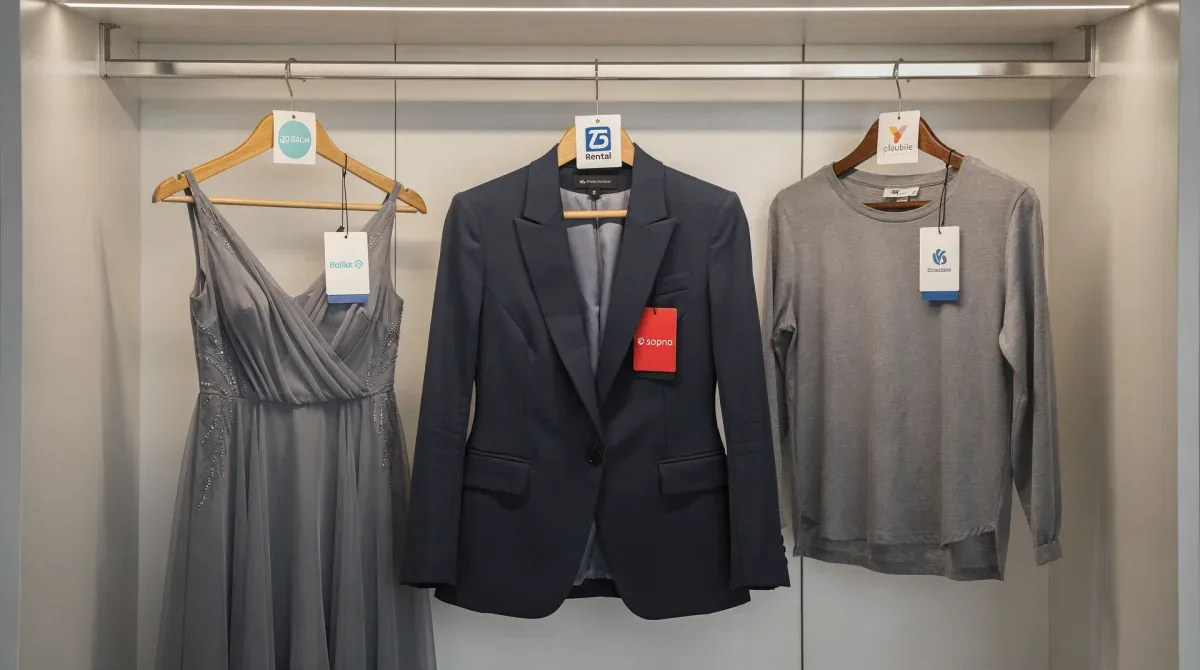
Le Tote: Curated Boxes for Consistent Style
Le Tote operates on a slightly different model, focusing on curated boxes of clothing and accessories delivered on a regular basis. In 2026, Le Tote's pricing typically falls in the $79-$119 range per month, with variations based on the number of items per box and whether accessories are included. Their strength lies in providing a consistent stream of new outfits, often allowing members to purchase items they love at a discounted rate. Le Tote appeals to consumers who appreciate a personalized styling service and a steady influx of new pieces for work or casual wear, without the hassle of choosing individual items.
Each service has refined its logistics, cleaning processes, and customer support to provide a seamless experience. The choice among them largely depends on individual fashion needs, budget, and desired level of commitment. Rent the Runway remains the go-to for high-end events and designer access, Nuuly for everyday trend-forward wear, and Le Tote for consistent, curated wardrobe updates. The practicality of these services is evident in their ability to meet diverse consumer demands in 2026.
Pricing and Affordability in 2026: A Deeper Look
The cost of clothing rental subscriptions in 2026 is a critical factor in determining their practicality. While the initial monthly fee might seem substantial to some, it's essential to compare it against the cost of purchasing similar garments, especially considering the quality and brand accessibility that rental services offer. The perceived affordability changes dramatically when one considers the lifespan of the rented items, the variety accessible, and the elimination of maintenance costs.
For instance, a single designer dress from Rent the Runway, which might retail for $500-$1000, can be rented for a fraction of that cost as part of a monthly subscription. If a consumer needs such an item only a few times a year, the rental model presents significant savings. Similarly, for everyday wear, services like Nuuly and Le Tote allow users to rotate through multiple outfits each month for a fixed fee, which can be more economical than buying several new pieces regularly, particularly for those who enjoy staying on-trend.
Factors Influencing Rental Costs
- Number of Items: Plans vary by how many garments can be rented at once or per month.
- Exchange Frequency: Unlimited exchanges typically come with higher-tier subscriptions.
- Brand Value: Access to high-end designer labels usually corresponds to higher monthly fees.
- Additional Perks: Styling services, insurance for minor damages, and expedited shipping can add to the cost.
Furthermore, the hidden costs of clothing ownership—such as dry cleaning, storage, and the depreciating value of garments—are largely absorbed by rental services. This can lead to a more predictable and often lower overall expenditure on fashion for many consumers. The transparency of subscription pricing in 2026 allows for easier budgeting and financial planning for one's wardrobe.
It's also worth noting that many services offer introductory discounts or loyalty programs, further enhancing their affordability. The competitive landscape among rental providers means that consumers often have access to a range of price points and features, allowing them to select a plan that best fits their budget and lifestyle. This flexibility in pricing models makes clothing rental a practical financial choice for a broader audience in 2026.
Sustainability and Ethical Considerations in Rental Fashion
The appeal of clothing rental extends beyond personal convenience and financial practicality to encompass significant sustainability and ethical considerations. In 2026, consumers are increasingly conscious of the environmental and social impact of their purchasing decisions. Fashion rental services are often lauded as a key component of the circular economy, offering a more sustainable alternative to the traditional linear model of 'take-make-dispose.'
By extending the life cycle of garments through multiple rentals, these services reduce the demand for new production, thereby lessening resource consumption (water, energy, raw materials) and waste generation. The intensive cleaning and maintenance processes employed by rental companies, while energy and water-intensive themselves, are often optimized for efficiency and performed at scale, potentially having a lower per-wear impact than individual garment care.
Addressing Environmental Impact
- Reduced Production: Less demand for new clothes means fewer resources consumed.
- Waste Diversion: Keeps garments out of landfills for longer periods.
- Efficient Logistics: Centralized cleaning and repair facilities can be more eco-friendly than individual efforts.
- Material Innovation: Some services prioritize brands using sustainable materials.
However, it's also crucial to acknowledge the nuances. The environmental benefits are maximized when garments are rented frequently and for extended periods. The logistics of shipping items back and forth, as well as the energy and water used in industrial cleaning, do contribute to a carbon footprint. Leading rental services in 2026 are actively working to mitigate these impacts through sustainable packaging, optimized delivery routes, and investments in green cleaning technologies.
From an ethical standpoint, rental services can also promote more responsible consumption habits. They encourage a mindset of sharing and valuing garments for their utility and aesthetic appeal rather than their novelty. This shift can help combat the culture of fast fashion, which often relies on exploitative labor practices and rapid trend cycles. By supporting businesses committed to garment longevity and quality, consumers indirectly endorse more ethical manufacturing and design practices within the broader fashion industry.

The commitment of rental platforms to transparency regarding their supply chains and environmental initiatives is becoming increasingly important for consumers. As the industry matures, we can expect to see even greater innovation in sustainable practices, further solidifying the ethical appeal of clothing rental in 2026.
Challenges and Future Outlook for Rental Subscriptions
Despite their growing popularity and inherent benefits, clothing rental subscriptions face several challenges that could influence their long-term practicality. One significant hurdle is the perception of hygiene and wear-and-tear. While companies invest heavily in cleaning and repair, some consumers may still harbor reservations about wearing previously used garments. Overcoming this requires continuous education and transparent communication about their rigorous sanitation processes.
Another challenge lies in inventory management and logistics. To offer a truly compelling service, rental platforms need a vast and diverse inventory to cater to varied tastes, sizes, and occasions. This requires substantial investment in purchasing garments, managing their lifecycle, and efficiently handling returns, cleaning, and redistribution. Scaling these operations while maintaining high service quality is a complex undertaking.
Overcoming Obstacles and Future Trends
- Hygiene Assurance: Continued investment in advanced cleaning technologies and transparent communication.
- Logistical Efficiency: AI-driven inventory management and optimized delivery networks.
- Personalization: Enhanced styling algorithms and virtual try-on experiences.
- Market Expansion: Reaching new demographics, including men's wear and children's clothing.
The competitive landscape is also evolving. As more players enter the market, differentiation becomes key. Services need to continually innovate, whether through exclusive brand partnerships, enhanced personalization features, or unique subscription models, to retain and attract subscribers. The economic climate also plays a role; while rentals offer savings, discretionary spending on fashion can be sensitive to economic downturns.
Looking ahead to the remainder of the 2020s, the future of clothing rental subscriptions appears robust. We can anticipate even greater integration of artificial intelligence for personalized recommendations, virtual try-on experiences, and predictive inventory management. The expansion into niche markets, such as specialized athletic wear, maternity clothing, or even gender-neutral collections, is also a likely trend. Furthermore, partnerships with traditional retailers could blur the lines between buying and renting, offering consumers more hybrid options.
Ultimately, the long-term practicality of these services will hinge on their ability to adapt to changing consumer preferences, leverage technological advancements, and maintain a strong commitment to both sustainability and customer satisfaction. The industry is poised for continued growth, solidifying its place as a viable and valuable alternative in the fashion ecosystem of 2026 and beyond.
| Key Point | Brief Description |
|---|---|
| Evolving Market | Clothing rentals are mainstream by 2026, driven by sustainability, flexibility, and tech. |
| Value Proposition | Beyond cost, offers variety, sustainability, reduced clutter, and convenience. |
| Service Comparison | Rent the Runway (luxury), Nuuly (everyday), Le Tote (curated boxes) cater to different needs. |
| Future Outlook | Growth expected with AI, niche markets, and sustainable innovations despite challenges. |
Frequently Asked Questions About Clothing Rental in 2026
Are clothing rental services truly more sustainable than buying new clothes?▼Yes, generally, they are. By extending the life cycle of garments through multiple rentals, these services reduce the demand for new production, lessening resource consumption and textile waste. While cleaning and shipping have an impact, efficient large-scale operations often have a lower per-wear footprint than individual purchases and disposals.
What are the typical costs for a clothing rental subscription in 2026?▼In 2026, monthly subscription costs vary widely based on the service, number of items, and brand exclusivity. Plans can range from around $79 for curated everyday boxes (Le Tote) to $250+ for luxury designer access and unlimited exchanges (Rent the Runway). Mid-range options like Nuuly typically fall around $88-$98 per month.
How do rental services handle hygiene and cleanliness of garments?▼Leading rental services employ rigorous, industrial-grade cleaning and sanitation processes for all garments after each rental. This includes professional dry cleaning, steaming, and inspection to ensure items are delivered in pristine, hygienic condition. Many services also use advanced technologies and adhere to strict health standards to maintain quality and safety.
Can I rent clothes for special occasions, or is it mainly for everyday wear?▼Both! Services like Rent the Runway specialize in high-end designer dresses and formal wear perfect for special events, weddings, or galas. Other platforms like Nuuly and Le Tote focus more on everyday fashion, business casual, and trending styles suitable for work or daily life, offering versatility for various needs.
What if I damage a rented item?▼Most clothing rental services include some form of insurance or damage waiver for minor wear and tear, like small stains or snags, as part of the subscription fee. For significant damage or loss, policies vary, but you might be charged a repair fee or the retail value of the item. Always check the specific service's terms and conditions.
Conclusion
In conclusion, the practicality of clothing rental subscriptions in 2026 is undeniable, offering a compelling blend of economic sense, environmental responsibility, and personal style flexibility. Services like Rent the Runway, Nuuly, and Le Tote have refined their models to cater to diverse consumer needs, making high-quality fashion accessible without the burdens of ownership. As the industry continues to innovate with advanced logistics and sustainable practices, clothing rentals are poised to remain a vital and growing segment of the fashion landscape, empowering consumers to make more conscious and adaptable wardrobe choices for the foreseeable future.
