Clean Energy Incentives: Updated 30% Federal Policy Explained
Advertisements
The updated 30% federal clean energy residential incentives offer substantial financial benefits for homeowners investing in renewable energy and energy-efficient home improvements, directly impacting sustainability and savings.
Exploring the landscape of clean energy incentives has become a crucial endeavor for homeowners across the United States. With the updated 30% federal policy standards, there's a significant opportunity to not only reduce your carbon footprint but also achieve substantial financial savings. This comprehensive guide will break down everything you need to know.
Understanding the Updated Federal Tax Credits for Clean Energy
The federal government has significantly bolstered its commitment to clean energy adoption through updated residential tax credits. These incentives are designed to make renewable energy systems and energy-efficient home improvements more accessible and affordable for American families. Understanding the nuances of these policies is the first step toward leveraging their full potential.
Initially, many homeowners were hesitant due to upfront costs, but the enhanced tax credits aim to mitigate this barrier, encouraging widespread adoption of sustainable practices. This policy shift reflects a national priority to combat climate change and foster energy independence, offering tangible benefits that extend beyond environmental impact to include long-term financial stability for households.
The Inflation Reduction Act's Impact on Residential Clean Energy
The Inflation Reduction Act (IRA) of 2022 fundamentally reshaped the landscape of clean energy incentives. It extended and expanded several key tax credits, most notably the Investment Tax Credit (ITC) for solar and other renewable energy installations, setting it at a robust 30% for projects installed through 2032. This long-term commitment provides stability and predictability for homeowners planning their energy upgrades.
- Extension of Key Credits: The IRA extended the 30% tax credit for solar, wind, geothermal, and battery storage systems.
- Broader Eligibility: It expanded eligibility to include certain battery storage technology, making it more comprehensive.
- Long-Term Certainty: The extension through 2032 offers a stable planning horizon for homeowners.
Beyond the ITC, the IRA also introduced or enhanced credits for energy-efficient home improvements, such as heat pumps, upgraded insulation, and electric vehicle charging equipment. These provisions collectively aim to create a holistic approach to residential energy efficiency and renewable energy generation.

In conclusion, the updated federal tax credits, particularly those reinforced by the Inflation Reduction Act, represent a pivotal moment for homeowners looking to invest in clean energy. By providing substantial financial incentives, these policies make sustainable living a more economically viable and attractive option, paving the way for a greener future.
Eligibility Requirements: Who Qualifies for the 30% Federal Policy?
Navigating the eligibility criteria for federal clean energy incentives is crucial for homeowners looking to capitalize on these programs. While the 30% tax credit is broadly available, specific conditions apply to ensure that the investments meet the policy's objectives of promoting genuine clean energy adoption and energy efficiency. Understanding these requirements prevents common pitfalls and ensures a smooth application process.
The primary beneficiaries are homeowners making improvements to their primary residence. This distinction is important, as vacation homes or rental properties may have different or more limited eligibility under certain programs. The intent is to support individuals and families in making their own living spaces more sustainable.
Understanding the Primary Residence Clause
The core of many federal clean energy incentives revolves around the concept of a 'primary residence.' This generally refers to the home where you live most of the time. While some credits might offer limited benefits for secondary homes, the most substantial 30% credits are typically reserved for your main dwelling.
- Owner-Occupied Homes: The homeowner must occupy the residence.
- New Construction vs. Existing Homes: While many credits apply to existing homes, some provisions may also benefit new construction if certain energy efficiency standards are met.
- Rental Properties: Generally not eligible for residential clean energy tax credits, though landlords may qualify for commercial incentives.
Furthermore, the equipment installed must meet specific efficiency or performance standards set by the IRS or the Department of Energy. Simply installing a solar panel isn't enough; it must be certified and meet certain criteria to qualify for the tax credit. Keeping detailed records of purchases and installations is vital for claiming these credits effectively.
In summary, qualifying for the 30% federal policy hinges on two main factors: the nature of your residence and the specifications of the clean energy equipment or improvements. Homeowners must ensure their projects align with these criteria to successfully claim the available tax credits, emphasizing meticulous planning and documentation.
Types of Clean Energy Investments Covered by the Incentives
The breadth of clean energy investments covered by the updated 30% federal policy standards is extensive, encouraging a wide array of sustainable upgrades for residential properties. From renewable energy generation to enhancing home energy efficiency, these incentives aim to support a holistic approach to sustainable living. Homeowners have multiple avenues to explore, each offering significant financial relief.
This comprehensive coverage is designed to address various aspects of energy consumption and production within a home, ensuring that whether you're looking to generate your own power or simply reduce your overall energy demand, there's an incentive to support your efforts. Understanding the specific technologies and improvements that qualify is key to maximizing your benefits.
Solar, Wind, and Geothermal Energy Systems
At the forefront of the clean energy incentives are renewable energy generation systems. The Investment Tax Credit (ITC) offers a 30% credit for the cost of installing new, qualified clean energy property for your home. This includes some of the most popular and impactful technologies.
- Solar Panels (Photovoltaic Systems): The most widely recognized, converting sunlight into electricity.
- Wind Turbines: Small wind energy property that generates electricity from wind.
- Geothermal Heat Pumps: Systems that use the earth's stable underground temperature to heat and cool your home.
- Battery Storage Technology: For systems with a capacity of at least 3 kilowatt-hours, installed in conjunction with a renewable energy system.
These systems not only reduce your reliance on fossil fuels but also significantly lower your monthly utility bills. The 30% credit applies to the total cost, including equipment and installation, making these significant investments much more attainable for many households.
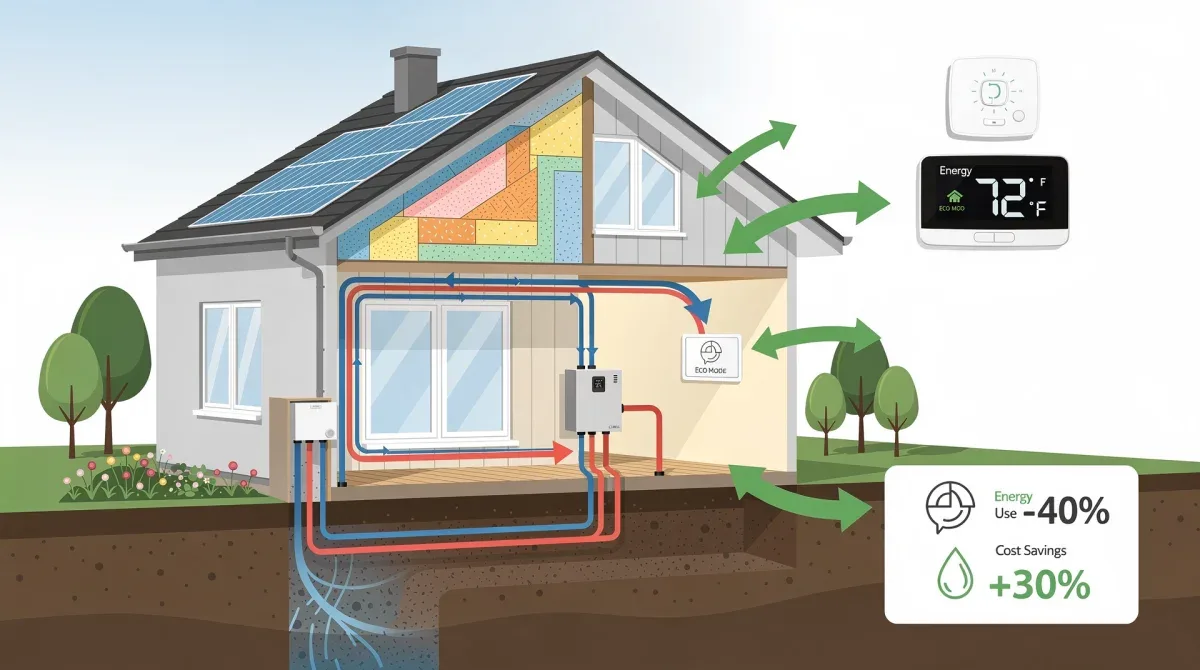
Energy-Efficient Home Improvements
Beyond generating your own energy, the federal incentives also heavily support improvements that reduce your home's overall energy consumption. These include upgrades to insulation, heating and cooling systems, and windows, all contributing to a more energy-efficient and comfortable living environment.
- Energy Efficient Home Improvement Credit: Replaces the previous non-business energy property credit, offering a 30% credit up to $1,200 annually for certain improvements.
- Heat Pumps and Water Heaters: Specific credits for installing highly efficient electric or natural gas heat pumps and heat pump water heaters, up to $2,000 annually.
- Insulation and Air Sealing: Upgrades that significantly improve your home's thermal envelope, reducing heating and cooling loads.
- Energy-Efficient Windows and Doors: Replacing old, inefficient windows and doors with ENERGY STAR certified products.
These improvements directly translate to lower energy bills and a reduced carbon footprint, offering a double benefit for homeowners. The annual limits allow for ongoing improvements, enabling homeowners to gradually upgrade their homes over several years while continuously benefiting from the credits.
In conclusion, the range of clean energy investments covered by the federal incentives is comprehensive, spanning both energy generation and efficiency upgrades. This broad approach empowers homeowners to choose the most suitable improvements for their properties, fostering a more sustainable and economically sound future.
How to Claim Your 30% Federal Clean Energy Tax Credits
Claiming your federal clean energy tax credits effectively requires careful attention to detail and proper documentation. While the process is generally straightforward, understanding the necessary steps and forms can prevent delays and ensure you receive the full benefit of the 30% policy. This section will guide you through the essential aspects of filing your claim.
The incentives are typically claimed as tax credits, which directly reduce the amount of income tax you owe, dollar for dollar. This is more advantageous than a tax deduction, which only reduces your taxable income. Therefore, understanding how these credits interact with your overall tax liability is key to maximizing your savings.
Required Documentation and Forms
When preparing to claim your clean energy tax credits, having all the necessary documentation readily available is paramount. The IRS will require proof of purchase and installation, along with specific forms to be filed with your annual tax return.
- Form 5695, Residential Energy Credits: This is the primary form used to claim credits for energy-efficient home improvements and residential clean energy property.
- Receipts and Invoices: Keep detailed records of all expenses related to the purchase and installation of qualifying equipment. These should clearly show the cost of the equipment and labor.
- Manufacturer's Certification Statement: For some equipment, manufacturers provide a statement certifying that their product qualifies for the tax credit. This can be a valuable piece of documentation.
It is advisable to consult with a tax professional to ensure all forms are completed accurately and that you are claiming all eligible credits. Tax laws can be complex, and a professional can provide personalized advice based on your specific financial situation and the clean energy improvements you've made.
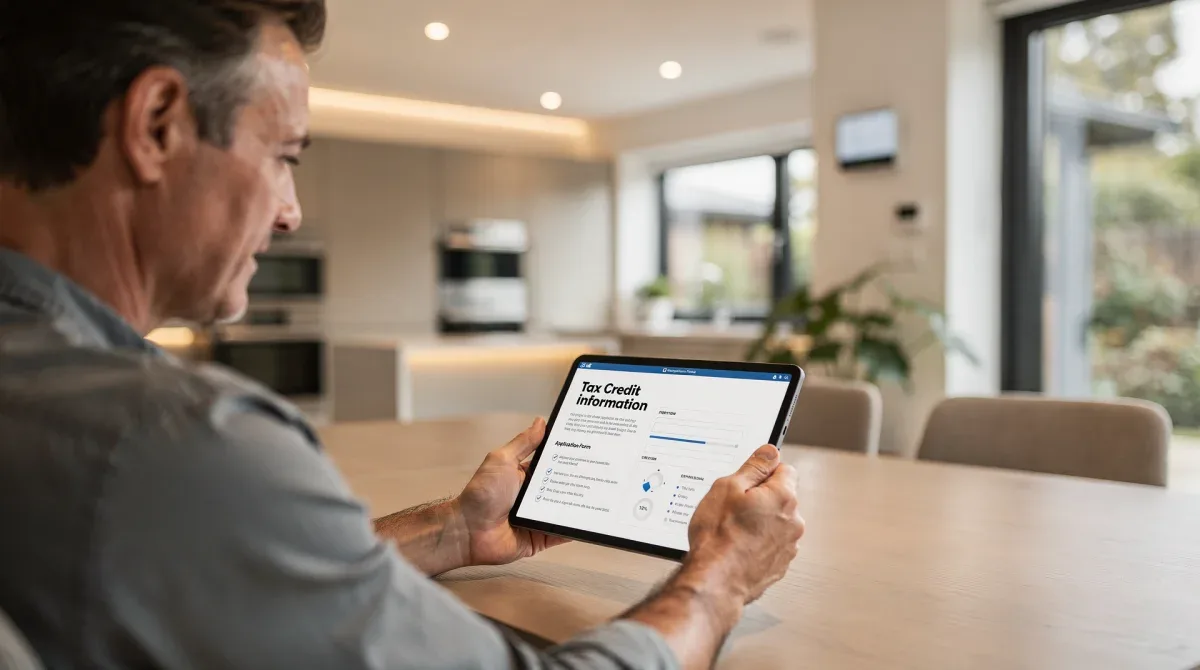
Understanding the Tax Credit Application Process
The process of claiming your tax credit typically involves several steps, starting from the moment you decide to make a clean energy upgrade to filing your tax return. Being proactive and organized throughout this journey will simplify the process significantly.
- Research and Plan: Before making any purchases, confirm that the equipment or improvement qualifies for the credit and understand the specific requirements.
- Purchase and Install: Ensure that the installation is completed by qualified professionals and that you receive detailed invoices.
- Gather Documentation: Collect all receipts, invoices, and manufacturer certifications.
- File Your Taxes: Complete Form 5695 and attach it to your federal income tax return (Form 1040).
Remember that tax credits are non-refundable, meaning they can reduce your tax liability to zero, but you won't receive a refund for any credit amount exceeding your tax liability. However, some residential clean energy credits, like the solar ITC, can be carried forward to future tax years if you can't use the full amount in the year of installation.
In conclusion, claiming your 30% federal clean energy tax credits requires diligent record-keeping and a clear understanding of the relevant IRS forms. By carefully following these steps and considering professional advice, homeowners can successfully leverage these incentives to reduce their tax burden and invest in a sustainable future.
Maximizing Your Savings: Combining Federal, State, and Local Incentives
While the 30% federal clean energy residential incentives offer substantial benefits, homeowners can often maximize their savings by combining these federal programs with state and local incentives. This layered approach can significantly reduce the net cost of clean energy installations and energy-efficient upgrades, making sustainable living even more accessible and financially rewarding.
Many states, counties, and even utility companies offer their own programs, which can include additional tax credits, rebates, grants, or low-interest loans. Understanding how these various incentives interact and how to stack them effectively is key to unlocking the greatest possible financial advantage.
State-Specific Programs and Rebates
Beyond federal tax credits, many states have enacted their own policies to encourage clean energy adoption. These can vary widely by state, reflecting different energy priorities and legislative landscapes. It's essential to research what's available in your specific geographic area.
- State Tax Credits: Similar to federal credits, these directly reduce your state income tax liability.
- Rebate Programs: Offered by state energy offices or utility companies, providing direct cash back for purchasing and installing qualifying equipment.
- Grants: Less common for individual homeowners but may be available for specific pilot programs or low-income households.
These state-level incentives often complement federal programs, allowing homeowners to receive multiple benefits for a single clean energy investment. For example, a solar panel installation might qualify for the federal ITC, a state tax credit, and a utility company rebate, dramatically lowering the out-of-pocket expense.
Local Incentives and Utility Programs
Don't overlook local initiatives and programs offered by your utility provider. Many municipalities and electric companies have their own incentives tailored to their specific service areas, aiming to reduce peak demand or promote renewable energy sources within their grids.
- Local Property Tax Exemptions: Some localities offer exemptions or reductions in property taxes for homes with clean energy improvements.
- Permitting Fee Waivers: Certain cities or counties may waive or reduce fees associated with obtaining permits for solar or other clean energy installations.
- Utility Rebates: Electric and gas companies frequently offer rebates for energy-efficient appliance upgrades, smart thermostats, or insulation improvements.
- Net Metering: A policy that allows homeowners with solar panels to receive credits on their electricity bill for excess energy they generate and send back to the grid.
Combining these various layers of incentives requires careful planning and research. Online databases, such as the Database of State Incentives for Renewables & Efficiency (DSIRE), are excellent resources for finding comprehensive information on federal, state, and local programs. Engaging with local energy advisors or certified installers can also provide valuable insights into available opportunities.
In conclusion, while the 30% federal clean energy incentives are a powerful tool, integrating them with state and local programs can lead to even greater financial advantages. By exploring all available options, homeowners can significantly reduce the cost of clean energy investments, making sustainable home improvements a highly attractive and financially viable choice.
Common Misconceptions and Expert Advice for Homeowners
Despite the clear benefits of clean energy residential incentives, several common misconceptions often deter homeowners from pursuing these opportunities. Addressing these misunderstandings and providing expert advice can help clarify the process and encourage broader participation in these impactful programs. Accurate information is critical for making informed decisions.
One prevalent misconception is that clean energy installations are prohibitively expensive, even with incentives. While the initial investment can be substantial, the combination of federal, state, and local programs, coupled with long-term energy savings, often makes these projects highly cost-effective over their lifespan.
Debunking Myths About Clean Energy Costs and Complexity
Many homeowners believe that the process of installing clean energy systems or claiming incentives is overly complex or financially out of reach. It's important to separate fact from fiction to empower more individuals to make sustainable choices.
- Myth: Clean energy is only for the wealthy. Fact: Incentives significantly lower costs, and financing options like loans and leases make it accessible to various income levels.
- Myth: The tax credit process is too complicated. Fact: While it requires documentation, resources like tax professionals and online guides simplify the filing process.
- Myth: Solar panels don't work in cloudy climates. Fact: Modern solar technology is efficient even in less sunny conditions, and battery storage can compensate for intermittency.
Another misconception is that clean energy technology is unreliable or requires constant maintenance. In reality, systems like solar panels and geothermal heat pumps are designed for durability and longevity, often requiring minimal maintenance for decades.
Expert Recommendations for a Smooth Transition
To ensure a smooth and beneficial transition to clean energy, homeowners should consider several key pieces of advice from industry experts. These recommendations focus on due diligence, professional guidance, and strategic planning.
- Get Multiple Quotes: Always obtain quotes from several reputable installers to compare costs, technologies, and warranties.
- Verify Installer Credentials: Ensure installers are licensed, insured, and certified (e.g., NABCEP for solar) to guarantee quality workmanship.
- Understand Your Energy Needs: A thorough energy audit can help identify the most impactful improvements for your specific home.
- Review All Available Incentives: Utilize resources like DSIRE to identify federal, state, and local programs you qualify for.
- Consult a Tax Professional: Seek advice on how to properly claim tax credits and understand their impact on your overall tax situation.
Furthermore, consider the long-term value. Clean energy upgrades not only save money on utility bills but can also increase your home's resale value and contribute to a healthier environment. Thinking beyond the immediate costs to the holistic benefits provides a more accurate picture of the investment's worth.
In conclusion, by dispelling common myths and following expert advice, homeowners can confidently navigate the clean energy landscape. The updated 30% federal policy standards, combined with other incentives, make this an opportune time to invest in sustainable home improvements, fostering both personal financial gain and environmental stewardship.
The Future of Clean Energy Incentives and Policy Outlook
The landscape of clean energy incentives is not static; it is continually evolving in response to technological advancements, economic shifts, and changing political priorities. Understanding the potential future trajectory of these policies, particularly the 30% federal clean energy residential incentives, can help homeowners make forward-looking decisions about their investments and anticipate upcoming changes.
Current trends suggest a continued commitment to renewable energy and energy efficiency at both federal and state levels, driven by climate goals and the desire for energy independence. However, the specifics of these policies, including their scope, duration, and funding mechanisms, may be subject to adjustments.
Anticipated Policy Changes and Extensions
While the Inflation Reduction Act provided significant long-term certainty for many clean energy tax credits through 2032, future legislative sessions could introduce new programs, extend existing ones, or make modifications. Staying informed about potential policy changes is crucial for homeowners planning long-term investments.
- Potential for New Credits: As new clean energy technologies emerge, there may be calls for specific incentives to support their adoption.
- Extension Beyond 2032: Given the ongoing climate crisis, there's a strong possibility that current credits, especially the ITC, could be extended past their current sunset dates.
- Performance-Based Incentives: Future policies might increasingly focus on rewarding actual energy savings or generation, moving beyond upfront installation costs.
The political climate and public demand for sustainable solutions will play a significant role in shaping these future policies. As the benefits of clean energy become more evident, there's a growing bipartisan interest in supporting these initiatives, which bodes well for continued incentive programs.
The Role of Technology and Market Forces
Beyond legislative action, technological innovation and market forces will also influence the future of clean energy incentives. As renewable energy technologies become more efficient and affordable, the need for certain types of incentives may shift. The goal is to reach a point where clean energy is the most economically viable option without extensive subsidies.
- Decreasing Costs: The cost of solar panels and battery storage has dramatically decreased over the past decade, making them more competitive.
- Grid Modernization: Investments in smart grids and energy storage will enhance the reliability and integration of renewable energy.
- Consumer Demand: Growing consumer awareness and demand for sustainable products and homes will continue to drive market innovation.
This interplay between policy, technology, and market demand creates a dynamic environment. Homeowners who invest in clean energy now are not only benefiting from current incentives but are also positioning themselves to adapt to and benefit from future advancements in the energy sector. Early adopters often play a crucial role in driving down costs and accelerating innovation.
In conclusion, the future of clean energy incentives appears promising, with strong foundational policies in place and continuous innovation driving the sector forward. By staying abreast of policy developments and technological advancements, homeowners can continue to make smart, sustainable investments that benefit both their finances and the planet.
| Key Point | Brief Description |
|---|---|
| 30% Federal Tax Credit | The primary incentive for renewable energy systems like solar, extended through 2032. |
| Eligible Investments | Covers solar, wind, geothermal, battery storage, and energy-efficient home improvements. |
| Claiming Process | Requires Form 5695, detailed receipts, and potentially manufacturer certifications. |
| Stacking Incentives | Combine federal, state, and local programs for maximum financial savings. |
Frequently Asked Questions About Clean Energy Incentives
What is the primary benefit of the 30% federal clean energy tax credit?▼The primary benefit is a direct reduction in your federal income tax liability, dollar for dollar, for 30% of the cost of eligible clean energy installations. This significantly lowers the out-of-pocket expense for homeowners investing in renewable energy systems and energy-efficient home improvements, making sustainable upgrades more affordable and accessible.
Which residential clean energy systems qualify for the 30% tax credit?▼The 30% tax credit applies to a range of clean energy systems, including solar photovoltaic (PV) panels, wind turbines, geothermal heat pumps, and certain battery storage technologies (at least 3 kWh capacity) installed in conjunction with a renewable energy system. These systems must meet specific federal standards to be eligible for the credit.
Can I combine federal clean energy incentives with state or local programs?▼Yes, absolutely. Homeowners can often combine the federal 30% tax credit with various state-specific programs, local incentives, and utility company rebates. This strategy, often referred to as 'stacking' incentives, can dramatically reduce the overall cost of clean energy investments, maximizing your financial savings and accelerating your return on investment.
What documentation do I need to claim the federal clean energy tax credit?▼To claim the credit, you will need to file IRS Form 5695, Residential Energy Credits, with your annual tax return. It's crucial to retain detailed receipts and invoices for all eligible expenses, including equipment and installation costs. Manufacturer's certification statements for specific products can also be helpful for verification purposes.
Do these incentives apply to all types of residential properties?▼Generally, the most significant federal clean energy incentives, including the 30% tax credit, are applicable to your primary residence. While some limited benefits might extend to secondary homes, rental properties typically do not qualify for residential clean energy tax credits. Always verify specific eligibility criteria for your property type and planned improvements.
Conclusion
The updated 30% federal clean energy residential incentives represent a monumental opportunity for homeowners across the United States. By providing substantial financial relief through tax credits, these policies not only encourage the adoption of renewable energy and energy-efficient home improvements but also contribute significantly to national sustainability goals. Understanding the eligibility, covered investments, and claiming process, along with exploring complementary state and local programs, empowers homeowners to make informed decisions that benefit both their finances and the environment. As the clean energy landscape continues to evolve, these incentives solidify a pathway toward a greener, more energy-independent future for American households.