Urban Exodus to Suburban Revival: 2026 US Demographic Shifts Analyzed
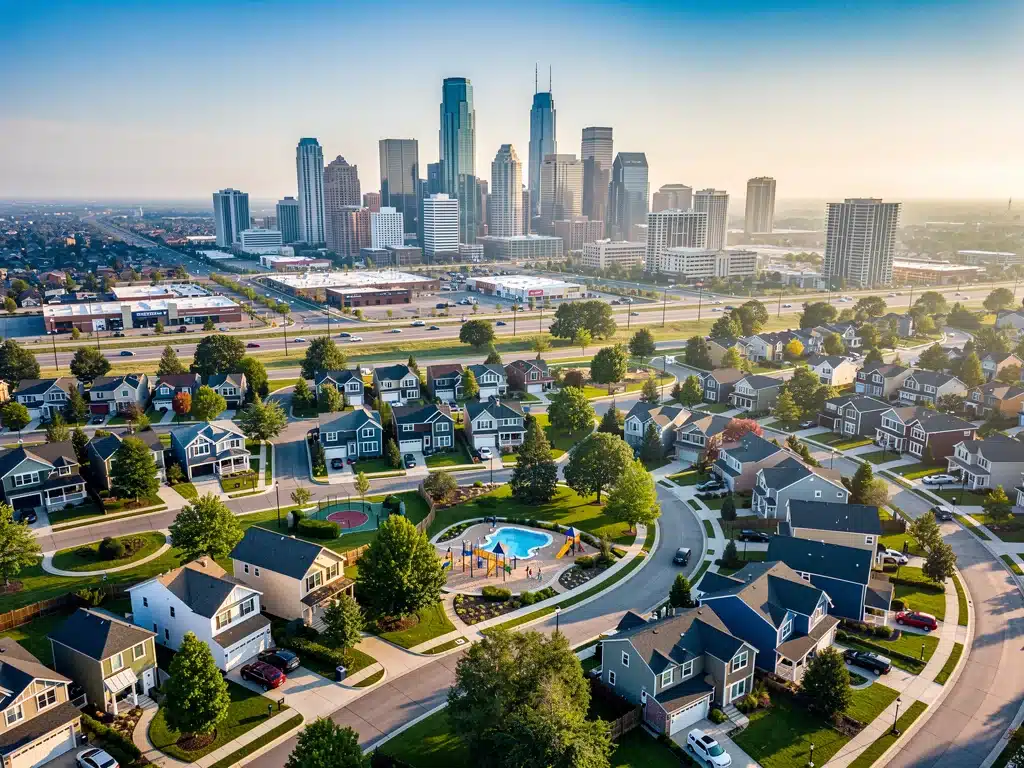
The 2026 demographic landscape in the US is marked by a continued urban exodus driving a significant suburban revival, reshaping communities and economies with lasting implications for housing, infrastructure, and social dynamics across the nation.
The United States stands at a pivotal moment in its demographic evolution, with significant shifts reshaping its urban and suburban landscapes. The phenomenon of an urban exodus to suburban revival, deeply rooted in recent societal changes and economic pressures, continues to define the trajectory of American communities into 2026 and beyond. This article delves into the intricate dynamics driving these movements, exploring their multifaceted impacts on everything from housing markets to social infrastructure.
Understanding the drivers of urban exodus
The past few years have accelerated a trend that was already subtly in motion: a significant migration away from dense urban centers. This movement, often termed the urban exodus, is not merely a transient response but a complex shift driven by a confluence of economic, social, and technological factors that have fundamentally altered how Americans perceive and choose their living environments.
One of the primary catalysts for this demographic realignment has been the evolving nature of work. The widespread adoption of remote work models, initially a necessity during global health crises, has proven to be a durable shift. This newfound flexibility has untethered many professionals from the geographical constraints of their workplaces, allowing them to seek more affordable housing, better quality of life, and larger living spaces outside the bustling, often expensive, city cores.
Economic pressures and housing affordability
The relentless increase in urban housing costs remains a critical factor. For many, the dream of homeownership in major metropolitan areas has become increasingly unattainable, pushing them towards more affordable alternatives in suburban and exurban locales. This search for value extends beyond just the purchase price, encompassing lower property taxes, reduced commuting costs, and often, more space for their money.
- High Cost of Living: Urban centers consistently rank higher in cost of living indices, making suburban areas more attractive.
- Remote Work Opportunities: The ability to work from home has diminished the necessity of living near an office.
- Desire for Space: Larger homes and yards, often more accessible in suburbs, appeal to families and individuals alike.
- Lower Property Taxes: Many suburban areas offer more favorable tax environments compared to high-tax cities.
Beyond economics, lifestyle preferences also play a significant role. The allure of quieter neighborhoods, better school districts, and increased access to nature and recreational spaces often outweighs the cultural amenities of city life, particularly for families or those seeking a slower pace. The urban exodus, therefore, represents a re-evaluation of priorities, where personal well-being and family considerations often take precedence over the traditional pull of metropolitan vibrancy.
In essence, the drivers of urban exodus are a multifaceted blend of financial pragmatism, technological enablement, and a collective yearning for improved quality of life. These forces are not only pushing residents out of cities but are simultaneously laying the groundwork for the burgeoning suburban revival.
The rise of suburban revival in 2026
As urban areas experience a continued outflow, the suburbs are undergoing a remarkable transformation, evolving from mere bedroom communities to vibrant, self-sufficient hubs. The suburban revival is characterized by significant investment in infrastructure, diverse housing options, and the emergence of new commercial and cultural centers, making these areas increasingly attractive destinations in their own right.
Changing suburban demographics and infrastructure
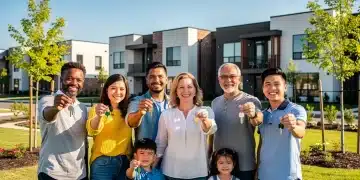
The influx of new residents, particularly younger families and professionals, is diversifying suburban populations. This demographic shift brings with it a demand for amenities previously associated with urban living, such as diverse dining options, walkable retail districts, and improved public transportation. Developers and local governments are responding by creating mixed-use developments that blend residential, commercial, and recreational spaces, fostering a more dynamic and integrated community experience.
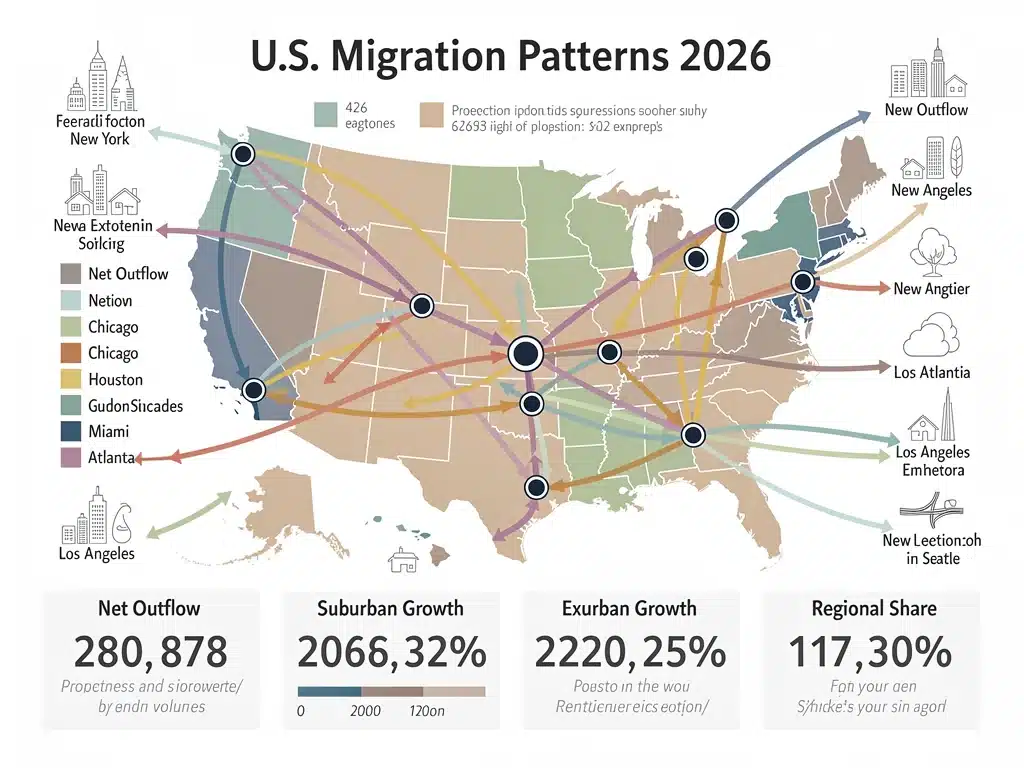
The suburban revival is also marked by a renewed focus on sustainability and green living. Many developing suburban areas are incorporating eco-friendly designs, expanding public parks, and investing in renewable energy solutions, appealing to environmentally conscious residents. This commitment to sustainable growth not only enhances the quality of life but also positions these communities for long-term resilience and appeal.
- Mixed-Use Developments: Combining residential, retail, and office spaces creates self-contained communities.
- Enhanced Public Services: Investment in schools, healthcare, and public safety to meet growing demands.
- Cultural and Recreational Amenities: New parks, entertainment venues, and dining options enhance lifestyle.
- Sustainable Infrastructure: Focus on green spaces, public transit, and eco-friendly building practices.
Furthermore, technological advancements are playing a crucial role in shaping the modern suburb. High-speed internet access is no longer a luxury but a necessity, supporting remote work and digital learning. Smart home technologies and integrated community platforms are also becoming standard, enhancing convenience and connectivity for residents. This technological integration ensures that suburban areas can offer a contemporary living experience that rivals, and in some cases surpasses, what cities can provide.
The suburban revival, therefore, is not simply a return to older suburban models but a re-imagining of these spaces. It’s about creating dynamic, diverse, and sustainable communities that offer a high quality of life, economic opportunity, and a strong sense of belonging, making them increasingly desirable places to live and thrive in 2026 and beyond.
Economic impacts on urban and suburban markets
The demographic shifts from urban exodus to suburban revival are creating profound economic ripples across both metropolitan and suburban markets. Understanding these impacts is crucial for policymakers, businesses, and residents alike, as they influence everything from real estate values to local employment opportunities.
In urban centers, the exodus can lead to a softening of rental markets and a decrease in commercial property demand. While some cities are resilient and attract new populations, others may face challenges in maintaining their tax bases and supporting existing infrastructure. This pressure often forces urban areas to innovate, focusing on revitalization projects, attracting specialized industries, or reimagining underutilized spaces to retain their appeal.
Real estate shifts and business relocation
The real estate market is perhaps the most visibly affected sector. Suburban housing markets are experiencing unprecedented demand, leading to rising property values and new construction booms. This invigorates local economies through job creation in construction, retail, and services. Conversely, some urban areas may see a surplus of housing inventory, prompting landlords and developers to adjust prices or convert properties for alternative uses.
Businesses are also recalibrating their strategies. With a significant portion of their workforce potentially living further from city centers, companies are evaluating the need for large, central office spaces. This has led to a rise in satellite offices in suburban locations or a permanent shift to hybrid work models, reducing operational costs and potentially improving employee satisfaction. The relocation of businesses to suburbs further fuels the economic growth of these areas, attracting talent and investment.
- Suburban Housing Boom: Increased demand drives up home prices and spurs new residential construction.
- Urban Commercial Vacancies: Reduced office demand leads to higher vacancy rates and potential property value declines.
- Local Business Growth: New residents and relocating businesses boost suburban retail, service, and hospitality sectors.
- Infrastructure Investment: Increased tax revenues in suburbs fund improvements in roads, utilities, and public facilities.
Moreover, the economic impact extends to local services and retail. Suburban areas are witnessing a boom in new restaurants, boutiques, and service providers catering to their growing and increasingly diverse populations. This creates a virtuous cycle where new businesses attract more residents, further stimulating the local economy. For urban areas, the challenge lies in adapting to changing consumer habits and ensuring that their unique offerings continue to draw visitors and residents, despite the demographic shifts.
Ultimately, the economic landscape is undergoing a significant rebalancing. While urban centers grapple with adaptation, suburban areas are experiencing a period of robust growth and reinvention, creating new opportunities and challenges for the entire US economy.
Social and cultural transformations in communities
The demographic shifts inherent in the urban exodus to suburban revival are not just economic; they are profoundly social and cultural, reshaping the fabric of communities across the United States. These transformations affect everything from neighborhood dynamics to political landscapes, creating both opportunities and challenges for social cohesion and identity.
In suburban areas, the influx of diverse populations from urban centers is leading to a richer cultural tapestry. New residents bring different perspectives, traditions, and demands for cultural amenities. This can manifest in more diverse culinary scenes, increased demand for cultural institutions, and a greater emphasis on inclusive community events. The traditional image of a homogenous suburb is giving way to more varied and vibrant communities.
Community identity and civic engagement
As suburbs grow and diversify, questions of community identity and civic engagement become paramount. New residents often seek to establish connections and contribute to their adopted communities, leading to increased participation in local government, school boards, and volunteer organizations. This heightened engagement can strengthen local democracy and foster a greater sense of collective ownership over community development.
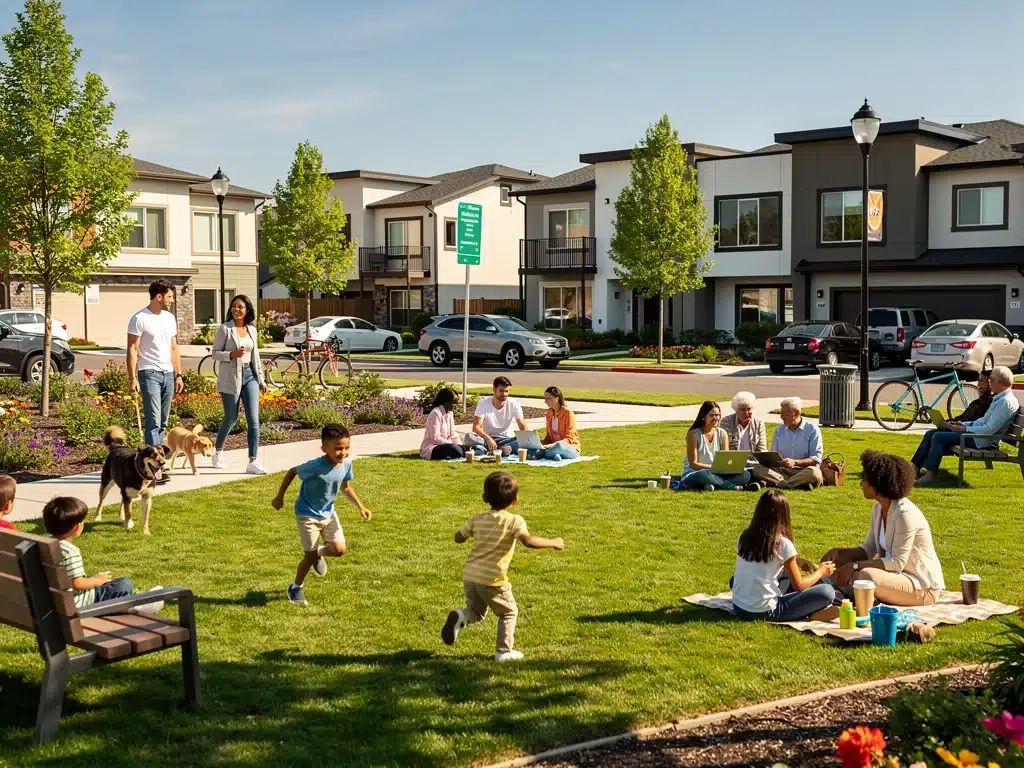
However, these changes can also present challenges. Rapid growth can strain existing social services, schools, and infrastructure, leading to tensions if not managed effectively. Integrating diverse newcomers with long-time residents requires thoughtful community planning and initiatives that promote understanding and collaboration. The goal is to build bridges between different groups, ensuring that the suburban revival is inclusive and beneficial for all.
- Increased Diversity: Influx of urban residents brings cultural variety and new perspectives to suburbs.
- Enhanced Civic Participation: Newcomers often engage actively in local politics and community groups.
- Strain on Social Services: Rapid population growth can challenge existing schools, healthcare, and public resources.
- Evolution of Local Culture: Suburbs develop richer cultural scenes with new dining, arts, and recreational options.
Urban areas, while experiencing population shifts, are also undergoing cultural transformations. Many cities are re-evaluating their core identities, focusing on unique cultural offerings, niche industries, and innovative urban planning to maintain their appeal. This can lead to a more concentrated and perhaps more specialized cultural scene, attracting specific demographics or tourists, and fostering a renewed sense of urban identity centered on distinct experiences.
Ultimately, the social and cultural impacts of these demographic shifts are about adaptation and evolution. Both urban and suburban communities are finding new ways to define themselves, build connections, and create spaces where diverse populations can thrive, reflecting the changing aspirations and lifestyles of Americans in 2026.
Policy implications and future planning
The significant demographic shifts from an urban exodus to a suburban revival necessitate a proactive approach to policy-making and future planning across all levels of government. Without thoughtful intervention, these movements could exacerbate existing inequalities or create new challenges in housing, transportation, and resource allocation.
One of the most pressing policy concerns is managing suburban growth sustainably. As more people move to these areas, there’s an increased demand for infrastructure, including roads, public transit, water, and waste management. Local and regional planners must develop comprehensive strategies to accommodate this growth without overwhelming existing resources or contributing to urban sprawl that diminishes green spaces and increases carbon footprints.
Rethinking housing and transportation strategies
Housing policies need to adapt to the changing landscape. In burgeoning suburban areas, this means promoting diverse housing types, including affordable options, to prevent exclusionary zoning and ensure accessibility for all income levels. For urban areas facing reduced demand, policies might focus on incentivizing adaptive reuse of commercial properties, supporting mixed-income developments, or investing in public spaces to maintain vibrancy and attract new residents.
- Sustainable Urban Planning: Developing suburbs with efficient land use, green infrastructure, and public transit.
- Affordable Housing Initiatives: Policies to ensure diverse housing options in both growing suburbs and adapting cities.
- Inter-regional Transportation: Investing in robust transit networks connecting urban and suburban centers.
- Resource Allocation: Fair distribution of funding for schools, healthcare, and emergency services based on population shifts.
Transportation planning is another critical area. As commuting patterns shift, investment in public transit that connects suburban hubs to each other and to remaining urban job centers becomes vital. This not only reduces traffic congestion but also promotes environmental sustainability. Furthermore, policies encouraging walkability and bike-friendly infrastructure in suburban developments can enhance quality of life and reduce reliance on personal vehicles.
Beyond physical infrastructure, social policies must also evolve. This includes ensuring equitable access to quality education, healthcare, and social services in rapidly growing suburban areas. For urban centers, policies might focus on supporting cultural institutions, promoting tourism, and fostering innovation hubs to remain economically competitive. The goal is to create resilient, adaptable communities that can thrive amidst ongoing demographic transformation, ensuring that the urban exodus to suburban revival ultimately benefits all Americans.
The evolving American dream: 2026 perspective
The concept of the American Dream has always been fluid, adapting to economic realities and societal aspirations. In 2026, the ongoing urban exodus to suburban revival is fundamentally reshaping what this dream looks like for many Americans. No longer solely tied to a house with a white picket fence in a quiet cul-de-sac or a bustling city apartment, the dream is becoming more nuanced, reflecting a desire for balance, community, and personal well-being.
For a growing number of individuals and families, the American Dream now encompasses the flexibility to work from anywhere, the ability to afford a comfortable home with space, and access to good schools and safe neighborhoods, often found in revitalized suburban settings. This shift prioritizes quality of life over proximity to a central business district, reflecting a broader societal re-evaluation of what constitutes success and happiness.
Balancing urban amenities with suburban tranquility
The evolving dream seeks a blend of the best aspects of both urban and suburban living. People desire the cultural richness and diverse experiences often found in cities, but they also crave the tranquility, community feel, and green spaces characteristic of suburbs. This has led to the development of suburban areas that consciously incorporate urban amenities, creating vibrant town centers, diverse dining options, and cultural events, all within a more spacious and family-friendly environment.
- Hybrid Work Models: The freedom to choose where one lives and works, balancing professional and personal life.
- Affordable Homeownership: The ability to purchase a home with more space for less cost in suburban areas.
- Community and Nature Access: Desire for strong local communities, parks, and outdoor recreational opportunities.
- Balanced Lifestyle: Seeking a blend of urban conveniences with suburban peace and safety.
For others, especially younger generations, the dream might still involve urban living, but with a different emphasis. They may seek walkable neighborhoods, strong public transit, and a focus on sustainable, communal living, even if it means smaller living spaces. The key is choice and the ability to tailor one’s living environment to personal values and priorities, rather than being confined by traditional expectations.
The 2026 perspective on the American Dream is therefore less about a single ideal and more about a spectrum of possibilities. It emphasizes adaptability, individual agency, and the pursuit of a lifestyle that aligns with one’s personal and professional goals, whether that means a dynamic suburban hub, a re-imagined urban enclave, or a blend of both. This evolving dream is a powerful force shaping current and future demographic trends.
Challenges and opportunities for 2026 and beyond
The demographic shifts from urban exodus to suburban revival present a complex array of challenges and opportunities that will continue to shape the United States in 2026 and well into the future. Navigating these changes effectively will require innovative solutions and collaborative efforts from various stakeholders.
One significant challenge is ensuring equitable development across both urban and suburban landscapes. As suburbs grow, there’s a risk of widening socioeconomic disparities if access to quality education, healthcare, and economic opportunities isn’t evenly distributed. Similarly, urban areas facing population declines must guard against disinvestment and ensure that remaining residents have access to essential services and resources.
Addressing infrastructure gaps and social equity
Infrastructure development is a critical opportunity. The need for new roads, public transit, utilities, and broadband in growing suburbs can stimulate economic activity and create jobs. However, it also demands substantial investment and careful planning to avoid environmental degradation and ensure efficient resource use. For urban areas, the opportunity lies in upgrading existing infrastructure, making it smarter and more resilient to future challenges.
Social equity is another paramount concern. The relocation of diverse populations to suburbs offers an opportunity to build more inclusive communities, but it also highlights the need for policies that prevent gentrification, promote affordable housing, and ensure that all residents, regardless of background, can thrive. This includes addressing issues such as access to healthy food, recreational spaces, and culturally relevant services.
- Sustainable Infrastructure Development: Building resilient and eco-friendly infrastructure in growing suburban areas.
- Equitable Resource Distribution: Ensuring fair access to education, healthcare, and economic opportunities across regions.
- Urban Revitalization: Adapting urban centers through mixed-use developments and green initiatives.
- Community Integration: Fostering inclusive environments that embrace new and diverse populations in suburbs.
For businesses, the shifting demographics present opportunities to re-evaluate market strategies, identify new consumer bases in suburban areas, and innovate in terms of service delivery and employment models. The rise of remote work, for example, creates opportunities for companies to tap into a wider talent pool, while also rethinking the purpose and design of physical office spaces.
Ultimately, the challenges and opportunities of the urban exodus to suburban revival are intertwined. By proactively addressing issues like infrastructure, equity, and sustainable growth, the US can leverage these demographic shifts to build more resilient, vibrant, and prosperous communities for all its citizens in 2026 and for generations to come.
| Key Trend | Brief Description |
|---|---|
| Urban Exodus Drivers | Remote work, high urban costs, and desire for more space fuel migration from cities. |
| Suburban Revival | Suburbs transform into vibrant, self-sufficient hubs with diverse housing and amenities. |
| Economic Rebalancing | Impacts on real estate, business relocation, and local economies in both urban and suburban areas. |
| Evolving American Dream | The dream shifts towards balance, community, and quality of life, often found in revitalized suburban settings. |
Frequently asked questions about US demographic shifts
The urban exodus is primarily driven by the expansion of remote work, the increasing unaffordability of urban housing, and a growing desire for more living space and a higher quality of life, particularly among families and young professionals seeking better schools and quieter environments.
Suburbs are transforming into more diverse, self-sufficient communities with mixed-use developments, enhanced public services, and a wider array of cultural and recreational amenities. They are becoming vibrant hubs that blend residential, commercial, and green spaces, attracting a broader demographic.
Cities may face challenges such as softening rental markets, increased commercial property vacancies, and potential tax base reductions. This often prompts urban areas to innovate through revitalization projects, attracting specialized industries, and adapting properties for new uses to maintain economic vitality.
The American Dream is evolving to prioritize balance, community, and personal well-being over traditional urban or purely rural ideals. It now often includes the flexibility of remote work, affordable homeownership in vibrant suburban settings, and access to nature and strong community connections.
Policy changes are needed to manage sustainable suburban growth, ensure equitable access to housing and services, and rethink transportation infrastructure. This includes promoting diverse housing options, investing in public transit, and supporting both urban revitalization and suburban development sustainably.
Conclusion
The profound demographic shifts encapsulated by the urban exodus to suburban revival are not merely statistical anomalies but fundamental reorientations of American life. As we look towards 2026, these trends underscore a collective re-evaluation of priorities, where quality of life, affordability, and community increasingly drive residential choices. Both urban and suburban areas face distinct challenges and unique opportunities for reinvention. Understanding these dynamics is crucial for fostering adaptable, equitable, and thriving communities that meet the evolving needs and aspirations of the nation’s diverse population. The future of American living is being written in these movements, promising a landscape of continuous change and innovation.