Semiconductor Race: US Innovation & Supply Chain Resilience 2026
The US semiconductor industry is undergoing a transformative period, driven by strategic investments and policy initiatives aimed at bolstering domestic manufacturing and securing a resilient supply chain by 2026.
The global race for technological supremacy hinges significantly on a single, tiny component: the semiconductor. As 2026 approaches, the United States is at a pivotal juncture, actively working to reassert its leadership and strengthen its domestic capabilities in what has become known as The Great Semiconductor Race: U.S. Innovation and Supply Chain Resilience in 2026 (RECENT UPDATES). This endeavor is not merely about economic competition; it’s about national security, technological independence, and securing a future powered by American ingenuity.
The Strategic Imperative: Why Semiconductors Matter Now More Than Ever
Semiconductors, often called the ‘brains’ of modern electronics, are fundamental to virtually every aspect of contemporary life. From smartphones and artificial intelligence to advanced defense systems and critical infrastructure, these tiny chips power our world. The strategic importance of a robust and secure semiconductor supply chain has never been more apparent, especially as geopolitical tensions rise and global dependencies become increasingly vulnerable.
For decades, the United States was a pioneer in semiconductor innovation and manufacturing. However, over time, a significant portion of production shifted overseas, primarily to East Asia. This outsourcing, driven by cost efficiencies, inadvertently created a critical vulnerability. The COVID-19 pandemic starkly exposed these fragilities, leading to widespread chip shortages that impacted industries worldwide and underscored the urgent need for domestic resilience.
The current landscape demands a proactive approach. The U.S. government, alongside industry leaders, recognizes that regaining a competitive edge and ensuring supply chain security are paramount. This involves not only bringing manufacturing back home but also fostering a new generation of innovation, investing in research and development, and cultivating a skilled workforce capable of meeting future demands.
In essence, the push for U.S. semiconductor resilience is a multifaceted strategy designed to safeguard economic stability, enhance national security, and maintain technological leadership in an increasingly complex global environment. The initiatives unfolding now are laying the groundwork for a more secure and innovative future.
CHIPS and Science Act: Fueling Domestic Manufacturing and R&D
The passage of the CHIPS and Science Act in 2022 marked a monumental shift in U.S. policy regarding semiconductors. This bipartisan legislation allocated over $52 billion in subsidies for domestic semiconductor research, development, and manufacturing. Its primary goal is to incentivize companies to build and expand chip fabrication plants (fabs) within the United States, thereby reducing reliance on foreign production and strengthening the domestic supply chain.
The impact of the CHIPS Act is already being felt across the country. Major semiconductor manufacturers have announced substantial investments in new facilities, creating thousands of high-paying jobs and stimulating local economies. These investments are not just about capacity; they are also about pushing the boundaries of technological innovation, ensuring that the U.S. remains at the forefront of chip design and production.
Investment in New Fabs
The CHIPS Act has catalyzed unprecedented private sector investment, with companies committing billions to new or expanded facilities. These investments are crucial for:
- Increasing Domestic Production: Reducing reliance on overseas manufacturing, particularly from regions with geopolitical risks.
- Creating High-Tech Jobs: Generating employment opportunities in engineering, manufacturing, and research.
- Boosting Economic Growth: Stimulating local economies through construction, supply chain development, and related services.
Beyond manufacturing, the act also emphasizes research and development (R&D). Funding is directed towards establishing national semiconductor technology centers and fostering partnerships between industry, academia, and government. This collaborative approach is vital for developing next-generation technologies, from advanced packaging to novel materials, which will define the future of computing.
The long-term success of the CHIPS Act hinges on sustained commitment and effective implementation. While the initial investments are significant, building a robust semiconductor ecosystem takes time and continuous effort. The goal for 2026 is not just to have more fabs, but to establish a thriving, self-sufficient, and globally competitive domestic industry.
Rebuilding the Supply Chain: Diversification and Resilience Strategies
One of the most critical lessons learned from recent global disruptions is the vulnerability of highly concentrated supply chains. For semiconductors, this concentration in a few geographic regions created significant risks. The U.S. strategy for 2026 and beyond focuses heavily on rebuilding and diversifying this supply chain to enhance its resilience against future shocks.
This rebuilding effort goes beyond just domestic manufacturing. It involves a multi-pronged approach that includes identifying critical choke points, fostering international partnerships with trusted allies, and investing in raw materials and equipment necessary for chip production. The aim is to create a more distributed and robust network that can withstand geopolitical tensions, natural disasters, or other unforeseen events.
Key Resilience Strategies
- Mapping Critical Dependencies: Identifying every step of the semiconductor manufacturing process and pinpointing single points of failure.
- Strategic Stockpiling: Ensuring reserves of essential materials and components to mitigate immediate supply disruptions.
- International Collaboration: Working with allies like Japan, South Korea, and European nations to create diversified and secure supply chains.
- Reshoring and Friend-shoring: Encouraging production in the U.S. and in allied countries to reduce reliance on adversarial nations.
The diversification strategy also includes exploring alternative sources for rare earth elements and other critical minerals essential for semiconductor production. This reduces reliance on any single country for these vital inputs. Furthermore, investments are being made in advanced packaging technologies, which can improve performance and reduce reliance on leading-edge fabrication processes for certain applications.
Building a resilient supply chain is a complex, long-term undertaking that requires constant adaptation. By 2026, the U.S. aims to have a significantly more robust and geographically diversified semiconductor supply chain, capable of supporting its economic and national security interests.
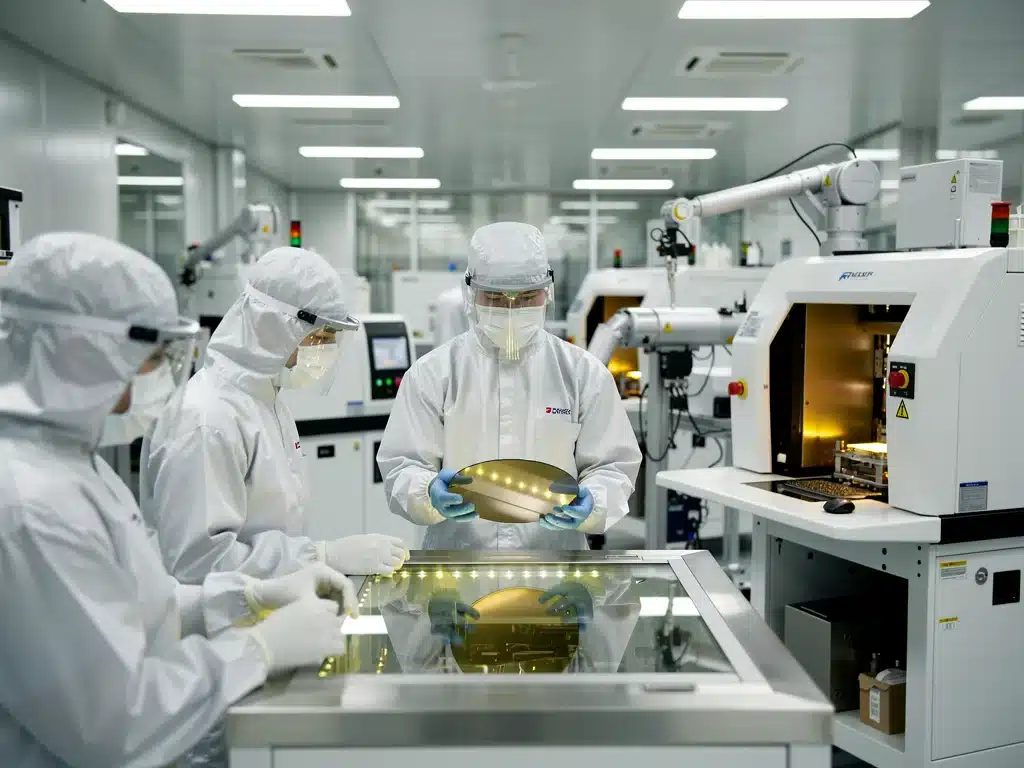
Workforce Development and Talent Cultivation for the Future
A thriving semiconductor industry cannot exist without a highly skilled workforce. The rapid expansion of domestic manufacturing and R&D facilities necessitates a substantial increase in talent across various disciplines, from materials science and electrical engineering to advanced manufacturing and cybersecurity. Addressing this talent gap is a critical component of the U.S. strategy for semiconductor resilience by 2026.
The challenge is multifaceted. It involves attracting young talent to STEM fields, providing specialized training programs, and ensuring that educational institutions are aligned with industry needs. There’s a strong emphasis on creating pathways from community colleges to universities, offering apprenticeships, and reskilling programs for existing workers.
Collaborations between industry, academia, and government are paramount in this effort. Companies are partnering with universities to develop specialized curricula and research initiatives. Government funding, often through programs supported by the CHIPS Act, is also directed towards scholarships and grants to encourage students to pursue careers in semiconductor-related fields.
Key Initiatives in Workforce Development
- STEM Education Promotion: Encouraging students from K-12 through higher education to pursue science, technology, engineering, and mathematics.
- Specialized Training Programs: Developing vocational and technical training tailored to the specific needs of semiconductor manufacturing and design.
- Academic-Industry Partnerships: Fostering collaboration between universities and chip companies for research, internships, and curriculum development.
- Upskilling and Reskilling: Providing opportunities for current workers to acquire new skills relevant to advanced semiconductor technologies.
Beyond technical skills, there’s also a focus on developing a diverse and inclusive workforce. Tapping into a broader talent pool is essential for fostering innovation and ensuring the long-term sustainability of the industry. By 2026, the U.S. aims to have a significantly strengthened pipeline of skilled professionals, ready to drive the next wave of semiconductor innovation and production.
Innovation Frontiers: Next-Generation Semiconductor Technologies
The semiconductor landscape is constantly evolving, with new breakthroughs emerging regularly. To maintain its competitive edge, the U.S. is not only focusing on increasing current production but also on leading the charge in developing next-generation semiconductor technologies. This includes advancements in areas like artificial intelligence (AI) chips, quantum computing, and novel materials science.
Investments in research and development are crucial for staying ahead. The CHIPS Act specifically allocates funds for R&D initiatives aimed at pushing the boundaries of what semiconductors can do. This involves exploring new architectures, improving energy efficiency, and developing specialized chips for emerging applications that will define the future of technology.
Emerging Technological Areas
- AI Accelerators: Developing highly specialized chips optimized for artificial intelligence and machine learning workloads, crucial for data centers and edge computing.
- Quantum Computing: Researching and developing components for quantum computers, which promise unprecedented processing power for complex problems.
- Advanced Materials: Exploring new materials beyond silicon, such as gallium nitride (GaN) and silicon carbide (SiC), for enhanced performance and efficiency.
- 3D Stacking and Advanced Packaging: Innovating in how chips are assembled and connected to improve performance, reduce size, and lower power consumption.
The goal is to not just catch up, but to leapfrog competitors by fostering an environment where groundbreaking research can flourish. Collaboration between national labs, universities, and private companies is essential for translating cutting-edge science into commercially viable technologies. By 2026, the U.S. aims to be a global leader in several key areas of next-generation semiconductor innovation, driving advancements that will shape industries worldwide.
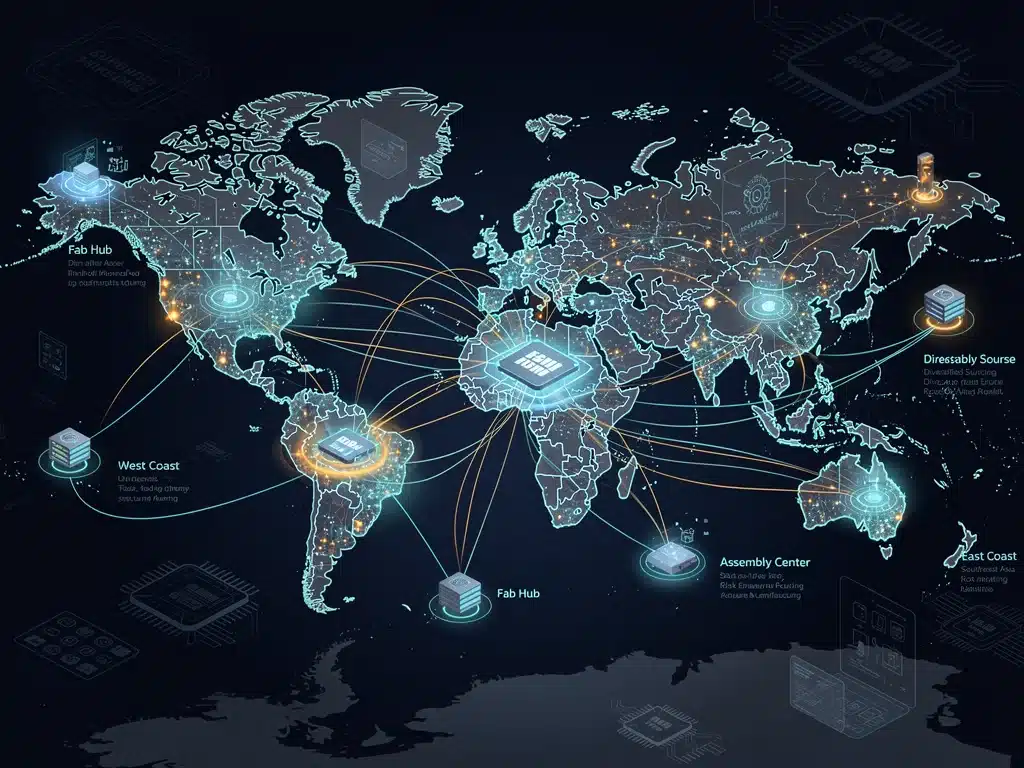
Geopolitical Landscape and International Cooperation
The semiconductor race is inextricably linked to the broader geopolitical landscape. The concentration of advanced manufacturing in certain regions, particularly Taiwan, presents significant geopolitical risks. The U.S. strategy acknowledges this reality and emphasizes a dual approach of strengthening domestic capabilities while also fostering deeper cooperation with trusted international partners.
This international cooperation is not merely about trade; it’s about building a collective security framework for critical technologies. Discussions are ongoing with allies in Europe and Asia to coordinate strategies for supply chain diversification, technology sharing, and setting global standards. The goal is to create a network of reliable partners that can collectively ensure a stable and secure supply of semiconductors.
Key Aspects of Geopolitical Strategy
- Diplomatic Engagement: Engaging with allied nations to align policies and investments in the semiconductor sector.
- Export Controls: Implementing measures to prevent advanced semiconductor technology from falling into the hands of adversarial nations.
- Joint Research Initiatives: Collaborating with international partners on R&D for next-generation chip technologies.
- Standardization Efforts: Working towards common international standards to facilitate interoperability and reduce fragmentation in the industry.
The challenge is to balance national interests with global collaboration. While the U.S. seeks to bolster its own domestic industry, it also recognizes that a completely isolated approach is neither feasible nor desirable. By 2026, the U.S. aims to have a stronger domestic foundation and a more resilient global network of semiconductor production and innovation, built on trust and shared strategic interests.
| Key Aspect | Brief Description |
|---|---|
| CHIPS Act Impact | Over $52B in subsidies for domestic R&D and manufacturing, aiming to boost US production and reduce foreign reliance. |
| Supply Chain Diversification | Strategies to reduce concentration risks, including friend-shoring, stockpiling, and international partnerships for resilience. |
| Workforce Development | Initiatives to cultivate skilled talent through STEM education, specialized training, and academic-industry collaborations. |
| Innovation Frontiers | Focus on next-gen technologies like AI chips, quantum computing, and advanced materials to maintain technological leadership. |
Frequently Asked Questions About US Semiconductor Resilience
The main objective of the CHIPS and Science Act is to bolster domestic semiconductor manufacturing and research in the United States. It provides significant funding to incentivize companies to build and expand chip fabrication plants, reducing reliance on foreign supply chains and enhancing national security and economic competitiveness.
The US aims to diversify its semiconductor supply chain through several strategies. These include encouraging domestic production (reshoring), fostering partnerships with allied nations (friend-shoring), mapping critical dependencies, and investing in strategic stockpiles of essential materials and components to mitigate future disruptions.
Workforce development is crucial for long-term semiconductor resilience. The US is investing in STEM education, specialized training programs, and academic-industry partnerships to cultivate a skilled talent pool. This ensures a steady supply of engineers, technicians, and researchers capable of driving innovation and operating advanced manufacturing facilities.
The US is heavily invested in advancing next-generation semiconductor technologies. Key areas of focus include specialized AI chips, quantum computing components, advanced materials beyond silicon (like GaN and SiC), and innovative 3D stacking and packaging techniques to enhance performance and efficiency.
Geopolitical strategy profoundly influences the semiconductor race by addressing the risks of concentrated manufacturing in sensitive regions. The US is strengthening domestic capabilities while fostering international cooperation with allies, implementing export controls, and engaging in diplomatic efforts to build a more secure and resilient global semiconductor ecosystem.
Conclusion: A New Era of American Semiconductor Leadership
The journey toward enhanced U.S. semiconductor resilience by 2026 is an ambitious yet critical undertaking. The confluence of strategic legislative action, substantial private sector investment, and a renewed focus on innovation and workforce development signals a new era for American leadership in this foundational technology. While challenges remain, including the complexities of global supply chains and the intense competition for talent, the concerted efforts are laying a robust foundation. The goal is not just to bring manufacturing home, but to foster an ecosystem where cutting-edge research, advanced production, and a highly skilled workforce converge to ensure the United States remains at the forefront of technological advancement, securing its economic future and national security for decades to come.