Future of Remote Work: US Company Models & Social Impact 2026
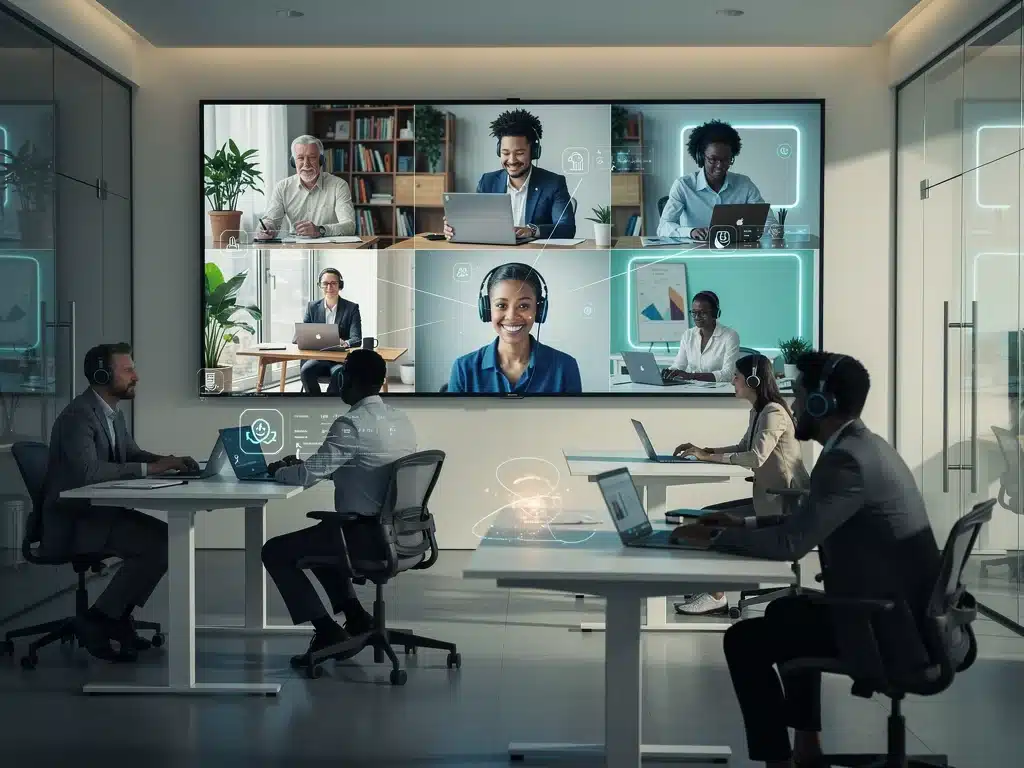
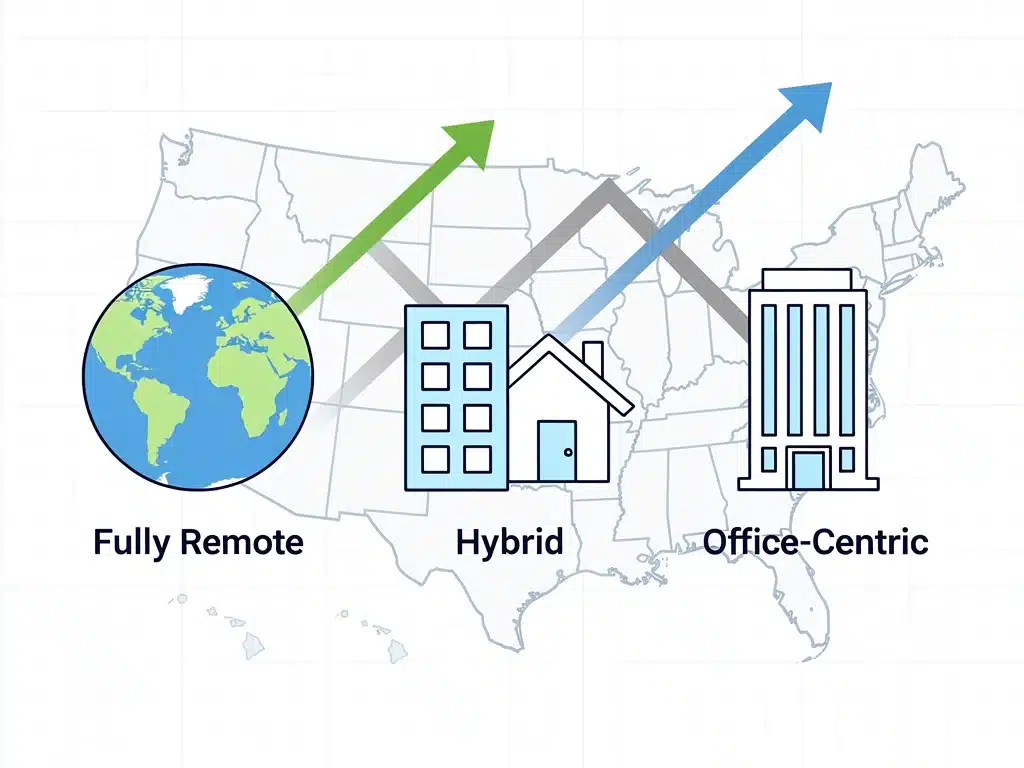
By 2026, US companies will primarily adopt three distinct remote work models—fully remote, hybrid, and office-centric with remote options—each presenting unique operational benefits and significant societal impacts on urban planning, community, and personal well-being.
The landscape of employment is undergoing a profound transformation, and by 2026, the future of remote work: comparing 3 models for US companies in 2026 and their social implications will be a defining aspect of corporate strategy and societal structure. What does this mean for American businesses and the fabric of our communities? Let’s delve into the evolving dynamics.
The Evolution of Remote Work: A Pre-2026 Retrospective
Before we project forward, understanding the journey of remote work is crucial. What began as a niche benefit or a necessity during unprecedented times has rapidly matured into a fundamental component of modern business operations. The initial scramble to adapt has given way to more deliberate, strategic planning, with companies now evaluating long-term sustainability and effectiveness.
The pre-2026 period saw a significant shift in employer and employee perceptions. Initially, concerns about productivity and oversight dominated discussions. However, robust data emerged, often showcasing sustained or even improved productivity, coupled with enhanced employee satisfaction and retention. This evidence base has been instrumental in solidifying remote and hybrid arrangements as viable, and often preferable, options.
Key Drivers of Remote Work Adoption
Several factors propelled the widespread adoption of remote work, setting the stage for the models we anticipate in 2026. These drivers extend beyond mere technological capability, touching upon economic, social, and even environmental considerations.
- Technological Advancements: Improved video conferencing, cloud computing, and project management tools made seamless collaboration possible from anywhere.
- Employee Demand: A significant portion of the workforce expressed a strong preference for flexibility, leading companies to offer remote options as a competitive advantage in talent acquisition.
- Cost Savings: Businesses realized substantial savings on office space, utilities, and other operational overheads, making remote work an attractive financial proposition.
- Global Talent Pool: The ability to hire talent regardless of geographic location opened up new opportunities for companies to access specialized skills and diversify their workforce.
The confluence of these factors has permanently altered the traditional office paradigm. As we approach 2026, the question is no longer if remote work will persist, but rather in what forms it will stabilize and what broader societal impacts these forms will exert.
Model 1: The Fully Remote Enterprise in 2026
The fully remote enterprise represents a complete departure from traditional office structures, with all employees working from geographically dispersed locations. By 2026, this model will have matured significantly, moving beyond mere distributed teams to fully integrated, remote-first cultures. Companies adopting this model are often digital natives or those that have successfully transitioned their entire operational infrastructure to support a distributed workforce.
The benefits for companies embracing a fully remote model are substantial. They gain access to a global talent pool, unconstrained by local housing markets or commuting distances. This often translates to higher quality hires, increased diversity, and potentially lower labor costs in some instances. Furthermore, the elimination of physical office space leads to significant reductions in overhead, freeing up capital for investment in technology, employee development, or other strategic initiatives.
Operational Benefits and Challenges
While the advantages are clear, fully remote operations also come with unique challenges that companies will have largely addressed by 2026 through refined strategies and technologies.
- Enhanced Flexibility: Employees enjoy greater autonomy over their schedules and work environments, leading to improved work-life balance and reduced stress.
- Reduced Commuting: Eliminates daily commutes, saving time and money for employees, and reducing carbon footprints for the environment.
- Global Talent Reach: Companies can hire the best talent regardless of their location, fostering diverse teams and specialized skill sets.
- Culture Building: Requires intentional strategies to foster team cohesion, communication, and a strong company culture without in-person interactions.
- Cybersecurity Risks: Increased reliance on home networks and personal devices necessitates robust cybersecurity protocols and employee training.
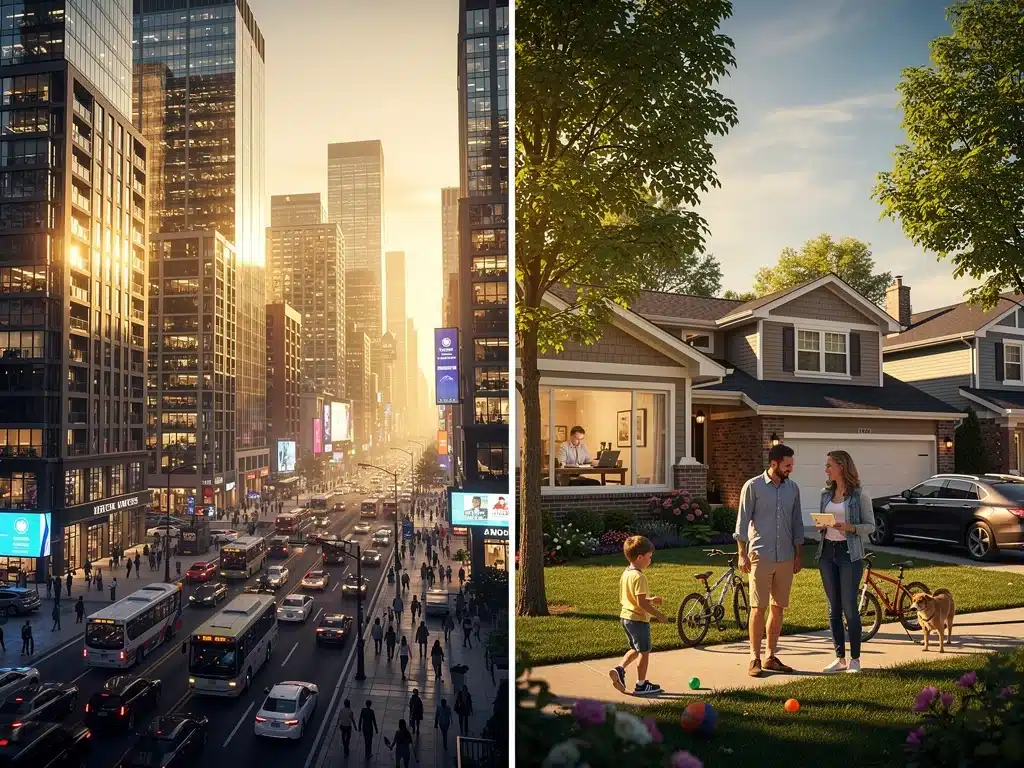
The social implications of a widespread fully remote model are profound. It can lead to a revitalization of rural and suburban areas as people move away from expensive urban centers. This demographic shift can stimulate local economies outside major cities, but it also poses challenges for urban infrastructure and public services that were designed for dense populations. Additionally, the blurring lines between work and home life can impact mental health, necessitating greater focus on digital well-being and clear boundaries.
Model 2: The Hybrid Harmony – Blending Office and Remote Work
The hybrid model, poised to be the most prevalent by 2026, strikes a balance between remote flexibility and in-person collaboration. This approach typically involves employees spending a few days a week in the office and the remainder working remotely. Its appeal lies in its ability to offer the best of both worlds, fostering a dynamic work environment that caters to diverse employee preferences and business needs.
For US companies, hybrid work offers a compelling proposition. It allows for the maintenance of a physical office as a hub for team meetings, brainstorming sessions, and social interaction, which can be crucial for innovation and culture. At the same time, it provides employees with the flexibility they desire, enhancing job satisfaction and reducing burnout. The challenge, however, lies in executing a hybrid model effectively, ensuring equity between remote and in-office employees and optimizing the use of physical space.
Implementing Effective Hybrid Strategies
Successful hybrid models in 2026 will be characterized by thoughtful planning and robust technological support. It’s not simply about splitting time; it’s about designing a system that maximizes the benefits of both remote and in-person work.
- Flexible Scheduling: Allowing teams to decide their in-office days or offering employees choice in their work patterns.
- Optimized Office Space: Redesigning offices to be collaborative hubs rather than traditional desk farms, focusing on meeting rooms, breakout areas, and social spaces.
- Seamless Technology Integration: Ensuring that remote participants in meetings feel as included and engaged as those in the office.
- Equitable Opportunities: Developing strategies to ensure career growth, mentorship, and social inclusion are equally accessible to both remote and in-office staff.
The social implications of hybrid work are complex. It may lead to a decentralization of urban populations, but not a complete exodus, as many will still value access to city amenities for their in-office days. This could foster the growth of ’15-minute cities’ where essential services are easily accessible, reducing the reliance on long commutes. However, it also presents challenges for public transportation systems, which might see fluctuating demand, and for local businesses that rely on consistent daily foot traffic from office workers.
Model 3: The Office-Centric with Remote Options Approach
While remote and hybrid models gain traction, the office-centric model, albeit with significant remote options, will still be a key player in 2026. This model prioritizes the physical office as the primary place of work, often for industries requiring specialized equipment, high levels of in-person collaboration, or stringent security protocols. However, unlike pre-pandemic office-centric models, these companies will offer structured remote work flexibility for certain roles or on specific days, acknowledging the new employee expectations.
Companies adopting this approach often do so due to the nature of their business, where hands-on work, sensitive data handling, or highly interactive team dynamics are paramount. For instance, manufacturing, certain research and development roles, or highly secure government contracts might necessitate a predominantly in-office presence. Yet, even within these frameworks, administrative, marketing, or support functions may still benefit from remote flexibility, leading to a blended strategy within the office-centric ethos.
Balancing Tradition with Modern Demands
The success of this model by 2026 hinges on its ability to integrate remote options thoughtfully, ensuring they are not mere afterthoughts but rather strategic components of talent retention and operational efficiency.
- Strategic Remote Roles: Identifying specific positions that can effectively operate remotely without compromising core business functions.
- Defined Remote Policies: Clear guidelines on remote work eligibility, frequency, and expectations to ensure fairness and consistency.
- Technology for Occasional Remote Work: Providing necessary tools and infrastructure to support employees on their remote days, ensuring they remain connected and productive.
- Leadership Buy-in: Ensuring management understands and supports the remote options to prevent a two-tiered system where remote workers feel disadvantaged.
The social implications of this model are less disruptive than fully remote or even hybrid approaches, but still significant. Urban centers will largely retain their economic vitality, albeit with potentially reduced daily commuter traffic. This could alleviate some pressure on public transport and road infrastructure. However, the expectation of remote options, even limited ones, will put pressure on companies to justify purely office-based roles, leading to a continuous re-evaluation of workplace necessity. It also means that for those who still commute daily, the social benefits of remote work, such as more time with family or community engagement, remain largely out of reach, potentially exacerbating inequalities in work-life balance.
Social Implications Across the Models: A Broader View
Beyond the operational shifts, the widespread adoption of these remote work models will profoundly reshape society in the US by 2026. The impact will be felt across urban planning, community development, environmental sustainability, and individual well-being. Understanding these broader implications is crucial for policymakers, businesses, and individuals alike as we navigate this new era of work.
One of the most significant social implications is the potential for demographic shifts. As discussed, fully remote models can drive decentralization, leading to a revitalization of smaller towns and rural areas. Hybrid models might foster more distributed urban living, supporting the growth of suburban hubs. Even office-centric models with remote options could see minor shifts in commuting patterns. These changes will necessitate new approaches to housing, public services, and local economic development.
Impact on Urban & Rural Landscapes
The balance between urban and rural living will be continuously re-evaluated. Cities may transform from dense business districts to mixed-use communities, while rural areas face both opportunities and challenges.
- Urban Core Transformation: City centers may see a repurposing of commercial real estate into residential units or mixed-use developments, fostering more vibrant, round-the-clock communities.
- Suburban Growth: Hybrid models could accelerate growth in suburban areas, increasing demand for local amenities, schools, and infrastructure.
- Rural Revitalization: Fully remote work offers the potential for economic injection into rural communities, attracting new residents and businesses, but also posing challenges for existing infrastructure and services.
- Transportation Evolution: Decreased and altered commuting patterns will impact public transport funding and urban planning focused on traffic management.
Moreover, the social fabric of communities will be affected. While remote work can offer greater flexibility for family life and community engagement, it can also lead to increased social isolation if not managed effectively. Companies and local governments will need to invest in initiatives that foster connection and belonging, whether through virtual team-building events or local co-working spaces and community hubs. The environmental impact is also noteworthy, with reduced commuting potentially leading to lower carbon emissions, though this could be offset by increased energy consumption in home offices.
Adapting to the New Normal: Challenges and Opportunities
The transition to these new work models is not without its hurdles, but it also presents unprecedented opportunities for innovation and societal betterment. Companies, employees, and governments must proactively adapt to ensure a smooth and equitable evolution of the workplace by 2026. The challenges range from technological infrastructure to fostering inclusive workplace cultures, while opportunities span economic growth, improved quality of life, and environmental benefits.
For businesses, the primary challenge will be to continuously refine their chosen model to maximize productivity and employee well-being. This involves investing in the right technologies, training managers to lead distributed teams effectively, and fostering a culture of trust and autonomy. Companies that master these aspects will gain a significant competitive edge in attracting and retaining top talent in a highly dynamic labor market.
Navigating the Evolving Workplace
Several key areas require focused attention to successfully navigate the future of remote work.
- Digital Infrastructure: Ensuring robust and secure internet access for all employees, regardless of location, is fundamental.
- Leadership Training: Equipping managers with the skills to lead and motivate remote or hybrid teams, focusing on outcomes rather than presenteeism.
- Employee Well-being Programs: Implementing initiatives to combat isolation, prevent burnout, and support mental health in distributed workforces.
- Policy & Regulation: Governments will need to adapt labor laws, tax policies, and urban planning regulations to reflect the new realities of work and living.
The opportunities are equally compelling. Beyond the immediate benefits of increased flexibility and reduced costs, the new work models can spur innovation in various sectors, from collaboration software to sustainable urban development. They can also lead to a more inclusive workforce, as barriers such as geographic location or physical accessibility are reduced. This adaptability will be critical for businesses and societies aiming to thrive in the complex and rapidly changing global economy.
Preparing for 2026: A Strategic Imperative
As 2026 draws near, preparing for these dominant remote work models is no longer an option but a strategic imperative for US companies. The decisions made today will shape not only individual business success but also the broader economic and social landscape for years to come. Proactive planning, continuous evaluation, and a willingness to adapt will be the hallmarks of organizations that thrive in this evolving environment.
Companies must begin by clearly defining their remote work philosophy and aligning it with their organizational culture and business objectives. This involves a deep dive into what aspects of work truly benefit from in-person interaction versus what can be effectively achieved remotely. Furthermore, investing in employee feedback mechanisms will be crucial to understand the evolving needs and preferences of the workforce, ensuring policies remain relevant and supportive.
Key Steps for Strategic Preparation
To effectively prepare for the remote work landscape of 2026, companies should consider several strategic actions.
- Assess Current Operations: Evaluate existing workflows and identify which roles and tasks are best suited for each work model.
- Invest in Technology: Prioritize tools that facilitate seamless communication, collaboration, and project management across distributed teams.
- Develop Clear Policies: Establish comprehensive guidelines for remote and hybrid work, covering aspects like eligibility, security, and performance expectations.
- Foster an Inclusive Culture: Design initiatives that ensure all employees, regardless of their work location, feel connected, valued, and have equal opportunities for growth.
- Monitor and Adapt: Continuously collect data on productivity, employee satisfaction, and operational efficiency to make informed adjustments to the remote work strategy.
Ultimately, the successful integration of these remote work models by 2026 will depend on a holistic approach that considers not just the technological and logistical aspects, but also the human element. By prioritizing employee well-being, fostering strong organizational cultures, and embracing flexibility, US companies can harness the full potential of the future of work, creating more resilient, innovative, and potentially more equitable workplaces.
| Work Model | Brief Description |
|---|---|
| Fully Remote | All employees work from anywhere, leveraging global talent and reducing overhead. |
| Hybrid | Blends in-office and remote work, offering flexibility and maintaining physical hubs. |
| Office-Centric with Remote Options | Primarily in-office, but with structured remote flexibility for specific roles or days. |
| Social Implications | Impacts urban planning, community development, environment, and individual well-being. |
Frequently Asked Questions About Remote Work in 2026
By 2026, the primary models will be fully remote, where all employees work from anywhere; hybrid, blending office and remote days; and office-centric with remote options, where the office is primary but some flexibility is offered. Each model caters to different business needs and employee preferences.
Fully remote work could lead to a decentralization of urban populations, potentially revitalizing rural and suburban economies. Urban centers may see commercial real estate repurposed, shifting towards more residential or mixed-use developments, altering the traditional city landscape.
Key challenges for hybrid models include ensuring equitable experiences for both remote and in-office employees, optimizing office space for collaboration, and integrating technology seamlessly. Companies must also foster a cohesive culture across distributed teams to prevent a two-tiered system.
Yes, office-centric models will remain relevant, especially for industries requiring specialized equipment, high security, or intense in-person collaboration. However, even these models will likely incorporate structured remote options to meet evolving employee expectations and attract talent.
Companies should prepare by investing in employee well-being programs, fostering inclusive cultures, and adapting policies to support flexible work. Collaborating with local governments on urban planning and community development initiatives can also help address broader societal shifts.
Conclusion
The future of work in 2026, particularly concerning remote models for US companies, is a dynamic and multifaceted topic. The three dominant models—fully remote, hybrid, and office-centric with remote options—each offer distinct advantages and present unique challenges. Beyond the corporate bottom line, their widespread adoption carries profound social implications, influencing everything from urban development and environmental sustainability to individual well-being and community cohesion. Strategic foresight, technological investment, and a human-centric approach will be paramount for organizations and society alike to successfully navigate and harness the transformative power of these evolving work paradigms, shaping a more flexible, resilient, and potentially more equitable future.