Ethical Consumption 2026: 25% US Shoppers Prioritize Sustainable Brands
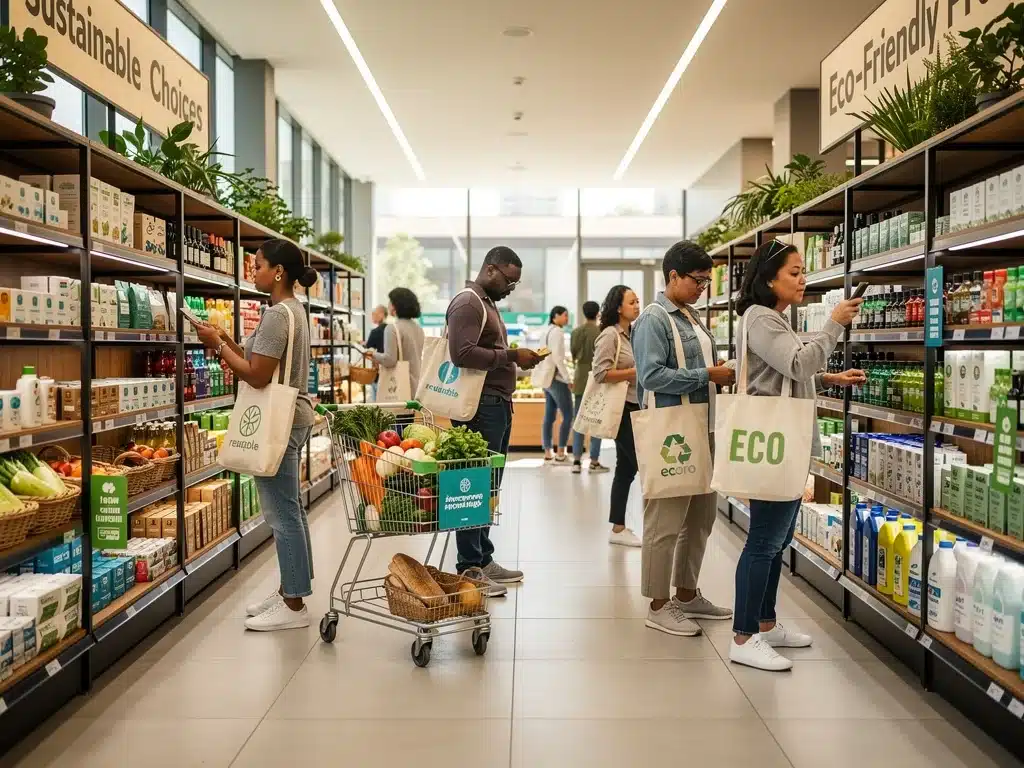
By 2026, a significant shift in consumer behavior is evident as 25% of US shoppers actively prioritize sustainable brands, driven by increasing awareness of environmental and social impacts, reshaping market dynamics and corporate strategies.
The landscape of retail is undergoing a profound transformation, with consumers increasingly aligning their purchasing power with their values. By 2026, a remarkable shift in consumer behavior is evident, as statistics reveal that ethical consumption in 2026 sees 25% of US shoppers actively prioritizing sustainable brands. This isn’t merely a fleeting trend; it’s a fundamental recalibration of priorities that challenges businesses to adapt or risk obsolescence. What drives this conscious movement, and how are brands responding to this informed and demanding consumer base?
The rise of conscious consumerism: a quarter of US shoppers lead the way
The concept of conscious consumerism has matured significantly, moving from a niche interest to a mainstream expectation. This evolution is particularly evident in the United States, where a quarter of all shoppers are now making purchasing decisions primarily based on a brand’s ethical and sustainable practices. This segment of the market isn’t just seeking quality or affordability; they demand transparency, responsibility, and a positive impact from the companies they support.
This growing cohort of ethical consumers is influenced by a confluence of factors, including increased access to information, a heightened sense of global responsibility, and personal experiences with climate change and social inequality. They are not passive buyers but active participants in shaping the market, using their wallets to advocate for a better world. Their collective actions are forcing industries to rethink supply chains, production methods, and corporate governance.
Drivers behind the ethical shift
Several critical elements are fueling this surge in ethical consumption. Understanding these drivers is essential for both businesses aiming to capture this market and individuals seeking to make more informed choices.
- Environmental awareness: Growing concerns about climate change, plastic pollution, and resource depletion compel consumers to seek eco-friendly alternatives.
- Social justice advocacy: Fair labor practices, ethical sourcing, and community support are increasingly important considerations for shoppers.
- Transparency and information: Digital platforms and independent organizations provide unprecedented access to information about brand practices, empowering consumers to make informed decisions.
- Health and wellness: A link between sustainable products and personal well-being, such as organic foods or non-toxic household items, resonates strongly with many.
The impact of this shift is profound, extending beyond individual purchasing decisions to influence corporate strategies, regulatory frameworks, and even investment portfolios. The market is responding with innovative products and services that cater to these new demands, creating a virtuous cycle of ethical innovation.
In conclusion, the rise of conscious consumerism, spearheaded by 25% of US shoppers, marks a pivotal moment in retail history. This demographic is not just buying products; they are investing in values, driving a fundamental change in how businesses operate and interact with the world. Their influence is set to expand, making ethical considerations an indispensable part of commercial success.
Understanding the sustainable brand landscape in 2026
The term ‘sustainable brand’ in 2026 encompasses a much broader definition than it did a decade ago. It’s no longer sufficient for a company to simply offer a single eco-friendly product; consumers expect a holistic commitment to sustainability across all facets of their operations. This includes everything from material sourcing and manufacturing processes to packaging, distribution, and even end-of-life product management.
For brands, navigating this complex landscape requires a deep understanding of consumer expectations and a genuine commitment to verifiable, measurable sustainable practices. Greenwashing, or the deceptive marketing of products as environmentally friendly, is increasingly scrutinized and penalized by a savvy consumer base and regulatory bodies.
Key characteristics of leading sustainable brands
What makes a brand truly sustainable in the eyes of today’s ethical consumer? It’s a combination of verifiable actions and clear communication.
- Circular economy principles: Brands adopting closed-loop systems, emphasizing reuse, repair, and recycling to minimize waste.
- Renewable energy integration: Utilizing solar, wind, or other renewable sources in their operations to reduce carbon footprint.
- Ethical supply chains: Ensuring fair wages, safe working conditions, and no child labor throughout their global supply networks.
- Eco-friendly packaging: Prioritizing biodegradable, compostable, or reusable packaging materials over single-use plastics.
- Transparency and reporting: Openly sharing their sustainability goals, progress, and challenges through annual reports and accessible data.
The journey to becoming a truly sustainable brand is continuous, requiring ongoing innovation, investment, and adaptation. Those who embrace this challenge are not only meeting consumer demand but also building more resilient and future-proof businesses.
The sustainable brand landscape in 2026 is defined by a rigorous set of expectations from consumers and a growing imperative for corporate responsibility. Brands that genuinely commit to sustainability across their entire value chain are the ones gaining trust and market share in this evolving environment.
The economic impact of ethical purchasing decisions
The shift towards ethical consumption is not just a moral imperative; it’s a significant economic force reshaping industries and creating new market opportunities. The 25% of US shoppers prioritizing sustainable brands represent a substantial segment with considerable purchasing power, influencing investment decisions, product development, and competitive strategies.
Businesses that fail to adapt risk losing market share to more ethically aligned competitors. Conversely, companies that embed sustainability into their core operations are finding new avenues for growth, attracting loyal customers, and even securing better access to capital from socially responsible investors.
Market growth and investment trends
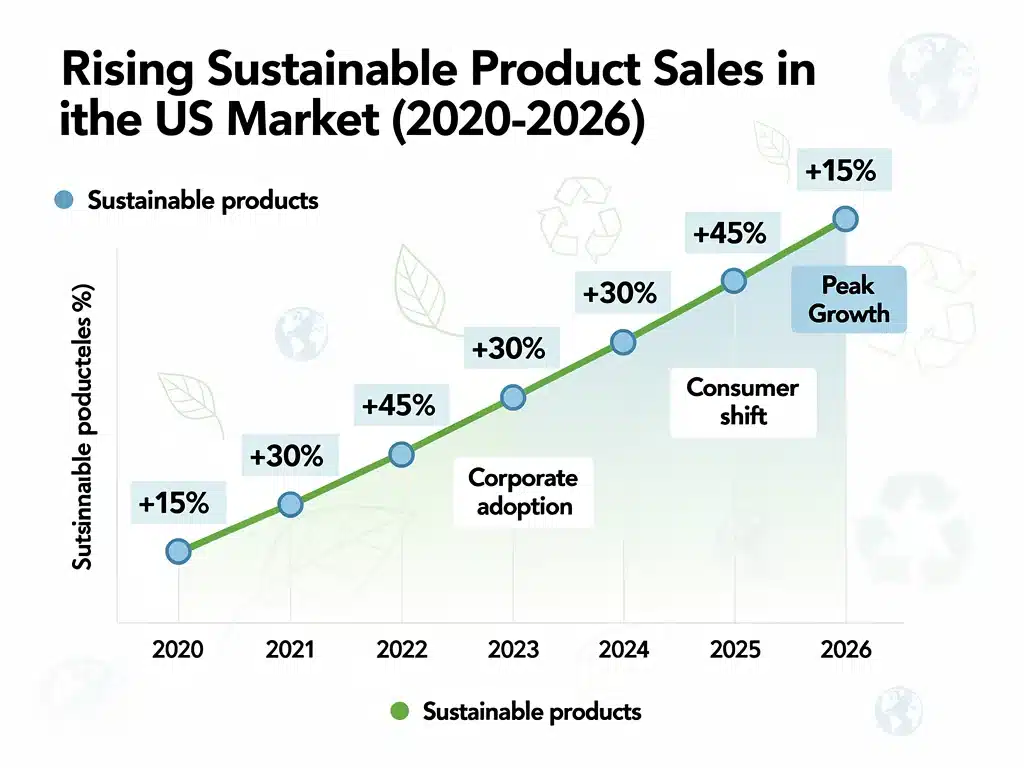
The market for sustainable products and services is experiencing robust growth, outpacing traditional sectors in many instances. This growth is attracting significant investment, as financial institutions increasingly recognize the long-term value and reduced risk associated with sustainable enterprises.
The economic impact extends beyond direct sales. It fosters innovation in green technologies, creates new jobs in sustainable industries, and drives research into more efficient and environmentally friendly production methods. This ripple effect contributes to a more sustainable and equitable economy overall.
Furthermore, companies with strong ESG (Environmental, Social, and Governance) performance are often viewed more favorably by consumers, employees, and investors alike. This can translate into higher stock valuations, lower cost of capital, and improved brand reputation, demonstrating a clear financial advantage to ethical practices.
The economic impact of ethical purchasing decisions is undeniable. It’s a powerful signal to the market that sustainability is not a cost center but a value driver, creating a compelling case for businesses to embrace ethical practices not just for societal benefit, but for their own financial health and longevity.
Challenges and opportunities for businesses
While the rise of ethical consumption presents clear opportunities, it also brings significant challenges for businesses accustomed to traditional operating models. Adapting to the demands of conscious consumers requires substantial investment, strategic rethinking, and a willingness to transform core business practices.
One of the primary challenges lies in the complexity of verifying and communicating sustainable practices. Supply chains are often global and intricate, making it difficult to ensure ethical sourcing and environmental responsibility at every step. Additionally, effectively communicating these efforts to a skeptical public requires genuine transparency and avoiding accusations of greenwashing.
Navigating the path to sustainability
For many businesses, the transition to a more sustainable model is a journey with multiple hurdles. However, those that successfully navigate these challenges are positioning themselves for long-term success in an increasingly values-driven market.
- Supply chain overhaul: Implementing rigorous auditing and certification processes to ensure ethical and sustainable sourcing.
- Innovation in materials and processes: Investing in R&D to develop eco-friendly materials, reduce waste, and improve energy efficiency.
- Authentic communication: Engaging in honest and transparent dialogue with consumers about their sustainability efforts, including successes and areas for improvement.
- Employee engagement: Fostering a culture of sustainability within the organization, encouraging employees to contribute to ethical goals.
The opportunities, however, are equally compelling. Businesses that genuinely embrace sustainability can differentiate themselves in a crowded market, attract top talent, build stronger customer loyalty, and enhance their brand reputation. They can also unlock new markets and revenue streams by developing innovative sustainable products and services.
In essence, the challenges of ethical consumption are also its greatest opportunities. By proactively addressing these complexities, businesses can not only meet the demands of 25% of US shoppers but also contribute to a more sustainable future while securing their own competitive advantage.
The role of technology in fostering ethical consumption
Technology plays an indispensable role in accelerating the ethical consumption movement, providing tools for transparency, traceability, and consumer education. From blockchain to AI-powered analytics, technological advancements are empowering both consumers and brands to make more informed and responsible choices.
For consumers, apps and online platforms offer instant access to information about a product’s origin, environmental impact, and social footprint. QR codes on packaging can link directly to detailed sustainability reports, allowing shoppers to verify claims with unprecedented ease. This digital empowerment fuels the demand for greater accountability from brands.
Technological innovations driving transparency
Several cutting-edge technologies are transforming how we understand and engage with ethical consumption.
- Blockchain for supply chain traceability: Providing immutable records of a product’s journey from raw material to consumer, ensuring authenticity and ethical sourcing.
- AI and big data analytics: Analyzing vast amounts of data to identify sustainable practices, predict consumer trends, and optimize resource allocation for brands.
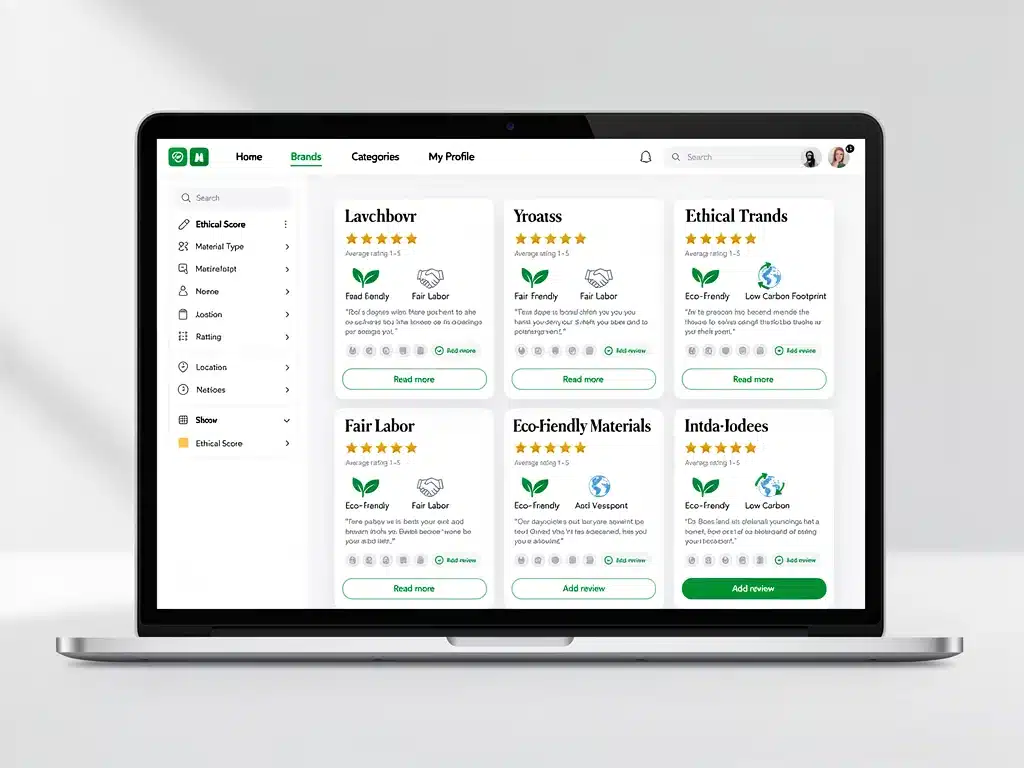
- Consumer review platforms: Dedicated platforms where shoppers can review and rate brands based on their ethical performance, fostering community and accountability.
- Augmented reality (AR) shopping: Allowing consumers to visualize the environmental impact or ethical features of products in real-time while shopping.
These technological tools are not just enhancing the shopping experience; they are fundamentally changing the relationship between consumers and brands. They are creating a more transparent and accountable marketplace where ethical performance is rewarded and unethical practices are quickly exposed.
Ultimately, technology acts as a powerful catalyst for ethical consumption, enabling a level of scrutiny and informed decision-making that was previously unimaginable. It empowers the 25% of US shoppers to confidently prioritize sustainable brands and encourages businesses to embrace genuine sustainability for competitive advantage.
Looking ahead: the future of ethical consumerism beyond 2026
The trajectory of ethical consumerism indicates that the current trend, where 25% of US shoppers prioritize sustainable brands, is just the beginning. Looking beyond 2026, it’s highly probable that this percentage will continue to grow, making ethical considerations a default expectation rather than a niche preference. This future will be characterized by even greater integration of sustainability into daily life, driven by evolving societal values, technological advancements, and potentially stricter regulatory frameworks.
We can anticipate a future where sustainability is not merely a marketing claim but a fundamental aspect of product design and corporate identity. The lines between ethical and conventional businesses will blur, as all enterprises are compelled to adopt responsible practices to remain relevant and competitive.
Emerging trends and predictions
Several trends are expected to shape the future of ethical consumerism:
- Hyper-personalization of sustainability: Consumers will seek brands that align with their specific ethical priorities, whether it’s zero waste, carbon neutrality, or fair trade.
- Regulatory push: Governments may introduce more stringent regulations regarding product lifecycle, supply chain transparency, and environmental impact reporting.
- Collaborative consumption: An increase in sharing economy models and product-as-a-service offerings to reduce individual consumption and waste.
- Bio-innovation: Development of advanced biomaterials and biotechnologies that offer truly regenerative and environmentally benign solutions.
The future of ethical consumerism will also see a greater emphasis on collective action and systemic change. Consumers will not only demand ethical products but also advocate for policies and infrastructures that support a sustainable lifestyle, transforming entire communities and industries.
Beyond 2026, ethical consumerism is poised to become an even more pervasive and influential force. The 25% of US shoppers currently leading this charge are paving the way for a future where responsible consumption is the norm, fostering a more sustainable and equitable global economy.
| Key Aspect | Brief Description |
|---|---|
| Consumer Shift | 25% of US shoppers prioritize sustainable brands by 2026, driving market change. |
| Economic Impact | Sustainable market growth attracts investment and fosters innovation across industries. |
| Technology’s Role | Tech enhances transparency and traceability, empowering informed ethical choices. |
| Future Outlook | Ethical consumerism is set to expand beyond 2026, becoming a mainstream expectation. |
Frequently asked questions about ethical consumption
An ethical consumer in 2026 is someone who actively considers the environmental, social, and economic impact of their purchases. They prioritize brands demonstrating transparency, fair labor practices, sustainable sourcing, and a commitment to reducing their ecological footprint.
Look for third-party certifications like B Corp, Fair Trade, or LEED. Research their supply chain, read their sustainability reports, and check for transparent communication about their environmental and social initiatives. Avoid brands with vague claims or a history of greenwashing.
Often, ethical products may have a higher upfront cost due to sustainable sourcing, fair wages, and quality materials. However, they can offer long-term value through durability and reduced environmental impact. The market is also seeing more affordable sustainable options emerge.
Technology, including blockchain and AI, enhances transparency by tracking supply chains and verifying claims. Apps and online platforms empower consumers with information, helping them make informed choices and hold brands accountable for their ethical practices.
Beyond 2026, ethical consumption is expected to become even more mainstream, with increased regulatory pressure, greater emphasis on circular economy models, and personalized sustainability preferences. It will likely drive systemic changes across industries and consumer behavior.
Conclusion
The profound shift towards ethical consumption, evidenced by 25% of US shoppers prioritizing sustainable brands by 2026, signifies a pivotal moment in the evolution of the global marketplace. This movement is not a passing fad but a deeply rooted transformation driven by heightened environmental awareness, social consciousness, and unprecedented access to information. Consumers are increasingly wielding their purchasing power as a force for good, compelling businesses to re-evaluate their entire operational footprint. For companies, this presents both significant challenges in adapting traditional models and immense opportunities for innovation, market differentiation, and long-term resilience. Technology continues to play a critical role in fostering transparency and empowering informed choices, further accelerating this trend. Looking ahead, ethical consumerism is poised to become an even more dominant force, shaping a future where sustainability is not just a preference but a fundamental expectation, driving a more responsible and equitable economic landscape for all.